Are you looking to transform your physique and build those muscles you’ve always desired? You might be wondering, “How many sets and reps do I need to actually see results?”
You’re not alone in this quest. Many people dive into workouts without a clear understanding of the structure that truly drives muscle growth. This can lead to frustration, wasted time, and stalled progress. But imagine knowing exactly how to optimize your routine for maximum gains.
Picture yourself confidently lifting weights, seeing visible changes, and feeling stronger every day. We’ll uncover the secrets behind the ideal number of sets and reps to help you achieve your muscle-building goals. Stick around to discover how to tailor your workout for success and propel yourself towards the body you’ve always wanted.
Muscle Growth Basics
Building muscle requires understanding the fundamental principles of muscle growth. It’s essential to know the right sets and reps for effective results. Consistency and proper techniques play vital roles in achieving your goals.
Muscles grow through a process called hypertrophy. This process involves the repair and growth of muscle fibers. When you lift weights, you create small tears in the muscle tissue. The body repairs these tears, resulting in stronger and bigger muscles.
Understanding Sets And Reps
Sets and reps are crucial in structuring your workouts. A set is a group of consecutive repetitions. A rep, short for repetition, is one complete motion of an exercise. The combination of these affects muscle growth.
Ideal Number Of Sets For Muscle Growth
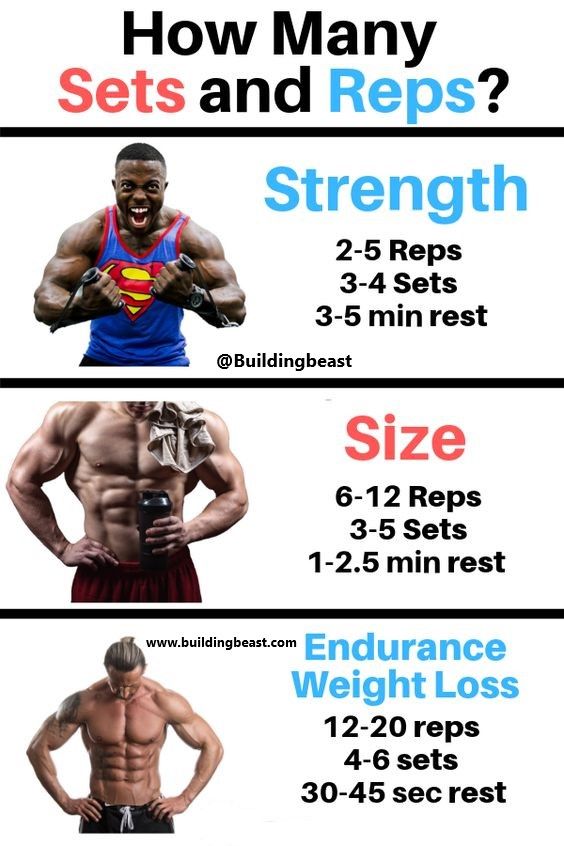
For muscle growth, aim for 3 to 5 sets per exercise. This range provides enough volume to stimulate muscle fibers effectively. It also allows for adequate recovery between sets.
Recommended Reps For Muscle Building
Aim for 6 to 12 reps per set. This range is ideal for hypertrophy. It provides the tension needed to break down muscle fibers for growth.
Rest Periods Between Sets
Rest periods are important in muscle-building routines. Rest for 60 to 90 seconds between sets. This duration helps in recovery and maintains workout intensity.
Importance Of Progressive Overload
Progressive overload is key to continuous muscle growth. Gradually increase the weight or reps over time. This approach ensures muscles are consistently challenged.

Credit: www.trustme-ed.com
Role Of Sets And Reps
The role of sets and reps in muscle building is crucial. Sets and reps determine the effectiveness of your workout routine. They dictate the volume and intensity of your exercises. Understanding their role helps you achieve your muscle-building goals.
Understanding Sets And Reps
A set is a group of consecutive repetitions. Reps, or repetitions, are the number of times you perform an exercise. Together, they form the structure of your workout session. Choosing the right number of sets and reps impacts your muscle growth. It also affects your strength development.
Optimal Sets For Muscle Growth
The number of sets can vary based on your fitness level. Beginners might start with 3 sets per exercise. Intermediate and advanced lifters could aim for 4 to 6 sets. More sets usually mean more muscle activation. But it’s essential to listen to your body. Overtraining can lead to injuries.
Repetitions For Hypertrophy
Reps play a vital role in muscle hypertrophy. For muscle growth, aim for 6 to 12 reps per set. This range is often called the hypertrophy range. It balances between strength and muscle size. Lower reps focus more on strength. Higher reps lean towards endurance. Finding the right balance is key.
Adjusting Sets And Reps
As you progress, adjust your sets and reps. Increase them to challenge your muscles. This is known as progressive overload. It’s crucial for continuous muscle growth. Track your progress and make necessary changes. This keeps your routine effective and engaging.
The Importance Of Rest Between Sets
Rest periods between sets are also important. For muscle growth, rest for 30 to 90 seconds between sets. Shorter rest keeps the intensity high. Longer rest helps with strength recovery. Choose a rest period that fits your goals and fitness level.
Optimal Sets For Muscle Building
Building muscle effectively requires understanding the optimal number of sets. You’ve probably seen various routines recommending everything from three to ten sets per exercise. But what’s the sweet spot for muscle growth? It’s not just about lifting weights; it’s about smart lifting. The right number of sets can maximize your gains, prevent burnout, and keep you motivated. Let’s dive into how many sets you should be doing to pack on muscle efficiently.
Determining Volume
Volume refers to the total amount of work you perform, calculated by multiplying sets by reps and weight. More isn’t always better. You need just the right volume to stimulate muscle growth without overtraining. Consider starting with 3 to 5 sets per exercise. This range offers a balance between intensity and recovery.
Think about your time in the gym. Are you maximizing your efforts with each set? Quality over quantity is crucial. Focus on perfecting your form with each repetition. This ensures you’re engaging the correct muscles, minimizing risk of injury, and benefiting from every movement.
Adjusting For Experience Level
Your experience in weightlifting influences how many sets you should perform. Beginners should aim for fewer sets, around 3 to 4 per exercise. This helps in building a solid foundation without overwhelming the body. Too many sets can lead to fatigue and improper form.
As you gain experience, your body adapts and can handle more volume. Advanced lifters might increase to 5 to 6 sets. This challenges your muscles further, promoting growth. However, listen to your body. Are you feeling fatigued or energized by your workout? Adjust your sets accordingly.
Personal story: When I first started lifting, I did endless sets thinking it would fast-track my results. I ended up exhausted and saw minimal progress. Reducing my sets and focusing on form made all the difference. Have you ever felt stuck in your routine? Maybe it’s time to tweak your sets.
Muscle building isn’t just about lifting heavy; it’s about lifting smart. Are you ready to optimize your workout for better gains?
Reps For Hypertrophy
Muscle growth thrives on effective sets and reps. Aim for 3-5 sets with 8-12 reps each. This range promotes hypertrophy, boosting muscle size over time.
Building muscle is a goal for many fitness enthusiasts, and understanding the concept of reps for hypertrophy is crucial to achieving this. Hypertrophy refers to the growth and increase in the size of muscle cells. To effectively promote hypertrophy, you need to focus on the number of repetitions or reps you perform during your workout sessions.Ideal Rep Range
The ideal rep range for hypertrophy typically falls between 6 to 12 reps per set. This range is known to maximize muscle growth while providing a balance between strength and endurance. When I first started weightlifting, I spent months doing too few reps. My muscles didn’t grow as expected. Adjusting to the 8 to 10 rep range made a significant difference in my muscle size. What rep range are you currently using? Consider experimenting with the 6 to 12 range and observe the changes in your muscle development.Impact Of Rep Speed
The speed at which you perform each rep also plays a critical role in hypertrophy. Faster reps can build explosiveness and strength, but slower reps are often more effective for muscle growth. Slowing down your reps increases the time your muscles are under tension, which is essential for hypertrophy. Next time you’re in the gym, try counting to three as you lower the weight and to one as you lift it. Have you ever noticed how your muscles burn more with slower reps? This burn is a sign that you’re effectively targeting muscle growth. Adjusting your rep speed could be the game-changer in your workout routine. By focusing on these key aspects of reps for hypertrophy, you can tailor your workout to better suit your muscle-building goals. Experiment with different rep ranges and speeds to find what works best for you. What changes will you make in your next workout to enhance muscle growth?Progressive Overload
Building muscle requires more than just lifting weights. It demands a strategic approach known as progressive overload. This method involves gradually increasing the stress placed on your muscles. Over time, this encourages growth and strength development. Progressive overload is essential for anyone looking to boost their muscle-building efforts.
Increasing Weight
One effective way to apply progressive overload is by increasing the weight. Start with a manageable load. As your muscles adapt, add more weight. This keeps your muscles challenged. Muscles grow stronger when they face new resistance. Ensure you maintain proper form, even with heavier weights. Avoid rushing the process. Gradual increases are key.
Varying Volume And Intensity
Adjusting volume and intensity can also promote muscle growth. Volume refers to the total number of sets and reps. Intensity is the effort level required for each set. You can increase volume by adding more sets or reps. Alternatively, boost intensity by shortening rest periods. Both strategies push your muscles to adapt. Experiment to find the right balance for your body. Listen to your body’s signals to prevent overtraining.

Credit: www.youtube.com
Importance Of Rest And Recovery
Balancing sets and reps is crucial for muscle growth, but rest and recovery are equally important. Muscles need time to repair and strengthen after workouts. Overworking without enough rest can hinder progress and lead to injuries.
Building muscle effectively requires more than just lifting weights. The importance of rest and recovery cannot be overstated. Without adequate rest, you risk hitting a plateau or, worse, injuring yourself. Rest and recovery are crucial parts of any muscle-building program. They allow your muscles to heal and grow stronger. Let’s dive into why rest between sets and recovery days are essential for your progress.Rest Between Sets
Taking breaks between sets is not just about catching your breath. Rest periods play a critical role in muscle recovery and performance. When you rest, you give your muscles time to replenish energy stores, known as ATP, which powers your lifts. How long should these breaks be? Generally, a rest period of 1 to 2 minutes works for most people aiming to build muscle. However, depending on the intensity of your workout, you might need more or less time. Listen to your body—if you feel ready to lift again, go for it. But if you’re still gasping for air, give yourself a little longer. Do you find yourself scrolling through your phone during rest periods? Use this time instead to focus on your breathing or visualize your next lift. Being mindful during rest can enhance your performance in the next set.Recovery Days
Recovery days are the unsung heroes of muscle growth. Skipping rest days and training every day might seem like a fast track to gains, but it can lead to burnout. Your muscles need time to repair the tiny tears that occur during intense workouts. How many rest days should you have in a week? Typically, 1 to 2 days of rest is sufficient for most people. However, if you’re lifting heavy or doing high-intensity workouts, you might need more. Consider adding active recovery, like a light walk or stretching, to keep your body moving without straining it. Have you noticed how much better you perform after a rest day? That’s your body’s way of thanking you for the recovery time. Make rest days a part of your routine and watch your performance improve.Incorporating Compound And Isolation Exercises
Choosing the right mix of compound and isolation exercises can optimize muscle growth. Aim for 3-4 sets of 8-12 reps to effectively build strength and size. Compound exercises target multiple muscles, while isolation exercises focus on individual muscles, ensuring balanced development.
Building muscle efficiently often involves a mix of compound and isolation exercises. Each type of exercise has its unique benefits and plays a crucial role in muscle development. Understanding how to balance these exercises can make a significant difference in your workout results.What Are Compound Exercises?
Compound exercises work multiple muscle groups at once. Think of squats, deadlifts, and bench presses. These exercises are time-efficient and build overall strength. They increase your heart rate and burn more calories, which is a bonus if you’re also looking to shed some fat. Incorporating them into your routine can lead to significant muscle gains.What About Isolation Exercises?
Isolation exercises target a single muscle group. Bicep curls and leg extensions are prime examples. These exercises are excellent for focusing on specific muscles that may need extra attention. If you’ve ever felt your biceps lagging behind in development, isolation exercises can help bridge that gap. They allow for a high level of focus and muscle engagement.Balancing Compound And Isolation Workouts
Finding the right balance between compound and isolation exercises is key. Compound exercises should form the foundation of your workout routine. They engage more muscles and help build strength quickly. However, isolation exercises should not be overlooked. They fine-tune your physique and correct muscle imbalances. A good rule of thumb is to start your workout with compound movements, then finish with isolation exercises.How Many Sets And Reps?
When deciding on sets and reps, consider your goals. For compound exercises, 3 to 5 sets of 6 to 12 reps is ideal for muscle growth. This range promotes hypertrophy and strength. For isolation exercises, aim for 2 to 4 sets of 8 to 15 reps. This allows for focused muscle fatigue. Remember to adjust these numbers based on your progress and how your body responds.Personalizing Your Routine
Your workout routine should reflect your individual needs and preferences. If you’re short on time, prioritize compound exercises. They give you the most bang for your buck. However, if you’re dealing with a specific weakness, like underdeveloped triceps, add more isolation work. Ask yourself what areas need improvement and tailor your sets and reps accordingly. Your body will thank you for the thoughtful approach. Incorporating both types of exercises effectively can transform your workout regimen. Are you ready to find the perfect balance for your muscle-building journey?Tailoring Workouts To Goals
Building muscle takes time and effort. Choosing the right sets and reps is key. Tailoring workouts to your goals makes a big difference. It helps you reach your muscle-building targets faster. Let’s explore how to tailor workouts for building strength and size. We’ll also see how to adapt them for different body types.
Building Strength Vs. Size
Building strength requires fewer reps with heavier weights. Aim for 4 to 6 reps per set. This increases muscle power. For size, focus on more reps with lighter weights. Try 8 to 12 reps per set. This boosts muscle growth. Different goals need different approaches.
Adapting For Different Body Types
Every body is unique. Some people build muscle easily. Others need more time and effort. Tailor your workout to your body type. If you’re naturally lean, focus on higher reps. This promotes muscle endurance. If you gain muscle easily, balance reps with weight. Adjust your workout based on your results.
Common Mistakes And How To Avoid Them
Building muscle requires the right balance of sets and reps. Many people make common mistakes during workouts. Understanding these pitfalls can improve results and prevent injuries.
Common Mistake: Ignoring Proper Form
Proper form is crucial for muscle growth. Many lifters focus on heavy weights and forget technique. This can lead to injuries and slow progress. Use a mirror or ask a trainer to check your form. Always prioritize technique over weight.
Common Mistake: Overtraining
Overtraining can harm muscles instead of building them. Rest days are necessary for recovery. Muscles need time to repair and grow stronger. Avoid training the same muscle group every day. Schedule rest days for optimal muscle growth.
Common Mistake: Inconsistent Workout Plan
Consistency is key for muscle growth. Changing routines too often can confuse muscles. Stick to a plan for several weeks before adjusting. Track progress to understand what works. Consistent workouts lead to better results.
Common Mistake: Neglecting Nutrition
Nutrition plays a vital role in muscle building. Eating enough protein is essential. Neglecting diet can slow muscle growth. Plan meals to support workouts. Balanced nutrition enhances muscle development.
Common Mistake: Not Tracking Progress
Tracking progress helps understand what works and what doesn’t. Many people fail to record workouts. Keep a journal or use an app to log sets and reps. This helps adjust plans and improve results.

Credit: uk.pinterest.com
Frequently Asked Questions
Is 4 Sets Of 12 Reps Too Much?
4 sets of 12 reps can be effective for muscle growth. Listen to your body and avoid overtraining. Adjust based on fitness level and goals for optimal results. Always prioritize proper form and recovery to prevent injury.
What Is The 2 2 2 Rule In The Gym?
The 2 2 2 rule in the gym helps track progress. Increase weight when you can do two more reps than your target for two consecutive workouts. This ensures gradual progression and prevents plateaus. Follow this rule to build strength and muscle effectively.
Is 3 Sets Of 20 Reps Too Much?
3 sets of 20 reps may be too much for beginners. It depends on your fitness level and goals. Listen to your body and adjust as needed. Consult a fitness professional for personalized advice.
Is It Better To Build Muscle With 3 Or 4 Sets?
Building muscle effectively can be achieved with 3 or 4 sets. Personal goals and fitness levels influence set choice. Generally, 3 sets are ideal for beginners, while 4 sets suit advanced lifters. Balance intensity and volume to optimize muscle growth.
Conclusion
Building muscle takes time and consistency. Focus on the right sets and reps. Beginners should aim for 8-12 reps per set. This range helps in gaining strength and size. Listen to your body and adjust as needed. Track your progress regularly.
It’s important to rest and recover too. Muscles grow during rest, not just workouts. Stay patient and committed to your routine. A balanced approach will yield results. Remember, everyone’s journey is different. Find what works best for you. Keep your goals realistic and achievable.
Progress will come with persistence.