Are you hitting the gym regularly but not seeing the muscle gains you hoped for? You might be overlooking a crucial part of your nutrition: carbohydrates.
Yes, carbs aren’t just about energy; they play a vital role in muscle building too. But how many carbs should you actually be eating to see those muscles grow? Get ready to uncover the science behind carbs and muscle growth in a way that’s simple and digestible.
We’ll break it down, so you can make informed choices and finally achieve the muscle gains you’ve been working so hard for. Stick around, because understanding how carbs fit into your diet could be the game-changer you’ve been waiting for.
.jpg?width=1200&name=Macros-Trifecta-08%20(1).jpg)
Credit: www.trifectanutrition.com
Role Of Carbs In Muscle Building
Carbohydrates play a crucial role in muscle building. They provide energy to fuel workouts. When you eat carbs, your body converts them into glucose. Glucose is stored as glycogen in muscles. This glycogen is essential for exercise and recovery. Without enough carbs, muscles fatigue easily. This can limit your ability to lift heavier weights.
Understanding Carbohydrates
Carbohydrates are macronutrients found in various foods. They are classified into simple and complex types. Simple carbs include sugars like glucose and fructose. Complex carbs include starches and fiber. Both types contribute to energy levels. Complex carbs are preferred for sustained energy.
Energy Source During Workouts
During intense workouts, your body needs quick energy. Carbs provide this energy efficiently. Glycogen from carbs keeps muscles working longer. This allows you to train harder and boost gains. Without sufficient carbs, energy levels drop quickly.
Carbs And Muscle Recovery
Post-workout recovery is crucial for muscle growth. Carbs aid in replenishing glycogen stores. They also help in reducing muscle soreness. Proper recovery leads to more effective muscle repair. This enhances muscle building efforts.
Timing Of Carb Intake
Timing is important for maximizing carb benefits. Consuming carbs before workouts boosts energy. Eating carbs after workouts aids recovery. This ensures muscles are ready for the next session. Balancing carb intake throughout the day is key.

Credit: whatsgood.vitaminshoppe.com
Daily Carb Intake Recommendations
Understanding daily carb intake is crucial for muscle building. Carbs provide the energy needed for workouts and recovery. They fuel your body efficiently. But how much is enough? Let’s explore the recommended daily carb intake for muscle growth.
Understanding Your Caloric Needs
First, calculate your daily caloric needs. Use a basic online calculator for this. Knowing your caloric needs helps determine your carb intake. Aim for carbs to make up 45-65% of total calories.
The Role Of Activity Level
Your activity level affects carb requirements. Active individuals need more carbs. Sedentary people require less. Adjust your intake based on your daily activities. More activity means more energy, thus more carbs.
Quality Over Quantity
Focus on complex carbohydrates. These include whole grains, fruits, and vegetables. Avoid simple sugars and processed carbs. Quality carbs support sustained energy and muscle growth. They also provide essential nutrients.
Timing Your Carb Intake
Timing matters. Consume carbs before and after workouts. Pre-workout carbs fuel your exercise. Post-workout carbs aid recovery. They replenish glycogen stores effectively. This supports muscle repair and growth.
Personalizing Carb Intake
Personalize your carb intake based on goals. Some may need more for muscle gain. Others might need less. Listen to your body’s signals. Adjust intake as necessary for optimal results.
Factors Influencing Carb Needs
Understanding how much carbs you need to build muscle is crucial for achieving your fitness goals. Your carb needs can vary based on several factors. It’s not a one-size-fits-all approach, and knowing what influences your requirements can help tailor your diet for optimal results.
Body Type And Metabolism
Your body type plays a significant role in determining your carb needs. Are you an ectomorph, mesomorph, or endomorph? Each has different metabolic rates. Ectomorphs often have faster metabolisms and may require more carbs to sustain energy levels. On the other hand, endomorphs might need fewer carbs due to slower metabolisms.
Consider your personal experiences. Have you ever noticed how quickly you burn through energy during workouts? That could be a clue to your body’s carb requirements. Do some people seem to gain weight easily while you struggle to put on muscle? Your metabolism could be the reason.
Intensity Of Workouts
The intensity of your workouts directly impacts your carb needs. High-intensity sessions demand more energy, meaning more carbs. If you’re pushing hard in the gym with heavy weights and minimal rest, your body needs fuel to perform at its best.
Think about those days when you felt unstoppable during a workout. Were your energy levels high because you had enough carbs? Those carbs act like a turbo boost for your muscles. Skimping on them could lead to fatigue and less effective workouts.
Training Goals
Your training goals are the compass guiding your carb intake. Are you aiming to bulk up or maintain lean muscle? The amount of carbs you consume will differ. Bulking may require higher carb intake to support muscle growth, while maintaining might need a balanced approach.
Have you ever set a new fitness goal and wondered how your diet should change? Align your carb intake with your objectives. Is your focus on strength gains, or perhaps endurance? Adjust your carb consumption to match what you want to achieve.
Every athlete’s journey is unique, and understanding these factors can help you find the right balance of carbs to fuel your muscle-building efforts. What adjustments will you make to optimize your diet? Taking the time to assess these influences can lead to more effective training and better results.
Types Of Carbs For Muscle Growth
Building muscle requires not just lifting weights but also fueling your body with the right nutrients. Carbs play a crucial role in muscle growth, providing energy and aiding recovery. But not all carbs are created equal. Understanding the types of carbs and their impact can help you maximize your muscle-building potential. Let’s dive into complex and simple carbs and explore when to consume them for optimal results.
Complex Vs. Simple Carbs
Complex carbs, like whole grains and vegetables, are packed with fiber and nutrients. They release energy slowly, keeping you fueled throughout the day. Simple carbs, found in fruits and sugars, provide quick bursts of energy. You might reach for a banana before your workout for that immediate energy boost.
But consider this: while simple carbs offer quick energy, complex carbs support sustained energy levels and recovery. Which type do you rely on most during your workouts?
Timing Of Carb Consumption
Carb timing can significantly impact your workout performance and recovery. Eating carbs before exercising fuels your muscles, making your workouts more effective. Post-workout, carbs help replenish glycogen stores and promote recovery.
Imagine eating a bowl of oatmeal before hitting the gym. The complex carbs provide lasting energy, helping you push through those last few reps. What happens if you skip carbs post-workout? Your muscles may struggle to recover, hindering growth.
So, when should you eat your carbs? Aim for complex carbs a few hours before your workout and simple carbs shortly after. This strategy ensures you are energized and ready to recover.
Think about your carb choices and timing. Could adjusting them make a difference in your muscle-building journey?
Balancing Carbs With Proteins And Fats
Building muscle requires balancing carbs with proteins and fats. Eating enough carbs fuels workouts and aids recovery. Aim for a balanced diet to optimize muscle growth.
Balancing carbohydrates with proteins and fats is key for muscle growth. Carbs are vital for energy, while proteins help repair muscles. Fats play a role in hormone regulation and energy storage. Finding the right balance can enhance your workout results.Macronutrient Ratios
The ideal macronutrient ratio depends on individual goals. For muscle building, aim for 40% carbs, 30% proteins, and 30% fats. Carbs fuel your workouts and support recovery. Proteins aid muscle repair and growth. Fats are essential for hormone production and overall health. Adjust ratios based on your body’s response.Importance Of Nutrient Timing
Timing your nutrient intake can improve muscle gain. Eating carbs before a workout gives you energy. Proteins after exercise support muscle recovery. Fats can be consumed throughout the day. Plan meals around your training for optimal results. Ensure you eat a balanced meal within two hours of working out.Common Myths About Carbs And Muscle Gain
Many people believe carbs hinder muscle growth. This myth causes confusion. Understanding the role of carbs can help build muscle effectively. Let’s debunk some myths about carbs and muscle gain.
Myth 1: Carbs Make You Fat
Some think eating carbs leads to weight gain. This isn’t true. Carbs provide energy for workouts. They help in muscle recovery. The key is moderation and choosing healthy carbs.
Myth 2: Only Protein Matters For Muscle Gain
Protein is vital for muscles, but not the only nutrient. Carbs play a supportive role. They offer energy for intense workouts. Without carbs, energy levels can drop.
Myth 3: All Carbs Are Created Equal
Not all carbs are the same. Complex carbs like brown rice are better. They digest slowly, providing steady energy. Simple carbs can cause quick spikes and crashes.
Myth 4: Carbs Should Be Avoided At Night
Some avoid carbs in the evening. This is a misconception. Eating carbs at night won’t harm muscle gain. It’s about total daily intake, not timing.
Myth 5: Low-carb Diets Are Best For Building Muscle
Low-carb diets may not be ideal for muscle gain. Carbs fuel workouts and recovery. A balanced intake helps achieve muscle goals effectively.
Expert Tips For Optimizing Carb Intake
Discovering the right amount of carbs is essential for muscle growth. Aim for 4-7 grams per kilogram of body weight daily. Balance with protein and fats for optimal results.
To build muscle effectively, understanding how to optimize your carb intake is essential. Carbohydrates play a crucial role in fueling your workouts and aiding recovery. However, getting the right balance can be tricky. Here are some expert tips to help you determine the optimal carb intake for muscle growth.Understand Your Daily Caloric Needs
Before adjusting your carb intake, calculate your daily caloric needs. This helps ensure you’re consuming enough energy to build muscle without gaining excess fat. Use an online calculator to estimate your needs based on your age, weight, height, and activity level.Calculate Your Carb Requirements
Once you know your daily caloric needs, determine what percentage should come from carbs. A common recommendation for muscle building is to get about 45-65% of your calories from carbohydrates. For a 2,500-calorie diet, this means consuming between 281 and 406 grams of carbs daily.Prioritize Quality Carbs
Not all carbs are created equal. Focus on complex carbohydrates like whole grains, fruits, and vegetables. These not only provide sustained energy but also deliver essential nutrients and fiber.Timing Is Key
Strategically timing your carb intake can enhance your workouts and recovery. Aim to consume a substantial portion of your carbs around your workout times—before to fuel and after to replenish glycogen stores. This approach maximizes muscle recovery and growth.Listen To Your Body
Your body knows best. Pay attention to how you feel during workouts and adjust your carb intake accordingly. If you feel sluggish or fatigued, it might be time to increase your carbs slightly.Experiment And Adjust
Everyone’s body responds differently to carbs. Start with the recommended ranges and tweak your intake based on your results and energy levels. Track your progress and be open to adjusting your diet to find what works best for you.Consult A Nutrition Expert
If you’re unsure about managing your carb intake, consider consulting a nutritionist. They can provide personalized advice based on your individual goals and lifestyle. This guidance can help you achieve your muscle-building objectives more efficiently. Building muscle is a journey that requires patience and experimentation. What’s one change you could make today to optimize your carb intake? Engaging with your diet thoughtfully can lead to incredible gains in your fitness journey.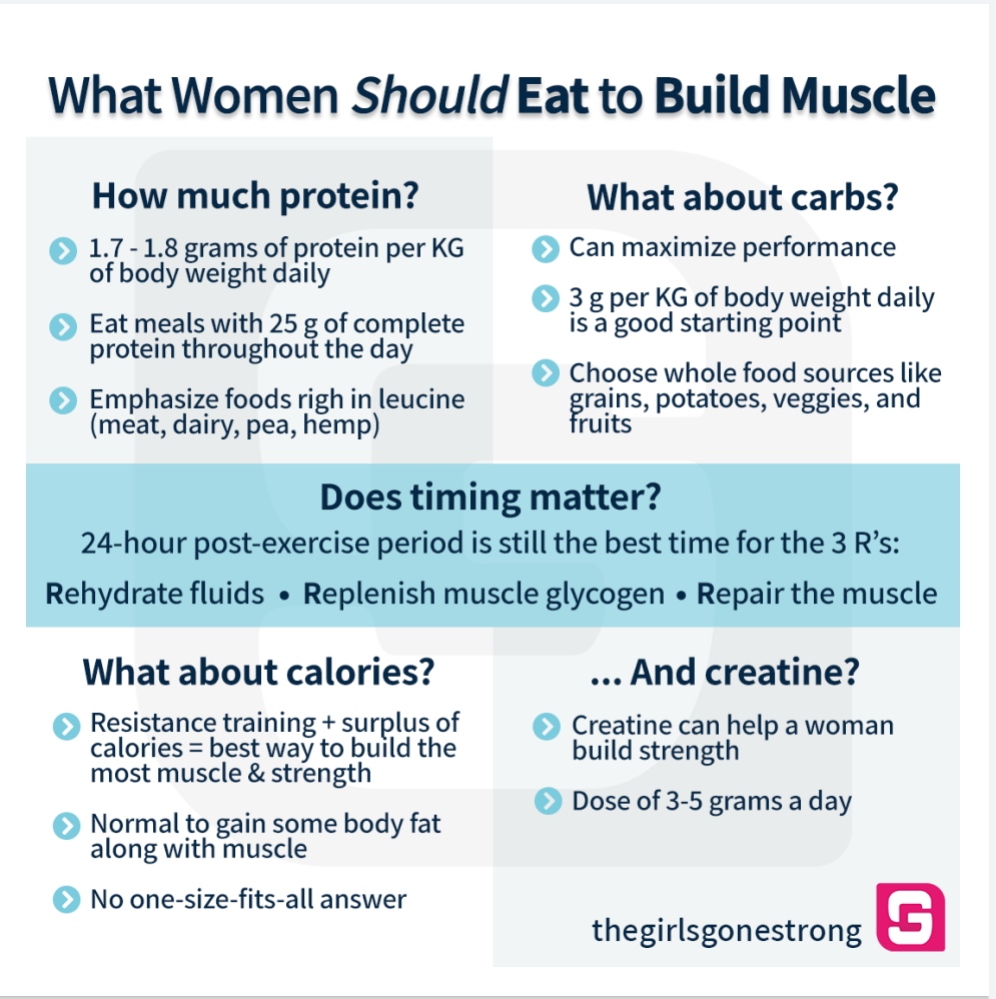
Credit: www.facebook.com
Frequently Asked Questions
How Many Carbs Should I Eat To Build Muscle?
Consume 3-5 grams of carbohydrates per kilogram of body weight daily to effectively build muscle. Focus on complex carbs like whole grains, fruits, and vegetables for sustained energy. Adjust intake based on activity level and body composition goals to optimize muscle growth.
What Are Carbs’ Role In Muscle Building?
Carbs provide energy for workouts, aiding muscle growth. They replenish glycogen stores post-exercise, boosting recovery. Consuming adequate carbs ensures optimal performance and supports muscle-building processes. Balancing carbs with protein helps maximize muscle gains.
How Many Carbs Should I Consume Daily?
Aim for 3 to 5 grams of carbs per kilogram of body weight. This varies based on activity level and individual goals. Adjust intake according to energy needs and workout intensity. Consult a nutritionist for personalized recommendations.
Can Low-carb Diets Hinder Muscle Growth?
Yes, low-carb diets can limit muscle growth by reducing energy availability. Adequate carb intake supports workout intensity and recovery. Insufficient carbs might lead to fatigue and decreased performance. Balancing carbs with other nutrients is crucial for muscle development.
Conclusion
Eating carbs is vital for muscle growth. Start with the right amount. Adjust based on your body’s needs. Listen to your body’s signals. Energy levels matter. Experiment with different carb sources. Whole grains, fruits, and vegetables. Balance with protein and fats.
Everyone is different. Find what works best for you. Stay consistent with your diet. Monitor your progress regularly. Keep learning and tweaking your plan. Building muscle takes time and effort. Stay patient and focused. Your journey to muscle growth is unique.
Craft it with care.