Are you gearing up for a workout and wondering about the weight of gym bars? Knowing the weight of gym bars is crucial, whether you’re a seasoned weightlifter or just starting out.
It can impact your performance and help you track your progress more accurately. But with so many different types of bars available, it can be confusing to figure out which one is right for you. Don’t worry; you’re not alone in this! By the end of this article, you will have a clear understanding of how much gym bars weigh and how to choose the right one for your fitness goals.
Keep reading to find out how this knowledge can enhance your workout experience and help you achieve the results you desire.

Credit: www.reddit.com
Types Of Gym Bars
Understanding the weight of gym bars is essential for effective workouts. Standard Olympic bars weigh about 45 pounds. Meanwhile, smaller bars like curl bars typically weigh around 20 pounds.
When stepping into a gym, the variety of bars can be overwhelming. Each bar serves a unique purpose. Their weights can differ. Understanding these types helps in selecting the right one for your workout. Let’s dive into the different types of gym bars.Standard Barbell
The standard barbell is common in most gyms. It typically weighs around 20 pounds. This bar is ideal for beginners. It helps in basic weight lifting exercises. Its size fits most standard weight plates. This makes it versatile for various workouts.Olympic Barbell
The Olympic barbell is heavier. It usually weighs 45 pounds. Athletes use it for competitions. It is longer and more durable. This bar is perfect for serious lifters. It supports heavy weights. The sleeves rotate, reducing wrist strain.Ez Curl Bar
The EZ curl bar is unique. It has a zigzag shape. This design eases wrist tension. It typically weighs around 18 pounds. Lifters use it for arm exercises. It’s great for curls and triceps extensions. The shape offers a comfortable grip.Trap Bar
The trap bar is hexagonal. It allows you to stand inside it. This bar weighs about 45 pounds. It’s used for deadlifts and shrugs. The design reduces back strain. It helps maintain proper posture during lifts. Lifters find it useful for lower body workouts.Safety Squat Bar
The safety squat bar is specialized. It has padded shoulders. This bar weighs approximately 60 pounds. It helps with squat exercises. The design shifts the weight forward. This reduces shoulder strain. It’s suitable for lifters with shoulder issues. The handles provide extra grip.Weight Specifications
Understanding the weight specifications of gym bars is essential for anyone looking to enhance their strength training routine. These bars are not just metal rods; they are meticulously crafted tools designed to meet various fitness needs. Knowing their weight can help you select the right bar for your workouts, ensuring safety and effectiveness.
Standard Barbell Weights
Standard barbells are commonly found in home gyms and are typically lighter than their Olympic counterparts. They usually weigh around 20 pounds (9 kg). Due to their lighter weight, they are ideal for beginners or those focusing on high-repetition exercises.
Olympic Barbell Weights
Olympic barbells are the gold standard in weightlifting, used in competitions worldwide. These bars weigh 45 pounds (20 kg) for men and 33 pounds (15 kg) for women. Their robust construction supports heavy lifts, making them perfect for serious lifters aiming to increase their load progressively.
Ez Curl Bar Weights
The EZ curl bar is a favorite for arm workouts, offering a unique angled grip. This design reduces wrist strain during exercises like curls and skull crushers. These bars typically weigh between 15 and 25 pounds (7 to 11 kg), making them versatile for various strength levels.
Trap Bar Weights
Trap bars, also known as hex bars, are excellent for deadlifts and shrugs. They allow you to stand inside the bar, promoting a more natural lifting posture. Most trap bars weigh around 50 to 75 pounds (23 to 34 kg), providing a solid foundation for explosive lifts.
Safety Squat Bar Weights
The safety squat bar is designed to alleviate shoulder pressure during squats. With padded shoulder rests and a balanced center of gravity, it offers a safer alternative for those with shoulder mobility issues. These bars generally weigh about 60 to 70 pounds (27 to 32 kg), slightly heavier than standard barbells.
Choosing the right bar for your workout can significantly impact your progress. Have you considered how the weight of your bar might be affecting your performance? Next time you hit the gym, take a moment to assess your bar’s weight and how it aligns with your fitness goals.
Materials And Construction
Understanding how much gym bars weigh involves knowing the materials and construction behind them. The composition, coating, and knurling patterns all impact the weight and feel of the bar. Let’s explore these elements to give you a better grasp of what makes your gym bar unique.
Steel Composition
Most gym bars are made from steel, but not all steel is created equal. The type of steel used affects the bar’s weight, flexibility, and durability.
For instance, Olympic bars typically use high-grade steel to withstand heavy lifting and repeated use. This makes them slightly heavier but incredibly reliable.
Have you ever wondered why your bar feels solid during a lift? It’s the steel composition working its magic, ensuring you get the most out of your workout.
Coating And Finish
The coating on a gym bar doesn’t just provide a sleek look; it influences weight and grip. Common coatings include chrome, zinc, and black oxide.
Each coating offers different benefits, like rust resistance or added grip. A chrome finish might add a bit of weight but provides excellent protection against wear.
Think about the last time you used a bar with a slippery finish. Did it impact your performance? The right coating can make or break your lifting experience.
Knurling Patterns
Knurling patterns are those textured grips on a bar, crucial for preventing slips during heavy lifts. The depth and style of knurling can vary significantly.
Deep knurling provides a firmer grip, which might add a slight weight due to the additional material used. A powerlifting bar often features aggressive knurling for maximum control.
Next time you pick up a bar, pay attention to the knurling pattern. Does it help you grip better or make it harder to hold? This small detail can significantly influence your workout quality.
Factors Affecting Bar Weight
Understanding how much gym bars weigh can be tricky. Different factors affect their weight. These include manufacturing variations, design differences, and purpose and use. Each factor plays a role in determining the bar’s weight. Let’s explore these factors to understand their impact.
Manufacturing Variations
Manufacturers use different materials to make gym bars. Steel is common, but its quality may vary. Higher quality steel often weighs more. Production processes also affect weight. Some bars undergo more treatments, adding to their weight.
Design Differences
The design of a gym bar influences its weight. Olympic bars have specific features that increase weight. These include knurling patterns and collar lengths. Standard bars may lack these features, making them lighter.
Purpose And Use
Gym bars are designed for specific exercises. Powerlifting bars are heavier for stability. They support heavy weights safely. Lighter bars suit beginners for learning form. Their lighter weight aids in practice without strain.
Choosing The Right Bar
Gym bars come in various weights, affecting your workout. Standard bars weigh around 45 pounds, while smaller ones can be 35 pounds or less. Consider your fitness level and goals when selecting the right bar for your routine.
Choosing the right gym bar can significantly impact your workout experience and progress. Whether you’re new to lifting or an experienced athlete, selecting the appropriate bar involves considering several key factors. Let’s break down what you need to think about when picking the perfect gym bar.Fitness Goals
Your fitness goals should play a major role in determining which gym bar to choose. Are you focusing on building strength, increasing endurance, or enhancing flexibility? For instance, if strength building is your primary goal, an Olympic barbell, which typically weighs 45 pounds, might be ideal due to its durability and weight capacity. Consider your workout routine and what you aim to achieve. A lighter bar could be beneficial for high-repetition exercises, while a heavier bar might be more suitable for maxing out on lifts. Aligning the bar’s features with your goals ensures more efficient workouts.Lifting Experience
Your level of experience with lifting should influence your bar choice. Beginners might start with a lighter bar, like a standard barbell, which usually weighs around 20 pounds. This allows you to focus on form and technique without being overwhelmed by the weight. As you gain experience, you might progress to heavier bars to challenge your muscles more. Experienced lifters often prefer specialized bars, like the hex bar, for specific exercises. Reflect on your journey and select a bar that matches your comfort and skill level.Budget Considerations
Budget is a practical consideration when choosing a gym bar. Prices can vary widely, from affordable options to high-end models with advanced features. Determine how much you are willing to invest in your fitness equipment. Think about the longevity and quality of the bar. Sometimes spending a little more initially can save money in the long run if the bar is durable and versatile. Weigh the cost against the benefits and decide what fits best within your financial plan. Choosing the right gym bar involves more than just looking at weight. By considering your fitness goals, lifting experience, and budget, you can make an informed decision that enhances your workout routine. What are your priorities when selecting gym equipment?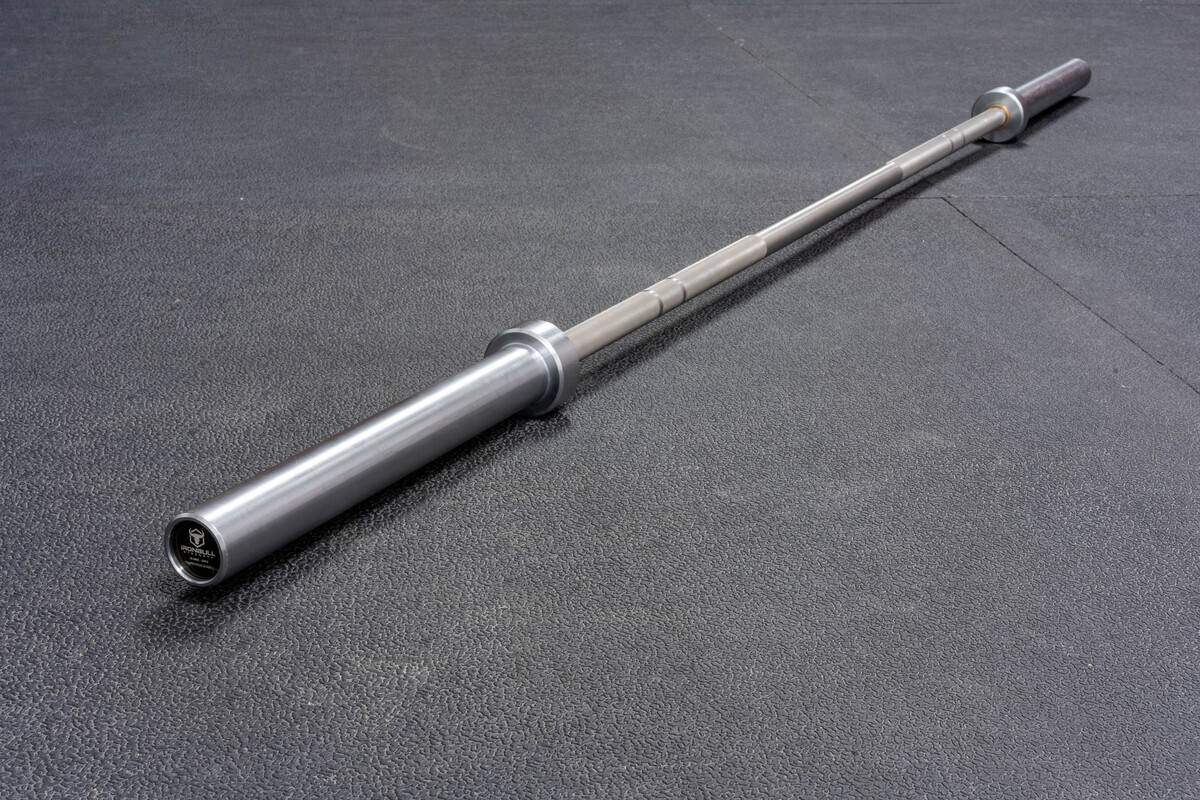
Credit: ironbullstrength.com
Popular Brands And Models
Gym bars come in various weights and designs. Popular brands offer different models catering to diverse fitness needs. Understanding these brands and their offerings can help you choose the right gym bar.
Rogue Fitness
Rogue Fitness is known for its quality and durability. Their gym bars range from 15 kg to 20 kg. The Rogue Ohio Bar is a favorite among lifters. It weighs 20 kg and is crafted from stainless steel. This bar is suitable for both powerlifting and weightlifting.
Eleiko
Eleiko bars are a top choice for professionals. The Eleiko IWF Weightlifting Bar weighs 20 kg. It meets international competition standards. Known for its precision and reliability, this bar is ideal for serious lifters. The brand also offers 15 kg bars for lighter training.
Titan Fitness
Titan Fitness provides affordable gym equipment. Their bars range from 15 kg to 20 kg. The Titan Fitness Olympic Barbell is popular among home gym users. It weighs 20 kg and offers excellent grip. This bar is perfect for beginners and intermediate lifters.
York Barbell
York Barbell has a long history in weight training. Their bars typically weigh 20 kg. The York Olympic Training Bar is a classic choice. It is known for its durability and smooth finish. This bar supports a variety of exercises, making it versatile for any workout routine.
Care And Maintenance
Proper care and maintenance of your gym bars can significantly extend their lifespan and ensure safety during workouts. Neglecting these aspects could lead to compromised equipment, posing risks to your health and fitness journey. Let’s dive into practical steps to keep your gym bars in top shape, so you can focus on achieving your goals.
Cleaning Techniques
Keeping your gym bars clean is crucial to prevent rust and maintain hygiene. After each workout, wipe down the bars with a cloth dampened with a mild soap solution. This removes sweat and moisture that can lead to corrosion.
For stubborn dirt and grime, use a soft-bristle brush. Scrub gently to avoid scratching the metal surface. Consider using a mixture of vinegar and water for a deeper clean; vinegar is effective in breaking down tough residues.
Don’t forget to dry the bars thoroughly after cleaning. Moisture left on the surface can hasten rust formation.
Storage Tips
Storing gym bars correctly is essential to prevent damage. Always store them in a dry place to avoid exposure to humidity, which can lead to rust.
Use wall mounts or racks designed for gym bars. These keep the bars off the ground and prevent bending or warping. Avoid stacking heavy items on top of stored bars.
Consider climate-controlled storage if your gym is in a basement or garage. This regulates temperature and humidity levels, preserving your equipment’s integrity.
Regular Inspections
Regularly inspecting your gym bars ensures they remain safe for use. Look for signs of rust, which can compromise the bar’s strength. If detected early, you can address it with appropriate cleaning techniques.
Check for bends or cracks. These are serious issues that could lead to equipment failure during use. If you find such defects, it might be time to replace the bar.
Inspect the knurling for wear and tear. Smooth patches can affect your grip during exercises, potentially leading to injuries. Ask yourself: are you using the bar correctly, or is it time for a new one?

Credit: www.reddit.com
Frequently Asked Questions
How Much Does A Gym Bar Weigh?
A standard Olympic gym bar typically weighs 45 pounds (20. 4 kg). Some specialty bars may differ in weight. Always check the specifications of the bar you use for accuracy. This ensures proper training and safety during workouts.
Do All Gym Bars Weigh 45 Pounds?
Not all gym bars weigh 45 pounds. Standard Olympic bars typically weigh 45 pounds. Specialty bars, like EZ curl bars or women’s Olympic bars, can weigh less. Always check the weight of each bar at your gym for accuracy.
How Much Do Regular Gym Bars Weigh?
Standard gym bars typically weigh 45 pounds (20 kilograms). Some lighter bars weigh around 35 pounds (15 kilograms). Always check the specific bar weight at your gym for accuracy.
Are All Gym Bars 45 Pounds?
Not all gym bars weigh 45 pounds. Standard Olympic bars do, but other types vary in weight. Check specific bar weight details before use.
Conclusion
Gym bars come in various weights. Choosing the right one is crucial. Beginners should start with lighter bars. Experienced lifters might prefer heavier options. Understanding each bar’s weight helps tailor workouts. It can improve safety and efficiency. Always check the weight before lifting.
This ensures you pick the right one for your goals. Remember, each gym’s equipment might differ. Ask staff if unsure about weights. This knowledge empowers better workout choices. Make informed decisions for your fitness journey. Stay consistent, and progress will follow.
Happy lifting!