Ever found yourself staring at the barbell in the gym, wondering just how much it weighs before you even start adding those plates? You’re not alone.
Understanding the weight of a bar is crucial for tracking your progress and ensuring you’re lifting safely. Whether you’re a gym newbie or a seasoned lifter, knowing the exact weight can make all the difference in your workout routine. Stick around as we delve into the world of gym equipment, unraveling the mystery behind those bars.
By the end of this article, you’ll have the knowledge to confidently tackle your next lift with precision. Curious to find out more? Let’s dive in!
Standard Barbell Weight
Walking into a gym, the barbell is a familiar sight. But how much does a standard barbell weigh? This common question crosses many gym-goers’ minds. Understanding the weight of a barbell is crucial for effective training. The weight can vary depending on the type of barbell. Let’s dive into the specifics of each type.
Olympic Barbell
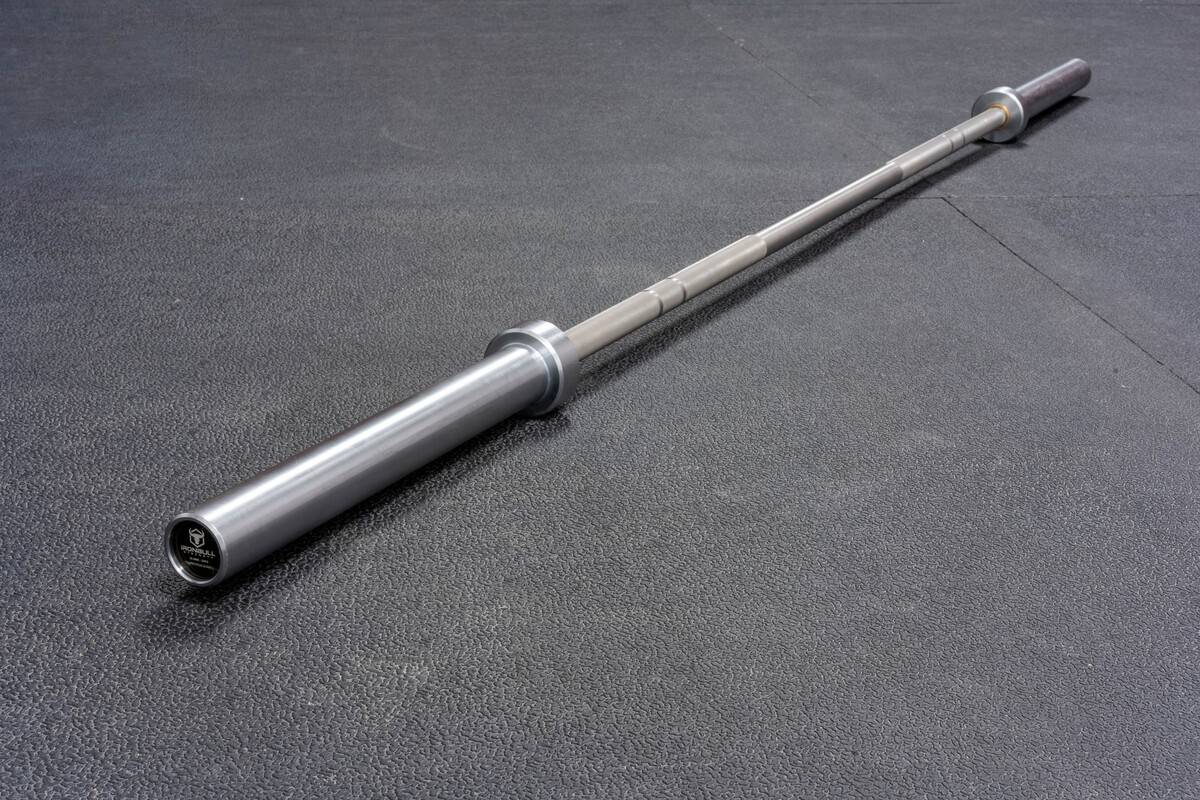
The Olympic barbell is widely used in competitions. It weighs 20 kilograms or 44 pounds. This barbell is 7 feet long. It has a diameter designed for a firm grip. The ends of the bar rotate. This feature helps in lifting heavy weights smoothly. It is the standard in weightlifting competitions worldwide.
Powerlifting Barbell
Powerlifting barbells are specialized for strength training. This barbell also weighs 20 kilograms or 44 pounds. It has a rigid construction. The grip is knurled for maximum traction. The ends of this bar do not rotate like Olympic bars. This makes it ideal for heavy lifts like squats and deadlifts.
Training Barbell
Training barbells cater to beginners. These barbells can weigh as little as 15 kilograms or 33 pounds. They help users learn proper form without straining. Training barbells are shorter and lighter. They provide a manageable start for newcomers. This makes them perfect for gym newcomers.
Credit: www.reddit.com
Specialty Bars
Specialty bars offer unique benefits in the gym. Each serves a specific function. They come in various shapes and weights. These bars often target specific muscle groups. Understanding their weight helps in planning workouts.
Curl Bar
The curl bar is perfect for arm exercises. It is shorter than a standard barbell. Typically, it weighs around 20 pounds. Its shape helps reduce wrist strain. The design targets biceps and triceps effectively.
Safety Squat Bar
The safety squat bar supports the upper body. It has padded shoulders for comfort. This bar usually weighs about 60 to 70 pounds. It helps maintain a stable posture during squats. Perfect for lifters with shoulder issues.
Trap Bar
The trap bar is hexagonal in shape. It is excellent for deadlifts and shrugs. Generally, it weighs around 45 pounds. Users stand inside the bar for balance. This design reduces back stress during lifts.
Bar Weight Variations
Understanding the weight of a bar in the gym is essential. It helps in planning workouts and tracking progress. Not all bars weigh the same. Different types of bars serve different purposes. Let’s explore these variations and what they mean for your training.
Competition Vs. Training
Competition bars are often used in official weightlifting events. They have strict standards for weight and dimensions. Typically, a men’s competition bar weighs 20 kilograms, or about 44 pounds. Women’s bars weigh 15 kilograms, around 33 pounds. Training bars, on the other hand, may vary more. They might weigh less to accommodate beginners. Some training bars weigh 10 kilograms or even less.
Materials And Construction
The materials used in a bar’s construction affect its weight. Steel is the most common material for gym bars. It offers durability and strength. Some bars are made of aluminum for lighter weight. This is helpful for new lifters or those recovering from injuries. The construction also affects the bar’s weight. Hollow bars weigh less than solid ones. This makes them easier to handle for beginners.

Credit: www.reddit.com
Considering Bar Weight In Workouts
Understanding how much a bar weighs is crucial for gym workouts. Many gym-goers often overlook this factor. Bar weight can impact overall lifting performance. Standard Olympic bars weigh 45 pounds. But other bars can vary in weight. Knowing the exact weight helps plan workouts better.
Impact On Lift Technique
Bar weight affects lift technique. Heavier bars require more strength and stability. Lifting with incorrect weight can lead to injury. Proper technique ensures safe and effective workouts. Knowing the bar weight aids in maintaining form. Beginners should focus on mastering technique first.
Adjusting Weight Calculations
Accurate weight calculations include bar weight. Miscalculations can result in uneven workouts. Always add the bar weight to the total load. This ensures consistency in training. It helps track progress effectively. Calculating weights accurately prevents overloading the muscles.
Choosing The Right Bar
Choosing the right bar for your gym routine can make all the difference in reaching your fitness goals. Whether you’re lifting for strength, endurance, or muscle growth, the type of bar you use can impact your performance and results. Let’s break down what you need to consider when selecting the perfect bar for your workout.
Goals And Preferences
Understanding your fitness goals is crucial when choosing a bar. Are you focusing on powerlifting, Olympic lifting, or general fitness? Each discipline may require different types of bars. A powerlifting bar is typically heavier and designed to handle more weight, while an Olympic bar offers more flexibility and whip for dynamic lifts.
Your personal preferences also play a role. Some people prefer a bar with a more aggressive knurl for better grip. Others might opt for a smoother knurl to avoid discomfort during high-rep sets. Consider what feels best in your hands and aligns with your workout style.
Gym Equipment Availability
The availability of gym equipment can influence your choice. If your gym has a limited selection, you might have to adapt your workouts to what’s available. Having a few different bars to choose from can provide variety and help target different muscle groups more effectively.
Take note of the bar weights available at your gym. Standard bars typically weigh 45 pounds, but there are lighter options for beginners or those focusing on technique. If your gym offers specialty bars like hex or safety squat bars, consider experimenting with them to diversify your training regimen.
Have you ever had a moment in the gym where you realized your goals were hindered by using the wrong equipment? Finding the right bar can be your first step to overcoming that obstacle. What type of bar do you think would best suit your needs?

Credit: www.facebook.com
Frequently Asked Questions
Are All Gym Bars 45 Pounds?
Not all gym bars weigh 45 pounds. Standard Olympic bars are typically 45 pounds, but others can vary. Curl bars, training bars, and specialty bars may differ in weight. Always check the specific bar’s weight before lifting to ensure accuracy and safety.
Is The Bar At Planet Fitness 45 Pounds?
Yes, the standard barbell at Planet Fitness typically weighs 45 pounds. Always confirm with gym staff for accuracy.
How Heavy Is The Bar Alone At The Gym?
The standard Olympic barbell at the gym weighs 45 pounds (20. 4 kilograms). Some gyms may have lighter bars, such as training or technique bars, which can weigh around 15 to 35 pounds. Always check the bar’s weight before lifting to ensure accuracy and safety during workouts.
How Heavy Is The Ez Bar At The Gym?
The weight of an EZ bar varies by brand and type. Standard EZ bars typically weigh around 15-25 pounds. Always check the specific bar’s weight at your gym for accuracy. They are designed for comfort during curls and other exercises.
Conclusion
Understanding gym bar weights helps improve your workout routine. Different bars serve different purposes. Standard bars usually weigh around 45 pounds. Smaller bars often weigh less. Knowing this helps you choose the right bar for your strength level. Accurate weights ensure effective and safe training.
Always check bar weights before lifting. This way, you can plan your exercises better. Stay informed and lift smarter. This knowledge makes your gym time more productive. Happy lifting!