Are you dreaming of creating your own personal fitness haven at home or thinking about setting up a commercial gym? One of the first questions that might cross your mind is, “How much does a full gym equipment cost?”
Understanding the costs involved is crucial whether you’re a fitness enthusiast or an aspiring gym owner. Investing wisely can save you money and ensure you get the best value for your budget. In this guide, we’ll break down the costs and explore the factors that can influence your investment.
From treadmills to dumbbells, we’ll cover what you need to know before swiping your card. Curious about how to maximize your savings while getting top-quality equipment? Read on to discover insights that could transform your fitness dreams into reality without breaking the bank.
Factors Affecting Gym Equipment Costs
Several factors impact gym equipment costs. Quality and brand significantly influence price. Additional expenses arise from features and technology enhancements, affecting the total cost of a full gym setup.
When planning to set up a gym, one of the first questions that come to mind is the cost of the equipment. The price tag can vary significantly based on several factors. Understanding these elements can help you make smarter choices and possibly save money without compromising on quality. Let’s dive into what affects gym equipment costs.Quality And Brand
The quality and brand of the equipment play a massive role in pricing. High-end brands often command higher prices because they offer superior durability and advanced features. But ask yourself—do you need every bell and whistle, or will a basic version suffice? Opting for recognized brands can ensure reliability, but sometimes a lesser-known brand with good reviews can offer similar quality at a fraction of the cost. A friend of mine once purchased a premium treadmill for his home gym, only to find a comparable one for half the price from a lesser-known brand. The key is to read reviews and maybe even test the equipment, if possible.Type Of Equipment
The type of equipment you need will also affect costs. Cardiovascular machines like treadmills and ellipticals are usually more expensive than free weights or resistance bands. Consider what type of gym you’re aiming to set up. If you’re focused on strength training, investing in a good set of weights might be more cost-effective than buying several cardio machines. Alternatively, if cardio is the main focus, perhaps a single high-quality treadmill would be sufficient.New Vs. Used Equipment
Buying new equipment can offer peace of mind with warranties and the latest features. However, used equipment can be a budget-friendly alternative. Think about your priorities. Is having the latest model important to you, or are you okay with a slightly older version that still gets the job done? Many gyms sell off old equipment that’s still in great condition to make room for new inventory. This could be a hidden gem for your budget.Location And Shipping Costs
Your location can significantly impact how much you pay for gym equipment. Shipping costs can be hefty, especially for larger items. Consider local options first to save on shipping. When I was setting up my home gym, I found a great deal on a weight set, but the shipping cost almost doubled the price. I ended up finding a similar set locally, which saved me a considerable amount of money. Have you factored in these considerations while budgeting for your gym equipment? Making a checklist of what you truly need versus what would be nice to have can help you make informed decisions.
Credit: www.gymstarters.com
Essential Gym Equipment
Setting up a home gym or upgrading your commercial space can be a thrilling venture. You envision the energy, the sweat, and the achievements. But then comes the big question: How much does it cost? Before diving into specifics, it’s crucial to grasp the essentials. There’s a core set of gym equipment that forms the backbone of any effective workout space. These essentials ensure you cover cardio, strength, and functional training efficiently.
Cardio Machines
Cardio machines are the heartbeat of any gym. They keep your endurance levels high and your heart healthy. Think treadmills, stationary bikes, or elliptical trainers. Each offers distinct benefits, but they share one thing: they get your heart pumping.
A quality treadmill might set you back around $1,000 to $3,000. But if running isn’t your thing, a stationary bike can be your go-to at a slightly lower price. Ever wondered if these machines are worth it? Picture this: A rainy day, and you’re still getting your miles in. That convenience pays off.
Strength Training Equipment
Strength training is where you sculpt, tone, and build muscle. Essential pieces here include weight benches, squat racks, and multi-gym stations. They allow you to perform a variety of exercises without needing a dozen machines.
A good multi-gym station can range from $500 to $2,500. It’s a versatile investment that saves space and money. Why have multiple pieces when one can do it all? Plus, you can target every muscle group efficiently.
Free Weights
Free weights are often the unsung heroes of any gym. Dumbbells, barbells, and kettlebells are versatile tools that offer dynamic workouts. They’re perfect for both beginners and seasoned athletes.
Sets of dumbbells can start at $200 and go up based on weight increments. Barbells and weight plates might cost around $300 to $600. They might seem hefty, but their adaptability is unmatched. Ever tried a kettlebell swing? It’s a full-body workout in one move.
Functional Training Tools
Functional training tools are for those who want to add a bit more variety. Medicine balls, resistance bands, and battle ropes fall into this category. They help improve coordination, balance, and strength.
A set of resistance bands might cost $20 to $50, while battle ropes could be around $100. These tools are small but mighty. They’re perfect for quick workouts or adding intensity to regular routines. Have you ever tried a medicine ball slam? It’s a stress reliever with a punch.
Now, take a moment to reflect: What’s your priority? Cardio, strength, or functional? Each has its cost, but investing wisely can transform your fitness journey. Remember, it’s not just about the price tag but the value and results you gain. So, are you ready to equip your gym?
Average Price Ranges
Curious about gym equipment costs? A full set can range from $1,000 to $10,000, depending on brand and quality. High-end machines and weights increase the price significantly. For budget-friendly options, consider used equipment or starter kits.
When considering the cost of setting up a home gym, it’s essential to understand the average price ranges for full gym equipment. Prices can vary widely based on the type and quality of the equipment. Whether you’re on a tight budget or ready to splurge, knowing what to expect can help you make informed decisions.Budget-friendly Options
If you’re looking to save money, you can set up a basic gym for under $500. Think resistance bands, basic dumbbells, and a yoga mat. These items offer great versatility without breaking the bank. You might even find second-hand equipment on platforms like Craigslist or Facebook Marketplace. Always ensure the equipment is in good condition before purchasing. Consider starting with essentials and gradually adding more as your budget allows. What equipment could you start with today?Mid-range Choices
For those with a bit more to spend, mid-range options are available, typically between $500 to $2000. Here, you can include equipment like adjustable dumbbells, a sturdy bench, and a quality treadmill. This range allows you to create a more rounded gym experience at home. You might opt for brands known for durability and reliability, offering a good balance between cost and quality. Imagine having all the tools you need for a comprehensive workout without leaving your house. Is this worth the investment for you?High-end Equipment
If your budget is flexible, you can opt for high-end equipment, starting from $2000 and going upwards. Think commercial-grade machines, like a top-tier elliptical or a smart exercise bike. Investing in high-end gear often means better warranties and advanced features. These might include digital displays, connectivity options, and superior build quality. For those who see fitness as a long-term commitment, high-end equipment can be a worthwhile investment. How much is premium quality and advanced features worth to you? Understanding these price ranges can help you align your fitness goals with your budget. Remember, the best gym is one that suits your needs and keeps you motivated. What are you waiting for? Start planning your dream gym today!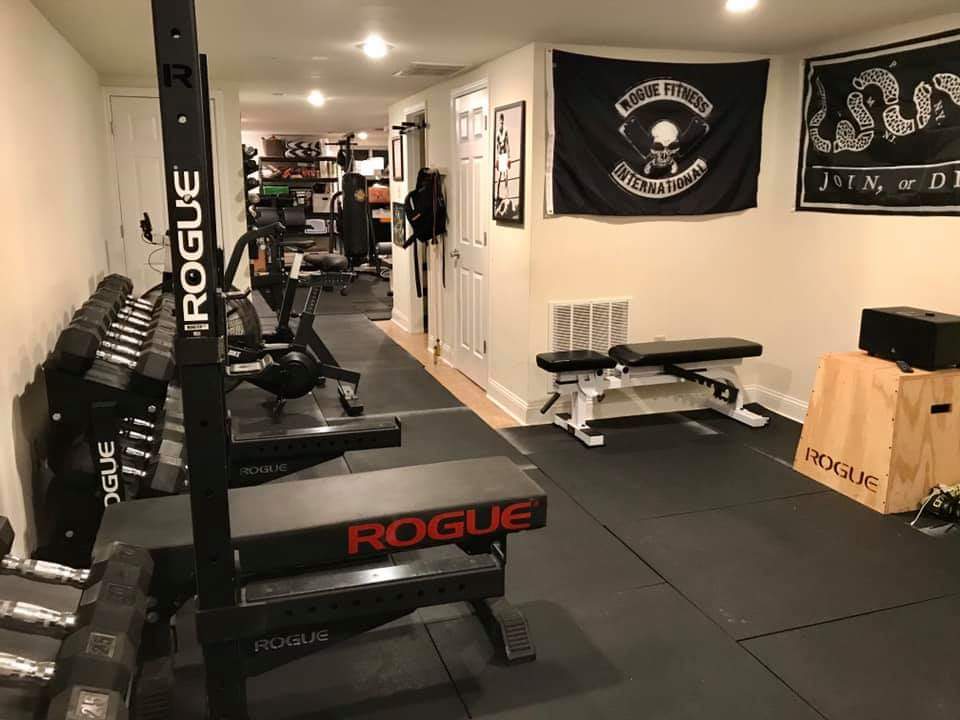
Credit: www.garagegymreviews.com
Additional Costs To Consider
Consider delivery fees and assembly charges for gym equipment. Maintenance costs and repairs can add to the budget. Insurance may protect your investment.
When you’re planning to set up a home gym, the price tag on the equipment is just the tip of the iceberg. Beyond the obvious costs, there are additional expenses that can catch you by surprise. These costs can add up quickly and impact your budget significantly. Let’s dive into some of these often-overlooked expenses to help you make a fully informed decision.Maintenance And Repair
Keeping your gym equipment in top shape requires regular maintenance. Think about the treadmill belt that might need replacing or the elliptical that requires lubrication. These small repairs can add up over time, affecting your overall budget. Consider scheduling routine maintenance checks. This can prevent larger, more expensive repairs in the future. It’s a proactive step to ensure your equipment lasts longer and operates safely.Installation Fees
Have you thought about how you’ll get that heavy equipment into your home? Installation can be an unexpected cost if you’re not prepared. Hiring professionals might seem costly, but it ensures your equipment is set up correctly and safely. Imagine trying to assemble a multi-gym system on your own. The instructions can be daunting, and improper setup can lead to equipment damage or injury. Investing in professional installation can save you time and potential headaches.Warranty And Insurance
Warranties might sound like an additional expense, but they can be a lifesaver. They protect you from unforeseen equipment failures and costly repairs. Check if the warranty covers parts and labor for an extended period. Insurance is another layer of protection for your investment. Consider if your home insurance policy covers gym equipment. If not, think about adding it to ensure you’re covered in case of theft or damage. Have you accounted for these additional expenses in your budget? Ensuring you understand these costs can help you avoid financial strain and enjoy your home gym to the fullest.Cost-saving Strategies
Estimating the cost of full gym equipment involves several factors. Prices vary based on brand, quality, and quantity. Basic setups might start around $1,000, while premium collections can exceed $5,000. Careful planning and comparison can help save money.
Investing in gym equipment can be a significant financial commitment, but you don’t have to break the bank to build your fitness haven. There are several cost-saving strategies that can help you equip your gym without overspending. By being strategic and resourceful, you can make your dream gym a reality while keeping your budget in check.Buying In Bulk
Purchasing gym equipment in bulk can lead to substantial savings. When you buy multiple pieces from the same supplier, you often get discounts that aren’t available for single-item purchases. Think of it like buying a membership for a year rather than month-to-month; the initial outlay might be more, but the overall savings are worth it. Consider teaming up with other fitness enthusiasts or local trainers to place a larger order. This way, everyone benefits from the reduced prices. It’s a win-win situation that brings the community together and saves money.Considering Used Equipment
Used gym equipment is an excellent way to cut costs while still getting high-quality machines. Many gyms upgrade their equipment regularly, leaving perfectly good machines available for resale. You can find these through online marketplaces, local gyms, or specialty fitness equipment stores. Before purchasing used equipment, ensure it’s in good working order. Test it out if possible, and don’t hesitate to ask the seller questions about its history and maintenance. Quality should never be compromised, even when saving money.Negotiating With Suppliers
Negotiation is a powerful tool when purchasing gym equipment. Suppliers often have some wiggle room in their pricing, especially if you’re buying multiple items or high-ticket pieces. Approach them with a clear understanding of what you want and your budget constraints. Don’t be afraid to ask for discounts, free delivery, or even additional services like installation. The worst they can say is no, but more often than not, you’ll find suppliers willing to work with you. After all, securing a sale is better for them than losing a potential customer. Are you ready to start building your budget-friendly gym? Remember, it’s not just about spending less but making smart choices that bring the most value to your fitness space.
Credit: realleaderfitness.en.made-in-china.com
Comparing Online And In-store Purchases
Deciding between online and in-store purchases for gym equipment can be confusing. Each option offers different experiences and benefits. Understanding these differences helps in making the right choice. With the right information, buying gym equipment becomes easier.
Pros And Cons Of Online Shopping
Online shopping offers convenience. Browse and buy from home. No need to travel. There’s often a wider selection. Compare prices quickly. Read reviews from other buyers. Discounts and deals are frequent.
But there are drawbacks too. You can’t test equipment before buying. Returns can be complicated. Shipping costs may add up. Delivery times vary. Some online stores lack customer service.
Benefits Of In-store Purchases
In-store shopping allows hands-on testing. Feel the equipment before buying. Knowledgeable staff can provide guidance. Immediate purchase and take home. No waiting for delivery.
Stores may offer assembly services. You can see the quality firsthand. Some stores provide ongoing support. In-person purchases can be more reassuring.
Frequently Asked Questions
How Much Does It Cost To Fully Equip A Gym?
Equipping a gym costs between $10,000 to $100,000, depending on size, equipment quality, and brand choices. Budget options exist for smaller gyms. High-end facilities may require more investment. Consider factors like flooring, mirrors, and accessories for a complete setup.
How Much To Build A Full Gym?
Building a full gym typically costs between $50,000 to $500,000. Costs vary based on equipment, space, and amenities. Budget planning is crucial for quality and sustainability. Consider location, size, and brand preferences to estimate expenses accurately. Prioritize essential equipment to manage costs effectively.
How Much Do Gyms Usually Cost?
Gym membership costs typically range from $30 to $100 monthly. Prices vary based on location, amenities, and membership type. Discounts may be available for students or long-term commitments. Check for promotions to save on fees. Always compare multiple gyms to find the best deal for your budget.
What Is The Average Cost Of Owning A Gym Per Month?
The average monthly cost of owning a gym ranges from $5,000 to $15,000. Expenses include rent, equipment, utilities, salaries, and maintenance. Costs vary based on location, size, and amenities offered. Proper budgeting and financial management are essential for profitability.
Conclusion
Choosing the right gym equipment fits your budget and needs. Prices vary based on brand and quality. Basic setups cost less. Advanced equipment can be pricey. Research helps find good deals. Consider used equipment for savings. Balance quality and cost for the best results.
A smart purchase brings fitness goals closer. Plan wisely and stay within budget. Investing in the right equipment pays off over time. Fitness becomes more accessible and enjoyable at home. Equip your gym wisely and embrace a healthier lifestyle.