Are you considering installing a gym floor but unsure about the cost? The price of a gym floor can vary significantly based on several factors.
Understanding these can help you make an informed decision and ensure you get the best value for your investment. Whether you’re looking to upgrade a small home gym or outfit a large commercial space, knowing the costs upfront is crucial.
Imagine walking into your gym and feeling the perfect floor beneath your feet, tailored to your needs and budget. This article will break down the key factors that affect gym floor costs, helping you to plan effectively and avoid unexpected expenses. Dive in, and discover what you need to know to make your gym floor dreams a reality.
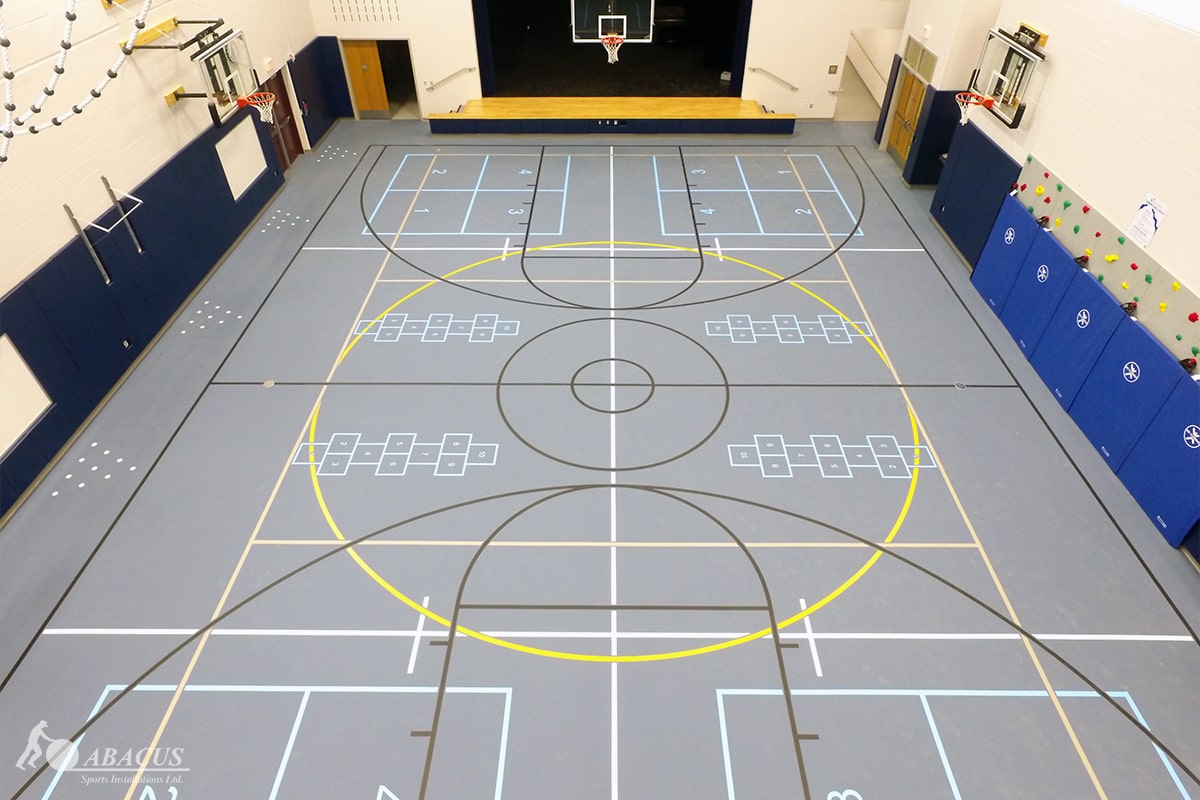
Credit: www.abacussports.com
Factors Affecting Gym Floor Costs
Gym floor costs depend on material type, installation complexity, and maintenance needs. Rubber, wood, and vinyl floors vary in price. Custom designs and labor also influence the overall cost.
Understanding the factors that affect gym floor costs can save you both time and money. Whether you’re setting up a home gym or managing a commercial fitness center, knowing what influences these expenses is crucial. Let’s dive into the key elements that determine how much you might end up spending on your gym floor.Type Of Flooring Material
The type of flooring material you choose significantly impacts the overall cost. Rubber flooring is popular due to its durability and shock absorption but can be pricey. On the other hand, foam tiles are budget-friendly but might wear out quickly if used for heavy equipment. Have you considered vinyl? It’s a middle-ground option offering both resilience and affordability. Your choice should align with the gym’s purpose—are you hosting yoga classes or high-intensity weightlifting? Your gym’s activities will guide your material decision.Size Of The Gym
The size of your gym directly affects flooring costs. Larger spaces naturally require more material, which increases expenses. A friend once underestimated his gym’s square footage, leading to a budget shortfall. Measure your space accurately before purchasing to avoid unexpected costs. Don’t forget to include any irregular areas or alcoves in your measurements.Installation Expenses
Installation isn’t just a matter of laying down flooring. It involves skilled labor, especially for complex materials like rubber or hardwood. Doing it yourself might save money but could result in costly mistakes. Consider hiring professionals for a seamless finish. They bring expertise and tools, ensuring the job is done right the first time. Weigh the pros and cons of DIY versus professional installation carefully.Maintenance And Durability
A floor’s durability can make or break your budget in the long run. High-quality materials might be expensive upfront but save money over time due to reduced maintenance needs. For instance, rubber floors are low-maintenance, requiring only occasional cleaning. In contrast, hardwood might need frequent polishing and repair. How much time and effort are you willing to invest in maintaining your gym floor? By considering these factors, you can make informed decisions about your gym floor investment. What matters most to you: upfront cost, durability, or ease of maintenance? Your priorities will guide you toward the best choice for your gym.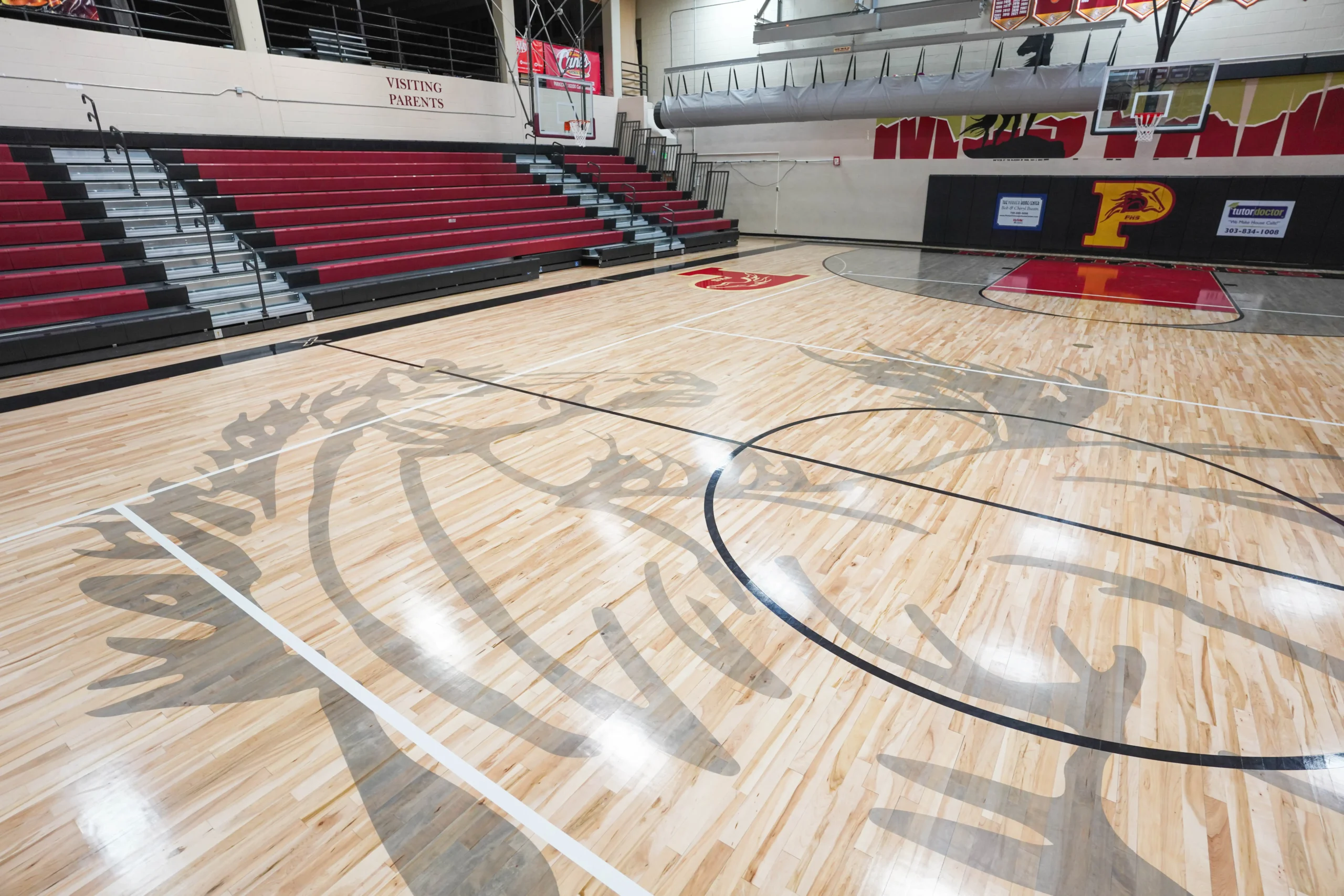
Credit: brocllc.com
Popular Gym Flooring Materials
Choosing the right gym flooring material can make a significant difference in your workout experience. Each material offers distinct advantages, and understanding these can help you make an informed decision. Whether you’re setting up a home gym or managing a commercial space, the flooring you choose impacts both performance and cost. Let’s dive into the popular gym flooring materials to help you find the best fit for your needs.
Rubber Flooring
Rubber flooring is a favorite among gym enthusiasts for its durability and shock-absorbing qualities. It’s perfect for heavy lifting areas where equipment drops are frequent. Rubber floors are easy to clean and maintain, making them a practical choice for high-traffic areas. If you’ve ever dropped a weight during a session, you know how reassuring it is to have a floor that can withstand the impact.
Vinyl Flooring
Vinyl flooring offers a versatile and affordable option for gym spaces. Its smooth surface makes it ideal for activities like yoga and aerobics. Vinyl floors can mimic the look of wood or stone, adding a touch of style to your gym. Imagine transforming your exercise room into a sleek, modern space without breaking the bank. Wouldn’t that enhance your workout motivation?
Carpet Tiles
Carpet tiles provide comfort and warmth, especially for areas dedicated to cardio workouts. They are easy to install and replace, making them a cost-effective solution for evolving gym needs. Think about the relief on your feet after a long treadmill session. Carpet tiles can be a cozy choice for those who prefer a softer surface underfoot.
Hardwood Flooring
Hardwood flooring brings elegance and class to any gym environment. It’s a premium choice that enhances aesthetics while providing a solid surface for various exercises. Although it requires more maintenance, the timeless beauty of hardwood can elevate your workout space. Picture yourself doing a dance routine on a stunning hardwood floor; wouldn’t that make every move feel more graceful?
Each flooring material has its unique benefits and price points. Consider your workout style, budget, and maintenance preferences when selecting the perfect floor. Which type speaks to your gym goals and personal taste?
Cost Comparisons
Estimating gym floor costs involves considering materials like hardwood, rubber, or vinyl. Prices can range from $3 to $10 per square foot, influenced by quality and installation. Budget for additional expenses like maintenance to ensure long-term durability.
When planning to install or upgrade a gym floor, understanding the cost is essential. The price can vary widely based on the materials and installation methods you choose. Comparing costs helps you make an informed decision that suits your budget and needs.Low-cost Options
If you’re on a tight budget, there are affordable solutions available. Rubber tiles or vinyl flooring can be excellent choices. They’re durable, easy to install, and offer decent shock absorption. Consider using recycled materials, which can further reduce costs. You might be surprised at how resilient and functional these cheaper options can be. Have you ever thought about how a simple change in material can impact your gym’s vibe without breaking the bank?Mid-range Choices
Mid-range options offer a balance between cost and quality. Engineered wood or high-quality rubber flooring can fit into this category. They provide better aesthetics and durability compared to low-cost options. These materials often come with improved warranties and a wider variety of styles. You can enjoy a professional look without stretching your budget too thin. Could this be the sweet spot for your gym’s makeover?High-end Selections
For those aiming for premium quality, high-end selections like hardwood or premium vinyl plank are ideal. These floors are not just about looks; they offer superior durability and performance. Investing in high-end options may seem costly upfront, but they often pay off with longevity and minimal maintenance. What if investing a little more today could save you thousands in the long run? Cost comparisons are crucial in choosing the right gym flooring. Each category has its unique benefits and trade-offs. Carefully weigh your options to find what best suits your gym’s needs and your budget.Budgeting For Gym Flooring
Determining the cost of gym flooring involves several factors. Material choice, installation complexity, and gym size all influence expenses. Rubber flooring, for instance, can range from $2 to $15 per square foot. Consider long-term durability and maintenance when budgeting.
Budgeting for gym flooring is a crucial step for anyone looking to create a functional and inviting workout space. Whether you’re setting up a home gym or outfitting a commercial facility, understanding the costs involved helps you make informed decisions. Let’s dive into some key aspects you should consider when planning your budget.Estimating Total Costs
When planning your gym floor, consider the total area you need to cover. Measure your space accurately to avoid buying excess material. Flooring costs can vary widely depending on the type you choose—rubber, foam, vinyl, or wood. Cost per square foot is a helpful metric. Rubber flooring might cost between $2 to $15 per square foot, while wood options could be significantly higher. Create a simple table to compare these options and find a balance between quality and budget. Don’t forget to factor in installation costs if you’re not planning to do it yourself. Professional installation ensures a seamless finish but can add to your expenses.Hidden Expenses
Hidden expenses can catch you off guard. Think about the cost of floor preparation, especially if your existing floor needs leveling or repairs. Consider maintenance costs over time. Some materials require regular cleaning or treatments to maintain their look and durability. You may also encounter delivery fees, particularly if you are ordering heavy materials like rubber tiles. Always check with suppliers about these additional charges to avoid surprises.Cost-saving Tips
Looking for ways to save? Buy in bulk if you can. Many suppliers offer discounts for larger orders, so it might be worth purchasing a bit more than you need. Consider DIY installation if you have the skills and tools. There are plenty of online tutorials that can guide you through the process, saving you significant labor costs. Look for second-hand options or clearance sales. Sometimes, gyms upgrade their flooring, and you can snag a deal on slightly used materials. Have you considered timing your purchase? Prices often drop during off-peak times of the year. This could be the perfect opportunity to get quality flooring at a reduced price. How do these tips fit into your gym flooring budget plan? Are there areas you hadn’t considered before? Taking the time to plan carefully can ensure you create a gym space that’s both functional and financially smart.Finding Affordable Suppliers
Exploring gym floor costs involves finding budget-friendly suppliers. Different materials and sizes affect pricing, with options ranging from rubber to vinyl. Comparing various suppliers helps identify the best deals, ensuring quality flooring within budget constraints.
Finding the right supplier for your gym floor can make a big difference in your budget. Prices can vary widely, but with a little research, you can find affordable options without sacrificing quality. Whether you’re shopping online, exploring local options, or considering second-hand floors, there are plenty of ways to save money.Online Retailers
Shopping online can be a convenient way to compare prices and products. Websites like Amazon, Wayfair, and specialized gym flooring sites often offer competitive prices and a wide range of options. Look for customer reviews to ensure quality and durability. Some retailers also offer discounts or free shipping, which can further reduce costs. Have you considered the ease of shopping from home? You can save both time and money by purchasing your gym floor online.Local Distributors
Buying from local distributors can sometimes offer more personalized service and the chance to see the product in person. Visit nearby suppliers to check out their inventory and discuss your needs directly with experts. Local distributors may also offer installation services, which can be a bonus if you’re not planning to do it yourself. Building a relationship with a local supplier might lead to better deals or future discounts. Could a visit to a local supplier give you more confidence in your purchase?Second-hand Options
Second-hand gym floors can be a budget-friendly choice, especially if you’re open to a bit of wear and tear. Check out local classified ads, online marketplaces like eBay, or community boards for gently used options. Buying second-hand not only saves money but is also an environmentally friendly option. Ensure that the floor is in good condition and check for any damage before purchasing. Have you thought about how much you could save by choosing second-hand? It might be the most economical choice for your gym.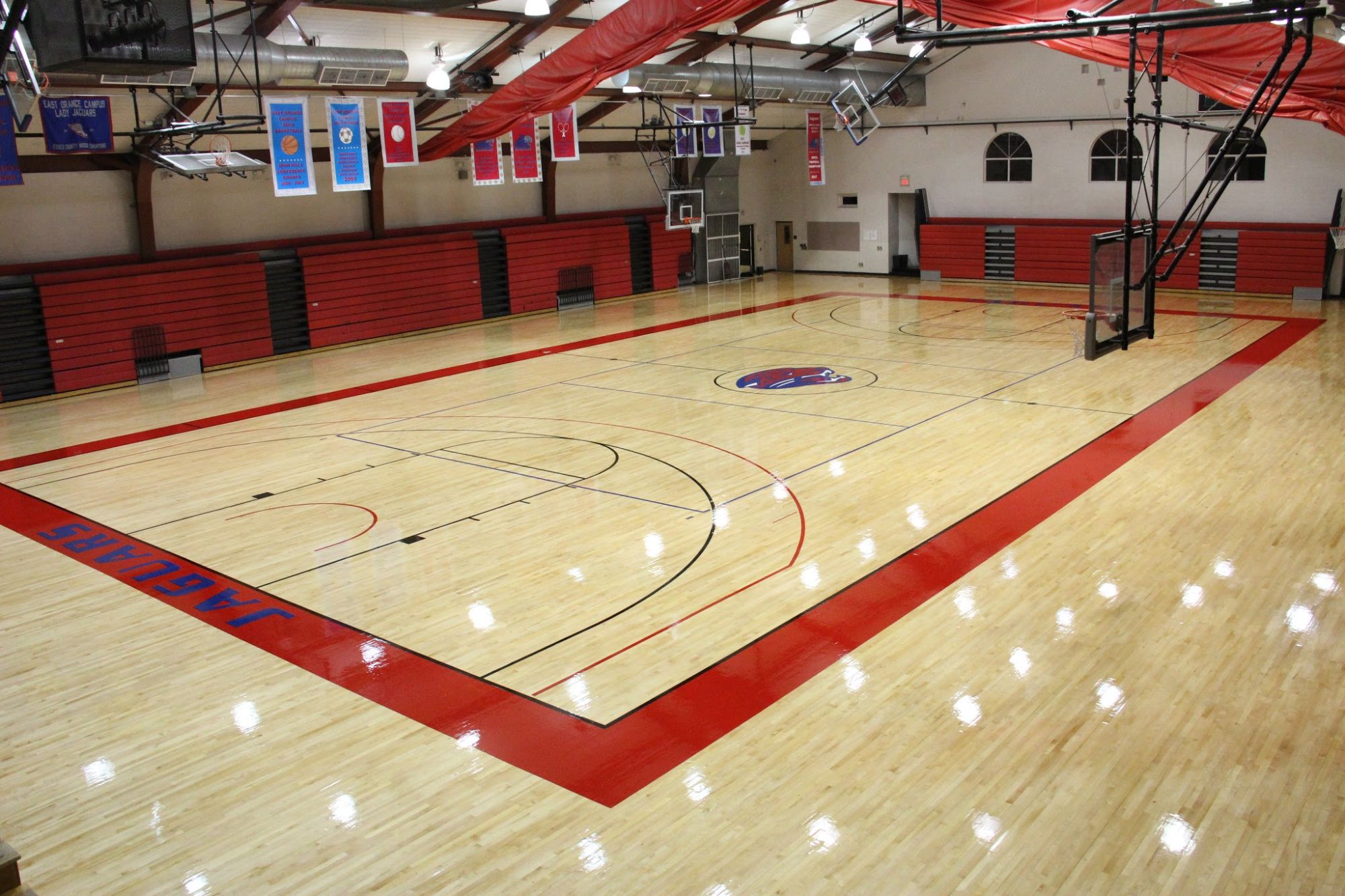
Credit: gymfloors.com
Diy Vs Professional Installation
Choosing between DIY and professional installation for a gym floor can be challenging. Both options have distinct advantages and disadvantages. Whether you aim to save money or ensure long-term durability, understanding each approach is crucial. Consider the time, effort, and potential risks involved.
Pros And Cons Of Diy
DIY installation might initially seem appealing due to cost savings. Many enjoy the satisfaction of completing a project themselves. You can tailor the installation to specific needs. However, it demands time and patience. Proper tools and materials are essential. Mistakes can lead to costly repairs. Uneven flooring affects safety and performance. Without experience, achieving professional results is difficult.
Benefits Of Hiring Professionals
Professional installation offers expertise and precision. Skilled workers ensure a perfect fit and finish. They handle complex tasks efficiently. Professionals possess the right tools and materials. This eliminates the risk of errors. Your gym floor will be durable and long-lasting. While it might cost more upfront, it prevents future maintenance issues. For peace of mind and quality results, hiring professionals is a wise choice.
Long-term Investment Considerations
Investing in a gym floor is a significant decision. Long-term investment considerations are crucial for gym owners. A quality gym floor offers multiple benefits over time. It ensures safety, enhances performance, and maintains aesthetic appeal. Understanding these factors helps make informed decisions.
Durability And Lifespan
Durability is essential in gym flooring. A strong floor withstands heavy equipment and foot traffic. High-quality materials extend the lifespan of the floor. It reduces the need for frequent replacements. Long-lasting floors save money in the long run. Investing in durable flooring is wise.
Impact On Gym Experience
The gym experience is influenced by the flooring. Comfortable flooring boosts workout enjoyment. It offers safety and reduces injury risks. Proper flooring enhances training sessions. It creates a positive atmosphere for gym-goers. Good flooring increases member satisfaction.
Resale Value
Resale value is an important aspect of gym floors. Quality flooring increases the property’s appeal. It attracts potential buyers or renters. A well-maintained floor enhances the gym’s market value. Investing in good flooring pays off during resale. It’s a smart financial move.
Frequently Asked Questions
How Much Does It Cost To Install A Gym Floor?
Installing a gym floor costs between $3 to $12 per square foot. Prices vary based on material type. Rubber flooring is common and affordable. Professional installation might add extra fees. Always compare quotes for an accurate estimate.
How Much Is A Gymnasium Floor?
A gymnasium floor typically costs between $50,000 to $100,000. Prices vary based on materials, size, and installation complexity. Hardwood floors are more expensive than synthetic options. Consult with professionals for an accurate quote tailored to your specific needs. Quality materials ensure durability and longevity, making it a worthwhile investment.
How Much Does 500 Sq Ft Of Flooring Cost?
The cost for 500 sq ft of flooring varies. Material choice, installation, and location impact the price. Expect $1,000 to $5,000, including labor and materials. Requesting quotes from local contractors can provide precise estimates tailored to specific needs and preferences.
What Type Of Flooring Is Best For A Gym?
Rubber flooring is ideal for gyms. It offers durability, shock absorption, and slip resistance. Easy maintenance ensures lasting performance. Additionally, it provides sound insulation, reducing noise from equipment. This type of flooring supports both heavy equipment and high-impact activities, making it a versatile choice for gym environments.
Conclusion
Choosing the right gym floor requires thoughtful consideration. Costs vary widely based on material and installation. Rubber flooring is often affordable and durable. Hardwood floors, though pricier, add elegance and value. Vinyl offers a budget-friendly option with diverse designs. Don’t forget maintenance costs in your budget.
A well-chosen floor enhances safety and performance. Consider your gym’s needs and budget carefully. Consult professionals for tailored advice. A wise choice today will benefit your gym for years. Investing in the right floor ensures a safe and welcoming environment for all users.