Have you ever dreamed of owning a gym and wondered how much money you could make from it? You’re not alone.
Many people are curious about the financial side of running a fitness center. You might imagine bustling gyms filled with energetic members, but the real question is: how profitable is it to own one? We’ll uncover the potential earnings of a gym owner and what factors can influence your income.
Imagine the possibility of turning your passion for fitness into a rewarding business venture. Keep reading to discover if owning a gym is the lucrative opportunity you’ve been waiting for, and learn the secrets to maximizing your profits.

Credit: xplorgym.co.uk
Gym Ownership Basics
Gym ownership can be a thrilling venture. It holds the promise of financial gain and personal satisfaction. But before you dive in, understanding the basics is crucial.
Owning a gym requires more than just passion for fitness. You need to grasp the fundamental elements that can make or break your business. These elements include initial investment costs and choosing the right gym model.
Initial Investment Costs
Starting a gym isn’t cheap. You must account for various initial expenses. This includes purchasing equipment and securing a location. Rent or mortgage payments can be substantial, especially in prime areas.
Licensing fees and insurance are other critical costs. You can’t overlook these, as they are necessary to operate legally and safely. Don’t forget about marketing expenses to attract your first members.
Consider hidden costs too. Utilities, maintenance, and unexpected repairs can add up quickly. Planning for these expenses ensures your gym remains financially healthy.
Types Of Gym Models
Choosing the right gym model is key to success. Each type has its advantages and challenges. You could opt for a traditional gym with a variety of equipment and classes. This appeals to a broad audience but requires significant space and staff.
Specialty gyms focus on specific activities like yoga or pilates. They attract niche markets and often have dedicated clientele. However, they may have limited growth potential compared to larger gyms.
Consider a franchise model for established brand recognition. Franchises provide a proven business framework but come with strict guidelines and fees. Weigh the pros and cons of each to determine the best fit for you.
Ask yourself: What type of gym aligns with your vision? What can you realistically afford? Your answers will guide your decision-making process.
Thinking about these factors early on can save you time and money. A clear plan positions you for success in the competitive world of gym ownership.
Credit: www.perfectgym.com
Revenue Streams
Owning a gym involves multiple revenue streams. Each stream contributes to the owner’s income. Understanding these streams helps in maximizing profits. Let’s explore the main sources of revenue for gym owners.
Membership Fees
Membership fees form the backbone of gym revenue. Members pay monthly or yearly fees. This provides a steady income. The fee depends on the gym’s facilities and location. Offering different membership plans can attract more clients.
Personal Training Services
Personal training services boost income significantly. Trainers offer customized workout plans. Members often seek expert guidance. These sessions can be charged hourly. Personal training enhances the gym’s appeal and profitability.
Merchandise Sales
Selling gym merchandise adds another income stream. Items like workout gear and accessories are popular. Branding these products can increase sales. Merchandise reflects the gym’s identity. It provides additional revenue and marketing opportunities.
Supplement Sales
Supplements are a popular gym product. Selling protein powders and vitamins can be lucrative. They support members’ fitness goals. Offering quality supplements boosts trust and sales. It’s a vital part of the gym’s revenue model.
Operating Expenses
Operating a gym isn’t just about opening the doors and welcoming fitness enthusiasts. It’s a complex business with various operating expenses that can significantly impact a gym owner’s earnings. Understanding these costs can help you make informed decisions if you’re considering entering the fitness industry. Let’s explore some key expense areas that gym owners need to manage effectively.
Rent And Utilities
Rent is often one of the largest expenses for a gym owner. The location of your gym will heavily influence your rent costs. A prime location might draw more members, but it will also come with a higher price tag.
Utilities are another significant cost. Gyms require substantial electricity for lighting, heating, and running equipment. Water bills can also be high due to showers and restrooms.
When I opened my gym, I was taken aback by how much utilities fluctuated seasonally. Keeping an eye on these costs can save you from unexpected financial strain.
Staff Salaries
Your staff is the backbone of your gym. Salaries for trainers, front desk personnel, and maintenance staff are recurring expenses. Competitive pay is essential to retain skilled employees who can create a positive environment for members.
Think about the value your staff brings to your gym. Investing in their professional development can boost member satisfaction and retention.
Are you prepared to handle payroll, even during slow months? This is a crucial consideration for any gym owner.
Equipment Maintenance
Gym equipment is costly, and maintaining it is essential for safety and member satisfaction. Regular servicing helps prevent breakdowns, which can disrupt operations and lead to costly repairs.
Creating a maintenance schedule can prolong the life of your equipment. But remember, even with regular upkeep, some equipment will eventually need replacing.
Consider how you can budget for these expenses. Will you set aside a specific amount each month, or plan for it annually?
Marketing Costs
To attract new members, marketing is a non-negotiable expense. Digital advertising, social media campaigns, and local promotions can all contribute to your gym’s visibility.
But how do you ensure your marketing dollars are well spent? Track the return on investment for each campaign to see what’s working.
Effective marketing can fill your gym with eager members, turning a necessary expense into a profitable investment.
Operating expenses are a major factor in determining a gym owner’s income. By managing these costs wisely, you can maintain a healthy bottom line while providing a top-notch experience for your members. What strategies will you use to optimize your gym’s expenses?
Profit Margins
Profit margins are the lifeblood of any business, and owning a gym is no exception. As a gym owner, understanding the factors that impact your profit margins can help you strategize effectively to maximize earnings. Whether you’re just starting or looking to boost your existing profits, knowing where to focus your efforts can make a significant difference.
Impact Of Location
Location can be a game changer for your gym’s profitability. A gym in a bustling urban area might see more foot traffic, which could mean higher membership sign-ups. But high traffic comes with higher rental costs and competition.
On the other hand, a suburban gym might have lower overheads but could struggle to attract members. You must weigh these factors carefully. Consider what your community needs and how you can serve it best.
Is your gym easily accessible? Is it located near complementary businesses like health food stores or sports shops? These small details can significantly influence your profit margins.
Client Retention Strategies
Retaining clients is crucial for maintaining steady profits. It’s not just about getting new members; it’s about keeping them happy and engaged. Happy clients tend to stick around and even refer others.
Think about what keeps your clients coming back. Is it your excellent customer service, top-notch facilities, or engaging fitness classes? Identify what works and capitalize on it.
Are you fostering a community? People love being part of something bigger. Creating a friendly, inclusive environment can boost client retention and, ultimately, your profit margins.
Competitive Pricing
Pricing is a delicate balance. Set it too high, and you might scare off potential clients. Too low, and you may struggle to cover your expenses.
Research your competitors. What are they charging? Can you offer more value for a similar price, or even a lower one? Competitive pricing doesn’t always mean being the cheapest; sometimes, it’s about offering the best value.
Could you introduce tiered pricing? Offering different membership levels can cater to various budgets and needs, potentially increasing your customer base and profits.
As you navigate the path to profitability, remember that the decisions you make can significantly impact your gym’s financial success. Are you focusing on the right areas to enhance your profit margins?
Financial Challenges
A gym owner’s earnings vary based on location, membership fees, and operational costs. Profits fluctuate with market trends and competition. Balancing expenses and income is crucial for success.
Owning a gym can be a rewarding venture, but it comes with its share of financial challenges. As a gym owner, you need to be prepared for various hurdles that might affect your income. These challenges can impact your bottom line and require strategic planning and adaptability.Seasonal Variations
Gym attendance often fluctuates with the seasons. During New Year’s, many people rush to fulfill their fitness resolutions, leading to a spike in memberships. But as summer approaches, attendance might drop as people prefer outdoor activities. To combat these variations, consider offering seasonal promotions or specialized classes. Engage your clients with summer boot camps or winter wellness challenges. How can you make your gym a year-round destination for fitness enthusiasts?Market Competition
The fitness industry is crowded, with new gyms and fitness trends emerging regularly. This competition can strain your revenue and customer retention. Differentiate your gym with unique offerings or exceptional customer service. Offer classes or equipment that others in your area do not. What makes your gym stand out from the rest? Keep an eye on local competitors and industry trends. Adjust your business model as needed to stay ahead. Are you ready to adapt to keep your market edge?Economic Downturns
Economic downturns can impact discretionary spending, and gym memberships might be one of the first expenses people cut. This can lead to a significant drop in revenue. Focus on building strong relationships with your clients. Offer flexible membership plans or discounts during tough times. How will you maintain your client base when the economy takes a hit? Explore alternate revenue streams, like online classes or merchandise. These can help buffer your finances during challenging periods. Are you prepared to diversify your income sources?
Credit: gymdesk.com
Success Stories
Success stories inspire many aspiring gym owners. Understanding how some gyms thrive helps others learn and grow. Discovering the secrets behind these stories can provide valuable insights. Successful gym owners often share their journeys. Their experiences guide others in the fitness industry.
Case Studies Of Profitable Gyms
Profitable gyms often have unique strategies. One gym in California found success through community engagement. They hosted local events and workshops. This approach built a loyal customer base. Another gym in Texas focused on personalized training. Tailored programs attracted fitness enthusiasts. These gyms show that understanding your audience matters.
A gym in New York City leveraged social media. They shared daily workout tips and motivational posts. This increased their online presence. Many gyms also invest in quality equipment. Offering state-of-the-art facilities attracts more members. These case studies emphasize the importance of innovation and adaptation.
Lessons From Industry Leaders
Industry leaders often share valuable lessons. One famous gym owner stresses the importance of customer service. Treating members like family builds trust. Another leader emphasizes the role of technology. Implementing fitness apps improved member engagement. Leaders also highlight the need for continuous learning.
Networking is crucial according to many successful owners. Building relationships with other gym owners offers support. Learning from others helps avoid common pitfalls. Listening to member feedback is vital. Adapting to their needs ensures member retention. Industry leaders encourage aspiring owners to stay passionate.
Future Trends
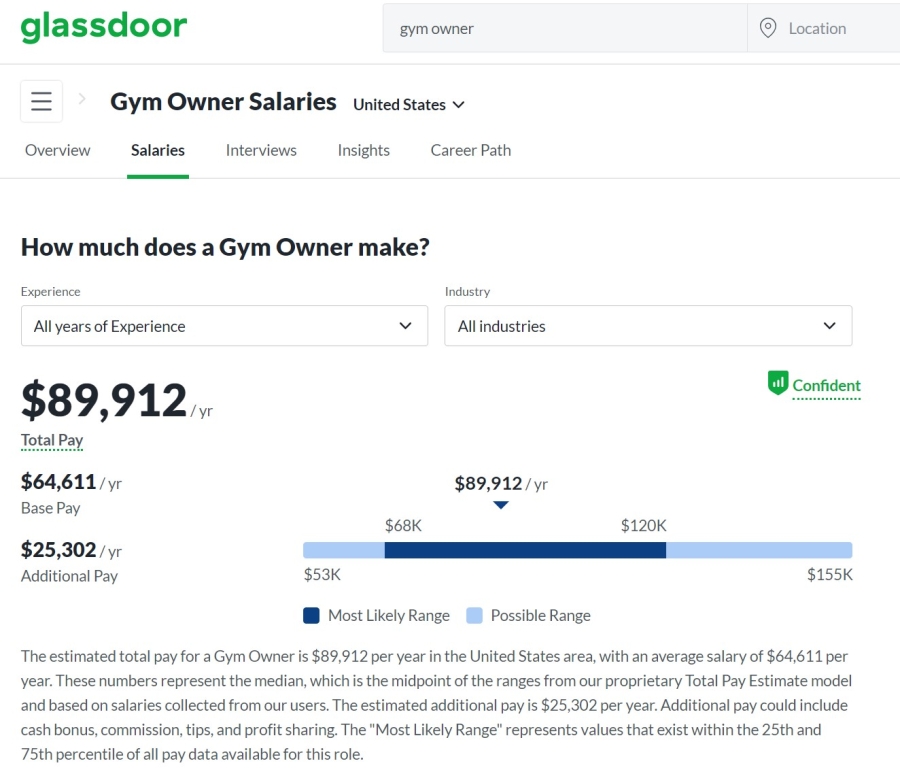
Gym owners can see varied income levels based on location, membership fees, and services offered. Some earn a steady profit, while others face financial challenges. Understanding market trends helps predict future earnings in the fitness industry.
As a gym owner, you might be wondering about the future trends that could impact your earnings. The fitness industry is evolving rapidly, with technology and consumer demands shaping the way gyms operate. By staying ahead of these trends, you can potentially increase your income and ensure your gym remains competitive. Let’s dive into some exciting developments that you might want to consider.Online Fitness Platforms
The rise of online fitness platforms has transformed how people access workouts. Many consumers now prefer the convenience of exercising at home. You might explore offering virtual classes or training sessions. This can extend your reach beyond local clients and tap into a global audience. Imagine hosting a live workout session with participants from different countries—all from the comfort of your gym. Online platforms can be a lucrative addition to your business model.Hybrid Gym Models
Hybrid gym models combine traditional gym facilities with online offerings. This model caters to those who enjoy in-person workouts and those who prefer digital convenience. You could offer flexible memberships that include both gym access and virtual classes. Think about how this versatility can attract a wider range of customers, increasing your revenue. Hybrid models can bridge the gap between physical and digital fitness worlds, maximizing your earnings potential.Technological Innovations
Innovations in technology are reshaping the fitness industry. Consider incorporating AI-powered fitness apps or wearable devices that track performance. These tools can provide personalized workout experiences, enhancing customer satisfaction. Imagine how impressed your clients would be with a gym that offers cutting-edge technology. Embracing technological advancements can set your gym apart, potentially boosting your income. Have you thought about how these trends could change the way your gym operates? Adapting to these shifts not only future-proofs your business but could also significantly impact your earnings. By leveraging online platforms, hybrid models, and technological innovations, you can create a dynamic and profitable gym environment.Frequently Asked Questions
How Much Does A Gym Owner Profit?
Gym owners typically profit between $1,000 to $10,000 monthly. Profits vary based on location, membership, and expenses. A successful gym can earn more. Effective marketing and quality services boost profitability.
How Much Does A Ceo Of A Gym Make?
A gym CEO’s salary typically ranges from $60,000 to $200,000 annually. It varies based on gym size and location. Bonuses and profit-sharing can significantly increase earnings. Factors like experience and company performance also affect the salary.
How Profitable Is Owning A Gym Franchise?
Owning a gym franchise can be profitable with effective management and marketing. Location and customer retention are key factors. Franchise fees and operational costs affect profitability. Successful franchises benefit from brand recognition and support. Profit margins vary, but many franchise owners see solid returns over time.
Is Owning Your Own Gym Worth It?
Owning a gym can be rewarding if you have passion and dedication. Consider costs, location, and competition. Profitability depends on effective marketing and community engagement. Successful gyms offer quality equipment and services. Overall, it can be worth it if well-managed.
Conclusion
Owning a gym can be a rewarding venture. Earnings vary greatly among gym owners. Factors like location, membership fees, and services affect income. Some make a modest living, while others earn substantial profits. It’s crucial to understand costs and challenges involved.
Success depends on effective management and customer satisfaction. Building a strong community can boost membership. Being passionate about fitness also helps. With dedication, a gym owner can achieve financial stability. Remember, each journey is unique. Consider your goals and resources carefully.
This can lead to a fulfilling career in the fitness industry.