Are you thinking about opening a gym or already running one? If so, you’ve probably considered the importance of gym insurance.
But how much does it actually cost? It’s a question that might be weighing on your mind, and for good reason. Not knowing the answer could leave you exposed to unexpected financial risks. Imagine a situation where an injury occurs at your gym, or equipment is damaged.
Without the right insurance, you could face significant expenses that might jeopardize your business. We’ll break down the costs associated with gym insurance and help you understand what factors influence these prices. By the end, you’ll have a clear idea of what to expect and how to ensure your gym is well-protected. So, let’s dive in and uncover the peace of mind that comes with knowing your gym and your livelihood are safeguarded.
Factors Influencing Gym Insurance Costs
Gym insurance costs depend on factors like gym size and the number of members. Coverage type and location also impact pricing. High-risk activities may lead to higher premiums.
Understanding how much gym insurance costs can be a bit like navigating a maze. There are several factors that influence the price, each contributing to the final figure you might see on a quote. Knowing these can help you make informed decisions and possibly find ways to lower your costs.Location And Facility Size
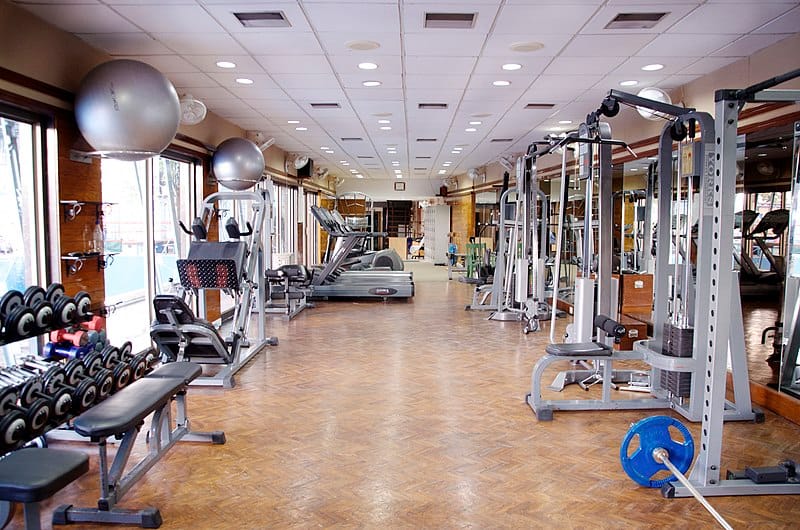
The location of your gym plays a significant role in determining insurance costs. Gyms in urban areas might face higher premiums due to increased foot traffic and higher property values. On the other hand, a rural location might offer lower costs but come with its own set of risks. Facility size also matters. A larger gym with more equipment requires more coverage than a smaller, boutique-style gym. Imagine two gyms: one sprawling with space and multiple amenities, and another compact with basic features. The larger gym will likely face higher insurance costs due to increased risk exposure.Type Of Gym And Services Offered
The type of gym you run can greatly affect your insurance costs. A standard fitness center might have different risks compared to a specialized gym, like one focusing on martial arts or rock climbing. The services you offer also come into play. Offering personal training, classes, or childcare services can increase your liability exposure, thus raising insurance costs. Are you offering a unique service? It’s important to consider how it might affect your premiums.Number Of Employees And Trainers
The number of employees and trainers you have on staff can impact your insurance rates. More staff means more potential claims, especially if they’re working directly with clients. Consider this: a gym with a large team of personal trainers might face higher insurance costs than a self-run studio. Each employee adds to the risk pool, influencing the overall premium.Previous Claims History
Your gym’s claims history is like its financial report card for insurers. A history of frequent claims can increase your insurance costs, as insurers see this as a higher risk. Have you had any past claims? If so, consider how they might affect your current rates. Working on a clean record can potentially lower costs over time. Reflect on these factors as you evaluate gym insurance options. Are there areas where you can make adjustments to potentially lower your costs? Understanding these elements can empower you to make the best financial decisions for your gym.Types Of Gym Insurance Coverage
Gym insurance can include general liability, property coverage, and professional liability. Costs depend on gym size, location, and coverage type, ranging from hundreds to thousands annually. It’s essential for gym owners to evaluate their specific needs to determine the right insurance plan.
Understanding gym insurance coverage is crucial for gym owners. It protects against unexpected events and financial losses. Different types of coverage cater to specific needs. Choosing the right insurance can safeguard your business and employees. Let’s explore the key types of gym insurance coverage.General Liability Insurance
General liability insurance covers accidents and injuries within the gym. It protects against claims of bodily injury or property damage. This coverage is essential for gyms with heavy equipment. It helps handle medical expenses and legal fees if someone gets hurt.Professional Liability Insurance
Professional liability insurance focuses on trainer-related issues. It covers mistakes in instruction or advice. If a trainer gives incorrect guidance, this insurance can help. It protects against claims of negligence. This coverage is vital for gyms offering personal training.Property Insurance
Property insurance safeguards the gym’s physical assets. It covers damage from fires, theft, or vandalism. This insurance is crucial for gyms with expensive equipment. It ensures that damages won’t lead to financial ruin. Property insurance can also cover lost income due to disruptions.Workers’ Compensation
Workers’ compensation protects employees injured on the job. It covers medical expenses and lost wages. This insurance is mandatory in many places. It ensures workers receive necessary support after an injury. This coverage promotes a safe and secure workplace for all.Average Costs Of Gym Insurance
Understanding gym insurance costs is crucial for fitness business owners. It helps in planning and budgeting effectively. The costs can vary based on several factors. These include the size of the gym, location, and types of coverage needed. Let’s explore these factors in more detail.
Small Gym Vs. Large Gym Costs
Insurance costs differ significantly between small and large gyms. Small gyms typically pay less due to lower risk and fewer members. On average, small gym insurance can range from $500 to $1,500 annually. Large gyms with extensive facilities might pay $2,000 to $5,000 yearly. The higher cost reflects the increased risk and larger number of members.
Regional Cost Variations
Location impacts gym insurance costs greatly. Urban areas with high property values may see higher premiums. Gyms in rural areas might enjoy lower rates. For instance, a gym in New York City might face higher insurance costs than one in a small town. Local regulations and crime rates also influence costs.
Cost Estimates For Common Coverage
Several types of coverage are common for gyms. General liability insurance is essential and costs around $500 to $1,000 annually. Property insurance can range from $500 to $2,000, depending on the value of equipment and facilities. Workers’ compensation is required if you have employees, costing between $300 to $1,200.

Credit: www.goodrx.com
Tips For Reducing Insurance Costs
Exploring gym insurance options can help lower costs. Compare different providers and policies for the best rates. Consider raising your deductible to reduce premiums.
Reducing gym insurance costs can be a challenge. But, with strategic planning, you can save money. By implementing key measures, gym owners can lower costs effectively. Here are some tips to help you manage and reduce your gym insurance expenses.Safety Measures And Risk Management
Prioritize safety to minimize risks. Train staff regularly on safety protocols. Ensure equipment is well-maintained and checked frequently. Install proper signage to guide members and avoid accidents. Document incidents and review safety procedures often. Strong safety practices reduce insurance claims and costs.Bundle Insurance Policies
Consider bundling your insurance policies. Many providers offer discounts for multiple policy types. Combine liability, property, and workers’ compensation insurance. Bundling can result in significant savings. Talk to your insurer about package deals tailored for gyms. Savings from bundled policies can be substantial.Regular Policy Reviews
Review your insurance policy annually. Ensure it aligns with your gym’s current needs. Policies may have outdated coverage that increases costs. Discuss adjustments or updates with your insurer. Regular reviews can uncover unnecessary expenses. Make sure your coverage is optimal and cost-effective.Choosing The Right Insurance Provider
Gym insurance costs vary based on coverage and gym size. Providers offer different rates, impacting your budget. Comparing options ensures you find an affordable plan.
Choosing the right insurance provider is crucial when it comes to managing the costs of gym insurance effectively. The right provider ensures you get comprehensive coverage without overpaying. But how do you find the best fit for your gym’s unique needs?Evaluating Reputation And Experience
Start by researching the reputation and experience of potential insurance providers. Check online reviews and testimonials to see what other gym owners have to say. A provider with a strong track record in the fitness industry often means they understand the specific risks involved. Consider their years in business and their expertise in gym insurance. Have they worked with facilities similar to yours? If a provider has a wealth of experience, it can give you confidence in their ability to handle your claims efficiently.Comparing Quotes And Coverage Options
Get multiple quotes to compare the costs and coverage options available. Don’t just focus on the price; look at what each policy covers. Are you getting protection against equipment damage, liability claims, and other risks unique to your gym? Create a simple table to weigh the pros and cons of each policy. This visual comparison can help you make an informed decision. Remember, the cheapest option isn’t always the best; you need a policy that aligns with your specific needs.Customer Support And Claims Handling
Evaluate the customer support and claims handling process of the insurance providers. How easy is it to contact them when you have questions or need assistance? Excellent customer service can make a significant difference, especially when you’re dealing with claims. Speak to their representatives to gauge their responsiveness and willingness to help. You want a provider who stands by you when issues arise, not just when you’re signing the policy. Your peace of mind is worth investing in a provider who prioritizes customer satisfaction. Choosing the right insurance provider doesn’t have to be daunting. With careful evaluation and thoughtful consideration, you can secure the best coverage for your gym. What steps will you take today to protect your business?
Credit: www.insurancecanopy.com
Credit: barterinsurance.com
Frequently Asked Questions
How Much Does Insurance For A Gym Cost?
Gym insurance costs vary based on location, coverage types, and gym size. Expect to pay $500 to $2,000 annually. Compare quotes from various insurers to find the best deal. Consider factors like liability, property, and equipment coverage for comprehensive protection.
What Insurance Do You Need For A Gym?
Gyms need liability insurance to cover injuries and accidents. Property insurance protects equipment and the facility. Workers’ compensation is essential for employee safety. Business interruption insurance covers lost income due to unforeseen closures. Consider cyber liability insurance for data protection if digital systems are used.
Do You Need Insurance To Own A Gym?
Yes, gym owners need insurance. It protects against potential liabilities, accidents, and property damage. Essential types include general liability, property insurance, and worker’s compensation. Proper insurance coverage ensures financial security and compliance with legal requirements. Always consult with an insurance expert to tailor a policy to your gym’s needs.
How Much Is $1,000,000 Liability Insurance A Month?
The cost of $1,000,000 liability insurance varies widely based on factors like industry, location, and risk. Generally, monthly premiums can range from $25 to $85. Always compare quotes from multiple providers to find the best deal tailored to your needs.
Consulting an insurance agent can provide more accurate estimates.
Conclusion
Understanding gym insurance costs is crucial for gym owners. Prices vary based on coverage types and business size. Comparing plans helps find affordable options. Don’t overlook factors like location and services offered. Proper research ensures the right protection at a fair price.
A well-chosen policy guards against unexpected losses. It also aids in maintaining business stability. Always prioritize quality over cost alone. Protecting your gym investment should be a top priority. Make informed decisions for peace of mind and financial security. Choose wisely to support your gym’s growth and success.