Are you dreaming of opening your own gym but are unsure about the costs involved? You’re not alone.
Many aspiring gym owners find themselves wondering about the financial investment required to turn their fitness passion into a thriving business. Understanding the costs can be the first big step in making your dream a reality. Knowing where your money will go helps you plan smarter, avoid unexpected expenses, and focus on building a gym that attracts and retains members.
In this guide, you’ll discover the key expenses involved in building a gym, from equipment and space to marketing and staffing. Get ready to learn exactly what you need to budget for, so you can confidently take the next step towards launching your fitness empire.
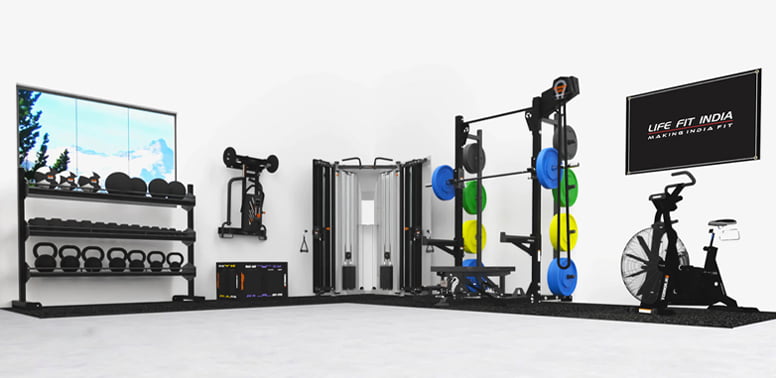
Credit: lifefitindia.com
Initial Planning
Building a gym can be an exciting venture, but diving into it without proper planning could cost you more than expected. Initial planning is crucial to laying a solid foundation for your gym business. It’s about understanding the market, defining your business model, and setting realistic budgets. Let’s break down these elements to ensure your gym is not only a dream but a profitable reality.
Market Research
Understanding your potential customers is key. Who will be using your gym? Are you targeting fitness enthusiasts, beginners, or specific demographics like seniors or youth? Knowing your audience helps you tailor your services to meet their needs.
Consider the location of your gym. Conduct surveys or talk to locals to gauge interest and identify any unmet needs in the area. Check out nearby competitors and analyze what they offer, their pricing, and their customer base. This will help you identify your unique selling proposition.
Numbers matter too. Look at industry reports and trends to understand the fitness market’s growth potential. This data can help predict future demand and guide investment decisions.
Business Model
Decide how your gym will operate. Are you looking at a membership-based model, pay-per-visit, or perhaps a hybrid approach? Each model has its pros and cons. Membership models offer steady revenue, while pay-per-visit can attract casual users.
Consider additional services you might offer. Personal training, group classes, and wellness programs can add value and diversify income streams. Will you charge separately for these, or bundle them with membership? Crunch the numbers to see what works best.
Think about partnerships or collaborations. Local businesses might be interested in cross-promotions or co-hosting events. This could enhance visibility and bring in more customers, reducing marketing costs.
As you plan, keep asking yourself: How will your gym stand out? What will make it the go-to place for fitness in your community? Answering these questions will sharpen your business model and clarify your path forward.

Credit: www.yanrefitness.com
Location And Space
Choosing the right location and space is crucial for gym construction costs. Urban settings typically demand higher prices for land and leases, while rural areas might offer more affordable options. Balancing accessibility and space can significantly impact the overall budget.
Location and space play a crucial role in gym costs. The right choice can attract more members. It impacts expenses and revenues significantly. Understanding these factors helps in making informed decisions.Choosing The Right Area
Selecting a location is vital for success. Consider proximity to potential clients. Urban areas often attract more customers. Check local competition to avoid market saturation. Accessibility is key. Ensure convenient parking and public transport links. A visible location enhances marketing efforts.Lease Or Purchase Costs
Deciding on leasing or buying affects budget. Leasing can be less upfront but adds ongoing costs. Purchasing requires a higher initial investment. It offers long-term benefits and equity. Compare costs and benefits of both options. Factor in taxes, maintenance, and renovation expenses.Design And Layout
Design and layout significantly impact gym construction costs. Efficient use of space can minimize expenses, while complex designs often require larger budgets. Selecting materials and equipment thoughtfully enhances functionality without inflating costs.
Design and Layout The design and layout of your gym can significantly impact its overall appeal and functionality. A well-thought-out space ensures your gym is not only aesthetically pleasing but also practical for workouts and operations. It’s crucial to balance style with function to enhance the gym experience for your members.Floor Plan Considerations
Creating an efficient floor plan is the cornerstone of a successful gym layout. You want to maximize space while ensuring safety and comfort. Consider the flow of movement and how people will navigate the space. Will there be enough room for members to move freely without bumping into equipment or each other? Think about the placement of different zones like cardio, strength training, and stretching areas. Each section should be easily accessible and logically positioned.Interior Design Elements
Interior design elements play a pivotal role in creating an inviting gym atmosphere. The right color scheme can energize workouts or provide a calming environment. Lighting is another crucial aspect—opt for natural light where possible, and complement it with adjustable artificial lighting for different moods and times of day. Incorporate motivational artwork or quotes on walls to inspire members. Simple touches like greenery can enhance the ambiance and make the space more welcoming. How do these design choices reflect the personality of your gym? Consider your target audience and tailor the interior elements to their preferences.
Credit: www.tiktok.com
Equipment Expenses
Calculating the cost of gym equipment depends on various factors. Equipment prices can range from $10,000 to over $100,000. Consider quality and quantity for a balanced budget.
Building a gym is an exciting endeavor, but it requires careful planning, especially when considering equipment expenses. The cost of outfitting your gym can vary dramatically, depending on the type and quality of equipment you choose. Whether you’re setting up a home gym or a commercial facility, understanding these costs can help you budget wisely and avoid unnecessary expenses.Essential Gym Equipment
When you think of a gym, a few key pieces of equipment likely come to mind. These essentials form the backbone of any fitness space. Investing in quality treadmills, ellipticals, and stationary bikes is crucial as they cater to a wide range of fitness levels and preferences. Prices can range from a few hundred to several thousand dollars, depending on features and brand reputation. Strength training equipment is equally important. Dumbbells, barbells, and weight benches are fundamental for any gym, and their costs can add up quickly. However, buying in bulk or opting for second-hand items can help you save.Specialized Equipment
Depending on your gym’s focus, you might want to consider specialized equipment. This can set your gym apart and attract specific clientele. For instance, if you’re targeting high-intensity training enthusiasts, investing in kettlebells, battle ropes, and plyometric boxes could be beneficial. These items often have a higher upfront cost but can lead to a higher return on investment by attracting dedicated members. On the other hand, if you’re aiming for a more holistic approach, consider equipment like Pilates reformers or yoga props. These items might not be the first choice for every gym, but they can create a unique niche market. Are these investments worth the extra cost? Only you can decide, based on your gym’s vision and target audience. It’s crucial to balance between essentials and specialized gear to ensure your gym meets diverse needs without breaking the bank.Construction And Renovation
Building a gym can cost between $10,000 and $100,000, depending on size and equipment. Location and design also influence expenses. Careful budgeting helps manage costs effectively.
Constructing or renovating a gym is a significant investment, but understanding the nuances of each can lead to a well-informed decision that aligns with your budget and vision. Before you dive into this venture, it’s crucial to break down the costs associated with building from scratch and those related to renovating an existing space. Each path has its unique set of challenges and opportunities, and knowing the expenses involved can set you on the right track.Building Costs
Building a gym from the ground up involves several costs that can quickly add up. Land acquisition is your first major expense, and prices vary widely based on location. A city center plot will cost significantly more than one in the suburbs. Once you secure your plot, construction costs come into play. These include everything from laying the foundation to erecting walls and installing a roof. The average cost per square foot can range from $100 to $200, depending on materials and labor. Permits and inspections are non-negotiable and can be quite costly. Be prepared to navigate local regulations and fees, which can vary dramatically based on your gym’s location and size.Renovation Expenses
Renovating an existing space for a gym can sometimes be more cost-effective, but it brings its own set of challenges. Start by assessing the current condition of the building. Older buildings may require significant structural updates to meet safety standards. Flooring and layout changes are critical in gym renovations. You might need to install specialized flooring that supports heavy equipment and reduces noise. Changing the layout to optimize space for different workout areas can also incur costs. Don’t forget about HVAC and plumbing systems. Ensuring proper ventilation and adequate facilities like showers and restrooms are operational can be expensive. Upgrading these systems is often necessary for a functional and comfortable gym environment. Building or renovating a gym is no small feat. Which path aligns with your vision? Consider your budget, timeline, and long-term goals before making a decision.Permits And Legal Fees
Building a gym is an exciting venture, but navigating the maze of permits and legal fees can be daunting. These costs are not just bureaucratic formalities; they are essential to ensure your business operates smoothly and legally. Understanding these expenses early on can prevent surprises and keep your budget on track.
Licensing Requirements
Before you open your doors, securing the necessary licenses is crucial. Requirements vary depending on your location, but typically include a business license and possibly a health permit. These licenses are vital because they signify your gym complies with local regulations. It’s like getting a stamp of approval from the authorities. Have you thought about the zoning laws in your area? They can affect where you can establish your gym, so it’s wise to research these beforehand.
Insurance Costs
Insurance is another key component that protects your gym from unforeseen events. Coverage can range from liability insurance to protect against accidents to property insurance for safeguarding equipment and facilities. This might seem like an extra expense, but consider the peace of mind it offers. Imagine a scenario where a member gets injured; insurance can be your lifeline. Evaluate different plans and providers to find the best fit for your gym’s needs.
Staffing And Payroll
Building a gym involves various costs, including staffing and payroll. Salaries for trainers and administrative staff are critical expenses. Effective management ensures smooth operations and customer satisfaction.
Staffing and Payroll Creating a thriving gym isn’t just about the equipment or the layout; it’s about the people who make it come alive. Staffing and payroll form a crucial part of your budget. The right team can elevate your gym’s reputation and attract loyal members. But how do you build this dream team without breaking the bank?Hiring Personnel
Finding the right people is essential. You want trainers who inspire, administrators who manage efficiently, and support staff who keep everything running smoothly. Consider the experience and qualifications of potential hires. Experienced trainers might demand higher pay, but they can bring in more clients and retain them. You could also hire part-time staff or freelancers to manage costs. This approach allows you to cover peak hours without committing to full-time salaries.Training Costs
Investing in your staff’s development is an investment in your gym’s future. Training costs can vary, but they often pay off in increased member satisfaction and retention. You might need to arrange regular workshops or certifications to keep your team updated with the latest fitness trends. This not only boosts their confidence but also ensures that your gym offers top-notch services. Consider utilizing online resources or local industry events for cost-effective training options. Could your staff benefit from sharing their skills and knowledge with one another? Your team’s growth reflects directly on your gym’s growth. Are you ready to nurture this vital aspect of your business?Marketing And Branding
Building a gym involves costs for equipment, space, and marketing strategies. Expenses vary based on location and branding needs. Effective marketing and branding can elevate your gym’s appeal and attract more members.
Building a gym involves more than just equipment and space. Marketing and branding play a crucial role in attracting members. They set the tone and image of your gym. Effective marketing helps spread the word. Branding creates a unique identity. Both are essential for long-term success. Let’s delve into these key elements.Advertising Strategies
To build awareness, smart advertising is vital. Consider both online and offline methods. Use social media platforms like Facebook and Instagram. They reach a broad audience. Engage users with eye-catching posts. Share member success stories and fitness tips. Local newspapers and magazines can also help. They target the community. Flyers and posters in local businesses increase visibility. Hosting free events or classes draws in potential members. Word-of-mouth referrals remain powerful. Encourage current members to bring friends. Offer referral discounts as an incentive.Brand Development
Brand development defines your gym’s identity. Start with a memorable logo and name. They should reflect the gym’s mission and values. Consistent branding across all platforms is key. It creates a cohesive image. Develop a unique selling proposition (USP). This differentiates your gym from competitors. Perhaps your gym specializes in family-friendly workouts. Or it offers the latest fitness technology. Highlight these features in all marketing materials. Engage with your community to strengthen brand loyalty. Host charity events or sponsor local sports teams. This builds a positive reputation. An active blog on your website can also boost brand presence. Share fitness advice and industry news. Regular updates keep your audience engaged.Operational Costs
Understanding operational costs is crucial when building a gym. These costs keep your gym running smoothly. They include expenses like utilities, maintenance, and membership management. Managing these effectively ensures your gym’s success and sustainability.
Utilities And Maintenance
Utilities form a significant part of your gym’s monthly expenses. Expect to pay for electricity, water, and gas. These power the equipment and keep the facility comfortable. Lighting, air conditioning, and heating also add to the bill. Regular maintenance is vital too. It ensures equipment safety and longevity. Allocate funds for repairs and upkeep. This prevents unexpected breakdowns, keeping members satisfied.
Membership Management
Efficient membership management is key to a gym’s operation. Software solutions streamline member registration and payments. This software incurs a monthly or annual fee. It helps track attendance and manage class schedules. Offering varied membership plans attracts diverse clientele. Consider costs for marketing and promotions too. These efforts bring in new members and retain existing ones.
Financial Planning
Financial planning is the cornerstone of building a successful gym. It’s not just about crunching numbers; it’s about envisioning a space where passion meets practicality. Have you ever considered what it truly takes to align your dream with your wallet? Let’s dive into the essentials of budgeting and finding the right funding options for your gym.
Budget Estimation
Creating a detailed budget estimation is your first step. Start by listing out every possible expense you might encounter. This includes rent, equipment, utilities, insurance, staffing, and marketing. Have you thought about the cost of gym equipment? It can vary greatly depending on whether you’re looking for high-end machines or budget-friendly options.
Consider using a spreadsheet or budgeting app to keep track of these costs. Seeing the numbers laid out can help you identify areas where you might need to cut back or invest more. Are there hidden costs that might surprise you later? Always leave a buffer for unexpected expenses—this could be your financial lifesaver.
Funding Options
Once you have a clear budget, explore different funding options. Do you have personal savings to invest, or will you need external funding? Many gym owners turn to small business loans, crowdfunding, or partnerships. Have you ever thought about approaching local businesses for sponsorships? They might be eager to support a community-focused project.
Each funding option comes with its pros and cons. Loans can provide quick capital but consider the interest rates and repayment plans. Crowdfunding can engage your community but requires a solid marketing strategy to be successful. What about investors? They can provide substantial support but often seek a share in your business.
Decide which option aligns best with your financial goals and risk tolerance. Remember, the goal is to build a gym that not only stands tall but thrives financially.
Frequently Asked Questions
How Much Money Will It Take To Build A Gym?
Building a gym typically costs between $10,000 and $50,000. Costs depend on location, size, equipment, and design. Consider expenses for permits, insurance, and utilities. A detailed business plan helps estimate the budget accurately.
How Profitable Is Owning A Gym?
Owning a gym can be profitable with proper management and strategic planning. Profitability depends on location, membership fees, and operational costs. Successful marketing, diverse offerings, and excellent customer service enhance profitability. Keeping expenses low while attracting members increases revenue potential.
Regularly updating equipment and facilities maintains member satisfaction.
Is It Cheaper To Build Your Own Gym?
Building your own gym can be cheaper long-term. Initial costs depend on equipment choices. Home gyms save membership fees and travel costs. Prioritize essential equipment to manage expenses. Consider space, budget, and fitness goals to determine cost-effectiveness. Personalize your setup for maximum value and convenience.
What Is The Cost Of Making A Gym?
The cost of making a gym varies widely, ranging from $10,000 to over $100,000. Factors influencing expenses include location, size, equipment, and design. Budget planning is crucial to accommodate these variables effectively.
Conclusion
Building a gym takes careful planning and budgeting. Costs vary widely based on location, size, and equipment choices. New gym owners should research thoroughly and plan wisely. Consider initial expenses like construction, equipment, and permits. Don’t forget ongoing costs such as utilities, maintenance, and staffing.
Start with a detailed budget to avoid surprises. A well-planned gym can attract and retain members, ensuring long-term success. Remember, the right investment can create a valuable community space. With thoughtful planning, your gym can thrive and serve fitness enthusiasts well.