Imagine transforming a corner of your home into a personal fitness sanctuary where you can work out whenever you want, free from crowded gyms and membership fees. Sounds like a dream, right?
But before you dive into creating your own home gym, you might be wondering about the costs involved. How much will you really need to invest to bring this dream to life? This article is your go-to guide for uncovering the true costs of building a home gym tailored to your needs.
Whether you’re a fitness newbie or a seasoned athlete, understanding the financial side of setting up a home gym is crucial. Discover how you can get the best value for your money, avoid common pitfalls, and create a space that motivates you every single day. Let’s dive into the details and make your home gym a reality without breaking the bank.
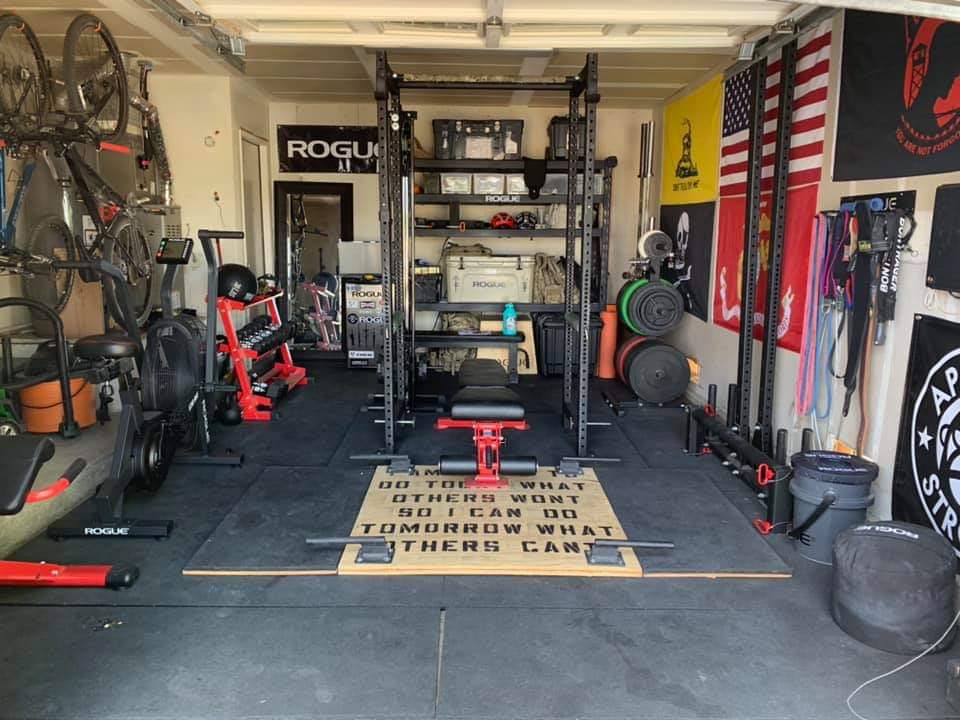
Credit: www.garagegymreviews.com
Benefits Of A Home Gym
Building a home gym offers many advantages. It saves time and money. No need to travel to a public gym. You can exercise anytime. Enjoy privacy and convenience. Customize your gym to meet your needs.
Convenience At Your Fingertips
Work out whenever you want. No more waiting for equipment. No crowded spaces. Your home gym is open 24/7. Perfect for busy schedules.
Cost Savings Over Time
Initial costs may seem high. But consider long-term savings. No monthly gym fees. No transportation costs. Equipment lasts for years. It pays for itself.
Personalized Environment
Create a space you love. Choose your equipment. Add your favorite music. Set the temperature to your liking. A comfortable environment boosts motivation.
Improved Focus And Privacy
No distractions. Focus solely on your workout. No need to feel self-conscious. Privacy helps concentration. Achieve better results.
Health And Wellness Benefits
Regular exercise improves health. Reduces stress. Boosts mood. Enhances physical fitness. A home gym supports a healthier lifestyle.
Assessing Your Fitness Needs
Creating a home gym can fit various budgets. Costs vary based on equipment choices and space requirements. Consider expenses for basic gear like dumbbells, mats, and resistance bands, and factor in potential upgrades for advanced machines and flooring.
Building a home gym is more than just buying equipment—it’s about creating a space that caters to your unique fitness needs. Before you start, take a moment to assess what you truly need to achieve your fitness goals. This step is crucial; it keeps you from wasting money on equipment you won’t use and ensures you create a gym that motivates you daily.Identifying Your Goals
Begin by asking yourself: What are your fitness goals? Do you want to build muscle, improve cardiovascular health, or enhance flexibility? Your goals will dictate the type of equipment you need. If your aim is strength training, you might prioritize weights and resistance bands. If cardio is your focus, consider a treadmill or exercise bike. Think about your current fitness level and where you want to be in the next six months. This vision will guide your purchases and ensure you’re investing in equipment that you’ll actually use.Space Considerations
Next, think about where you’ll place your gym. Do you have a spare room, a garage, or just a corner in your living room? The space you have will influence the type and size of equipment you can accommodate. A large room may allow for a full-size treadmill, while a smaller space might be better suited for compact equipment like folding benches or adjustable dumbbells. Measure your space carefully. Consider storage solutions, like wall racks for weights, to maximize room efficiency. You want your gym to be inviting, not cramped—so plan wisely. By assessing your fitness needs and considering the space you have, you set a strong foundation for building a home gym that’s perfectly tailored to you. What’s your vision for your home gym? Are you ready to turn it into reality?Budget-friendly Equipment Options
Creating a home gym can save you money in the long run. You can work out anytime without paying gym fees. But how much will it cost to set up a basic home gym? With budget-friendly options, you can build your gym without breaking the bank. Focus on essential equipment and multi-use gear for the best results.
Essential Equipment
Start with a yoga mat. It provides comfort and a non-slip surface. Perfect for stretching and floor exercises. Jump ropes are another great choice. They improve cardiovascular health and are easy to store. Resistance bands add versatility to workouts. They strengthen muscles and enhance flexibility.
Dumbbells are vital. You can use them for various exercises. Adjustable dumbbells save space and cost. Kettlebells are another option. They enhance strength and endurance. Opt for a basic set to begin.
Multi-use Gear
Consider a stability ball. It helps with balance and core strength. Use it for sit-ups, push-ups, and more. A pull-up bar is also handy. It fits in doorways and supports upper body strength.
Foam rollers aid in recovery. They relieve muscle tension and improve flexibility. Exercise benches add variety. They support weight training and bodyweight exercises. Choose a bench that adjusts to different angles. This increases exercise options.
High-end Equipment Choices
Creating a home gym with high-end equipment choices can be a significant investment. For those seeking advanced features and superior quality, high-end options are abundant. These choices cater to fitness enthusiasts who want the best for their workouts.
Advanced Machines
Advanced machines offer specialized workouts with enhanced performance and durability. Brands like Peloton and NordicTrack provide treadmills with high tech features. These machines often include custom workouts and virtual coaching. Expect prices to range from $1,500 to $4,000, depending on features. High-end exercise bikes or rowers can also elevate your fitness routine. Look for models with ergonomic designs and digital tracking.
Tech-enhanced Options
Tech-enhanced equipment brings innovation to your home gym. Smart dumbbells and kettlebells adjust weight digitally. These options can cost between $400 and $1,500. Interactive mirrors like Tonal and Mirror offer virtual fitness classes. They provide real-time feedback and personalized training. Prices for these mirrors start at around $1,500 and can exceed $3,000. Investing in tech options can significantly enrich your exercise experience.
Diy Solutions For Savings
Creating a home gym doesn’t need to break the bank. DIY solutions offer a budget-friendly path to fitness. By using homemade equipment and repurposing household items, you can save a lot. Let’s explore how to make your home gym affordable and effective.
Homemade Equipment Ideas
Build your own weights with concrete and plastic buckets. It’s simple and cheap. Use PVC pipes to create a sturdy pull-up bar. Fill old tires with sand for an easy-to-make weight. Craft balance boards with scrap wood and a log. These ideas transform basic materials into gym gear. They offer a practical way to stay fit on a budget.
Repurposing Household Items
Look around your home for unused items. Use milk jugs filled with water as dumbbells. Old towels can serve as resistance bands. A sturdy chair works well for step exercises. A backpack filled with books becomes a weight for squats. These items turn everyday objects into workout tools. Maximize your savings while keeping fit at home.

Credit: homeguide.com
Cost Breakdown Analysis
Building a home gym involves a careful cost analysis. Understanding the expenses can help plan your budget effectively. From initial purchases to ongoing costs, every detail matters. Here’s a breakdown of the costs associated with creating your fitness space.
Initial Investment
The initial investment is where you spend the most. Equipment like weights, benches, and treadmills are key. Prices vary based on quality and brand. Basic setups cost less but may lack durability. High-end equipment offers advanced features. Flooring is also essential for safety and comfort. Rubber tiles or mats are popular choices. Mirrors enhance the space and help track progress. Factor in storage solutions for equipment organization. Total initial costs can range widely.
Ongoing Maintenance
Ongoing maintenance ensures your gym stays functional. Regular cleaning prevents dust and damage. Equipment may need repairs over time. Some machines require periodic servicing. Check warranties for coverage details. Replacing worn-out items is part of maintenance. Keep an eye on floors for wear and tear. Maintenance costs vary but are necessary for longevity. Allocate funds for unexpected repairs or replacements.
Tips For Maximizing Value
Creating a home gym involves costs for equipment, flooring, and storage. Start with essentials like dumbbells and mats. Compare prices online to find deals and maximize value within your budget.
Building a home gym can be a dream come true for fitness enthusiasts, but managing costs is crucial. Whether you’re looking to lift weights or do cardio, maximizing the value of your investment is essential. Simple strategies can help you create a functional gym without breaking the bank. Let’s dive into some practical tips that can save you money and enhance your home gym experience.Buying Used Equipment
Buying used gym equipment can be a smart way to stretch your budget. Pre-owned gear often costs significantly less than brand new items. Check online marketplaces like Craigslist or Facebook Marketplace for deals. Sometimes people sell hardly-used equipment due to moving or lifestyle changes. Before purchasing, inspect the equipment for wear and tear. A little rust can often be cleaned up, but ensure that all mechanical parts are functioning properly. You wouldn’t want your treadmill to stop mid-run! Connect with local gyms or fitness centers. They occasionally upgrade their equipment and sell older models at a discount. This could be a goldmine for high-quality, durable items.Seasonal Deals
Timing your purchases can lead to big savings. Retailers often offer discounts during certain seasons, particularly around holidays. Keep an eye out for Black Friday and New Year’s sales. These are prime times for scoring deals on fitness gear as stores capitalize on holiday shopping and resolutions. Subscribe to newsletters from your favorite fitness brands. They frequently send out exclusive offers and coupons that can significantly cut costs. Consider purchasing equipment in the off-season. For instance, buying outdoor exercise gear in winter might be cheaper than in summer. Have you ever wondered if waiting a few weeks could save you money? It’s worth considering the timing of your purchases to maximize savings. By following these tips, you can create a home gym that meets your needs without overspending. Enjoy your workouts knowing you’ve made smart, value-driven decisions!Comparing Home Gym Vs. Gym Membership
Building a home gym can cost less than a gym membership over time. Equipment prices vary, but essentials like dumbbells and resistance bands are affordable. Renovating space might add to costs, yet it’s a one-time investment.
Building a home gym can seem expensive at first. Yet, it can offer numerous benefits compared to a gym membership. Understanding the differences helps make an informed decision. Let’s explore the costs and benefits of each option.Long-term Savings
A home gym may require a significant initial investment. Equipment like weights, benches, and machines add up. But over time, the savings become clear. Gym memberships usually involve monthly fees. These fees accumulate, resulting in higher costs over years. Owning equipment means no monthly payments. This can lead to considerable savings in the long run.Convenience Factor
Having a home gym offers unmatched convenience. No travel time to and from the gym. Work out whenever it fits your schedule. Avoid crowded gyms and waiting for equipment. This flexibility can lead to more consistent workouts. A home gym adapts to your lifestyle. Enjoy privacy while exercising. No need to adhere to gym hours. This convenience can enhance motivation and routine.
Credit: www.fixr.com
Frequently Asked Questions
Is It Cheaper To Build Your Own Gym?
Building your own gym can be cheaper long-term. Initial costs vary based on equipment choice. Home gyms save on membership fees and travel. Start small and gradually add equipment to manage expenses. Investing in quality equipment ensures durability and better workouts.
Assess your fitness needs and budget before deciding.
How Much Money Do I Need To Build A Home Gym?
Building a home gym can cost between $500 and $5,000. Start with essential equipment like dumbbells, a bench, and resistance bands. Gradually add machines based on your budget. Buying second-hand equipment can reduce costs significantly. Consider space and fitness goals to determine what to purchase.
How Much Will It Cost To Setup A Gym At Home?
Setting up a home gym costs between $500 to $5,000. Costs depend on equipment quality and quantity. Basic setups with dumbbells, resistance bands, and a yoga mat are affordable. High-end setups with machines and advanced gear increase costs. Plan based on budget and fitness goals for optimal investment.
Does A Home Gym Increase Property Value?
A home gym can boost property value by appealing to fitness enthusiasts. Buyers often appreciate the convenience. Quality equipment and a well-designed space enhance the appeal. While it might not guarantee a significant increase, it can make your home more attractive compared to others without a gym.
Conclusion
Building a home gym doesn’t have to break the bank. Start small with essential equipment. Dumbbells, a yoga mat, and resistance bands are affordable. Gradually add more gear as your budget allows. Consider second-hand options to save money. Creating a gym at home means convenience.
No travel or membership fees. Tailor the gym to fit your fitness goals and space. Keep your budget in mind. Stay motivated and enjoy the benefits of working out at home. With planning, you can build a gym that suits your needs and finances.
Fitness dreams are within reach.