Are you dreaming of opening your very own gym? If you’re passionate about fitness and eager to help others achieve their goals, starting a gym could be the perfect venture for you.
But before you dive in, it’s crucial to understand the financial commitment involved. How much does it really cost to make a gym? You might be surprised by the variety of expenses that can add up quickly. From securing the right location to purchasing top-notch equipment, every decision impacts your budget and the success of your business.
We’ll break down the costs and guide you through the essential steps, ensuring you’re prepared to make informed choices. Let’s explore what it truly takes to turn your dream gym into a profitable reality.

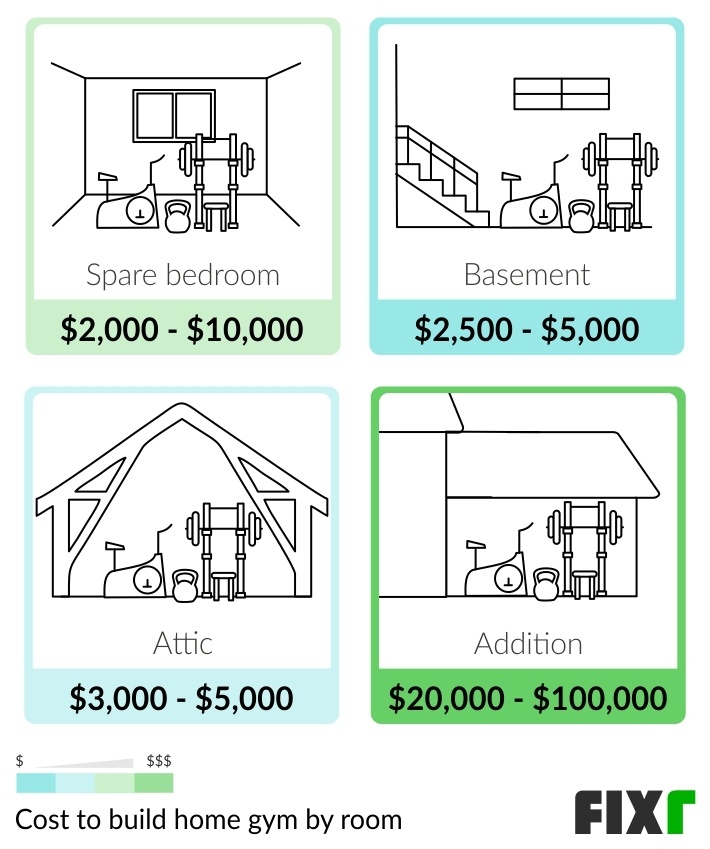
Credit: www.fixr.com
Initial Planning
Estimating gym setup costs involves various factors. Consider equipment, location, renovation, permits, and marketing expenses. Initial costs vary widely, typically ranging from $50,000 to $500,000.
When you think about opening a gym, the initial planning stage is crucial. This phase lays the groundwork for your future success and helps you understand the costs involved. It’s not just about buying equipment and finding a place; it’s about making informed decisions that will influence your gym’s profitability and sustainability.Market Research
Start with thorough market research. Understand who your potential customers are and what they need. Are there other gyms in your area? You might discover that a new yoga studio just opened nearby, and this could affect your decision. Identifying gaps in the market can help you find your niche. For example, if there’s a demand for family-friendly fitness classes, consider how you can offer that.Location Selection
Choosing the right location is pivotal. Your gym’s location can significantly impact your success. Think about visibility, accessibility, and the demographics of the area. Consider a spot that is convenient for your target audience. A location near offices might attract professionals looking for a quick workout during lunch. On the other hand, a suburban area could be ideal for family-oriented services.Business Model Options
Next, consider the various business models available. Will you offer memberships, pay-per-visit, or a mix of both? Each model comes with its own set of costs and benefits. Reflect on your personal experience with gyms. Have you noticed that some gyms offer additional services like personal training or nutrition counseling? These services can attract more members and increase revenue but also require additional planning and investment. As you navigate these decisions, think about what makes your gym unique. What can you offer that others don’t? Your answers will guide you in crafting a detailed business plan that outlines your vision and sets realistic financial goals. What decisions will you make today that will shape your gym’s future?
Credit: www.exercise.com
Basic Setup Costs
Starting a gym involves several basic setup costs. Each element plays a crucial role in creating a functional space. Understanding these costs helps in planning and budgeting effectively.
Lease And Rent Expenses
Lease or rent is often the biggest expense. Costs vary by location and size. Urban areas tend to be more expensive. Smaller towns might offer cheaper options. Consider the long-term impact on your budget. Negotiate wisely to secure a favorable deal.
Renovation And Construction
Renovation and construction can transform any space into a gym. This includes installing flooring, partitions, and paint. It also involves setting up workout areas and locker rooms. Costs depend on the complexity and quality desired. Hiring professionals ensures quality work. Plan the layout to maximize space efficiently.
Utilities And Insurance
Utilities cover electricity, water, and heating. These are essential for daily operations. Monthly costs can fluctuate. Energy-efficient solutions might reduce expenses. Insurance protects against unexpected events. It’s crucial for safeguarding investments. Coverage varies, so choose a plan that suits your needs. This ensures peace of mind as you operate your gym.
Equipment Investment
Creating a gym requires careful budgeting for equipment investment. Essential items like weights, treadmills, and bikes can cost between $10,000 to $50,000. Additional expenses include flooring, mirrors, and maintenance, further impacting the overall budget.
Investing in equipment is one of the most crucial aspects of setting up a gym. It’s not just about filling the space with machines; it’s about selecting the right tools that meet the needs of your members. A well-thought-out equipment investment can determine the success of your gym. How do you decide which equipment is worth the spend? Let’s break it down.Cardio Machines
Cardio machines are a staple in any gym, providing essential workouts for heart health and endurance. Treadmills, stationary bikes, and ellipticals are popular choices. Prices can vary widely; a basic treadmill might cost around $1,000, while high-end models can exceed $5,000. Consider your target audience. Do they prefer cutting-edge technology or basic functionality? Don’t forget to factor in maintenance costs, as these machines require regular servicing.Strength Training Equipment
Strength training is key for building muscle and improving overall fitness. Investing in a variety of weights, benches, and resistance machines is essential. Dumbbells and kettlebells can range from $20 to $500 depending on weight and brand. Weight machines can set you back several thousand dollars each. Think about your gym’s space and layout. Are you optimizing for a variety of workouts, or focusing on a specific niche like powerlifting?Flooring And Accessories
Quality flooring is often overlooked but is vital for safety and durability. Rubber flooring is popular due to its durability and shock absorption, costing around $2 to $8 per square foot. Accessories like mats, foam rollers, and bands enhance the workout experience. They are generally inexpensive but add significant value. Are you creating a welcoming environment where members feel inspired to push their limits? Choosing the right equipment is an investment in your gym’s future. Consider the needs of your members and the type of experience you wish to provide. Making informed decisions will not only benefit your business but also enhance the satisfaction and loyalty of your customers.
Credit: www.youtube.com
Staffing And Training
Staffing and training are vital for a gym’s success. These elements ensure that clients receive quality service and guidance. To build a strong team, consider hiring costs, salaries, and training programs. Each factor affects the overall budget and quality of your gym.
Hiring Costs
Hiring the right staff is crucial. Costs can vary based on location and experience. Start with a recruitment plan. Use online platforms to find potential candidates. Consider advertising costs for job listings. Interviewing and screening processes also incur expenses. Hiring decisions impact the budget significantly.
Salaries And Benefits
Salaries form a major part of staffing expenses. Competitive pay attracts skilled trainers and staff. Research the market rates for gym roles. Benefits enhance your offer, attracting better candidates. Health insurance, retirement plans, and paid time off are common benefits. Offering these ensures staff loyalty and satisfaction.
Training Programs
Training is essential for staff development. It improves service quality and client satisfaction. Invest in regular training sessions. This keeps staff updated with new fitness trends and techniques. Online courses, workshops, and certifications are options. Allocate a budget for training materials and resources. Continuous learning builds a competent team.
Marketing And Promotion
Marketing and promotion play a key role in the success of a gym. They help attract new members and retain existing ones. Effective marketing strategies can make your gym stand out.
Brand Development
Building a strong brand is essential for a gym. It creates a unique identity. This includes designing a memorable logo and choosing a catchy name. Consistent colors and themes across your gym and materials are important. They help in building recognition and trust.
Advertising Strategies
Effective advertising boosts a gym’s visibility. Local newspapers, radio, and online ads reach potential customers. Offering promotions like free trials can encourage sign-ups. Collaborations with local businesses can also expand your reach.
Social Media Presence
Social media is a powerful tool for gyms. Platforms like Facebook and Instagram engage with potential members. Regular posts about classes, success stories, and events keep followers interested. Engaging content can increase your gym’s popularity. Responding to comments builds a community around your brand.
Operational Expenses
When setting up a gym, understanding operational expenses is crucial for long-term success. These expenses go beyond initial setup costs and can affect your profitability. You might wonder, what should you really budget for?
Membership Management
Managing memberships effectively is essential for maintaining a steady stream of revenue. You’ll need systems in place to handle member sign-ups, renewals, and cancellations. Think about hiring staff for member services or investing in automated systems. This could mean monthly fees for membership management software or payroll expenses.
Maintenance And Repairs
Equipment wear and tear is inevitable. Regular maintenance ensures your gym stays safe and functional. Imagine walking into a gym with broken machines—that’s a quick way to lose members. Budget for routine maintenance and unexpected repairs. This might include setting aside a percentage of your monthly income for these purposes.
Technology And Software
Technology plays a pivotal role in modern gyms. From booking systems to fitness tracking apps, tech can enhance member experience. Investing in software solutions can streamline operations and improve customer satisfaction. Consider what technologies are indispensable for your gym’s success. This could range from fitness apps to security software.
Have you thought about the impact of operational expenses on your gym’s success? These costs can make or break your business. Being proactive and thoughtful in budgeting ensures your gym remains competitive and profitable.
Cost-saving Strategies
Creating a gym involves various expenses, including equipment and rent. Costs range from $10,000 to $50,000 or more. Choosing used equipment and negotiating rent can reduce expenses significantly. Careful planning and budgeting are essential for cost-saving strategies.
Creating a gym can be a costly venture, but smart strategies can save you a substantial amount of money. Implementing cost-saving measures not only helps you manage your budget effectively but can also enhance your gym’s appeal to potential members. Below, we explore practical strategies that can make a big difference in your gym’s financial health.Bulk Purchase Discounts
Purchasing equipment in bulk can lead to significant discounts. Manufacturers often offer lower prices when you buy multiple units. Consider negotiating deals with suppliers to maximize savings. This strategy not only reduces upfront costs but ensures you have enough equipment to accommodate your members. Can you imagine the satisfaction of getting top-notch equipment at a fraction of the price?Energy Efficiency
Investing in energy-efficient appliances and lighting can drastically cut your utility bills. LED lights and energy-saving machines might have a higher initial cost but pay off in the long run. Think about how much you could save monthly by reducing energy consumption. This approach not only saves money but also appeals to eco-conscious members looking for a sustainable gym environment. Have you considered how a green gym could attract more members?Flexible Membership Plans
Offering flexible membership plans can attract more members and stabilize revenue. Consider monthly, quarterly, and annual plans to cater to different preferences. By providing options, you can appeal to a broader audience, including those hesitant to commit long-term. This flexibility often leads to increased membership sign-ups and retention. Is your gym versatile enough to meet varied customer needs? Implementing these cost-saving strategies can transform your gym from a financial burden into a thriving business. Which strategy resonates most with your vision for your gym?Frequently Asked Questions
How Much Does It Cost To Start A Gym?
Starting a gym costs between $50,000 and $500,000, depending on location, size, and equipment. Budget for rent, insurance, licenses, and marketing. Opt for used equipment to reduce expenses. Consider additional costs for staffing and utilities. Plan carefully to ensure a successful launch within your budget.
How Profitable Is Owning A Gym?
Owning a gym can be profitable with proper management, location, and marketing. Successful gyms often see profit margins between 10-20%. Factors like membership retention and diversified services, such as personal training, boost profitability. Initial investment and operational costs influence returns, making strategic planning crucial for financial success.
How Much Will It Cost To Build Your Own Gym?
Building a gym costs $10,000 to $50,000, depending on equipment, space, and location. Budget for flooring, mirrors, and ventilation too. Consider recurring costs like maintenance and utilities. Plan wisely to optimize expenses while ensuring quality.
How Much Does It Cost To Start A Little Gym?
Starting a small gym typically costs between $10,000 and $50,000. Expenses include equipment, rent, insurance, and marketing. Plan carefully to manage costs effectively. Consider location, target audience, and facility size to optimize your investment.
Conclusion
Creating a gym requires a thoughtful budget plan. Costs vary based on location and size. Equipment is a major expense. Quality matters here. Don’t forget permits and insurance. These add to initial costs. Marketing expenses also play a role. Attracting members is key.
Consider hiring skilled staff. They enhance the gym’s success. Balance quality with budget limits. Plan wisely and research thoroughly. With careful planning, opening a gym can be achievable. Success depends on smart financial decisions.