Are you dreaming of turning your passion for fitness into a thriving business? Opening a small gym might be the perfect opportunity for you.
But before you dive into the world of dumbbells and treadmills, there’s a crucial question you need to answer: How much does it cost to open a small gym? Understanding the financial commitment can make or break your entrepreneurial journey, and that’s exactly what we’re going to explore.
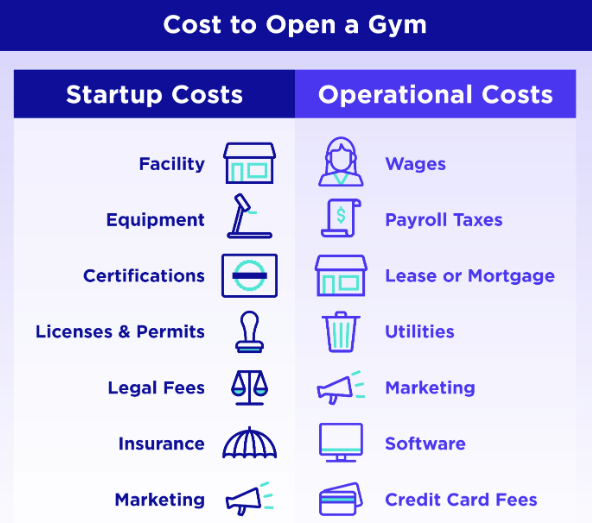
Picture this: You’re standing in your very own gym, watching members transform their lives. It’s exhilarating, but getting there requires more than just enthusiasm. From leasing space and buying equipment to marketing and hiring staff, the costs can add up quickly. But don’t worry, we’re here to break it all down for you. This guide will give you a clear picture of the expenses involved, helping you plan effectively and avoid common pitfalls. So, if you’re ready to take the first step towards making your gym dream a reality, keep reading. You’ll gain insights that can help you make informed decisions and set a solid foundation for your future success.
Credit: wod.guru
Initial Planning
Planning to open a small gym involves estimating costs carefully. Consider equipment, space rental, insurance, and staff salaries. Proper budgeting ensures financial readiness and smooth operation from day one.
Opening a small gym is an exciting venture filled with opportunities and challenges. One of the crucial steps in this journey is the Initial Planning phase. This is where you lay the groundwork for your gym’s success. Let’s dive into some key considerations that will guide your planning process.Business Model Selection
Choosing the right business model is the foundation of your gym. Will you go for a boutique gym with specialized classes, or a general fitness center with a variety of equipment? Your choice will affect everything from your startup costs to your marketing strategies. Think about what you enjoy and where your expertise lies. Are you passionate about personal training, group classes, or weightlifting? Your strengths can shape your business model and make your gym stand out. You could even consider a hybrid model, combining several offerings. This flexibility might appeal to a wider audience and increase your membership base.Location Considerations
The location of your gym can make or break your business. A spot that’s easily accessible and visible can draw in walk-in traffic and boost your membership numbers. Research the demographics of the area. Are there enough potential customers who fit your target market? If your gym caters to young professionals, a location near offices might be ideal. Consider the competition. Being close to other gyms could be beneficial if your services are unique. However, too much competition might make it hard to attract members.Target Market Analysis
Understanding your target market is crucial. Who are the people you’re trying to attract, and what are their fitness needs and preferences? Conduct surveys and engage with potential customers. This will provide you with valuable insights into what they want from a gym. Perhaps they desire flexible class schedules or top-notch equipment. Analyze the existing gyms in your area. What are they offering, and where are they lacking? This can help you carve out a niche and offer something different. Have you ever wondered if there’s a specific group that’s underserved in your community? Tapping into such a niche could be the key to your gym’s success. The initial planning phase is all about asking the right questions and making informed decisions. With careful consideration, you can lay a strong foundation for your small gym, setting it up for long-term success.
Credit: www.fixr.com
Facility Costs
Understanding facility costs is essential for opening a small gym. These expenses can significantly affect your budget. The two main components are lease or purchase expenses and renovation and setup costs. Careful planning ensures your gym is financially viable.
Lease Or Purchase Expenses
Choosing between leasing or buying a gym facility impacts your costs. Leasing often requires less upfront capital. Monthly payments include rent and utilities. Buying involves higher initial investment. It can provide long-term savings. Evaluate your financial situation. Decide which option suits your needs.
Renovation And Setup
Renovation costs depend on the condition of the building. New flooring, painting, and electrical work may be needed. Setup includes purchasing equipment and installing mirrors. Allocate funds for locker rooms and showers. Proper setup creates an inviting atmosphere. It enhances member satisfaction.
Equipment Investment
Opening a small gym requires investment in essential equipment. Basic setups cost around $10,000 to $50,000. Expenses include weights, cardio machines, mats, and mirrors. Choose wisely to balance quality and cost.
Opening a small gym requires careful planning, especially when it comes to equipment investment. This is where the bulk of your initial expenses will land. But fear not, with the right approach, you can create a fitness haven that fits your budget and attracts members.Cardio Machines
Cardio machines are the heart of any gym. Treadmills, stationary bikes, and ellipticals are staples. Each offers unique benefits and caters to different fitness goals. Consider the cost and quality balance. A reliable treadmill might cost anywhere from $1,000 to $5,000. Start with a few versatile machines and expand as your membership grows. What cardio machines do your members prefer? Knowing your audience can help you make smart purchasing decisions.Strength Training Equipment
Strength training equipment is essential for any gym. Dumbbells, barbells, and benches are foundational. A good set of dumbbells could set you back $300 to $1,000. Investing in a versatile power rack is also wise, with prices ranging from $500 to $1,500. Think about the space you have. You want to offer variety without overcrowding your gym.Additional Accessories
Accessories can enhance the workout experience. Yoga mats, resistance bands, and kettlebells are popular choices. These items are relatively affordable, with resistance bands starting at around $10 per set. Offering a variety of accessories can set your gym apart. Have you considered what unique accessories could appeal to your target market? Differentiating your gym can attract more members. Equipping your gym is a significant part of your startup investment. But with careful planning, you can create a space that meets your members’ needs and fits your budget.Staffing And Salaries
Opening a small gym requires careful planning and budgeting. Staffing and salaries form a significant part of your expenses. The right staff ensures a smooth operation and satisfied members. Understanding the costs involved in hiring can help you manage your budget effectively. Hiring skilled trainers and support staff is essential for success.
Hiring Trainers
Trainers are the face of your gym. Their expertise attracts and retains members. Salaries for trainers vary based on experience and certifications. On average, expect to pay between $30,000 to $50,000 annually. High-demand trainers may require more. Part-time trainers offer a flexible, cost-effective option. They can fill in during peak hours. This approach helps manage costs without compromising quality.
Administrative Roles
Administrative staff keep the gym running smoothly. They handle memberships, scheduling, and customer service. Salaries for administrative roles range from $25,000 to $40,000 annually. Roles may include receptionists, membership consultants, and managers. Hiring the right staff can improve member satisfaction and retention. Consider cross-training staff for multiple roles. This strategy maximizes efficiency and reduces costs.
Licenses And Permits
Starting a small gym involves costs for licenses and permits. These fees vary by location and gym size. Research local regulations to budget effectively.
Opening a small gym is an exciting venture, but before you can start welcoming fitness enthusiasts, there’s a crucial step that you must navigate: obtaining the necessary licenses and permits. These legal requirements ensure your gym operates lawfully and safely, protecting both your business and your clients. It’s a step that can feel daunting, but with the right preparation, it can be a straightforward process.Zoning Requirements
Understanding zoning requirements is essential. Local governments dictate where businesses can operate, and gyms often have specific zoning classifications. Make sure your chosen location aligns with these rules to avoid costly relocations. Before signing a lease, check with your city’s zoning office. They can confirm if your desired area is suitable for a gym. This step prevents future headaches and ensures you’re on the right side of local laws. Do you have a backup plan if your first choice doesn’t meet zoning regulations? Planning ahead can save time and money.Health And Safety Regulations
Health and safety regulations are non-negotiable. These rules protect your clients from injuries and ensure your gym is a safe space. Familiarize yourself with local health department requirements, which may include sanitation standards and equipment safety checks. Consider installing proper ventilation systems. This not only meets health codes but also creates a comfortable environment for your clients. Are your emergency exits clearly marked? It’s a small detail that can make a big difference in ensuring safety compliance.Licenses and permits are more than just paperwork. They’re the foundation for your gym’s success. By meeting zoning and health regulations, you pave the way for a thriving business that clients trust.

Credit: www.bftfitness.com
Marketing And Branding
Starting a small gym involves various costs like equipment, rent, and insurance. Initial expenses can range from $10,000 to $50,000. Careful budgeting ensures financial stability and success.
Opening a small gym involves various costs, and marketing and branding play crucial roles. Effective marketing strategies attract potential customers. Strong branding sets your gym apart from competitors. Investing in these areas can significantly impact your gym’s success.Advertising Strategies
Advertising is essential to reach your target audience. Consider local channels like newspapers and radio stations. Digital advertising on platforms like Facebook and Google can be effective. They allow precise targeting based on location and interests. Flyers and posters in community centers also work. Hosting free trial classes or events can engage potential customers. Word-of-mouth marketing through satisfied clients is powerful. Offer incentives for referrals to boost this method.Brand Development
Brand development establishes your gym’s identity. Choose a memorable name and logo that reflects your values. Consistency in branding across all platforms is key. Develop a unique selling proposition (USP) to highlight what makes your gym special. Craft a clear message that resonates with your audience. Engage with your community to build trust and loyalty. Use social media to share your gym’s story and updates. Quality customer service strengthens your brand image over time.Operational Expenses
Opening a small gym is an exciting venture, but it comes with its own set of operational expenses that you can’t ignore. These expenses, if not managed well, could eat into your profits and affect your business’s sustainability. It’s crucial to understand the cost factors involved, so you can budget effectively and keep your gym running smoothly. Let’s dive into some of the key operational expenses you should be aware of.
Utility Bills
Utility bills are a significant part of your gym’s operational costs. They include electricity, water, heating, and possibly internet services. Keeping the lights on and machines running smoothly is non-negotiable. Have you considered how much electricity those treadmills consume?
One way to manage these costs is by investing in energy-efficient equipment. While the initial cost might be higher, the long-term savings can be substantial. You could also consider implementing energy-saving practices, like using LED lighting or setting thermostats to optimal temperatures.
Maintenance Costs
Maintenance costs are another critical aspect of operational expenses. Gym equipment, like treadmills and weight machines, require regular upkeep to ensure safety and functionality. When was the last time you serviced your machines?
Neglecting maintenance can lead to breakdowns, which not only disrupt your service but also incur additional costs. Create a maintenance schedule and stick to it. Regular checks can prevent minor issues from turning into costly repairs.
Consider hiring a professional for complex equipment maintenance. While it might seem like an added expense, it can save you money in the long run by preventing major failures. Plus, it gives you peace of mind knowing your equipment is safe and reliable for your customers.
Technology And Software
Technology and software play a key role in managing a gym efficiently. They streamline operations and enhance member experience. Investing in technology can impact your gym’s success and cost structure.
Membership Management Systems
Membership management systems simplify member sign-ups and renewals. They help track attendance and process payments. A good system offers reporting tools for better decision-making.
Costs for these systems vary. They depend on features and the number of users. Budget-friendly options may start at $50 per month. Advanced systems can go up to $300 monthly.
Fitness Tracking Apps
Fitness tracking apps enhance member engagement. They allow users to track workouts and progress. These apps can also offer personalized workout plans.
Some apps are free, but premium features may cost extra. Monthly fees can range from $10 to $30 per user. Choose an app that aligns with your gym’s goals and budget.
Insurance And Risk Management
Opening a small gym involves various costs like equipment, rent, and utilities. Insurance and risk management are crucial expenses to ensure protection from potential liabilities and unexpected events. These factors significantly influence the total investment needed to start the business safely.
Opening a small gym involves more than just purchasing equipment and renting space. Insurance and risk management are crucial aspects that protect your investment and ensure your business runs smoothly. Without proper coverage, unexpected incidents can threaten your financial stability. It’s essential to understand the types of insurance you’ll need and how they shield your gym from unforeseen circumstances.Liability Coverage
Liability coverage is your first line of defense against accidents or injuries that happen in your gym. Imagine a scenario where a member slips on a wet floor and sustains an injury. Liability insurance can cover the medical expenses and legal fees that may arise from such incidents. Having robust liability coverage gives you peace of mind. It allows you to focus on providing quality services instead of worrying about potential lawsuits. Make sure your policy covers a wide range of scenarios, including personal injury and property damage.Property Insurance
Property insurance is vital for safeguarding the physical assets of your gym. This includes everything from exercise equipment to the building itself. Suppose a fire damages your facility or theft results in loss of expensive gear. Property insurance can cover the repair or replacement costs, allowing you to resume operations quickly. Consider the value of your equipment and the structure when choosing property insurance. Ensure that your coverage is adequate to replace all assets in case of total loss. Regularly updating your policy to reflect new purchases is a smart move. How prepared are you to handle risks associated with running a gym? Investing in comprehensive insurance not only protects your assets but also builds trust with your clients. They know they’re in safe hands, encouraging loyalty and long-term membership.Contingency Funds
Starting a small gym involves many costs. One crucial aspect often overlooked is contingency funds. These funds are vital for unexpected situations. They ensure your gym remains operational during unforeseen events. Let’s explore the importance of contingency funds.
Emergency Reserve
An emergency reserve acts as a financial cushion. It covers unexpected financial challenges. These could include equipment breakdowns or sudden repairs. Setting aside a portion of your budget is wise. Aim for at least three months’ worth of expenses. This reserve offers peace of mind. It helps sustain operations during tough times.
Unplanned Expenses
Unplanned expenses can arise anytime. Think about unexpected utility bills or insurance increases. These can strain your budget. Having a plan for such costs is essential. Allocate a specific amount monthly. This prepares you for any sudden financial surprises. It ensures your gym’s financial health stays intact.
Frequently Asked Questions
How Profitable Is A Small Gym?
A small gym can be profitable with effective management and marketing strategies. Monthly profits vary between $1,000 to $10,000. Key factors include location, membership fees, and operational costs. Offering unique services and maintaining high customer satisfaction can boost profitability.
How Much Money Does A Small Gym Owner Make?
Small gym owners typically make between $30,000 and $100,000 annually. Earnings depend on location, membership size, and expenses. Successful marketing and management can significantly impact income.
How Much Does It Cost To Open A Little Gym?
Opening a little gym typically costs between $10,000 to $50,000. Costs vary based on location, equipment, and size. Conduct thorough market research to better estimate expenses. Consider factors like rent, equipment, marketing, and staffing. Budget wisely to ensure a successful launch.
What Is The Initial Cost To Open A Gym?
The initial cost of opening a small gym can range from $10,000 to $50,000. This includes expenses for equipment, rent, and licenses. The exact cost depends on the location, size, and services offered. Planning and budgeting carefully can help manage these expenses effectively.
Conclusion
Opening a small gym can be a rewarding venture. Costs vary widely based on location and equipment needs. Plan carefully to avoid financial stress. Consider expenses like rent, equipment, and insurance. Research local competition and market demand. A solid business plan helps in managing costs effectively.
Seek advice from experts or fellow gym owners. Understand your target audience and tailor services to them. With proper planning, your gym can thrive and provide a valuable community service. Remember, success comes from dedication and smart financial choices. Keep your goals clear and your budget realistic.