Are you dreaming of opening your very own gym but unsure about the costs involved? You’re not alone.
Many aspiring gym owners like you are eager to dive into the fitness industry but are hesitant because of financial uncertainties. Understanding the costs to open a gym is crucial to your success. Whether you’re planning a cozy neighborhood fitness center or a state-of-the-art health club, knowing where your money will go helps you make informed decisions.
Imagine feeling confident about your budget and knowing exactly what steps to take next. Keep reading, because this guide will break down the costs for you in simple terms, ensuring you’re well-prepared to turn your gym dream into reality.
Location Costs
Opening a gym involves various location costs. Rent, utilities, and property taxes can significantly impact expenses. Consider the area’s popularity, accessibility, and competition to estimate costs effectively.
Location costs play a significant role in determining the overall budget for opening a gym. The choice of location can make or break your business. It’s not just about finding a spot; it’s about finding the right spot that aligns with your target audience and budget constraints.Lease Or Purchase Expenses
When considering a location, you need to decide whether to lease or purchase. Leasing can reduce upfront costs but might involve higher long-term expenses. Purchasing, on the other hand, requires a larger initial investment but can save money over time. Leasing provides flexibility, especially if you’re testing a market. However, purchasing can be a long-term asset, potentially increasing in value. Weigh the pros and cons according to your financial situation and business goals.Renovation And Setup Costs
Once you secure a location, renovation and setup costs come into play. These expenses can vary widely based on the building’s condition and your gym’s vision. You might need to install specialized flooring, upgrade plumbing, or add showers and locker rooms. Consider creating a detailed renovation plan to avoid unexpected costs. A friend of mine once underestimated these expenses and ended up overshooting their budget by 20%. Have you thought about the layout and design? A well-thought-out space can enhance user experience and operational efficiency. Ensure that your budget allows for both functional necessities and aesthetic improvements.Equipment Expenses
Opening a gym requires substantial investment in equipment. Costs vary depending on the quality and quantity needed. Budget around $50,000 to $100,000 for essential machines and weights to meet basic fitness needs.
Opening a gym involves a significant investment, with equipment expenses being one of the major costs. The type of equipment you choose can dramatically influence your budget. Do you go for the basic essentials or invest in advanced machinery? Let’s break down the costs to help you make an informed decision.Essential Equipment
To get your gym off the ground, you’ll need a range of essential equipment. These are the items most gym-goers expect, like treadmills, stationary bikes, and weight benches. A single quality treadmill can cost anywhere from $1,000 to $3,000. Consider the diversity of your clientele. Free weights like dumbbells and barbells can range from $200 to $1,000 depending on the weight and brand. Investing in essential equipment ensures you meet the basic needs of your members without overspending.Advanced Machinery
If you aim to attract fitness enthusiasts who seek more than just the basics, advanced machinery is key. Machines like cable crossovers, leg press machines, and elliptical trainers provide a more varied workout experience. Such equipment can cost between $2,000 and $5,000 each. Think about your gym’s niche. Offering advanced equipment could set you apart from competitors and justify higher membership fees. However, it’s important to weigh these benefits against the initial costs to ensure a sustainable business model. Before purchasing, assess the space available and the potential return on investment. What will give your members the best experience while keeping your budget intact?Operational Costs
Calculating the cost to open a gym involves several factors. Consider rent, equipment, and staffing expenses. Maintenance and utilities add to the operational costs.
Opening a gym is a significant financial undertaking. Understanding operational costs is crucial. These expenses keep your business running smoothly. They include utilities, maintenance, and staff salaries. Each element affects your budget differently. Let’s explore these costs in detail.Utilities And Maintenance
Utilities are a recurring expense. Expect to pay for electricity, water, and internet. Gyms need bright lighting and climate control. This increases energy consumption. Monthly bills can be substantial. Maintenance is equally important. Gym equipment requires regular servicing. This prevents breakdowns and extends lifespan. Budget for repairs and replacements. Cleanliness is another factor. Hiring a cleaning service ensures hygiene standards. These costs are necessary to maintain a safe environment.Staff Salaries
Staff are the heart of your gym. Salaries are a major expense. Trainers, receptionists, and managers are essential. Each has a specific role. Compensation varies by experience and location. Competitive salaries attract skilled staff. Consider offering benefits. Health insurance and retirement plans can be appealing. This can increase loyalty and reduce turnover. Staff training is also important. Invest in regular workshops. This keeps skills updated and improves customer service.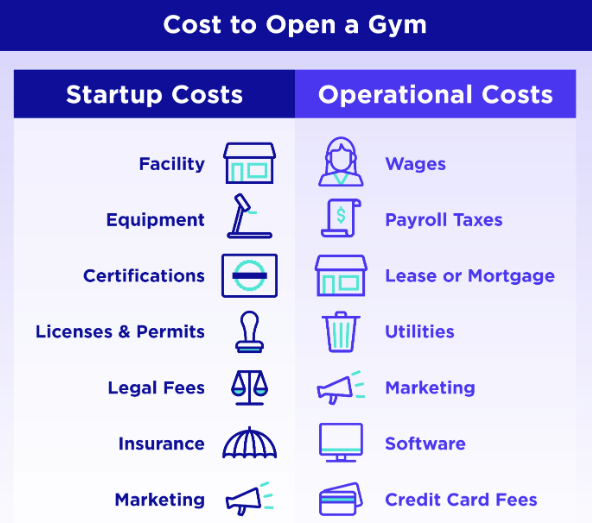
Credit: wod.guru
Marketing And Branding
Opening a gym can cost between $50,000 to $500,000, depending on location, size, and equipment. Branding and marketing also play a significant role in attracting members and establishing your gym’s identity.
Opening a gym requires careful planning and investment in marketing and branding. A strong brand and effective marketing can attract new members and build a loyal customer base. This section delves into key strategies for promoting your gym and establishing a recognizable brand.Advertising Strategies
Effective advertising is crucial for gym success. Begin by identifying your target audience. Consider their fitness goals and preferences. Use digital platforms to reach potential members. Social media ads are cost-effective and can target specific demographics. Google Ads also enhance online visibility. Local advertising, such as flyers or community events, can attract nearby residents. Collaborate with influencers in the fitness industry. Their endorsement can boost credibility and widen your reach.Brand Development
Creating a strong brand helps differentiate your gym. Start with a unique name and logo. These elements should reflect your gym’s values and mission. Consistency in branding materials builds recognition. Ensure your website and social media profiles align with your brand identity. Offer unique experiences or services to stand out. This could be specialized classes or personal training programs. Engage with your community through events and partnerships. Building a positive reputation fosters trust and loyalty.Legal And Administrative Fees
Legal and administrative fees for opening a gym vary. Expect costs for permits, licenses, and legal consultations. These expenses can range from $2,000 to $20,000, depending on location and requirements.
Opening a gym involves several legal and administrative expenses that can catch many aspiring gym owners off guard. These costs are crucial for ensuring that your gym operates smoothly and legally. Understanding these expenses can save you from unexpected hurdles and help you budget effectively.Permits And Licenses
Before welcoming your first member, you must secure the necessary permits and licenses. These vary by location but often include a business license, health department permits, and a fire department approval. Each of these ensures your facility meets local standards, but they come with associated fees which can range from a few hundred to several thousand dollars.Insurance And Compliance
Gym insurance is a non-negotiable expense that protects you from liability in case of accidents or injuries. Policies typically cover general liability, property damage, and workers’ compensation. Compliance with local regulations is also essential, often requiring regular inspections and updates, adding to the administrative costs. Have you considered the peace of mind that comes from knowing you’re covered in any situation? Ensuring you’re fully insured and compliant might feel like a hassle, but it’s a small price to pay for long-term security.Additional Services
Explore various gym opening costs, including equipment, location, and staff. Additional services like personal training can increase expenses. Careful budgeting ensures financial readiness for unexpected costs.
Opening a gym involves more than equipment and space. Additional services enhance member experience and increase profitability. They can set your gym apart and create a loyal customer base. Let’s explore some key additional services that could impact your gym’s costs.Membership Management Software
Membership management software streamlines operations and improves customer satisfaction. It helps track memberships, payments, and attendance efficiently. Features often include automated billing, class scheduling, and member communication. Investing in reliable software can save time and reduce errors. Prices vary based on features and the number of members. Choose a scalable solution that grows with your gym.Additional Amenities
Providing extra amenities can attract more members. Common amenities include showers, locker rooms, and saunas. Some gyms offer juice bars or childcare services. Each amenity requires investment in space and equipment. Consider your target market and what amenities they value. Costs depend on the complexity and size of the amenities you offer. Quality amenities can enhance member satisfaction and retention.Contingency Fund
Estimating the cost to open a gym involves creating a contingency fund. This financial buffer covers unexpected expenses, ensuring smooth operations despite unforeseen challenges. Proper planning for this fund helps manage risks effectively.
In the journey of opening a gym, the contingency fund often becomes a lifeline. It acts as a financial buffer, ensuring you’re prepared for the unexpected twists and turns in the business landscape. Imagine you’ve meticulously planned every detail, but suddenly, unforeseen circumstances arise. This is where your contingency fund steps in, safeguarding your investment and peace of mind.Emergency Expenses
Emergency expenses are the surprise guests that can crash your perfectly planned party. Picture a sudden equipment breakdown or an urgent need for facility repairs. These unexpected issues can drain your budget quickly. Having a contingency fund means you’re ready to tackle these emergencies head-on without derailing your financial plans. This fund ensures you can maintain operations smoothly, even when faced with sudden challenges.Unexpected Costs
Unexpected costs are the subtle pitfalls that can catch you off guard. Consider the possibility of fluctuating utility rates or an unexpected increase in insurance premiums. Without a financial cushion, these surprises can strain your budget. The contingency fund prepares you for these unforeseen expenses, allowing you to adapt without compromising your gym’s quality or service. As you navigate through the process of opening your gym, think about how you’d handle an unexpected spike in maintenance costs. Would you be able to manage without a contingency fund? This safety net not only supports your immediate needs but also contributes to long-term stability. Be proactive in planning for the unexpected, and your gym will thrive amidst any challenges that come your way.
Credit: gymdesk.com

Credit: www.bftfitness.com
Frequently Asked Questions
Is Owning A Gym Profitable?
Owning a gym can be profitable with proper management, location, and unique services. Ensure competitive pricing and effective marketing strategies. Build a loyal customer base and offer diverse fitness classes. Monitor expenses and maintain equipment for long-term success. Focus on customer experience to maximize profitability.
How Much Does It Cost To Open Your Own Gym?
Opening a gym typically costs between $50,000 and $250,000. Factors include location, equipment, and size. Budget for permits, insurance, and marketing.
How Much Does It Cost To Open A Basic Gym?
Opening a basic gym typically costs between $50,000 to $100,000. Costs vary based on location and equipment. Budget for rent, equipment, and marketing. Consider ongoing expenses like utilities and staff salaries. Planning and research help in managing costs effectively.
What Is The Average Cost To Open A Gym?
The average cost to open a gym can range from $50,000 to $500,000. Costs include equipment, space rental, renovations, and marketing. Location and size greatly affect total expenses. Researching local demographics and competitors is vital for accurate budgeting. Consider financing options and grants to manage initial investments effectively.
Conclusion
Opening a gym involves various costs and careful planning. Equipment, location, and staffing are key expenses to consider. Budgeting wisely ensures smooth operations and growth. Research is crucial for making smart financial choices. Understand your local market and competitors. Set realistic goals to manage expectations.
Remember, starting small can be beneficial. Initial costs can be high, but smart strategies help manage them. Passion and dedication play vital roles in success. Stay informed and adapt to industry trends. With preparation, your gym dream can become a reality.