Ever find yourself standing in the gym, staring at the weightlifting bar, and wondering, “How much does this bar actually weigh?” You’re not alone.
Whether you’re a beginner or a seasoned lifter, understanding the weight of the bar is crucial for planning your workouts and tracking your progress. Knowing this simple detail can make a big difference in how you approach your fitness goals.
Imagine the confidence you’ll gain from having all the right information at your fingertips. Stick around as we unravel this often overlooked aspect of weightlifting, helping you lift smarter and safer.
Credit: ironbullstrength.com
Standard Barbell Weights
When you walk into a gym, the variety of barbells can be overwhelming. Understanding standard barbell weights is crucial for planning your workouts effectively. Each type of barbell serves a different purpose and has its own weight specifications. Knowing these details can help you tailor your training to suit your needs and goals.
Olympic Barbells
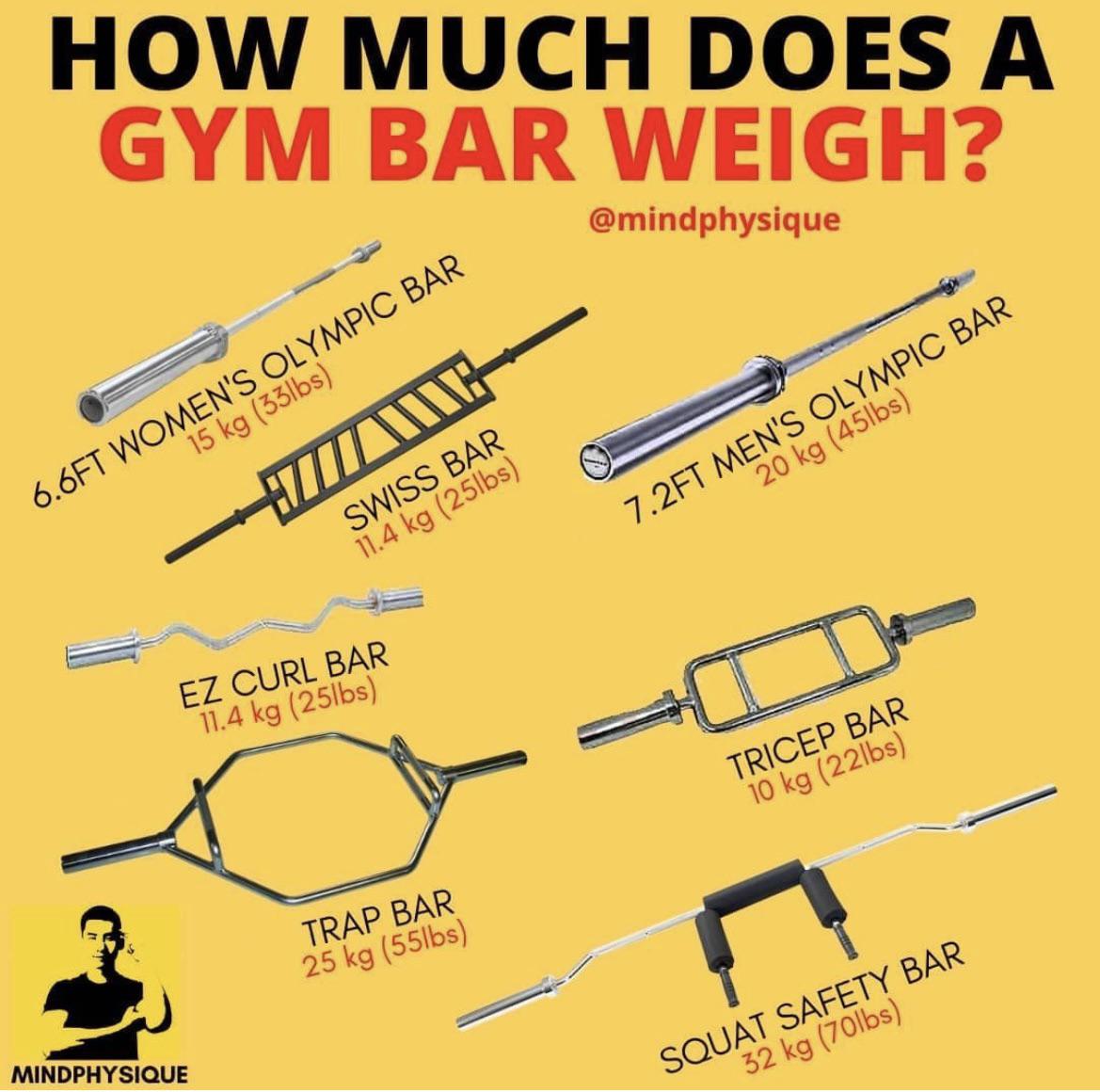
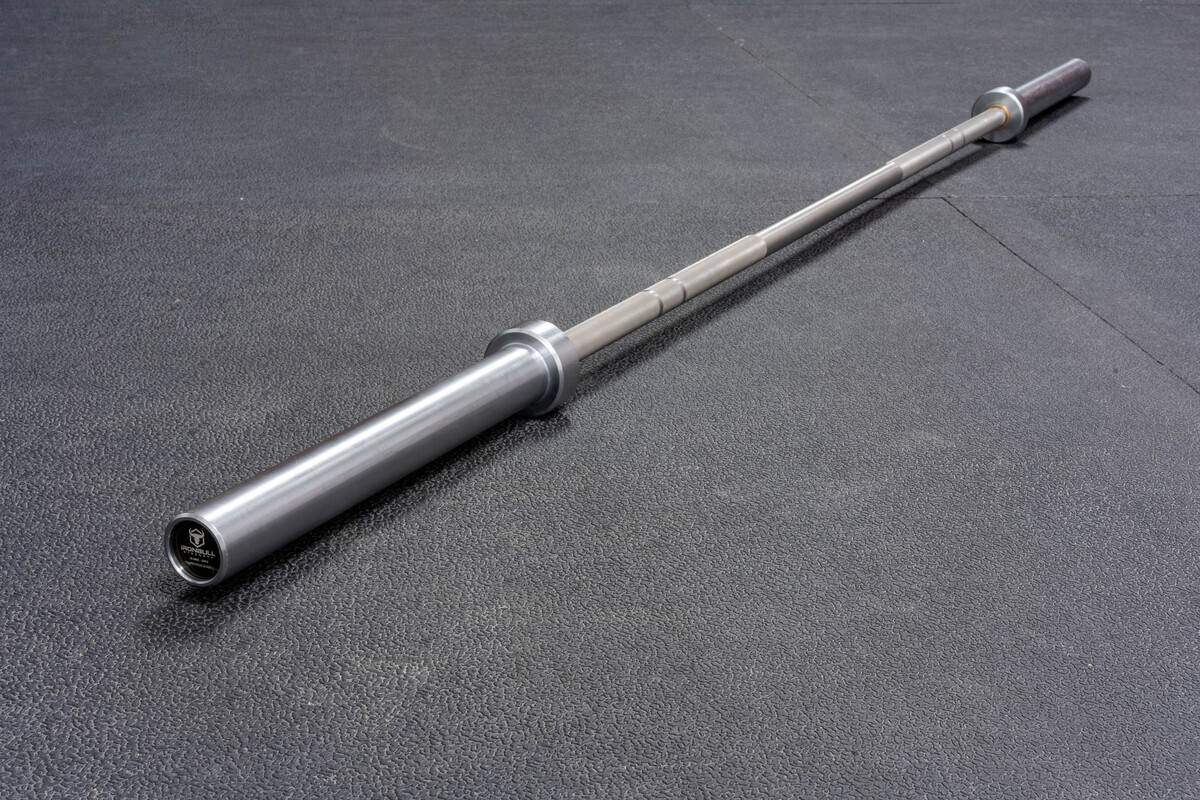
Olympic barbells are the most common bars you’ll see in gyms. They weigh 20 kilograms or 44 pounds. If you’re aiming to improve your lifts, these bars are ideal for exercises like squats, deadlifts, and bench presses. Their standardized weight helps you track progress easily. Have you ever noticed the rotating sleeves? They allow smooth lifts by reducing torque on your wrists, making them perfect for dynamic movements.
Powerlifting Barbells
Powerlifting barbells might look similar to Olympic ones but have subtle differences. They also weigh 20 kilograms, but they are designed to handle heavier loads. The knurling on these bars is more aggressive, providing a better grip. If you’re into powerlifting, you might appreciate the stiffer design, which offers stability during heavy lifts. Isn’t it interesting how these small design tweaks can make a big difference in performance?
Women’s Barbells
Women’s barbells are slightly lighter, weighing 15 kilograms or 33 pounds. They are designed with a thinner diameter, making them easier to grip with smaller hands. If you’re just starting out, these bars can be a great way to build confidence and strength. They allow for precise control, especially in technical lifts. Why not try using a women’s barbell for your next workout and see how the feel differs?
Now that you have a clearer picture of standard barbell weights, how will you use this information to boost your fitness journey? Understanding these weights allows for smarter training decisions and better performance tracking. Whether you’re lifting for strength, power, or endurance, choosing the right barbell can make all the difference.
Specialty Barbell Types
Walking into a gym, you’re greeted by a variety of weights and equipment. Among these, barbells are a staple, but not all are created equal. Specialty barbells cater to specific exercises, allowing you to target different muscle groups with precision. Understanding these barbells helps you customize your workout and optimize your strength training.
Ez Curl Bars
EZ Curl Bars are designed with a unique zigzag shape, offering comfort and reducing strain on your wrists during bicep curls. They typically weigh around 20 to 25 pounds. This bar is perfect for those aiming to enhance their arm workouts without wrist discomfort. Have you noticed how much easier curls feel with this bar?
Trap Bars
Trap Bars, also known as hex bars, have a hexagonal design allowing you to stand in the center. They are excellent for deadlifts and weigh between 50 to 60 pounds. Using a trap bar can help protect your back by promoting a more upright posture. Next time you’re lifting, consider if a trap bar might offer a safer alternative.
Safety Squat Bars
Safety Squat Bars, known for their padded shoulder rests, make squatting more comfortable by reducing shoulder strain. They weigh approximately 60 to 70 pounds. These bars are ideal for maintaining proper form and safety during heavy squats. Ever felt that squats could be more stable and less taxing on your shoulders?
Each specialty barbell has its unique advantages and weights. Choosing the right one can enhance your workout experience and protect your joints. Think about your goals and how these specialty barbells might fit into your routine. Are you ready to elevate your lifting game?
Factors Affecting Barbell Weight
Barbell weights vary due to factors like material and design. Standard gym bars usually weigh around 20 kilograms or 45 pounds. Specialty bars can differ, affecting your workout experience.
Understanding the factors affecting barbell weight is crucial for gym enthusiasts. Different factors contribute to the overall weight of a barbell. These factors influence the feel and performance during workouts. Knowing these factors aids in choosing the right barbell for specific needs.Material Composition
The material of the barbell impacts its weight. Most barbells are made from steel. Steel is strong and durable. Some barbells use other metals like aluminum. Aluminum is lighter than steel. The type of metal used affects the bar’s weight and strength. It’s important to check the material before purchase.Length And Diameter
Barbells vary in length and diameter. Standard bars are usually around 7 feet long. Shorter bars weigh less. The diameter of the bar also affects weight. Thicker bars are heavier. Diameter impacts grip and comfort. It’s essential to choose the right size for your needs.Brand Variations
Different brands produce barbells with varying specifications. Some brands focus on lightweight designs. Others prioritize durability and strength. Brand variations lead to differences in weight. Checking brand specifications helps in making informed decisions. Always compare brands to find the best fit for your workout routine.
Credit: www.reddit.com
Determining Bar Weight At Your Gym
Determining bar weight at your gym is crucial for accurate workouts. Different bars have different weights. Knowing the weight helps track your progress. It prevents injury and ensures proper form. Let’s explore methods to determine bar weight at your gym.
Checking Manufacturer Specifications
Manufacturer specifications offer reliable information. Look for printed details on the bar itself. This can include weight, length, and material. If the bar lacks details, visit the manufacturer’s website. Online resources often list product details. These details help confirm the bar’s weight.
Consulting Gym Staff
Gym staff are a valuable resource. Ask staff about the bar’s weight. They often know specifics about equipment. Staff can offer insights on different bars available. They might suggest which bars suit your workout needs. Building a rapport with gym staff can be beneficial.
Using Weighing Scales
Weighing scales provide direct measurement. Find a scale suitable for heavy weights. Place the bar on the scale carefully. Ensure the bar rests evenly on the scale. Read the scale’s display for the weight. This method provides exact weight information. Consider using scales in cases of doubt.
Importance Of Knowing Bar Weight
Knowing the weight of the bar at the gym is essential. It plays a crucial role in your workout routine. Understanding the weight helps track progress, ensures safety, and optimizes workouts. Different bars have different weights, affecting your exercise. Standard gym bars often weigh 45 pounds. However, specialty bars can weigh more or less. Knowing these weights allows for precise workout planning. This knowledge aids in achieving fitness goals efficiently.
Tracking Progress
Tracking progress becomes easier with known bar weights. When you lift, you need accurate data. This helps measure strength and improvements. Using the same bar consistently gives reliable results. It allows you to set realistic goals. This consistency keeps motivation high and achievements visible.
Safety Considerations
Safety at the gym is paramount. Knowing bar weight helps prevent injuries. Lifting too much can strain muscles and joints. Correct bar weight ensures proper form. This reduces risks and improves lifting technique. Always check bar weight before starting a workout. This simple step can make a big difference.
Optimizing Workouts
Optimizing workouts requires knowing bar weight. This allows for better workout planning. You can adjust weights to match your strength level. It helps in targeting specific muscle groups effectively. Accurate weight helps in building strength gradually. This leads to balanced muscle development. Efficient workouts lead to better results.

Credit: www.reddit.com
Frequently Asked Questions
Are All Gym Bars 45 Pounds?
Not all gym bars weigh 45 pounds. Standard Olympic bars are typically 45 pounds, but other bars can vary. Curl bars, training bars, and specialty bars often have different weights. Always check the specific bar’s weight before using it for accurate lifting sessions.
How Much Does A Gym Bar Weigh?
A standard Olympic gym bar weighs 20 kilograms (44 pounds). A women’s Olympic bar typically weighs 15 kilograms (33 pounds).
How Heavy Is The Ez Bar At The Gym?
The EZ bar at the gym typically weighs between 15 to 25 pounds. Weight can vary by manufacturer and design. Always check the specifications or ask gym staff for precise details. It’s ideal for exercises targeting the biceps and triceps.
How Heavy Is The Bar Alone At The Gym?
A standard Olympic barbell weighs 45 pounds (20. 4 kilograms). Some gyms may also have lighter bars, like 35-pound or 15-pound options. Always check the weight markings on the bar for accuracy.
Conclusion
Understanding bar weight helps your workout routine. Different bars have different weights. Olympic bars weigh 45 pounds. Standard bars can weigh less. Always check the bar’s weight before lifting. Knowing this helps in choosing the right weight. It’s important for safety and progress.
Gyms often have various bar types. Each type suits different exercises. Knowing bar weight improves your gym experience. It assists in tracking your lifting progress. Consistency is key in strength training. Stay informed, lift safely, and enjoy your workouts. Keep learning to make the most of your gym sessions.