Thinking about opening a gym? You’re not alone.
Many fitness enthusiasts dream of turning their passion into a thriving business. But before you dive in, one question stands out: “How much is it to open a gym? ” Knowing the cost is crucial to making your dream a reality.
Imagine walking into your own gym, filled with state-of-the-art equipment, buzzing with energy, and a community of loyal members. Sounds exciting, right? But the path to get there requires planning and, importantly, a clear understanding of the financial commitment involved. We’ll break down the costs you need to consider, from equipment and rent to marketing and staffing. We’ll help you see the bigger picture, so you can make informed decisions and avoid unexpected surprises. So, if you’re ready to turn your dream into a plan, keep reading. Your future gym is waiting.
Initial Planning Costs
Opening a gym involves several initial planning costs. These costs are crucial for setting a strong foundation. Understanding these expenses helps in budgeting effectively.
Business Plan Development
A comprehensive business plan is essential. It outlines your gym’s goals and strategies. Creating this plan can cost between $500 to $2,000. This varies depending on whether you hire a professional. A well-crafted plan guides your business decisions. It helps in securing loans and investors.
Market Research Expenses
Market research is vital for identifying your target audience. It helps in understanding competitors and local demand. Conducting thorough research might cost $1,000 to $3,000. This includes surveys, focus groups, and data analysis. Accurate research helps in positioning your gym effectively.
Legal And Licensing Fees
Legal and licensing fees are unavoidable. These include business registration and permits. Costs can range from $500 to $5,000, depending on location. Consulting with a lawyer ensures compliance with local laws. Proper licensing prevents legal issues in the future.
Credit: upmetrics.co
Location And Facility Expenses
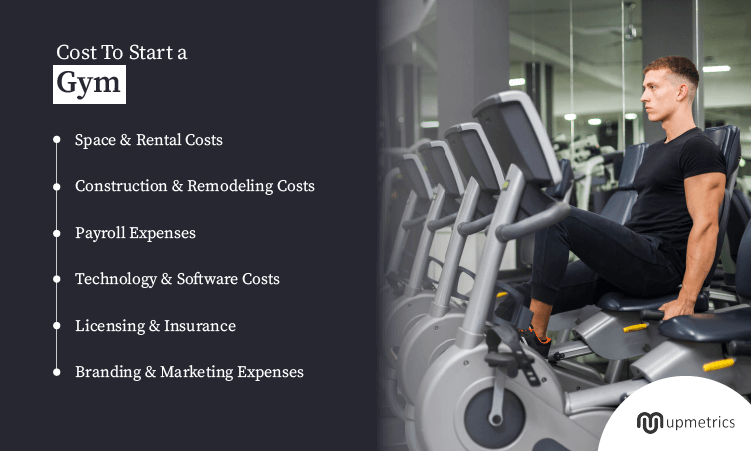
Opening a gym involves understanding various costs. One major expense is the location and facility. The choice of location impacts your budget significantly. You need to consider lease or purchase costs, renovation, and interior design.
Lease Or Purchase Costs
Choosing to lease or buy a property is a crucial decision. Leasing offers flexibility. You can choose a shorter-term commitment. This option might require a security deposit and monthly rent. Purchasing a property is more permanent. It often requires a large initial investment. Consider the local real estate market. Compare costs and benefits. Both options have financial implications. Analyze your budget carefully.
Renovation And Interior Design
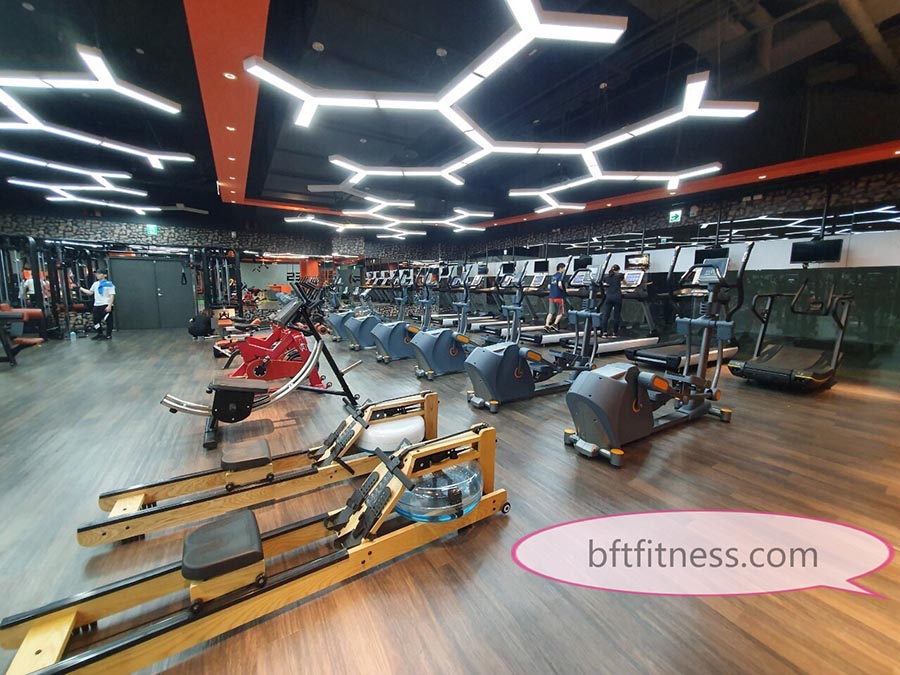
Renovation expenses depend on the property’s condition. You might need to fix structural issues. Interior design plays a role in attracting clients. A welcoming atmosphere enhances customer experience. Costs include flooring, lighting, and equipment layout. Hiring professionals might be necessary. Their expertise ensures functional and aesthetic spaces. Budgeting for these is essential. Plan for unexpected expenses. Prioritize areas that impact client satisfaction.
Equipment Investments
Opening a gym involves substantial equipment investments. Costs vary widely based on size and type of gym, typically ranging from $50,000 to $500,000. Budgeting for quality equipment is crucial to attract and retain members.
Opening a gym is an exciting venture that requires careful planning and a significant investment in equipment. The right equipment can attract clients and ensure your gym stands out. However, it’s crucial to understand the costs associated with these investments to make informed decisions.Cardio Machines
Cardio machines are often the most expensive piece of gym equipment. Popular options include treadmills, stationary bikes, and ellipticals. A single high-quality treadmill can cost anywhere from $2,000 to $5,000. Consider the needs of your target audience. Do they prefer running or cycling? An assortment of machines can cater to diverse preferences and keep your members engaged.Strength Training Equipment
Strength training is a core component of any gym. You’ll need items such as dumbbells, barbells, and benches. A full set of dumbbells can cost between $500 and $2,000, depending on quality and brand. Are you planning to offer specialized strength programs? If so, investing in power racks and cable machines might be necessary. Remember, durable and versatile equipment can enhance member satisfaction and reduce long-term costs.Specialized Fitness Tools
Specialized tools can set your gym apart from competitors. These include resistance bands, medicine balls, and kettlebells. While these items are generally less expensive, with prices ranging from $20 to $100 each, they add significant value to workout routines. Innovative fitness trends like functional training demand these tools. Offering them can attract fitness enthusiasts looking for variety. What unique offerings can you provide to make your gym the go-to fitness destination in town?Staffing And Operational Costs
Opening a gym involves significant staffing and operational costs. Hiring trainers, maintenance staff, and front desk personnel is essential. Additionally, expenses include rent, utilities, equipment maintenance, and marketing efforts to attract members.
Opening a gym is an exciting venture, but it comes with its own set of financial challenges. Staffing and operational costs are significant considerations that can impact your bottom line. Understanding these expenses is crucial for creating a sustainable business model.Salaries And Benefits
Staffing your gym means more than just hiring trainers. You need front desk personnel, cleaning staff, and possibly marketing professionals. Salaries can vary widely based on location and experience. Offering competitive benefits is essential to attract and retain quality staff. Health insurance, paid time off, and gym membership perks are common incentives. These benefits can make a significant difference in employee satisfaction and retention.Training And Certifications
Investing in your staff’s training and certifications can set your gym apart. Well-trained staff not only improve customer satisfaction but also enhance your gym’s reputation. Consider budgeting for regular workshops and certification programs. Some certifications are mandatory, depending on the services you offer, such as personal training or specialized fitness classes. These costs can add up but are necessary for compliance and credibility. Are you prepared to invest in ongoing education for your team?Marketing And Membership Drives
Opening a gym requires a significant investment in facilities, equipment, and staff. Marketing and membership drives can help offset initial costs by attracting potential clients and generating revenue. Understanding expenses can guide effective promotional strategies to maximize membership growth and sustainability.
Opening a gym is a thrilling venture, but attracting members is crucial for success. Marketing and membership drives play a pivotal role in getting people through your doors and keeping them engaged. It’s not just about having the best equipment; it’s about creating buzz and fostering a community that members are eager to join. Advertising BudgetAllocating a budget for advertising is essential. You might think that social media can be a free marketing tool, but investing in targeted ads can significantly boost your reach. Consider platforms like Facebook and Instagram to target local fitness enthusiasts. What about traditional advertising? Local newspapers or radio spots can help reach demographics that might not be as active online. An effective mix of digital and traditional marketing can cater to different audiences. Promotional OffersPromotional offers can be a game changer. How about offering a free trial week? It’s a great way to let potential members experience your gym firsthand. You might also consider discounts for annual memberships or referral bonuses. Remember, promotions should excite your audience. Why not host a launch party with free fitness classes? Events like these can create a community feel and encourage sign-ups. These strategies can help build a strong membership base, ensuring your gym isn’t just another place to work out, but a thriving community hub.Technology And Software
Opening a gym involves more than just equipment and a physical space. In today’s digital age, leveraging technology and software can streamline operations and enhance member experience. Imagine walking into a gym that offers seamless booking and efficient management right from your smartphone. That’s the power of integrating modern tech solutions.
Management Software
Effective management software is crucial for running a gym smoothly. It helps with tracking memberships, scheduling classes, and managing staff. An intuitive system can save time and reduce errors, allowing you to focus on what matters most—your clients. Look for software that offers customizable dashboards and easy integration with other tools.
Consider a software that provides real-time analytics. This can help you understand member behavior and optimize class schedules or promotions. Have you ever wondered why some classes are always packed while others struggle for attendance? Analyzing data can provide insights that drive decision-making.
Online Booking System
An online booking system is essential for gyms today. It offers convenience for members who prefer booking classes or personal training sessions from their devices. Plus, it frees up your staff from handling booking-related inquiries, allowing them to engage more with clients on the floor.
Choose a system that’s user-friendly and offers features like automated reminders and waitlist management. Think about your own experiences booking appointments online—what features do you appreciate? Implementing those could make your gym stand out.
Having an online booking system also opens up opportunities for marketing. You can use email notifications or push alerts to inform members about upcoming events or new classes. This keeps them engaged and excited about their fitness journey with your gym.
Utilities And Maintenance
Estimating gym opening costs involves considering utilities and maintenance expenses. Monthly utility bills include electricity, water, and heating. Regular maintenance for equipment and facilities ensures smooth operations and prevents costly repairs.
Opening a gym requires careful budgeting for utilities and maintenance. These expenses keep your gym operational and safe. Understanding these costs is vital for planning and managing your finances effectively. Utilities cover electricity, water, heating, and cooling, while maintenance ensures all equipment stays in top shape.Monthly Utility Bills
Utility bills vary based on gym size and location. Electricity powers lights, machines, and climate control systems. Gyms with extensive equipment may see higher electricity costs. Water bills cover showers, restrooms, and cleaning needs. Heating and cooling systems also contribute to monthly expenses. Energy-efficient systems can help manage these costs.Routine Maintenance Costs
Routine maintenance keeps gym equipment safe and functional. Regular inspections prevent costly repairs and downtime. Budget for routine checks on machines, flooring, and HVAC systems. Replace worn-out parts promptly to maintain safety standards. Consider a maintenance contract for consistent service and cost control. This proactive approach ensures your gym remains inviting and reliable.Insurance And Safety Measures
Opening a gym requires careful planning for insurance and safety. Costs vary based on location, size, and equipment. Insurance is crucial to protect against accidents and liabilities.
Insurance and safety measures are crucial when opening a gym. These measures protect your investment and ensure a safe environment for members. Proper insurance and security systems help prevent financial losses and accidents. They create a safe and welcoming space for everyone.Liability Insurance
Liability insurance is essential for gym owners. It covers accidents and injuries that occur on your premises. Without it, you risk facing costly lawsuits. Many insurance companies offer tailored plans for gyms. Look for a policy that covers equipment damage, member injuries, and legal fees. Consult with an insurance agent who understands the fitness industry. They can help you choose the right coverage. Always review policy details to ensure comprehensive protection.Security Systems
Security systems safeguard your gym and its assets. Installing cameras can deter theft and vandalism. They provide evidence if an incident occurs. Consider placing cameras at entrances and high-traffic areas. Alarm systems are another important feature. They alert you and authorities to unauthorized access. Choose systems that integrate with mobile apps for real-time monitoring. Security systems create a safer environment and give members peace of mind.Miscellaneous Expenses
Opening a gym is an exciting venture, but it’s crucial to account for the miscellaneous expenses that often catch new gym owners by surprise. These costs may not be the first things you think of, but they can significantly impact your budget. Understanding these expenses will help you plan better and avoid financial stress down the line.
Unexpected Costs
Even with the most detailed planning, unexpected costs can pop up when opening a gym. Maybe the plumbing needs a sudden repair, or the equipment delivery is delayed, necessitating a temporary rental. These surprises can be frustrating, but they’re a common part of setting up a business.
Consider setting aside a budget for such unexpected expenses. This foresight can help you avoid scrambling for funds when something goes wrong. Preparing for the unknown is as important as planning for the known.
Contingency Fund
A contingency fund is your financial safety net. It helps you manage unforeseen circumstances without derailing your business plans. Setting up this fund is like having an insurance policy for your gym.
Think about how much you can allocate to this fund. A good rule of thumb is to reserve at least 5-10% of your total budget for contingencies. This cushion can ease your mind and keep your business running smoothly during unexpected challenges.
Have you considered what might happen if a piece of equipment breaks down or an unexpected fee arises? A well-funded contingency reserve can be the difference between a minor hiccup and a major financial setback.

Credit: ninjathlete.com
Credit: www.bftfitness.com
Frequently Asked Questions
How Profitable Is Owning A Gym?
Owning a gym can be profitable with effective management and marketing. Success depends on location, target audience, and services offered. Membership fees, personal training, and merchandise sales boost revenue. Initial costs and competition should be considered. Profitability varies, but strategic planning enhances financial outcomes.
How Much Does It Cost To Open A Basic Gym?
Opening a basic gym typically costs $50,000 to $100,000. Expenses include equipment, rent, insurance, and marketing. Location size and quality of equipment influence overall costs. Consider budget-friendly options for equipment purchases to reduce expenses. Research thoroughly to ensure accurate financial planning before launching your gym.
How Much Does It Cost To Open A My Gym?
Opening a gym typically costs between $50,000 and $500,000. Costs vary based on location, size, and equipment. Budget for rent, renovations, permits, insurance, and marketing. Consider membership pricing and potential revenue to determine return on investment. Research thoroughly to plan effectively and manage expenses wisely.
What Is The Cost To Start A Gym?
Starting a gym typically costs between $50,000 and $500,000. Expenses include equipment, lease, staff, and marketing. Location and gym size significantly affect the total cost. Small gyms may require less capital, while larger facilities need more investment. It’s essential to plan a detailed budget for a successful launch.
Conclusion
Starting a gym requires careful planning and investment. Costs vary widely based on location, size, and equipment. Consider rent, utilities, and staffing. Don’t forget marketing expenses. Prioritize quality equipment and a welcoming atmosphere. Budget wisely to balance expenses and revenue.
Research local regulations and permits. Community engagement boosts memberships. Focus on creating a unique experience for clients. A well-planned gym can thrive and grow. Success depends on dedication and understanding your market. Know your customers’ needs and preferences. With the right strategy, your gym can be a rewarding venture.