Feeding your dog a raw diet can be a game-changer for their health and vitality. But, figuring out the right amount to feed can feel like solving a puzzle.
You want to ensure your furry friend gets the perfect balance of nutrients without overfeeding or underfeeding. The key lies in understanding your dog’s unique needs, and that’s exactly what we’ll explore. Imagine seeing your pet’s eyes shine brighter, their coat glisten, and their energy levels soar.
These are the benefits of getting it right. Dive into this article to discover how to tailor a raw diet that fits your dog’s lifestyle perfectly. Your pet deserves the best, and you’re about to learn how to give it to them.

Credit: dogsfirst.ie
Benefits Of A Raw Diet
Switching your dog to a raw diet can offer numerous benefits. Many dog owners have noticed improvements in their pets’ health and vitality. This diet mimics what dogs might eat in the wild, providing them with more natural nutrition.
Improved Digestion
Raw diets can enhance your dog’s digestion. Processed foods often contain fillers and additives. These can be hard for dogs to digest. Raw foods are simpler and easier on the stomach. Many owners report fewer digestive issues with raw diets.
Better Skin And Coat
A raw diet can lead to healthier skin and a shinier coat. The natural oils in raw meat nourish your dog’s skin. This can reduce dry skin and itchiness. You’ll likely see a noticeable improvement in their coat’s appearance.
Enhanced Energy Levels
Feeding raw can boost your dog’s energy. Raw foods provide essential nutrients directly. These nutrients are crucial for maintaining energy. You may find your dog more active and playful.
Weight Management
Raw diets can help manage your dog’s weight. Processed foods often contain unnecessary carbs. These can contribute to weight gain. Raw diets focus on protein, helping maintain a healthy weight.
Dental Health
Raw food can improve your dog’s dental health. Chewing raw meat and bones helps clean their teeth naturally. This can reduce plaque and tartar build-up. Healthier teeth mean fewer dental problems.

Credit: keepthetailwagging.com
Understanding Your Dog’s Needs
Feeding your dog a raw diet involves understanding their unique needs. Typically, dogs require about 2-3% of their body weight in raw food daily. Keep track of your dog’s weight and energy levels to adjust portions accordingly.
Understanding your dog’s nutritional needs is crucial for maintaining their health and happiness on a raw diet. Just like us, dogs have specific dietary requirements based on their age, breed, and lifestyle. Ensuring you’re feeding your dog the right amount of raw food can make all the difference. But how do you determine what’s right for your furry friend?Age And Breed Considerations
Puppies have different nutritional needs than adult dogs. They require more calories to fuel their rapid growth and development. For example, a young Labrador retriever may need more food than an adult Chihuahua. Senior dogs might need fewer calories but more fiber. Larger breeds often need more food than smaller breeds, but their metabolism can vary. So, it’s essential to adjust portions accordingly.Activity Level Impact
Active dogs burn more calories and may need larger meal portions. Dogs that enjoy long walks or vigorous playtime will require more energy. Conversely, a couch-loving pooch will need less food. Think about your dog’s daily routine. Do they participate in agility training or do they prefer lounging? Adjust their raw diet portions based on their activity level. Understanding your dog’s needs can be a game-changer for their health. Are you ready to tailor their diet for optimal well-being? Let’s make sure our furry friends get just what they need!Determining Portion Size
Determining the portion size for your dog’s raw diet involves considering their weight, age, and activity level. Each dog requires a different amount to maintain optimal health. Ensure the diet includes balanced nutrients to support their growth and energy needs.
Determining the right portion size for your dog’s raw diet can feel like solving a puzzle. You want to ensure your furry friend is getting the right balance of nutrients without overfeeding or underfeeding. It’s not just about putting food in a bowl; it’s about tailoring the meal to meet your dog’s unique needs. Understanding how much to feed can make a significant difference in their health and happiness. Below, we’ll explore two methods to help you calculate the perfect portion size: weight-based calculations and caloric needs assessment.Weight-based Calculations
A simple way to determine the right portion size is through weight-based calculations. This method involves using your dog’s body weight as a starting point. Generally, dogs should eat about 2-3% of their body weight in raw food daily. For a 50-pound dog, this means feeding approximately 1-1.5 pounds of raw food each day. It’s important to adjust the percentage based on your dog’s activity level, age, and metabolism. Puppies and active dogs might need more, while older or less active dogs may require less.Caloric Needs Assessment
Another effective approach is assessing your dog’s caloric needs. This method considers the energy your dog expends daily. Start by determining your dog’s resting energy requirement (RER). You can calculate RER by multiplying your dog’s body weight in kilograms to the power of 0.75 by 70. Once you have the RER, adjust it based on your dog’s activity level. More active dogs will need a higher caloric intake, while less active ones will need fewer calories. This method is particularly useful if your dog has specific dietary needs or health conditions. Have you noticed any changes in your dog’s energy levels or weight? These observations can guide you in making necessary adjustments to their diet. Consistent monitoring and a keen eye can ensure your dog is not just surviving but thriving on their raw diet.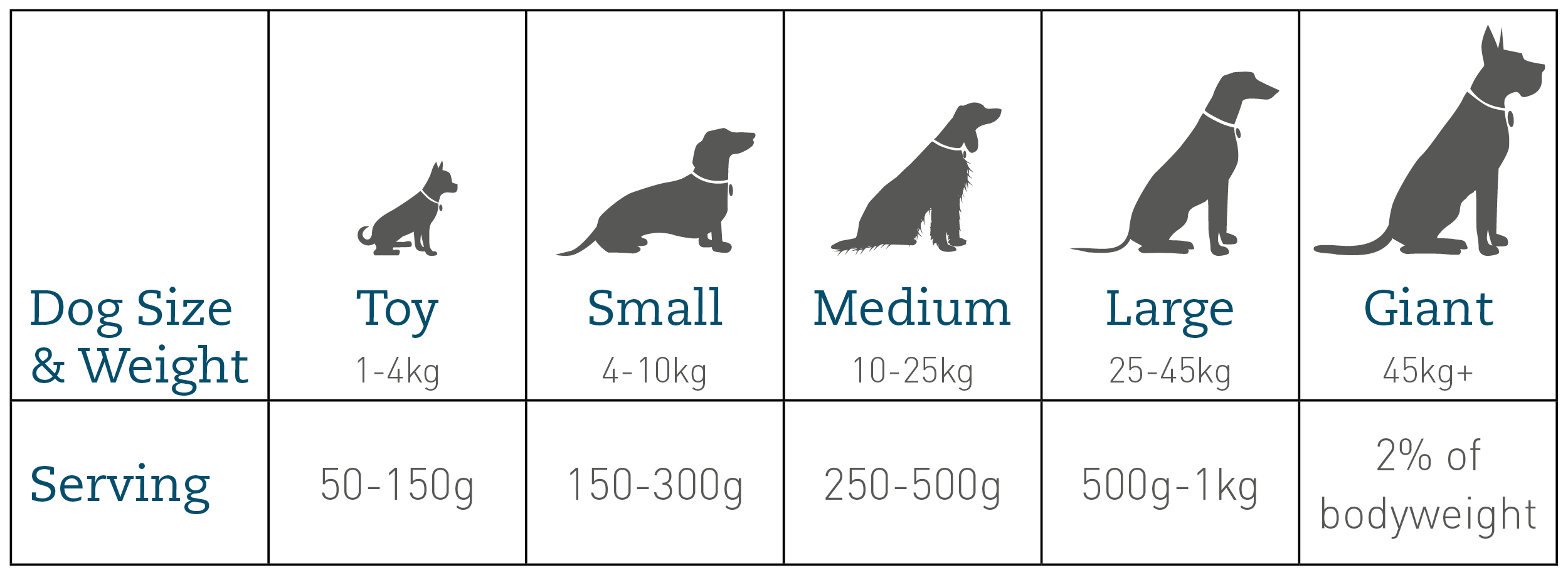
Credit: www.cotswoldraw.com
Components Of A Balanced Raw Diet
Feeding your dog a raw diet can be rewarding. It’s vital to ensure the diet is balanced. This keeps your dog healthy and active. A balanced raw diet includes protein, fruits, vegetables, supplements, and additives. Each part plays a crucial role. Learn how to create a nutritious meal for your furry friend.
Protein Sources
Protein is the main component of a raw diet. It builds and repairs tissues. Common protein sources include chicken, beef, and turkey. Fish and lamb are also good choices. Ensure the protein is fresh and safe. Avoid processed meats or added chemicals. Aim for variety to keep meals interesting. This helps meet nutritional needs.
Fruits And Vegetables
Fruits and vegetables provide vitamins and minerals. They support digestion and boost immunity. Apples, carrots, and spinach are great options. Try blueberries and peas for more variety. Avoid grapes, onions, and other harmful foods. Wash all produce thoroughly. Chop them into small pieces to prevent choking.
Supplements And Additives
Supplements ensure your dog gets essential nutrients. Calcium and omega-3 are popular choices. They support bone health and skin condition. Probiotics improve gut health. Additives like turmeric and ginger can enhance flavor. Consult your vet for advice on supplements. Keep your dog’s age, size, and health in mind.
Common Mistakes To Avoid
Feeding your dog a raw diet can be beneficial. Yet, many pet owners make common mistakes that can harm their pets. Understanding these mistakes ensures your dog gets the right nutrition. This section will help you avoid errors that might affect your dog’s health.
Overfeeding Risks
Overfeeding your dog can lead to obesity. Raw diets are rich in nutrients, making it easy to feed too much. Too much food can cause weight gain, joint problems, and heart issues. Measure meals based on your dog’s size and activity level.
Portion control is crucial. Monitor your dog’s weight regularly. Adjust the amount of food if you notice weight changes. Healthy weight keeps your dog active and happy.
Nutritional Imbalances
Raw diets need to be balanced. Missing key nutrients can harm your dog’s health. Protein is vital, but dogs also need vitamins and minerals. An imbalance may lead to skin problems or weak bones.
Research on raw diets is essential. Consult a vet for advice on proper nutrition. A well-rounded diet supports your dog’s overall well-being. Regular check-ups ensure your dog receives all necessary nutrients.
Monitoring Your Dog’s Health
Determining the right amount of raw diet for your dog is essential for maintaining their health. Consider their age, weight, and activity level when planning meals. Regular monitoring ensures your dog receives a balanced diet, supporting overall wellbeing.
Feeding your dog a raw diet can be a rewarding choice, but it’s crucial to keep an eye on your furry friend’s health. You want to make sure they’re getting all the nutrients they need. Regular monitoring helps you catch any changes early, allowing you to adjust their diet as needed. Let’s dive into how you can ensure your dog is thriving on their raw diet.Signs Of Adequate Nutrition
When your dog is getting the right balance of nutrients, you’ll notice several positive signs. Their coat should be shiny and soft, indicating good skin health. Additionally, healthy dogs have bright eyes and plenty of energy for play and walks. Keep an eye on their weight. You should be able to feel their ribs easily without seeing them. A healthy appetite and regular, firm stools are also good indicators. If you notice changes in these areas, it might be time to reassess their diet.Adjustments For Health Conditions
Some dogs have specific health conditions that require dietary adjustments. For example, if your dog has arthritis, you might need to add supplements like fish oil for joint health. Allergies can also be a concern, and you may need to identify and eliminate certain proteins. Talk to your vet about your dog’s specific needs. They can recommend the right balance of raw foods to support your dog’s health. Regular check-ups can help catch any issues early, giving you peace of mind. Are you noticing any unusual changes in your dog’s health? It’s always better to ask questions than to assume everything is fine. Stay proactive, and your dog will thank you with wagging tails and happy barks.Consulting With A Veterinarian
Consulting a veterinarian helps determine the right amount of raw diet for your dog. Experts consider factors like your dog’s age, weight, and activity level. Proper guidance ensures a balanced diet, promoting better health and happiness for your furry friend.
Choosing the right amount of raw food for your dog can be a daunting task. Consulting with a veterinarian can make this process much easier and safer for your furry friend. They can help tailor a diet plan that meets your dog’s unique needs, ensuring they get the right nutrients in the proper amounts.Understanding Your Dog’s Nutritional Needs
Every dog is different. Factors like age, breed, and activity level play a significant role in how much raw food they should eat. A veterinarian can help you understand these factors and how they affect your dog’s diet. They have the expertise to pinpoint specific nutritional requirements for your pet.Personalized Diet Plans
A veterinarian can create a customized diet plan for your dog. This plan will consider your dog’s current health status, weight, and lifestyle. If your dog has allergies or specific health concerns, a vet can tailor the diet to address these issues.Monitoring Health And Progress
Regular check-ins with your veterinarian are vital. They can monitor your dog’s health and adjust the diet as needed. This ensures your dog is thriving on their raw food diet. If you notice any changes in your dog’s behavior or health, a vet can provide guidance.Addressing Concerns And Questions
Do you have questions or concerns about raw feeding? A veterinarian is your go-to resource. They can provide clarity on topics like food safety, nutrient balance, and portion sizes. This guidance can prevent common mistakes and ensure your dog’s diet is as beneficial as possible.Building A Long-term Feeding Strategy
Consulting with a vet is not just a one-time affair. It’s about building a long-term feeding strategy that evolves with your dog’s needs. As your dog grows or their lifestyle changes, their diet might need adjustments. Regular veterinary consultations can help you stay on track.Creating A Strong Vet-pet Owner Relationship
A good relationship with your vet can make a world of difference. It allows for open communication and trust, which are crucial when discussing your dog’s diet. Being proactive in these conversations can lead to better health outcomes for your pet. Have you ever considered how a veterinarian could transform your approach to raw feeding? Taking that step can offer peace of mind and a healthier life for your dog.Frequently Asked Questions
How Much Raw Food Should I Feed My Dog Chart?
Feed your dog 2-3% of its body weight in raw food daily. Adjust based on activity level and health. Puppies and active dogs may require more. Always consult your vet for personalized advice. Use a feeding chart for specific guidelines tailored to your dog’s breed and age.
What Is The 80-10-10 Rule For Raw Dog Food?
The 80-10-10 rule for raw dog food suggests 80% meat, 10% bone, and 10% organ composition. It aims to provide balanced nutrition, promoting healthy growth and development in dogs. This feeding approach mimics a canine’s natural diet, supporting optimal health and vitality.
How Much Raw Food Should I Feed My Dog For Weight Loss?
Feed your dog 2-3% of its ideal body weight in raw food daily. Ensure a balanced diet with lean meats, vegetables, and supplements. Monitor weight regularly and adjust portions as needed for effective weight loss. Always consult with a veterinarian before starting a new diet plan for your dog.
How Often Should You Feed A Dog On A Raw Diet?
Feed adult dogs on a raw diet twice daily for balanced nutrition. Puppies may need three to four smaller meals daily. Adjust portions based on size, age, and activity level. Always ensure fresh water is available. Consult your vet for personalized feeding advice.
Conclusion
Finding the right raw diet amount is crucial for your dog’s health. Always start with small portions. Then, observe your dog’s weight and energy levels. Adjust the serving size as needed. Consult your vet for personalized advice. They can guide you based on your dog’s unique needs.
Remember, every dog is different. What works for one might not suit another. Stay patient and attentive. With time, you’ll find the perfect balance for your furry friend. A healthy diet means a happy, active dog. Keep monitoring and adjusting for the best results.
Your dog will thank you with wagging tails and joyful barks.