Are you dreaming of starting your own gym? Wondering about the costs involved can feel overwhelming.
You might picture hefty expenses and think it’s out of reach. But what if it’s more achievable than you imagine? Understanding the financial side is crucial, and with the right insights, you can turn your fitness passion into a thriving business.
Picture yourself creating a space where others can achieve their fitness goals, a place that’s not just about exercise, but about community and health. By the end of this article, you’ll have a clear idea of how much you’ll need to start a gym, and you might be surprised at how attainable your dream really is. Ready to dive in and discover what’s possible? Let’s break it down together.
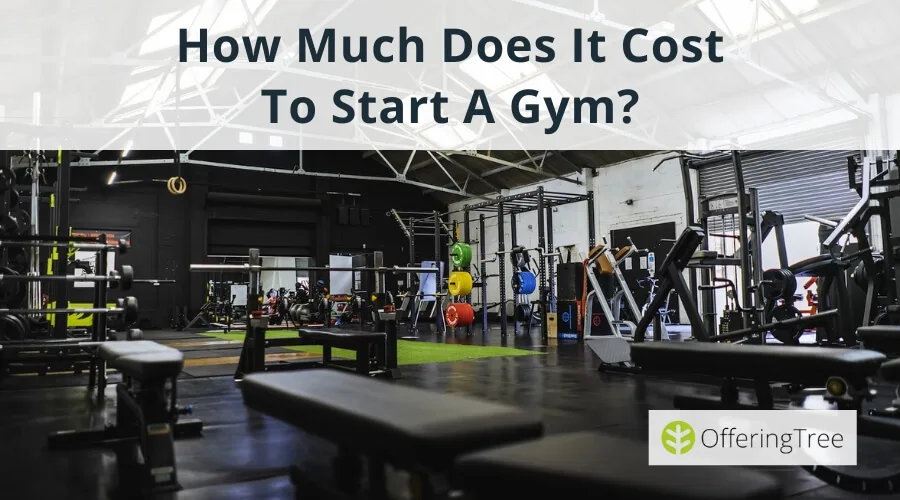
Credit: www.offeringtree.com
Initial Planning Costs
Initial planning costs for starting a gym can vary widely. Factors include equipment, lease agreements, and necessary permits. Budgeting for these expenses is crucial for a successful launch.
Starting a gym is a thrilling venture, but it’s essential to understand the initial planning costs to ensure you set a firm foundation for success. These costs encompass several key areas that require careful attention and investment. As you embark on this journey, knowing where your money will go during the planning phase helps you budget effectively and avoid unexpected hurdles. Let’s dive into the specifics to help you start strong.Market Research Expenses
Market research is the cornerstone of any successful business. Understanding your target audience and competitors can make or break your gym’s success. Consider investing in surveys, focus groups, and data analysis tools. These will provide valuable insights into customer preferences and market trends. Don’t underestimate the power of visiting other gyms or attending fitness expos. This firsthand experience often reveals unique opportunities or challenges you might face.Business Plan Development
Crafting a solid business plan is non-negotiable. It’s your roadmap to success, detailing your vision and strategy. You might want to hire a professional consultant or use business planning software. Both can guide you in laying out financial projections, marketing strategies, and operational plans. A clear, well-thought-out business plan can also be a powerful tool when seeking funding or partnerships. Consider it your gym’s blueprint, and ensure it reflects your passion and commitment.Location And Facility Expenses
Choosing the right location and facility for your gym is like setting the foundation for a successful fitness business. This decision impacts not only your initial costs but also your long-term profitability. Consider the bustling energy of a city center or the peaceful vibe of a suburban area. Each location comes with its own set of expenses and benefits. Let’s dive into the key aspects of these costs to help you make an informed decision.
Lease Or Purchase Costs
Deciding whether to lease or purchase a gym facility is a major financial decision. Leasing often requires less upfront capital, freeing up funds for equipment and marketing. However, monthly lease payments can add up over time, impacting your bottom line.
Purchasing a property might be more costly initially, but it offers stability and potentially lower monthly expenses. If property values rise, your investment could appreciate, providing long-term financial benefits. Consider your budget and long-term business goals when making this decision.
Renovation And Construction
Once you have a location, you’ll likely need to modify it to fit your gym’s needs. Renovation costs can vary widely depending on the building’s condition and your vision. A new coat of paint and modern flooring might suffice for a small studio, while a larger gym might require extensive structural changes.
Consider the layout and flow of the gym space. A well-designed facility can enhance member experience and safety, promoting retention. Involve professionals who can guide you through the renovation process efficiently, possibly saving you time and money.
Are there ways to optimize costs without compromising quality? Your choices here could impact not only your budget but also the appeal and functionality of your gym.
Equipment Investment
Starting a gym requires a significant investment in equipment. The right mix of machines and tools attracts and retains members. Here’s a breakdown of essential equipment investments.
Cardio Machines
Cardio machines are vital for any gym. They cater to those aiming for heart health and weight loss. Essential machines include treadmills, ellipticals, and stationary bikes. Each offers unique benefits and caters to different workout preferences. Consider quality and durability. Reliable machines ensure member satisfaction and reduce maintenance costs.
Strength Training Equipment
Strength training equipment is crucial for muscle building and toning. Free weights like dumbbells and barbells are fundamental. Machines targeting specific muscle groups are also necessary. Investing in benches, squat racks, and cable machines diversifies your gym’s offerings. Ensure equipment is sturdy and safe. This builds trust and reputation among fitness enthusiasts.
Accessories And Supplies
Accessories enhance workout experiences and add variety. Include items like mats, resistance bands, and kettlebells. These cater to diverse fitness routines. Supplies such as cleaning wipes and towels are essential for hygiene. Providing lockers and water stations improves member convenience. Thoughtful additions create a welcoming environment.
Staffing And Training Costs
Opening a gym involves various costs. One significant expense is staffing and training. Investing in a capable team ensures smooth operations and member satisfaction. Understanding these costs helps in budgeting effectively for your new gym.
Hiring Staff
The first step is hiring qualified staff. Consider trainers, front desk personnel, and cleaning staff. Trainers should have certifications in fitness training. This guarantees they meet industry standards. Front desk staff must be friendly and organized. They handle memberships and customer queries. Cleaning staff maintain hygiene in the gym. Salaries depend on location and experience.
Recruitment costs include advertising job openings. You may use online platforms or local newspapers. Conduct interviews to find the right fit. Background checks ensure safety and reliability. Total hiring costs vary based on the number of employees and their roles.
Employee Training Programs
Training is crucial for staff development. Implement programs to improve their skills. Trainers should learn new workout techniques. This keeps them updated with fitness trends. Front desk staff need training in customer service. They should handle complaints professionally. Cleaning staff must understand health standards. Proper cleaning methods prevent illnesses.
Training programs have associated costs. They include materials, instructor fees, and venue expenses. Online courses can reduce costs. Consider in-house training to save money. A well-trained team provides excellent service, attracting more members to your gym.
Marketing And Advertising Budget
Setting up a gym involves several costs. Among them, the marketing and advertising budget plays a crucial role. This budget helps attract new members and builds your gym’s brand. It’s essential to allocate funds wisely. You need to balance online and local marketing efforts.
Online Marketing Strategies
Online marketing is vital for reaching a broad audience. Start with a user-friendly website. Ensure it’s mobile-responsive and loads quickly. Add engaging content that highlights your gym’s unique features. Use SEO techniques to improve your website’s visibility.
Social media platforms like Facebook and Instagram are effective. Post regularly and engage with your audience. Share success stories, workout tips, and gym updates. Paid ads on these platforms can target specific demographics.
Consider email marketing for direct communication. Send newsletters with promotions, updates, and fitness tips. Make sure your emails are concise and visually appealing.
Local Advertising Options
Local advertising helps connect with nearby residents. Flyers and posters in community centers and cafes work well. Ensure they have eye-catching designs and clear information.
Partner with local businesses. Cross-promotions can benefit both parties. Offer discounts or free trials to their customers.
Participate in local events. Set up booths at fairs or sponsor community sports teams. This increases visibility and builds community relationships.
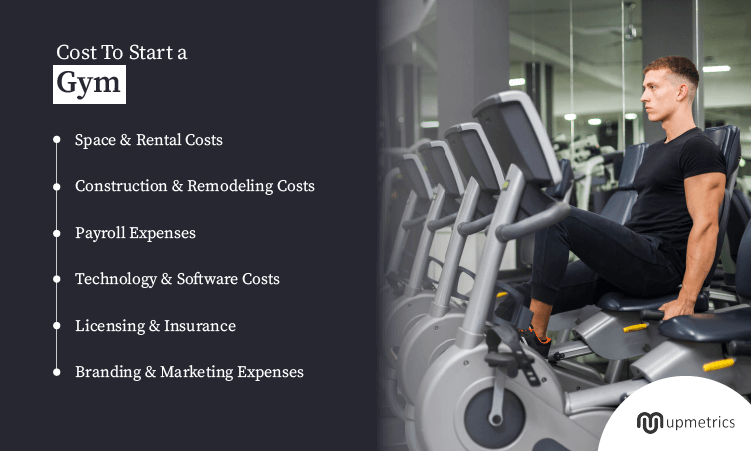
Credit: upmetrics.co
Operational Costs
Starting a gym involves various operational costs, including rent, equipment, and staff salaries. Estimating these expenses is crucial for budgeting effectively. Proper planning ensures smooth operations and helps avoid financial pitfalls.
Operational costs are crucial for starting a gym. They impact your budget and long-term success. Understanding these costs helps in planning and managing expenses. Let’s dive into some key operational costs.Utilities And Maintenance
Utilities are essential for a gym’s daily operations. This includes electricity, water, and gas. Monthly utility bills can vary based on the gym’s size and location. Expect higher costs in larger spaces due to increased energy use. Maintenance is another ongoing expense. Equipment needs regular care to stay in top condition. This includes cleaning and minor repairs. Allocate funds for unexpected equipment breakdowns. Proper maintenance ensures a safe and welcoming environment.Insurance And Permits
Insurance protects against potential risks. Gyms require liability insurance to cover accidents or injuries. The cost depends on the gym’s size and services offered. It is important to shop around for the best rates. Permits are necessary for legal operation. This includes business licenses and health permits. Costs vary based on local regulations. Research your area’s requirements to avoid fines or legal issues. Keeping permits up to date is essential for compliance.Miscellaneous Expenses
Starting a gym involves more than just buying equipment and renting space. Miscellaneous expenses can catch you off guard if you’re not careful. These are costs that don’t fit neatly into standard categories but are essential for smooth operation. To avoid surprises, it’s crucial to anticipate these expenses and budget accordingly. Let’s break down some unexpected costs and the importance of having an emergency fund.
Unexpected Costs
Even with meticulous planning, unforeseen expenses are inevitable. Think about unexpected repairs, like a broken treadmill or plumbing issues. These can disrupt your operations and dent your budget. Consider the costs of licenses and permits, which can vary unexpectedly depending on your location. It’s wise to allocate a portion of your budget for these surprises.
Another often overlooked cost is the price of insurance premiums. You might find these higher than anticipated, especially if you need specialized coverage. How prepared are you to handle sudden marketing expenses if your initial strategies don’t attract enough members? Being ready for these surprises can save you from financial stress.
Emergency Fund
Building an emergency fund is essential for long-term stability. This fund acts as a safety net for unforeseen financial demands. How much should you set aside? A general rule is to reserve three to six months’ worth of operating expenses. This can help cover costs in case of a business downturn or unexpected events.
Consider your emergency fund an investment in your gym’s resilience. It allows you to address issues swiftly without affecting your daily operations. Look at it as a financial cushion that empowers you to make confident decisions. Without it, even small hiccups can become major setbacks.

Credit: gymdesk.com
Financing Options
Starting a gym requires careful planning, including financial considerations. Explore various financing options such as loans, investors, or crowdfunding. Assess costs for equipment, leasing, and staffing to determine the total amount needed.
Starting a gym is a dream for many fitness enthusiasts, but the financial aspect can be daunting. Understanding your financing options is crucial to turn this dream into reality. Whether you’re considering loans, seeking investors, or a combination of both, each option has its own set of benefits and challenges. Let’s explore these financing avenues to help you get your gym off the ground.Loans And Credit
Loans can be a reliable option to secure the funds needed for your gym. Traditional bank loans usually offer lower interest rates, but require a solid credit history and a detailed business plan. You might also consider a Small Business Administration (SBA) loan, which can offer more favorable terms. Credit cards provide another way to finance your gym, but be cautious of high interest rates. They are best used for smaller, short-term expenses. Remember, managing your debt wisely is key to avoiding financial pitfalls.Investor Opportunities
Bringing in investors can be an excellent way to secure large sums of money without the burden of monthly repayments. Investors typically look for a stake in your business, which could mean sharing profits and decision-making. Consider reaching out to angel investors or venture capitalists who are interested in the fitness industry. Pitching your unique gym concept might attract those who are looking for innovative opportunities. It’s essential to clearly communicate your vision and how you plan to achieve success. Choosing the right financing option depends on your personal circumstances and business goals. What level of control are you willing to give up? How comfortable are you with taking on debt? Answering these questions will guide you toward the best financial path for your gym.Frequently Asked Questions
How Profitable Is Owning A Gym?
Owning a gym can be profitable with proper management and strategic marketing. Profits depend on location, membership rates, and operational costs. Successful gyms focus on customer experience and retention. Diversifying services like personal training and classes can increase revenue. Careful financial planning is crucial for long-term profitability.
How Much Does Gym Equipment Cost?
Gym equipment costs vary widely depending on quality and quantity. Basic setups can start from $1,000, while advanced equipment might reach $10,000 or more. Factors affecting cost include brand, type, and whether you purchase new or used equipment. Always budget for maintenance and replacement costs too.
What Are The Initial Gym Setup Costs?
Initial gym setup costs include rent, equipment, and marketing. Rent varies by location and size. Equipment costs depend on quality and quantity. Marketing expenses include online promotions and signage. You might need between $10,000 and $50,000 to cover initial setup costs, including licenses and insurance.
How Much Does Gym Insurance Cost?
Gym insurance typically costs between $1,000 and $6,000 annually. The price depends on coverage level, gym size, and location. Insurance covers liability, property damage, and theft. Comparing quotes from multiple providers ensures you get the best deal. Tailor the coverage to your specific needs and risks.
Conclusion
Starting a gym requires careful planning and budgeting. Consider location, equipment, and staff costs. These factors influence your initial investment. Research helps avoid unexpected expenses. Start small and grow gradually. Focus on quality equipment and customer service. Engage with your community to build loyalty.
A clear business plan guides your financial decisions. Staying organized keeps costs in check. Keep your goals realistic and adaptable. Success takes time and patience. Remember, every gym journey is unique. Your investment today shapes your fitness venture tomorrow.