Are you dreaming of opening your own gym, but unsure about how much it might cost? You’re not alone.
Many fitness enthusiasts like you are eager to turn their passion into a thriving business, yet the financial aspect often feels overwhelming. Imagine creating a space where people transform their lives, where energy and motivation are palpable. But before you start picking out treadmills and weights, it’s crucial to understand the financial commitment involved.
We’ll break down the costs associated with opening a gym, so you can make informed decisions and set your venture up for success. Ready to uncover the real numbers and take a step closer to your dream? Let’s dive in!
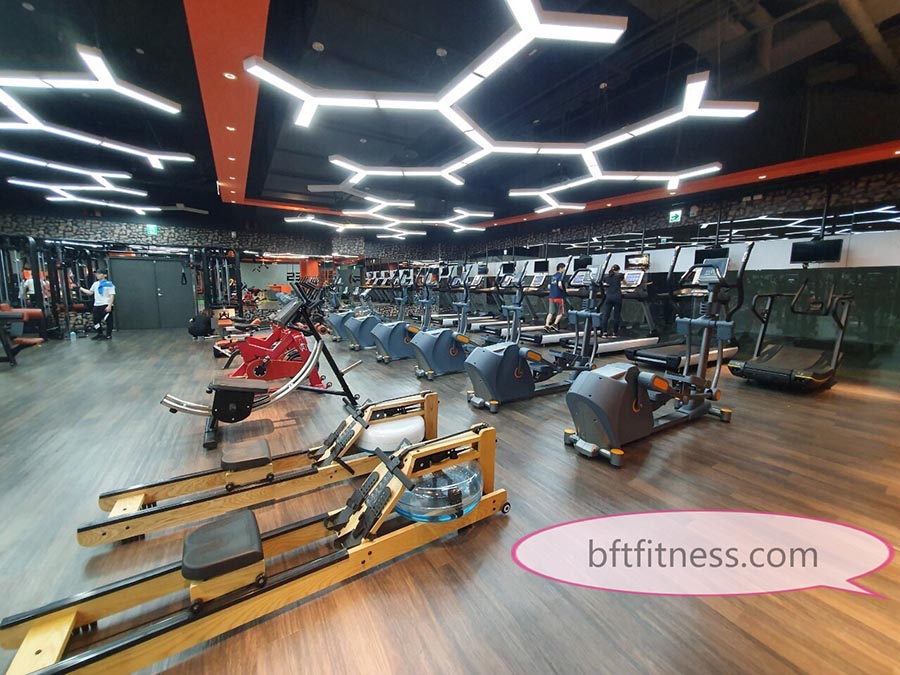
Credit: www.bftfitness.com
Planning Your Gym
Opening a gym involves several costs, including equipment, leasing, and permits. Expect to spend between $50,000 to $500,000, depending on size and location. Careful budgeting is crucial for a successful launch.
Planning your gym is a crucial step in starting a successful fitness business. Every detail counts, from the equipment to the location. You need to make informed choices to attract and retain members. Begin by outlining your business plan. This will guide your financial decisions and help secure funding.Identifying Target Market
Understanding your target market is essential. Who will your gym serve? Young professionals, families, or seniors? Each group has different needs and preferences. Research the local demographics. Look at age, income, and lifestyle. This information will shape your gym’s offerings. Tailor your services to meet their expectations.Choosing Gym Type
Select the type of gym you want to open. Options include traditional, boutique, or specialized gyms. Traditional gyms offer a variety of equipment and classes. Boutique gyms focus on specific workouts, like yoga or pilates. Specialized gyms cater to niche markets, such as CrossFit enthusiasts. Each type requires a different level of investment. Consider your target market’s preferences. Choose a gym type that aligns with their interests.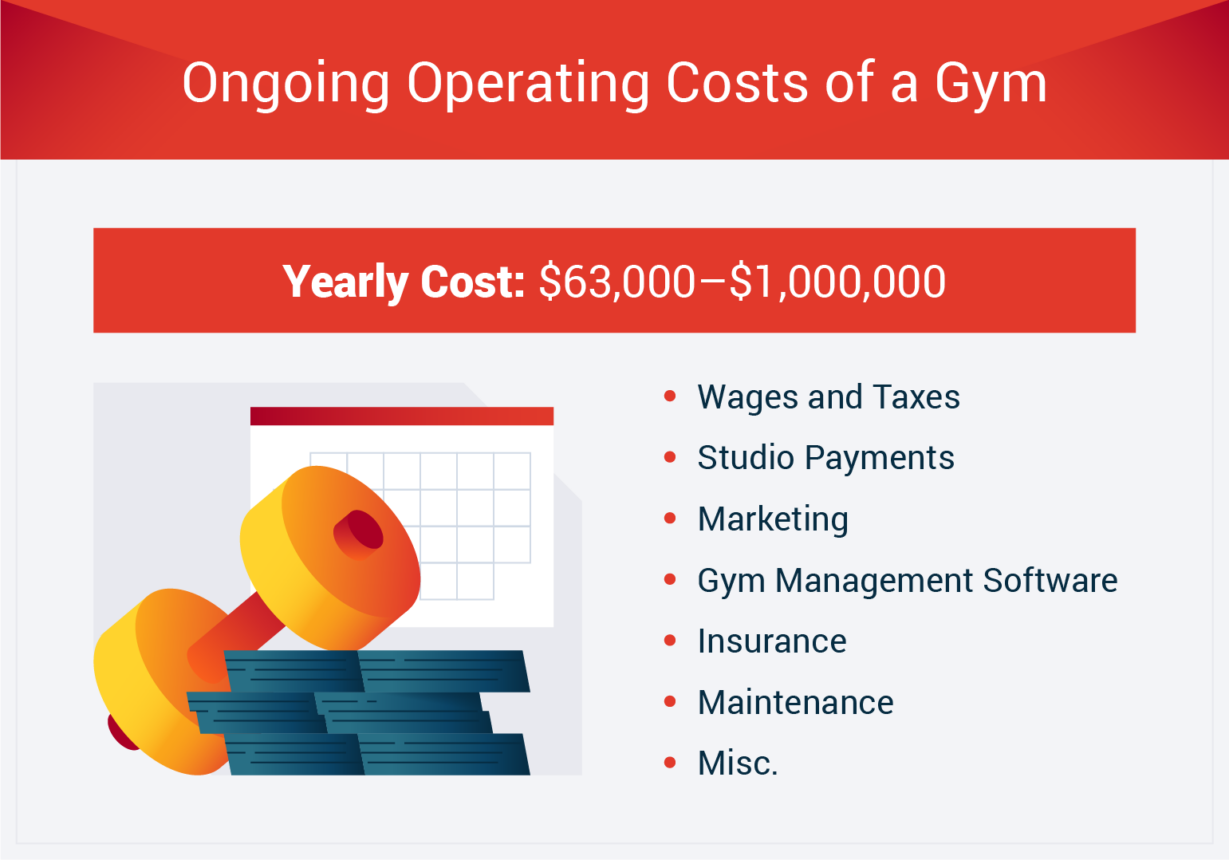
Credit: gymdesk.com
Location And Leasing
Choosing the right location for a gym impacts the leasing cost significantly. Urban areas often have higher rents than suburban ones. Consider factors like foot traffic, accessibility, and competition when evaluating leasing expenses.
Opening a gym involves several key financial considerations. Location and leasing are crucial aspects that significantly impact the overall cost. Choosing the right place can attract more customers and affect your budget. Leasing agreements can vary widely, influencing monthly expenses and long-term commitments.Finding The Right Space
Selecting the ideal location is vital for your gym’s success. High foot traffic areas are great for visibility. Look near residential neighborhoods or commercial districts. Accessibility matters. Ensure the site is easy to reach by public transport. Evaluate the competition. Avoid areas saturated with gyms. Consider parking availability. Ample parking can enhance convenience for members.Lease Agreements And Costs
Leasing terms require careful analysis. Review each detail in the agreement. Understand rent increases and renewal terms. Calculate the total monthly costs. Include utilities and maintenance fees. Negotiate for favorable conditions. Consider lease duration. Short-term leases offer flexibility. Long-term leases may provide stability. Seek legal advice. Ensure clarity in terms and conditions.Equipment Expenses
Opening a gym involves significant equipment expenses. Costs can range from $10,000 to $50,000, depending on quality and variety. Essential gear includes weights, cardio machines, mats, and mirrors.
Opening a gym is an exciting venture filled with opportunities to foster health and fitness in your community. However, one of the most significant hurdles you’ll face is the initial investment, especially in equipment expenses. Getting the right equipment is crucial not only to meet the needs of your members but also to ensure a smooth operation. Let’s break down the essential equipment and explore some cost-saving tips that can help you manage your budget effectively.Essential Gym Equipment
Investing in essential gym equipment is a foundational step. This typically includes treadmills, elliptical machines, stationary bikes, and weight training equipment such as dumbbells and barbells. These items are the backbone of any gym, catering to cardio enthusiasts and strength trainers alike. Consider the space available in your gym and the variety of equipment your target audience would expect. It’s important to strike a balance between quality and quantity, ensuring that each piece adds value to your gym’s overall experience. Additionally, think about the technology integrated into these machines. Modern equipment often features digital screens and connectivity options that enhance user experience but can also increase costs.Cost-saving Tips
Purchasing gym equipment can be a hefty investment, but there are ways to save money without compromising on quality. One effective strategy is to buy used equipment. Many gyms upgrade their equipment regularly, providing an opportunity to purchase high-quality machines at a fraction of the price. Another tip is to negotiate with suppliers. Many vendors are open to discussion on pricing, especially if you’re buying in bulk. Building a strong relationship with suppliers can also lead to better deals in the long run. Consider leasing equipment instead of buying outright. Leasing spreads out the cost over time, which can be beneficial for managing cash flow. This approach can also allow you to upgrade to newer models more frequently, keeping your gym’s offerings fresh and appealing. What equipment do you think would make your gym stand out? Balancing cost with member satisfaction is key to a successful gym venture.Interior Design And Setup
Opening a gym can cost between $50,000 to $500,000, depending on location and equipment needs. Factors like rent, renovation, and marketing impact the budget significantly.
Opening a gym involves more than just finding the right location and purchasing equipment; the interior design and setup play a crucial role in attracting and retaining members. This aspect not only affects the vibe but can also influence your brand’s identity, making it a vital area to budget for wisely.Layout Planning
Creating an efficient layout is like planning the flow of energy in your gym. Consider the types of workouts you’ll offer and the space each will require. For example, cardio machines might need to be placed in a well-ventilated area, while strength training zones should be spacious enough to accommodate free movement. Think about the journey you want your members to take. Should they be greeted by weights, or will yoga mats welcome them first? A carefully planned layout enhances user experience and can maximize your gym’s potential.Decor And Branding
Your gym’s decor should echo your brand’s mission and values. Is your gym a sanctuary for stress relief or a high-energy hub? Choose colors, textures, and lighting that align with the atmosphere you wish to create. Bold, vibrant colors might suit a gym focused on intense workouts, while softer hues might be ideal for a yoga studio. Incorporate your logo and brand colors throughout the interior. From wall designs to equipment decals, branding should be consistent and visible. Have you thought about the power of mirrors? Not only do they aid workouts, but they can also make spaces appear larger and brighter, enhancing the overall aesthetic. How can your gym’s decor tell your story and inspire your members daily?Licensing And Permits
Securing proper licenses and permits is crucial when opening a gym. Costs can vary widely depending on location, ranging from a few hundred to several thousand dollars. Research local regulations to understand specific requirements and fees.
Licensing and permits are foundational elements when opening a gym. They ensure that your business complies with local laws and regulations, protecting you and your clients. Without the right paperwork, your gym could face hefty fines or even closure.Necessary Legal Requirements
Understanding the legal requirements can be daunting but is crucial. You typically need a business license, a health department permit, and possibly a building permit. Each state or country may have specific requirements, so it’s essential to check with local authorities. If you’re wondering if you need extra certifications, the answer is often yes. For instance, personal trainers must usually be certified. Similarly, if your gym offers nutritional advice, additional licenses might be required.Associated Fees
Licensing and permit fees can vary significantly based on location and gym size. A basic business license might cost a few hundred dollars, while health permits could be more expensive. Always budget for these costs to avoid surprises. Consider also the renewal fees. Licenses and permits usually need to be renewed annually, adding an ongoing cost to your budget. Keep track of expiration dates to ensure you remain compliant. Are there ways to save on these fees? Some jurisdictions offer discounts for small businesses or startups. It’s worth asking local authorities if such incentives are available to you.Hiring Staff
Opening a gym is an exciting venture, but finding the right staff to support your vision is crucial. Hiring the right team can make or break your gym’s success. You need to identify key roles that will ensure your gym runs smoothly and efficiently. It’s not just about filling positions; it’s about finding people who share your passion for fitness and customer service.
Identifying Key Roles
Think about the core functions of your gym and the staff needed to fulfill them. You’ll likely need trainers, front desk personnel, and maintenance staff.
Consider what specializations might attract more clients. Are yoga instructors or nutritionists a good fit for your gym’s theme?
Also, don’t forget about roles such as marketing or sales personnel. They can be instrumental in growing your membership base.
Salary Considerations
Budgeting for salaries is crucial. Trainer salaries may vary based on experience and specialization. Research your local market to stay competitive.
Front desk staff often earn hourly wages. Consider offering perks like gym membership discounts to enhance their compensation.
Maintenance staff are essential for keeping the gym clean and equipment in top shape. They usually have a set salary or hourly rate.
Remember, a satisfied team is more likely to provide excellent service, which keeps clients coming back. How can you balance cost with quality staff?
Marketing And Promotion
Opening a gym requires more than just equipment and space. Marketing and promotion are crucial for attracting members. With the right strategies, your gym can thrive in a competitive market. This section explores effective ways to market your new gym.
Building An Online Presence
Creating a website is essential. It should be user-friendly and show your gym’s offerings. Include class schedules, trainer bios, and membership options. Social media platforms like Facebook and Instagram can boost your visibility. Regular posts about gym updates and events engage potential members. Consider blogging about fitness tips or success stories. These strategies can help attract visitors to your site.
Local Advertising Strategies
Local ads can be powerful. Consider flyers or posters in community centers. Partner with local businesses for cross-promotion. Attend community events and offer free trial memberships. Local radio and newspapers might offer advertising opportunities. Sponsoring local sports teams can increase visibility. These approaches can help build your gym’s reputation in the community.
Operational Costs
Opening a gym involves significant operational costs. Rent, equipment, insurance, and staffing contribute to initial expenses. Marketing and utilities add to monthly outlays.
Operational costs play a crucial role in running a gym. These costs cover everyday expenses to keep the business running smoothly. Understanding these costs helps in planning budgets effectively.Utilities And Maintenance
Utilities include electricity, water, and heating. Gyms need lots of energy for lighting, heating, and equipment. Keep these costs in mind when setting up a gym. Regular maintenance is also essential. Equipment must stay in good working condition. Routine checks prevent unexpected breakdowns, ensuring customer satisfaction.Insurance And Security
Insurance protects against unforeseen events. It covers accidents, injuries, and property damage. Essential for safeguarding your business and clients. Security is equally important. Gyms handle valuable equipment and cash. Installing security systems and hiring personnel can prevent theft. Both insurance and security add to operational costs but are vital investments.Technology Integration
Exploring costs to open a gym involves technology integration, influencing expenses. Equipment needs smart systems for efficiency. Digital management tools streamline operations, affecting overall budget.
Integrating technology into your gym is no longer a luxury—it’s a necessity. Whether you’re a tech enthusiast or a newcomer, embracing the digital world can elevate your gym experience for both staff and members. But how much will this tech integration cost, and what should you focus on?Software Solutions
Investing in the right software solutions is crucial for your gym’s operations. You might think of software as just an additional expense, but it can actually save money in the long run. Consider the efficiency it brings: automated billing, scheduling, and even marketing tasks. Software like Mindbody or Glofox can streamline your operations, making it easier to manage day-to-day activities and focus on growth. These can range from $100 to $300 per month, depending on the features you choose.Member Management Systems
Keeping track of your members and their preferences is a game-changer. A robust member management system allows you to offer personalized experiences, which can lead to higher retention rates. Think about how you can use this data to enhance customer relationships and tailor your services. Systems like Zen Planner or ClubReady not only help in managing memberships but also offer insights into member behavior. The cost might range from $50 to $200 monthly, based on your gym’s size and needs. Ultimately, technology integration is an investment in your gym’s future. Are you ready to step up and embrace the digital transformation?Financial Forecasting
Financial forecasting for opening a gym includes estimating costs for equipment, rent, and staff. Careful planning helps in budgeting for unforeseen expenses.
Financial forecasting plays a crucial role in opening a gym. It helps determine the financial health and potential profitability of your gym business. Accurate forecasting ensures you allocate resources wisely, avoid financial pitfalls, and achieve business success. This section will guide you through key aspects of financial forecasting for your gym.Estimating Revenue
Estimating revenue is essential for any new gym. Start by analyzing the potential customer base in your area. Consider the average income and fitness interest levels. Research local competitors. Check their membership fees and services. Use this data to set competitive pricing. Offer various membership plans. Monthly, quarterly, and yearly options can attract different customers. Factor in additional revenue streams. Personal training, group classes, and merchandise sales can boost income.Break-even Analysis
A break-even analysis helps determine when your gym will start making a profit. It involves calculating fixed and variable costs. Fixed costs include rent, utilities, and salaries. Variable costs cover equipment maintenance and supplies. Calculate the total monthly costs. Divide by the average revenue per member. This gives the number of members needed to break even. Adjust pricing or reduce costs to reach this target sooner. Keep revisiting this analysis as your gym grows.
Credit: www.exercise.com
Frequently Asked Questions
How Profitable Is Owning A Gym?
Owning a gym can be profitable with proper management and location. Profit margins typically range from 10% to 20%. Success depends on membership growth, retention, and additional services. Initial investment and operating costs are key factors. Conduct market research to maximize profitability.
How Much Does It Cost To Open A My Gym?
Opening a gym typically costs between $50,000 and $250,000. Expenses include equipment, rent, permits, and marketing. Location and size significantly influence costs. Consider budgeting for unexpected expenses. Proper planning and research can help manage costs effectively.
What Is The Average Cost To Open A Gym?
The average cost to open a gym ranges from $100,000 to $500,000. Costs vary based on location, size, and equipment. Rent, staffing, and marketing also affect expenses. Smaller gyms might start at lower costs, but larger facilities require more investment.
How Much Does Gym Equipment Cost?
Gym equipment costs can vary widely, from $10,000 to $50,000. The price depends on the type and quality of equipment. New equipment is more expensive, but used equipment can save money. Always consider maintenance costs when budgeting.
Conclusion
Starting a gym requires careful planning and budgeting. Costs vary widely. Equipment, location, and staff significantly impact expenses. Think about your specific goals and resources. Research can help create an accurate budget. Remember, investing wisely ensures better returns. Consider hidden costs like maintenance and marketing.
Regularly review expenses to stay on track. Opening a gym is challenging but rewarding. With proper preparation, success is achievable. Stay committed and adaptable. Your dream gym can become a reality.