Are you planning to set up your own home gym or revamp your existing workout space? If so, you might be wondering about an often overlooked yet crucial aspect: gym flooring.
The thickness of your gym flooring can make a significant difference, impacting not only your workout experience but also your safety and the longevity of your equipment. You might be surprised at how a simple choice can transform your fitness routine, providing the right support and cushioning for your exercises.
In this blog post, we’ll unravel the mystery of how thick your gym flooring should be to optimize your workouts and protect both your joints and your gear. Keep reading to discover the ideal thickness that will elevate your fitness game, ensuring every squat, lift, and jump feels just right.

Credit: www.ironcompany.com
Importance Of Gym Flooring Thickness
Choosing the right gym flooring thickness is crucial for safety and performance. It impacts shock absorption, noise reduction, and durability. Thicker flooring provides better protection for your equipment and yourself.
Understanding Shock Absorption
Gym floors need to absorb impact from weights and workouts. Thicker flooring excels at cushioning heavy equipment drops. It reduces strain on joints during exercises.
Noise Reduction Benefits
Thicker gym floors help in minimizing noise. They absorb sound from weights and footsteps. This makes the gym environment quieter and more pleasant.
Durability And Longevity
Durability is essential in high-traffic gyms. Thick flooring withstands wear and tear better. It lasts longer, saving money on replacements.
Protecting Your Equipment
Heavy gym equipment needs a strong foundation. Thick flooring guards against damage. It prevents dents and scratches on machines.
Improved Safety Measures
Safety is a top priority in gyms. Thicker flooring reduces injury risks. It provides a stable surface for workouts.
Comfort During Workouts
Comfort enhances workout sessions. Thick gym floors offer a softer, more comfortable feel. They support prolonged training without discomfort.
Factors Influencing Thickness
Choosing the right thickness for gym flooring is crucial. It affects safety, performance, and durability. Several factors determine the appropriate thickness. These include the type of exercise, weight of equipment, and space usage. Understanding these factors can help you make an informed decision.
Type Of Exercise
The type of exercise impacts flooring thickness greatly. Cardio workouts may need thinner flooring. Yoga or Pilates also require less thickness. High-impact exercises like weightlifting need thicker flooring. This provides better shock absorption. Protects both the floor and your joints.
Weight Of Equipment
Heavy equipment demands thicker flooring. Treadmills and ellipticals can damage thin floors. Thicker flooring helps prevent dents and scratches. It also absorbs noise. Ensures a quieter workout environment. Protects the integrity of your floor.
Space Usage
Consider how you use the space. A multi-purpose gym needs versatile flooring. Different areas might need varying thicknesses. Zones for heavy weights need more thickness. Areas for light exercise can be thinner. Tailor the floor to the activities planned.
Material Options For Gym Flooring
Choosing the right gym flooring is crucial for both safety and performance. Whether you are setting up a home gym or a commercial space, understanding the different material options can help you make the best choice. Each type of gym flooring offers unique benefits and features that cater to various workout needs. Let’s dive into the most popular materials: rubber, foam, and vinyl.
Rubber Flooring
Rubber flooring is a favorite among gym enthusiasts. It’s durable, easy to clean, and provides excellent shock absorption. You might have noticed it in most commercial gyms. This is because rubber can handle heavy weights and intense workouts.
Think about the times you’ve dropped a dumbbell. Rubber flooring cushions the impact, protecting both your equipment and your floor. It’s available in rolls or tiles, allowing you to customize your space easily.
Imagine setting up a gym in your garage. Rubber tiles can be a perfect fit, as they can cover any awkward corners and are easy to replace if damaged. Plus, they offer a non-slip surface, making them safe for high-intensity workouts.
Foam Flooring
Foam flooring is lightweight and budget-friendly. It’s a great option if you’re into activities like yoga or Pilates. It provides a softer surface, which is ideal for floor exercises that require comfort.
Have you ever tried stretching on a hard surface? Foam flooring can make a huge difference, offering a plush experience for your workouts. It’s easy to install, often coming in interlocking tiles that can be laid down in minutes.
However, foam might not be the best choice for heavy lifting. Its softness can lead to dents under heavy equipment. But if your workouts are mainly cardio and bodyweight exercises, foam could be your best friend.
Vinyl Flooring
Vinyl flooring is versatile and stylish. It’s resistant to moisture and scratches, making it suitable for multi-purpose gym spaces. If aesthetics matter to you, vinyl offers various designs that can match any decor.
Do you like having different workout zones in your gym? Vinyl can seamlessly transition between areas, from a cardio corner to a weightlifting section. It’s durable enough to withstand moderate weights and offers a smooth surface for aerobic exercises.
But remember, while vinyl is durable, it doesn’t offer the same level of impact resistance as rubber. Consider your workout intensity when choosing vinyl. If your gym doubles as a family recreation area, vinyl’s versatility might just be the perfect choice.
Each flooring material has its strengths. Reflect on your workout style, space requirements, and budget. What suits your personal gym needs? Making the right choice can enhance your workout experience and protect your investment.
Standard Thickness Recommendations
Choosing the right thickness for gym flooring is crucial for safety, performance, and durability. The right thickness can protect your equipment, reduce noise, and provide comfort during workouts. But how thick should your gym flooring be? Let’s look at some standard thickness recommendations for different types of gym environments.
Home Gym Flooring
Home gyms often cater to a variety of exercises, from yoga to weightlifting. A thickness of 6mm to 8mm is generally recommended. This range provides adequate cushioning and sound absorption without being overly bulky.
Think about the space and the type of workouts you’ll be doing. For lighter activities, thinner flooring might suffice. But if you’re dropping weights, consider thicker mats for better impact protection.
Commercial Gym Flooring
Commercial gyms see heavy traffic and diverse equipment use. Flooring thickness should be around 10mm to 15mm. This level ensures durability under heavy machinery and continuous foot traffic.
High-quality flooring can enhance your gym’s reputation and attract more members. Would you feel comfortable working out on thin, flimsy flooring? Your clients won’t either.
Crossfit Gym Flooring
CrossFit gyms require robust flooring due to intense workouts and equipment like kettlebells and barbells. A thickness of 15mm to 20mm is ideal. It provides protection against heavy impacts and reduces noise from dropping weights.
CrossFit workouts are demanding, and proper flooring can prevent injuries and damage. Consider your members’ safety and how flooring can contribute to their performance.
Ultimately, the right flooring thickness depends on your gym’s specific needs. Consider the type of workouts, the equipment used, and the safety of your users. What flooring thickness will best serve your gym’s purpose?
Benefits Of Proper Flooring Thickness
Ensuring the right thickness in gym flooring enhances safety and comfort. It absorbs impact, reducing injury risks. Proper thickness also protects underlying surfaces, extending floor life.
Proper gym flooring thickness is more than just a technical detail; it’s a crucial aspect that can significantly impact your workout experience. Whether you’re setting up a home gym or managing a commercial fitness facility, understanding the benefits of the right flooring thickness is essential. From enhancing safety to improving durability and reducing noise, the right thickness can make all the difference.Safety Enhancement
Safety should be your top priority when it comes to gym flooring. A thicker floor provides better cushioning, which can help absorb impact during activities like weightlifting or aerobic exercises. Imagine dropping a heavy dumbbell—thicker flooring can reduce the risk of injury by providing a softer landing surface. Moreover, thicker flooring can prevent slips and falls by offering better grip. This is particularly important in areas prone to sweat or moisture. Wouldn’t you feel more confident knowing your workout space is safer?Durability Improvement
Investing in the right flooring thickness can also boost durability. Thicker materials are generally more resistant to wear and tear, prolonging the life of your gym floor. Consider high-impact workouts or heavy gym equipment; a thin floor might wear out quickly, leading to costly repairs or replacements. Additionally, thicker flooring can better withstand the pressure of heavy gym equipment. You won’t have to worry about indentations or permanent damage, allowing you to focus on your fitness goals without distractions.Noise Reduction
Noise can be a significant issue, especially if your gym is in a shared building or at home. Thicker gym flooring can help reduce noise levels, making your workout sessions more peaceful and less disruptive to others. Think about the clatter of dropping weights or the thud of jumping exercises—a thicker floor can significantly muffle these sounds. This noise reduction benefit isn’t just for others; it can enhance your workout experience too. You can enjoy your music or focus on your form without being distracted by ambient noise. Isn’t it worth considering how much a quieter workout environment could improve your fitness journey? By choosing the right gym flooring thickness, you’re not only investing in the longevity of your equipment and facility but also in the quality of your exercise experience. So, what’s your ideal gym flooring thickness going to be?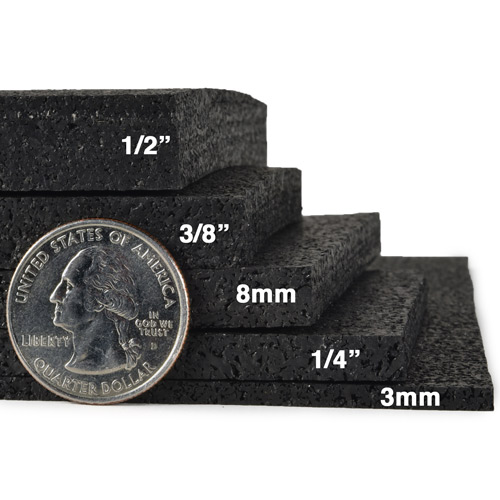
Credit: www.greatmats.com
Cost Considerations
Choosing the right thickness for gym flooring impacts cost. Thicker mats offer better protection but may be pricier. Balancing durability with budget ensures a safe workout space without overspending.
When deciding on gym flooring, cost is a major factor that can’t be overlooked. You want something durable yet affordable. The thickness of the flooring often influences the price, but how do you find the right balance between cost and quality? Let’s explore how to make smart financial decisions for your gym flooring.Budget-friendly Options
If you’re on a tight budget, thinner flooring might be your go-to choice. Many people opt for 6mm or 8mm mats for home gyms. They’re easy on the wallet and provide decent protection for your floors. You might think, “Is this really enough?” Consider the type of workouts you do. Light exercises like yoga or pilates won’t need thick mats. But if you’re lifting heavy weights or doing high-impact workouts, you might face wear and tear sooner than expected. So, while saving money upfront, check if the thinner options meet your workout needs.Long-term Investment
Investing in thicker gym flooring, like 12mm or more, may seem costly initially. But think about the long-term benefits. These thicker options are more durable and can withstand heavy equipment and high-impact activities. Imagine this: You install thinner mats and a year later, they start to wear down. Now you need to replace them, doubling your cost. Could investing more now save you money in the future? Thicker flooring is often a one-time investment that pays off over time. Do you plan to use the gym frequently? Consider the flooring as a long-term investment for your health and fitness journey. It’s not just about spending money; it’s about spending wisely.Installation Tips
Choosing the right thickness for gym flooring is crucial. Proper installation ensures durability and safety. Consider your installation options for best results. DIY and professional installations are popular choices. Each method has unique benefits and challenges.
Diy Installation
DIY installation can be cost-effective. Start by measuring your space accurately. This prevents buying excess materials. Ensure the subfloor is clean and dry. A smooth surface helps the flooring adhere properly. Use a chalk line to mark installation areas. This keeps your lines straight. Consider using interlocking mats. They are easy to assemble without adhesives. Rubber flooring requires careful cutting. Use a utility knife for precision. Ensure edges fit tightly to avoid gaps. Check for uneven spots as you lay the mats. These can cause tripping hazards.
Professional Installation
Professional installation offers expertise and precision. Professionals assess your floor condition before starting. This ensures the best installation strategy. They handle heavy lifting and complex cutting. This saves you time and effort. Experts use specialized tools for accuracy. This results in a seamless finish. They choose the right adhesive for your flooring type. This prevents future shifting issues. Installation is fast and efficient. Professionals clean up after completion. This leaves your gym ready for use.
Maintenance And Care
Maintaining and caring for gym flooring ensures its longevity and effectiveness. Proper care keeps it safe, clean, and ready for workouts. Understanding maintenance routines saves time and money. A well-kept floor enhances the gym experience for everyone.
Cleaning Techniques
Regular cleaning prevents dust and dirt buildup on gym floors. Use a vacuum for daily cleaning. It removes loose particles. For deeper cleaning, use a damp mop with mild detergent. Avoid harsh chemicals. They can damage the flooring. Make sure the floor dries completely after cleaning. Wet floors can be slippery.
Repair And Replacement
Check gym flooring regularly for signs of wear or damage. Small tears can become large problems. Repair them promptly to maintain safety. Use repair kits designed for gym floors. They are easy to use and effective. In cases of severe damage, consider replacing the affected area. This ensures the entire floor remains safe and functional. Always consult a professional for extensive repairs or replacements. They have the expertise to handle complex issues.
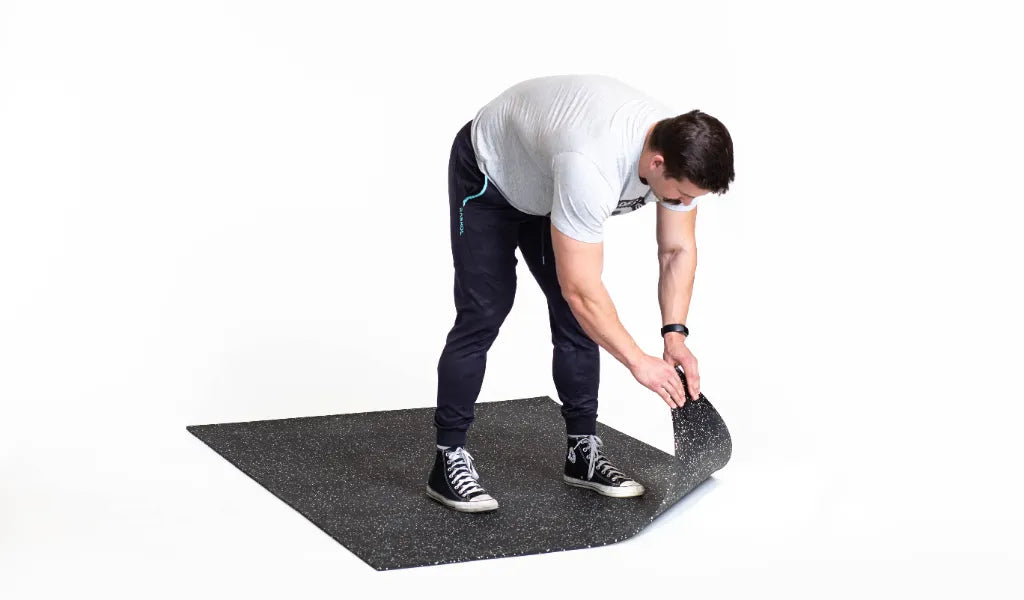
Credit: bellsofsteel.us
Frequently Asked Questions
Is 3/8 Thick Enough For A Gym Floor?
A 3/8 inch thickness can suffice for home gym floors with light equipment. It provides basic protection and cushioning. For heavy equipment or intense workouts, consider thicker mats. Proper thickness ensures durability and safety. Always assess your gym’s needs before deciding.
Is 1/4 Thick Enough For A Home Gym?
A 1/4-inch mat can work for light home gym use. For intense workouts or heavy equipment, consider thicker options to ensure better protection and support. Always prioritize safety and comfort in your gym setup.
Is 10mm Thick Enough For Gym Flooring?
10mm gym flooring offers good protection for light workouts. It’s suitable for home gyms and casual exercises. For high-impact activities or heavy equipment, consider thicker options for enhanced durability and support. Always choose flooring that matches your specific fitness needs and space requirements.
Is 5’16” Thick Enough For Gym Flooring?
A 5’16” thickness is generally sufficient for home gym flooring. It provides adequate cushioning and support for most exercises. Ensure the material is durable and non-slip for safety. For heavy equipment or intense workouts, consider thicker options. Always assess specific needs and preferences for optimal performance.
Conclusion
Choosing the right gym flooring thickness is crucial. It ensures safety and comfort. Thicker mats absorb impact better. They protect your floors from heavy weights. Thin flooring suits lighter activities. It’s great for yoga or stretching. Balance is key when selecting thickness.
Consider your workout style and equipment. Think about future needs too. Good flooring enhances your gym experience. It supports your fitness journey efficiently. Make an informed choice. Your gym should be safe and effective. Always prioritize quality and durability. Your workout deserves the best foundation.