Are you passionate about helping others achieve optimal health and wellness through nutrition? If so, becoming a nutritional therapist might be the perfect path for you.
Imagine turning your love for food and well-being into a rewarding career, where you can make a real difference in people’s lives. In this guide, you’ll discover what it takes to become a nutritional therapist, the skills you’ll need to succeed, and the steps that will lead you to your new career.
Whether you’re looking to start fresh or enhance your current profession, this article will equip you with the knowledge and inspiration to take the next step. Ready to unlock your potential and transform lives through the power of nutrition? Let’s dive in!
Role Of A Nutritional Therapist
Nutritional therapists play a vital role in health and well-being. They guide individuals in making informed food choices. These professionals use their expertise to understand the unique needs of their clients. Their goal is to enhance health through nutrition. The role requires a deep understanding of food’s impact on the body. Additionally, it involves creating personalized plans to address specific health concerns.
Understanding Clients’ Needs
A nutritional therapist begins by assessing their client’s health. They consider lifestyle, dietary habits, and health goals. This assessment helps in tailoring nutrition plans. Therapists use questionnaires and interviews for gathering information. They listen actively to understand their clients’ challenges.
Creating Personalized Nutrition Plans
Once a therapist understands their client’s needs, they create a customized plan. This plan includes specific dietary recommendations. The plan aims to improve overall health. It may focus on weight management or addressing deficiencies. Therapists choose foods that support their clients’ health goals.
Providing Support And Guidance
Nutritional therapists offer ongoing support to their clients. They provide encouragement and motivation. Regular check-ins help in tracking progress. Therapists adjust plans as needed for optimal results. They educate clients about nutrition and healthy habits.
Staying Updated With Nutrition Trends
To be effective, therapists stay informed about current nutrition trends. They read research studies and attend seminars. This knowledge helps them provide accurate advice. Therapists ensure their practices are based on reliable data.
Collaborating With Other Health Professionals
Collaboration is crucial in nutritional therapy. Therapists work alongside doctors and dietitians. They ensure a holistic approach to health care. This teamwork leads to comprehensive support for clients.

Credit: ion.ac.uk
Essential Skills And Qualities
Becoming a nutritional therapist requires strong communication skills and a deep understanding of nutrition science. Empathy and active listening help in understanding clients’ needs. Analytical skills are crucial for creating personalized dietary plans that promote health and well-being.
Embarking on a career as a nutritional therapist requires more than just a passion for health and wellness. It demands a unique set of skills and qualities that help you guide others on their journey to better health. Let’s delve into the essential skills and qualities that will set you up for success in this rewarding field.Communication Skills
Effective communication is the cornerstone of any therapeutic practice. You need to convey complex nutritional information in a way that’s easy for your clients to understand. A successful nutritional therapist uses simple language to explain how dietary changes can impact health outcomes. Active listening is just as crucial. By genuinely listening to your clients, you can tailor advice to their specific needs. This skill helps build trust and enables a collaborative relationship where clients feel heard and valued.Empathy And Compassion
Walking in your client’s shoes can make a significant difference in their nutritional journey. Empathy allows you to understand their struggles and frustrations with dietary changes. When clients feel supported, they’re more likely to stay motivated and adhere to their personalized plans. Compassion goes hand in hand with empathy. A compassionate approach can transform a client’s experience, turning what might feel like a daunting lifestyle change into a supportive partnership. Have you ever thought about how empathy in your practice could improve your client’s outcomes?Analytical Abilities
Analyzing client data is a critical skill for a nutritional therapist. You’ll assess dietary habits, health conditions, and lifestyle factors to create effective nutrition plans. This requires a sharp analytical mind to interpret data and make informed decisions. What sets apart a great therapist is the ability to identify patterns and problems that might not be immediately obvious. Your analytical skills ensure that the advice you provide is not only accurate but also tailored to promote the best possible health outcomes for your clients. In your journey to become a nutritional therapist, honing these skills and qualities will be invaluable. They not only enhance your effectiveness but also ensure that you provide compassionate, personalized care to those you serve.Educational Pathways
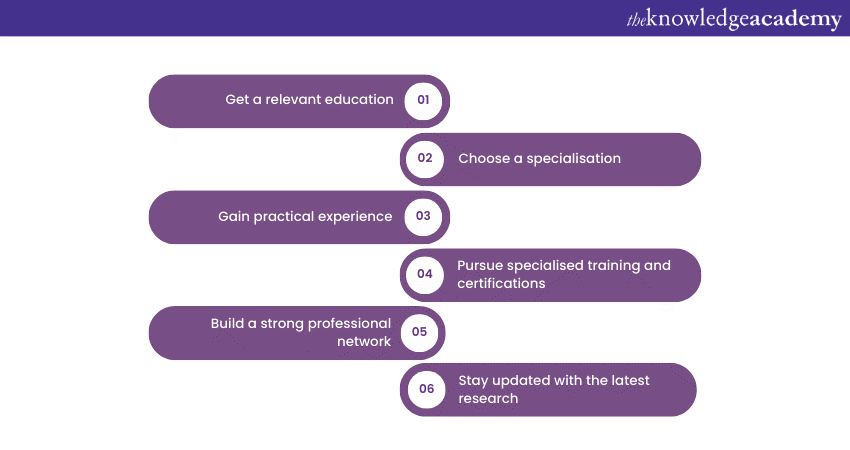
Exploring educational pathways, aspiring nutritional therapists often pursue specialized courses. Certifications in nutrition and dietetics provide essential knowledge. Practical experience in health settings enhances skills, preparing professionals to advise clients on balanced diets.
Embarking on the journey to become a nutritional therapist is both exciting and rewarding. The path is filled with opportunities to learn about the intricate relationship between food and health. Understanding the educational pathways available can help you make informed decisions about your career.Degree Programs
A solid foundation often begins with a degree in nutrition or a related field. Many universities offer bachelor’s programs in nutritional science, dietetics, or health sciences. These programs provide a comprehensive understanding of human biology, food science, and health. You might also consider a master’s degree for more specialized knowledge. This can be particularly beneficial if you’re interested in research or teaching. Look for programs that offer internships or hands-on experience to apply your learning practically. Choosing the right program can be challenging. Consider factors like curriculum, faculty expertise, and opportunities for real-world application. What aligns best with your interests and career goals?Certification Options
Certification adds credibility to your practice and opens more professional doors. After your degree, pursuing certification as a nutritional therapist is a smart move. Organizations like the Nutritional Therapy Association offer programs that enhance your skills and knowledge. These certifications often require passing an exam and continuing education. They ensure you stay updated with the latest research and trends. This commitment to ongoing learning demonstrates your dedication to providing the best care to clients. Think about what certifications align with your career aspirations. Do they offer specialized areas that interest you? Certifications can tailor your expertise, making you stand out in the field. — The educational journey in nutritional therapy is a personal and enriching experience. It’s about finding the path that resonates with your passion for health and nutrition. As you navigate these pathways, remember that each step brings you closer to making a positive impact on others’ lives.
Credit: www.theknowledgeacademy.com
Training And Experience
To become a successful nutritional therapist, training and experience are crucial. You might wonder how these components shape your journey. Think of training as the foundational knowledge you need, while experience sharpens your skills in real-world scenarios.Gaining hands-on experience and continuously learning ensures you stay updated and effective in your practice. Are you ready to dive into these aspects to boost your career as a nutritional therapist?
Internships And Practicum
Internships and practicum provide invaluable practical experience. They allow you to apply theoretical knowledge in real-life situations. This not only boosts your confidence but also refines your understanding of client interactions.
Seek internships at clinics or wellness centers. These settings expose you to diverse cases, enriching your learning. Remember my first internship? It was a small clinic, but I learned more in those three months than in a year of lectures.
Connect with mentors during your practicum. Their guidance can be pivotal in navigating complex cases. Ever had someone share a golden nugget of wisdom that changed your perspective? Mentors often have these insights.
Continuing Education
Continuing education is essential to keep your skills sharp. The field of nutrition evolves rapidly, with new research and trends emerging regularly. Are you keeping up with the latest findings?
Attend workshops, webinars, or conferences. These events provide not only knowledge but also networking opportunities. Imagine meeting a peer who shares a breakthrough strategy that you could apply in your practice.
Consider enrolling in specialized courses. They can deepen your expertise in areas like sports nutrition or gut health. This specialized knowledge can differentiate you from other practitioners in the field.
How do you plan to incorporate ongoing learning into your schedule? Allocating time regularly can make a significant difference in your career trajectory.
The path to becoming an outstanding nutritional therapist is paved with continuous learning and hands-on experience. Embrace every opportunity to learn and grow. Your future clients will thank you for it!
Building A Client Base
Building a client base is essential for a nutritional therapist. It involves connecting with potential clients and establishing trust. This process requires strategic networking and effective marketing. These elements help in reaching people who need nutritional guidance.
Networking Strategies
Start by attending local health events. Meet individuals interested in nutrition. Share your expertise and listen to their needs. Join online forums related to nutrition. Engage in discussions and offer helpful advice. Connect with other health professionals. Collaborate on projects or seminars. This expands your reach to new audiences.
Marketing Techniques
Create a professional website showcasing your services. Include testimonials from satisfied clients. Use social media platforms to share valuable content. Post tips and recipes that attract attention. Write articles for health magazines or blogs. This positions you as an expert in the field. Offer free workshops or webinars. Provide valuable insights and practical advice. Encourage attendees to sign up for your newsletter. This keeps them informed and engaged with your services.

Credit: unboundwellness.com
Navigating Legal And Ethical Standards
Understanding legal and ethical standards is vital for aspiring nutritional therapists. This knowledge ensures safe and responsible practice, protecting both clients and therapists. Adhering to established guidelines fosters trust and credibility in the field.
Navigating legal and ethical standards is crucial for nutritional therapists. This ensures both compliance and trust in your practice. Understanding the rules helps you provide safe advice. It also safeguards your professional reputation. Ethical standards guide you in making the right decisions for your clients. Let’s explore these essential aspects.Understanding Regulations
Regulations vary by country and region. It’s important to research the specific rules in your area. Some places require certification or registration. Others may have fewer restrictions. Always ensure that you meet the necessary requirements. This helps you avoid legal issues. It also builds trust with clients. Stay updated with changes in regulations. Laws can change, affecting your practice. Join professional organizations for updates and support. They often provide resources and guidance on current laws. Understanding regulations is an ongoing process.Maintaining Professional Integrity
Integrity is vital in nutritional therapy. It involves being honest and transparent with clients. Always provide evidence-based advice. Avoid making unverified claims about treatments or diets. This maintains client trust and protects your reputation. Respect client confidentiality. Keep their personal information private. This is not just ethical; it’s often a legal requirement. Ensure that you have consent before sharing any details. Continuously educate yourself. Stay informed about new research and methods. This ensures your advice remains relevant and accurate. It also demonstrates your commitment to high standards. Maintaining integrity fosters a successful and respected practice.Tools And Resources
Becoming a nutritional therapist requires the right tools and resources. These tools help you build knowledge and skills. They guide you in offering the best advice to clients. Explore various books and online platforms. They can serve as invaluable resources on your journey.
Recommended Books
Books offer deep insights into nutritional therapy. Start with “The China Study” by T. Colin Campbell. It explains the relationship between diet and disease. “The Paleo Solution” by Robb Wolf is another great read. It explores the benefits of a paleo diet. “Eat, Drink, and Be Healthy” by Walter Willett provides a comprehensive guide on balanced eating. These books can enhance your understanding of nutrition.
Online Platforms
Online platforms provide flexible learning opportunities. Coursera offers courses in nutrition and health. You can learn from top universities at your pace. FutureLearn provides courses on food as medicine. It focuses on nutrition’s role in health and wellness. The Nutritional Therapy Association offers online certifications. It provides a structured path to becoming a therapist. These platforms are excellent for gaining practical knowledge.
Career Growth Opportunities
Becoming a nutritional therapist offers exciting career growth opportunities. The field is expanding rapidly, driven by rising health awareness. Professionals can tailor their careers with various paths and roles. Whether you focus on specific health issues or advance to leadership roles, the opportunities are vast.
Specialization Areas
Nutritional therapists can specialize in diverse areas. Some choose to focus on weight management, guiding clients to achieve healthy body goals. Others may specialize in sports nutrition, helping athletes optimize performance. Digestive health is another specialization, where therapists address gut health. Each area offers unique challenges and rewards.
Advanced Roles
Advanced roles in nutritional therapy provide further career growth. Experienced therapists may become clinic managers, overseeing operations and client care. Some advance to research roles, contributing to nutritional science. Others may take on educator roles, teaching future therapists. These roles require expertise and leadership skills.
Frequently Asked Questions
What Do You Need To Be A Nutrition Therapist?
To become a nutrition therapist, earn a relevant degree in nutrition or dietetics. Obtain certification from a recognized body. Gain practical experience through internships or supervised practice. Develop strong communication skills. Stay updated with the latest nutritional research and trends.
How Long Does It Take To Become A Nutritional Therapy Practitioner?
Becoming a nutritional therapy practitioner typically takes 9 to 12 months. It involves completing a certification program. Courses include nutritional science, anatomy, and physiology. Practical assessments and exams are part of the curriculum. Successful completion leads to certification, allowing practitioners to advise clients on dietary and lifestyle changes.
What Is The Difference Between A Dietitian And A Nutritional Therapist?
A dietitian holds a recognized qualification and can diagnose and treat dietary issues. A nutritional therapist provides advice on diet to enhance overall health but isn’t usually regulated.
How Do I Become A Functional Nutritional Therapy Practitioner?
Enroll in a Nutritional Therapy Association course. Complete required coursework and hands-on training. Pass the final exam. Obtain certification as a Functional Nutritional Therapy Practitioner. Stay updated with continuing education and renew certification as needed.
Conclusion
Becoming a nutritional therapist takes dedication and passion. Start by exploring nutrition courses. Gain practical experience with internships or volunteer work. Build knowledge about different diets and health conditions. Stay updated with new research and trends. Networking is important. Connect with professionals in the field.
Consider joining nutritional therapy associations. Set clear goals for your career path. Remember, helping others improve their health is rewarding. With hard work, you can succeed. Your journey to becoming a nutritional therapist can inspire positive change.