Are you tired of feeling like your calves just won’t grow, no matter how hard you work out? Do you long for those well-defined, strong lower legs that not only look great but also enhance your performance in sports and daily activities?
If so, you’re not alone, and you’re in the right place. Building calf muscles can be a bit of a mystery, but it doesn’t have to be. Imagine walking into a room and feeling confident about your physique, or running that extra mile because your legs are stronger than ever.
In this guide, we’ll unlock the secrets to effective calf muscle growth, breaking down the steps you need to take and the exercises that really work. Get ready to transform your lower legs and discover the power you never knew you had. Keep reading, because your journey to stronger, more defined calves starts right here.
Anatomy Of Calf Muscles
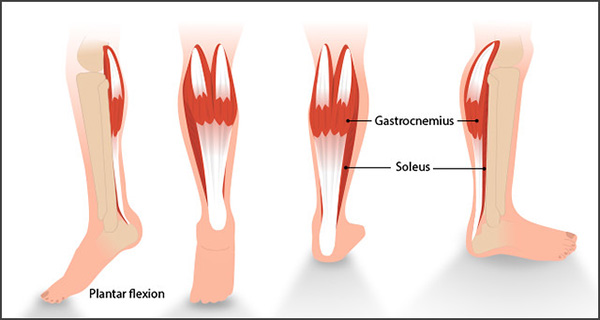
The calf muscles play a crucial role in leg movement. Understanding their anatomy helps improve workouts. They consist of two main muscles: gastrocnemius and soleus. They connect to the Achilles tendon. Each part has unique functions.
Gastrocnemius Muscle
The gastrocnemius muscle forms the calf’s rounded shape. It’s located at the back of the lower leg. This muscle has two heads. They attach to the femur. It helps with jumping and running. It also aids in walking. The gastrocnemius is involved in plantar flexion. This action points the toes downward.
Soleus Muscle
The soleus muscle lies beneath the gastrocnemius. It’s crucial for standing and walking. This muscle connects to the tibia and fibula. It performs slow, sustained actions. The soleus assists in maintaining posture. It works during activities like walking and cycling. It plays a vital role in plantar flexion.
Achilles Tendon
The Achilles tendon links calf muscles to the heel bone. It’s the strongest tendon in the body. It enables powerful movements. Walking, running, and jumping rely on it. The tendon absorbs impact. It provides stability to the ankle. Proper care prevents injury. Stretching helps maintain flexibility.

Credit: www.wikihow.com
Importance Of Calf Muscle Strength
Calf muscle strength holds great importance in daily life and fitness. Strong calves support various physical activities and improve overall health. They play a crucial role in movement and stability.
Enhanced Athletic Performance
Strong calf muscles boost your athletic performance significantly. They help in running faster and jumping higher. Athletes often focus on calf exercises for better results. This muscle group provides power and speed.
Improved Balance And Stability
Calf muscles are key to balance and stability. They support your body during activities like walking and standing. Strong calves reduce the risk of falls and improve coordination.
Reduction Of Injury Risk
Injury risks decrease with strong calf muscles. They absorb shock during physical activities. This reduces stress on other body parts like knees and ankles. Regular calf exercises can help prevent injuries.
Effective Exercises For Calf Growth
Building strong calf muscles requires targeted exercises. These exercises enhance muscle growth and improve leg strength. Focusing on effective exercises can maximize your efforts. Below, explore three key exercises that are crucial for calf growth.
Standing Calf Raises
Standing calf raises are a simple yet powerful exercise. Stand on a raised platform or step. Keep your heels hanging off the edge. Slowly rise onto your toes. Hold this position briefly. Lower your heels back down. Perform this movement with control. For added intensity, hold weights in your hands.
Seated Calf Raises
Seated calf raises target the lower calf muscles. Sit on a bench with your feet flat. Place a weight on your knees. Raise your heels off the ground. Hold the top position for a second. Lower your heels slowly. Repeat this process for a set number of reps.
Calf Press On Leg Machine
The calf press on a leg machine is effective for growth. Sit on the leg press machine. Position your feet on the platform. Keep your toes at the edge. Push through your toes to lift the weight. Hold briefly at the top. Return to the start position with control. Adjust the weight to suit your strength level.
Advanced Techniques For Muscle Building
Building calf muscles requires focused exercises like calf raises and seated calf raises. Consistency in workouts and proper nutrition enhances growth. Stretching can improve flexibility and prevent injury.
Building calf muscles can be challenging. Many fitness enthusiasts seek advanced methods to achieve this. These techniques focus on increasing intensity and efficiency. They push muscles beyond their usual limits. Let’s explore some advanced methods for calf muscle growth.Drop Sets
Drop sets involve performing an exercise to failure. Then, reduce the weight and continue the exercise. This technique ensures maximum muscle fatigue. It stimulates muscle fibers extensively. To perform drop sets, start with a heavy weight. Do calf raises until you can’t continue. Then, lower the weight and repeat. This creates a deep muscle burn. It encourages muscle growth.Supersets
Supersets combine two exercises back-to-back. There is no rest in between. They increase workout intensity and save time. For calves, pair standing calf raises with seated calf raises. This targets different parts of the calf. Do 10-12 reps of each exercise. Move quickly from one to the next. Supersets improve muscle endurance and strength.Progressive Overload
Progressive overload is about gradually increasing weight or reps. This challenges the muscles consistently. Start with a comfortable weight for calf raises. Each week, add a small amount of weight. Alternatively, increase the number of repetitions. This method helps muscles adapt and grow. It prevents plateaus in progress. Always maintain proper form to avoid injury.Incorporating Resistance Training
Incorporating resistance training is crucial for building strong calf muscles. Resistance exercises help stimulate muscle growth and improve strength. Various tools can enhance these exercises and maximize results. Below are some effective methods to incorporate resistance training into your routine.
Using Dumbbells And Barbells
Dumbbells and barbells provide effective ways to build calf muscle. They add extra weight, making calf raises more challenging. Stand with feet shoulder-width apart. Hold a dumbbell in each hand or place a barbell on your shoulders. Raise your heels, balancing on your toes. Lower slowly and repeat. This increases muscle engagement and strength.
Resistance Bands Workouts
Resistance bands are versatile tools for calf muscle workouts. They offer adjustable tension and can be used anywhere. To perform a calf raise, wrap the band around your feet. Stand tall and lift your heels. Keep tension in the band for added resistance. Bands help target different muscle fibers in the calves.
Bodyweight Exercises
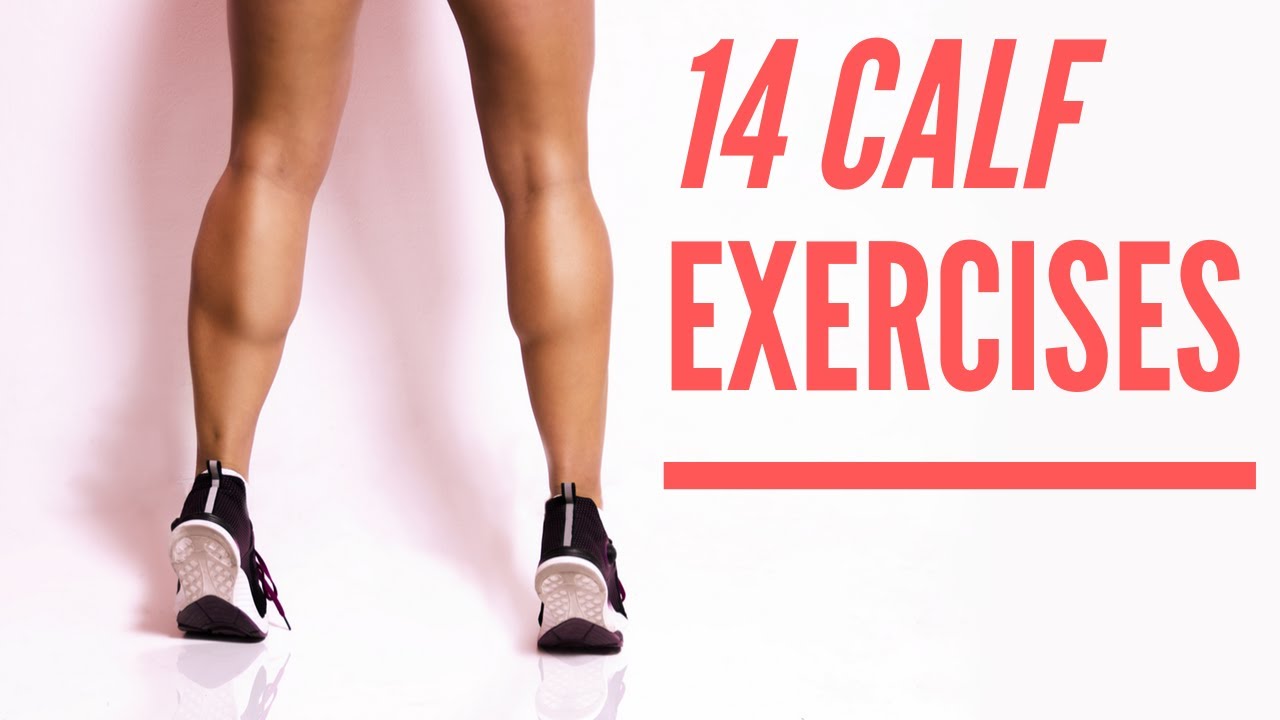
Bodyweight exercises are essential for calf development. They require no equipment, making them convenient. Simple exercises like calf raises use your body weight for resistance. Stand with feet hip-width apart. Lift your heels and hold for a moment. Lower them back down slowly. Repeat several times for muscle endurance.
Credit: www.youtube.com
Role Of Nutrition In Muscle Growth
Proper nutrition fuels muscle growth. Protein-rich foods help build calf muscles. Balanced diet supports muscle repair and strength.
To build impressive calf muscles, nutrition plays a crucial role. What you eat directly impacts how your muscles grow and recover. It’s not just about lifting weights; what fuels your body is equally important. Understanding how nutrients contribute to muscle growth can help you maximize your efforts in the gym. Let’s break down the key nutritional components that can support your calf muscle development.Protein Intake
Protein is the building block of muscles. Consuming enough protein helps repair and build muscle tissue after workouts. Aim for lean sources like chicken, fish, eggs, and plant-based options such as beans and lentils. Consider spreading your protein intake throughout the day. This helps maintain a steady supply for muscle repair and growth. If you’re wondering how much is enough, a general guideline is to consume about 1.6 to 2.2 grams of protein per kilogram of body weight daily.Carbohydrates And Fats
Carbohydrates provide the energy needed for your workouts. They fuel your muscles, allowing you to perform exercises that target your calves effectively. Include complex carbs like whole grains, fruits, and vegetables in your diet. Fats are also important, though often overlooked. Healthy fats support hormone production, which is vital for muscle growth. Incorporate sources like avocados, nuts, and olive oil into your meals.Hydration And Recovery
Staying hydrated is essential for muscle function and recovery. Water aids in transporting nutrients to your muscles and helps remove waste products. Drink plenty of water before, during, and after your workouts. Recovery is where the magic happens. Give your muscles time to repair and grow by getting enough rest. Consider including electrolyte-rich beverages if you’re sweating a lot during intense workouts. Ever tried adjusting your diet for better muscle gains? Small tweaks in your nutrition can lead to noticeable improvements. Paying attention to these nutritional aspects can make all the difference in your calf-building journey. Are you ready to fuel your growth?Rest And Recovery Strategies
Building calf muscles requires rest and recovery strategies. Stretching and massage help reduce soreness and improve flexibility. Adequate sleep and hydration support muscle repair and growth efficiently.
Building calf muscles isn’t just about lifting weights and doing intense workouts. Rest and recovery play a critical role in muscle growth and overall fitness. After all, muscles grow when they have time to repair. Let’s dive into some effective rest and recovery strategies that can help you maximize your calf muscle gains. Importance of Sleep Sleep is not just a time to recharge your brain; it’s essential for muscle recovery. During sleep, your body releases growth hormones that aid in muscle repair and growth. Aim for at least 7-9 hours of quality sleep each night to ensure your calves get the recovery they need. Think of sleep as your body’s natural recovery tool. Without enough sleep, all your hard work in the gym might not yield the results you desire. Are you getting enough rest to support your muscle-building goals? Active Recovery Days Active recovery doesn’t mean sitting idle on the couch. It involves low-intensity activities that help your muscles recover while keeping you moving. Consider activities like walking, cycling, or yoga on your rest days. These activities increase blood flow to your muscles, helping to reduce soreness and speed up recovery. Have you tried adding active recovery into your routine to see how your body responds? Stretching and Flexibility Stretching is often overlooked but is crucial for maintaining flexibility and preventing injuries. Spend a few minutes each day stretching your calves to keep them flexible and healthy. Incorporate dynamic stretches before workouts and static stretches afterward. This simple practice can enhance your performance and keep your muscles in top shape. Have you experienced the benefits of a good stretch after a tough workout? By focusing on these rest and recovery strategies, you can ensure that your calf muscles are not only strong but also healthy and resilient. Remember, rest is just as important as the workout itself. Are you ready to give your calves the care they deserve?Tracking Progress And Adjusting Workouts
Building calf muscles requires dedication and a strategic approach. Tracking progress and adjusting workouts is crucial for optimal growth. This process involves setting goals, monitoring growth, and adapting routines. Each step ensures effective muscle development.
Setting Realistic Goals
Start with clear, achievable goals for calf growth. Consider your current fitness level. Aim for gradual improvement. Avoid aiming too high; it can lead to frustration. Instead, focus on consistent progress. Set short-term goals that build up to your long-term objectives.
Monitoring Muscle Growth
Regularly assess your calf muscles. Use a measuring tape or photos for visual tracking. Document changes weekly. Celebrate small improvements; they indicate positive progress. Adjust your routine based on these observations. This keeps you motivated and focused.
Adapting Routine For Plateau
If progress stalls, it’s time to adapt your routine. Introduce new exercises or increase intensity. Change the frequency of your workouts. Experiment with different rep ranges. This prevents muscles from getting used to the same routine. Keep your body challenged for continuous growth.
Credit: sportandspinalphysio.com.au
Frequently Asked Questions
What Is The Fastest Way To Build Calf Muscles?
Perform calf raises regularly for quick muscle growth. Incorporate variations like seated and standing raises. Use weights for added resistance. Stretch and rest adequately to avoid injury. Consistency in workouts and proper nutrition enhance muscle development.
Is It Hard To Build Muscle In Calves?
Building calf muscles can be challenging due to their high endurance and frequent use. Consistent strength training and targeted exercises like calf raises help. Progress might be slow, but dedication and proper nutrition enhance results. Focus on a balanced workout routine for effective calf muscle growth.
How Long Does It Take To Build Calves?
Building calves usually takes three to six months of consistent training. Focus on exercises like calf raises and plyometrics. Include a balanced diet with adequate protein to support muscle growth. Remember, genetics also play a role in calf development, so results may vary for each individual.
Stay persistent and patient for best outcomes.
Why Are My Calves So Skinny?
Skinny calves may result from genetics, low muscle mass, or lack of targeted exercise. Increase calf size through strength training exercises like calf raises, squats, and lunges. Balanced nutrition and protein intake also support muscle growth. Consult a fitness expert for personalized guidance and effective workout routines.
Conclusion
Building calf muscles takes patience and consistency. Start with basic exercises like calf raises. Gradually increase weight or resistance as you grow stronger. Mix in variations like seated calf raises or jumping rope. Stretch regularly to prevent tightness and enhance flexibility.
Balanced nutrition supports muscle growth. Listen to your body and rest when needed. Track progress to stay motivated. Strong calves improve balance and support daily activities. Stay committed and enjoy the journey of strengthening your calves. Remember, persistence pays off in the long run.
Keep pushing forward and watch your calves transform!