Imagine walking into a room and immediately feeling the power of your presence. Your chest, strong and defined, speaks volumes before you even say a word.
Building your pectoral muscles isn’t just about aesthetics; it’s about confidence, strength, and vitality. Whether you’re a seasoned gym-goer or just starting your fitness journey, understanding how to effectively build your pecs can transform not only your body but also how you feel about yourself.
You might be wondering where to begin or what exercises will give you the best results. Don’t worry—you’re not alone in this quest for a stronger, more sculpted chest. Let’s uncover the secrets to achieving those enviable pecs, ensuring every workout counts. Dive into this guide, and discover how to unlock your true potential. Your dream physique is within reach, and it all starts with the right knowledge and dedication.
Credit: www.boxrox.com
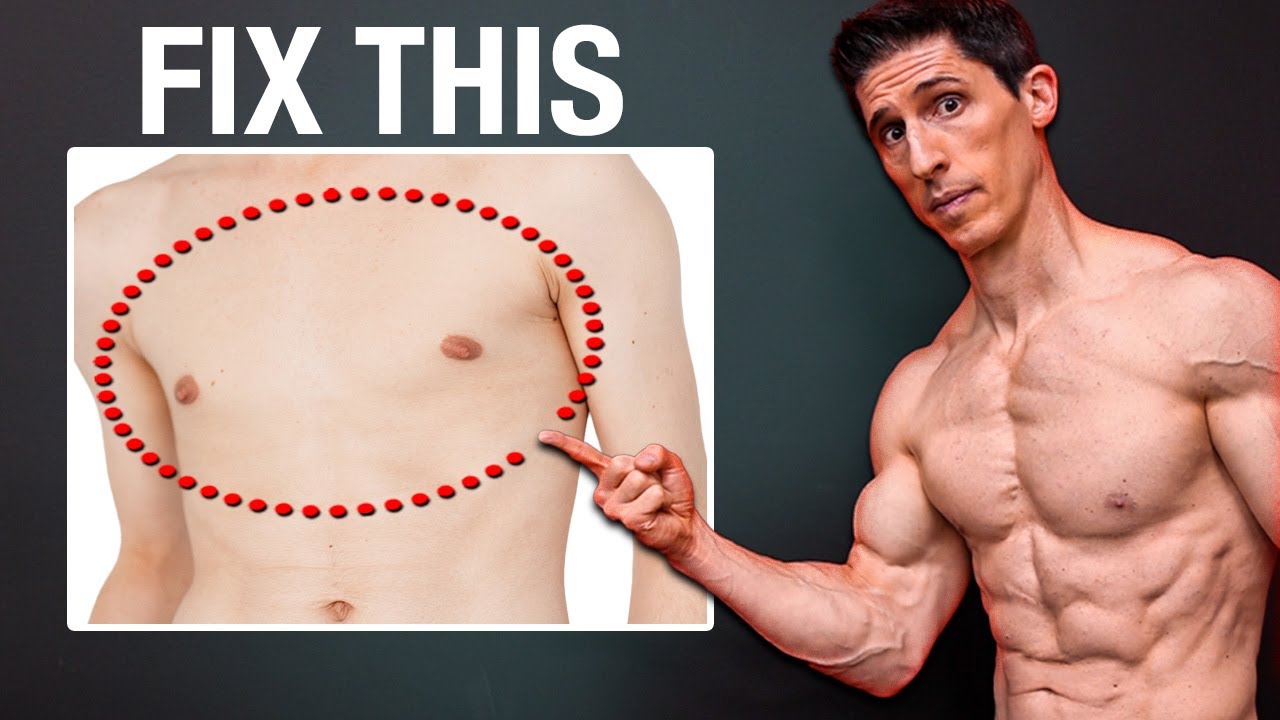
Anatomy Of Pectoral Muscles
The pectoral muscles are crucial for upper body strength and appearance. Understanding their anatomy helps in effective workout planning. Proper knowledge can lead to better muscle growth and performance.
Pectoralis Major
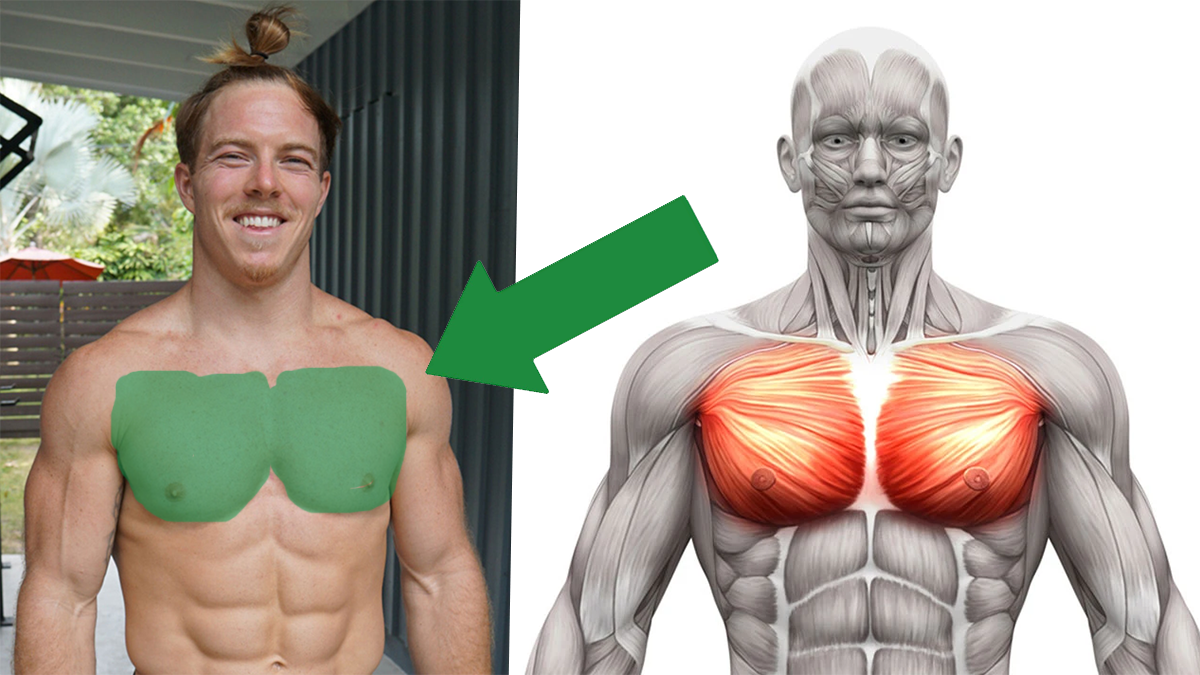
The pectoralis major is the larger chest muscle. It spans the upper chest. This muscle aids in shoulder movement. Activities like lifting or pushing involve the pectoralis major. It has two main parts: the clavicular head and the sternal head. The clavicular head originates from the collarbone. The sternal head starts from the breastbone. Together, they form a fan-like shape.
Pectoralis Minor
The pectoralis minor is a smaller muscle. It lies beneath the pectoralis major. This muscle connects the ribs to the shoulder blade. It plays a role in stabilizing shoulder movements. The pectoralis minor helps in breathing and lifting the ribs.
Function Of Pectoral Muscles
Pectoral muscles contribute to various upper body actions. They assist in arm rotation and lifting. These muscles also stabilize the shoulder joint. Pectoral strength is vital for daily activities. Activities like pushing a door or lifting a bag involve these muscles.
Importance Of Pectoral Strength
Strong pectoral muscles enhance posture. They provide better upper body definition. Pectoral strength boosts athletic performance. It supports functional movements and daily tasks. Building these muscles can prevent injuries.
Benefits Of Strong Pectorals
Building strong pectoral muscles enhances upper body strength and improves posture. It also boosts athletic performance. Engaging in targeted exercises can help develop these vital muscles efficiently.
Building strong pectoral muscles is more than just about looking good. The benefits extend to improved strength, better posture, and enhanced athletic performance. By focusing on your pecs, you can transform not only your physique but also your overall well-being.Improved Upper Body Strength
Strong pectorals contribute significantly to your upper body strength. They play a crucial role in everyday movements like pushing, lifting, and carrying. Imagine effortlessly lifting heavy grocery bags or pushing a stalled car out of the way.Enhanced Posture
Stronger pecs can help you maintain a better posture. Poor posture often results from imbalanced muscles, with the chest caving inwards. By developing your pectorals, you ensure your shoulders stay pulled back, promoting an open and upright posture.Increased Athletic Performance
Whether you’re into basketball, swimming, or martial arts, strong pectorals are a game changer. They provide the power and stability needed for quick, explosive movements. You’ll notice improvements in your ability to jump higher, swim faster, or deliver more powerful punches.Boosted Confidence
There’s something empowering about feeling strong and capable. As your pecs grow, so does your confidence. You stand a little taller, feel a bit more assured, and move with a sense of purpose.Injury Prevention
A robust chest can protect you from injuries. Balanced muscle development ensures that no single part of your body is overworked, reducing the risk of strains and tears. Consider how this can affect your daily life, from working out to playing with your kids.Better Breathing
Did you know that strong pectorals can aid in better breathing? The muscles around your chest support your lungs, helping you take deeper, fuller breaths. This can lead to improved endurance and overall health. Engaging in regular pectoral exercises can bring you these benefits and more. What changes have you noticed as you strengthen your pecs?Warm-up Routines
Warm-up routines are crucial for building pectoral muscles effectively. They prepare your muscles and joints, reducing the risk of injury. A proper warm-up enhances blood flow, increasing muscle flexibility and performance. Incorporating these routines can improve your workout efficiency and results.
Dynamic Stretching
Dynamic stretching involves movement-based stretches. Arm circles are a great choice. Swing your arms in small circles, gradually increasing the size. This activates your shoulder and chest muscles. Another effective stretch is the torso twist. Stand with feet shoulder-width apart, rotate your upper body side to side. This warms up the core and chest.
Cardiovascular Warm-up
A brief cardiovascular activity boosts your heart rate and circulation. Jumping jacks are a simple option. Perform them for 2-3 minutes to elevate your heart rate. This prepares your body for more intense workouts. Alternatively, try a brisk walk or light jog. These activities increase blood flow to the chest muscles.
Foam Rolling
Foam rolling reduces muscle tension and aids recovery. Focus on rolling the chest and shoulders. Lie on a foam roller, positioning it under your chest. Roll slowly, pausing on tight spots. This promotes blood circulation and muscle relaxation. It’s a beneficial routine before lifting weights.
Light Resistance Exercises
Light resistance exercises activate your pectoral muscles. Use resistance bands for chest press movements. Stand in a staggered stance, extend arms forward, then return. This primes your muscles for heavier lifting. Push-ups are another effective exercise. Perform a few sets with controlled movements to engage the chest.
Bodyweight Exercises
Push-ups help grow pectoral muscles by engaging chest, shoulders, and arms. Chest dips focus on pecs and triceps, enhancing upper body strength. Incorporating variations increases intensity and muscle growth effectively.
Building strong pectoral muscles doesn’t require fancy equipment or a gym membership. You can achieve impressive results using just your bodyweight. This approach is not only convenient but also versatile, allowing you to exercise anywhere, whether at home or outdoors. As you dive into bodyweight exercises, you’ll discover that the key lies in mastering techniques and variations that target your chest effectively.Push-ups Variations
Push-ups are the cornerstone of bodyweight chest exercises. They engage your entire upper body and core, providing a comprehensive workout. Start with the classic push-up. Keep your body straight, hands shoulder-width apart. Lower yourself until your chest nearly touches the ground, then push back up. Repeat this for several sets. Feeling adventurous? Try the wide-grip push-up. Spread your hands wider than shoulder-width. This targets your outer chest muscles. It’s a great way to add variety and challenge yourself. Decline push-ups are another excellent variation. Elevate your feet on a chair or bench. This shifts more weight to your chest and shoulders, intensifying the exercise. Each variation offers unique benefits. Mix them up to keep your workouts exciting and effective.Dips For Chest
Dips are an underrated gem for building chest muscles. They focus on the lower and outer portions of your pectorals. Use parallel bars or two sturdy surfaces, like chairs. Position yourself between them and support your weight with your arms. Lower your body until your elbows form a 90-degree angle, then push back up. For extra challenge, lean slightly forward while dipping. This emphasizes the chest more than the triceps. It’s a simple tweak, but you’ll feel the difference. Consistency is key with dips. Integrate them into your routine and watch your chest grow stronger and more defined. Are you ready to see significant changes in your chest muscles? Your bodyweight is all you need.Weight Training Techniques
Building pectoral muscles requires focused weight training techniques. Push-ups and bench presses target the chest effectively. Consistency and proper form enhance muscle growth while minimizing injury risk.
Building pectoral muscles requires a mix of dedication and the right weight training techniques. It’s not just about lifting weights; it’s about doing it in a way that maximizes muscle growth. Are you ready to learn how to transform your chest workouts into power-packed sessions that deliver real results? Let’s dive into some effective techniques.Bench Press Variations
The classic bench press is a staple in any chest workout. But did you know that varying your grip can target different parts of the pectoral muscles? Try a narrow grip to emphasize the inner chest and triceps. Mix it up with a wide grip to focus more on the outer chest. Keep the weights controlled and focus on the muscle tension. This approach helped me break through a plateau and see noticeable gains. Think about how each variation feels as you lift. Are your muscles engaging fully? Adjust your grips and weights to ensure you’re challenging your muscles in new ways.Incline And Decline Press
Incline presses target the upper chest. Set the bench at a 30-45 degree angle and feel the burn in a different area. This technique boosts the overall chest shape and adds variety to your routine. Decline presses, on the other hand, zero in on the lower pectoral muscles. Lower the bench angle and feel the shift in muscle engagement. It’s amazing how small changes can make a big difference. Have you considered alternating between incline and decline presses in your routine? This simple swap can prevent workout monotony and stimulate muscle growth. Remember, each variation offers a unique challenge and opportunity for growth. What works for me may be different for you—experiment and find your best fit.Cable And Machine Workouts
Strengthen your pectoral muscles with cable and machine workouts. Enjoy controlled movements and consistent resistance for effective muscle building. Focus on chest exercises like cable flys and machine presses to enhance muscle growth and definition.
Cable and machine workouts offer targeted exercises for building pectoral muscles. They allow for controlled movements, reducing the risk of injury. These workouts are ideal for isolating specific muscle areas. Using these tools can enhance muscle definition and strength. Let’s explore two effective exercises: Cable Flys and Pec Deck Machines.Cable Flys
Cable flys are excellent for chest development. They target the inner and outer pectorals. Adjust the cable height for varied muscle engagement. Stand with feet shoulder-width apart. Grip the cable handles firmly. Bring your hands together in front of your chest. Keep a slight bend in your elbows. Focus on squeezing your chest muscles. Slowly return to the starting position. Repeat for 8-12 repetitions per set. Maintain a steady pace for best results.Pec Deck Machines
Pec deck machines offer a guided range of motion. Sit with your back against the pad. Adjust the seat so your arms are parallel to the floor. Place your forearms against the pads. Push the pads together using your chest muscles. Hold briefly at the peak contraction. Slowly return to the starting position. Aim for 3 sets of 10-15 reps. This exercise helps sculpt the middle chest. It’s a great addition to any chest workout routine.Incorporating Resistance Bands
Resistance bands offer a simple way to enhance pectoral muscle workouts. They provide resistance, helping muscles grow stronger and more defined. This versatile tool is perfect for home workouts, allowing you to target chest muscles effectively.
Incorporating resistance bands into your chest workouts can provide a fresh and effective way to build pectoral muscles. Resistance bands are versatile, easy to use, and can be adjusted to suit different fitness levels. Whether you’re at home or in the gym, they offer a unique form of resistance that can enhance muscle growth.Chest Press With Bands
The chest press with resistance bands is a powerful exercise that targets your pectoral muscles. To perform this exercise, anchor the band behind you, either around a sturdy object or by using a door anchor. Grasp the handles and position your hands at chest level with elbows bent. Push your hands forward until your arms are fully extended, keeping your core engaged. Slowly return to the starting position, feeling the tension in your chest. Aim for 3 sets of 10-15 reps, adjusting the resistance by changing your distance from the anchor point or using a thicker band.Band Flys
Band flys are another excellent exercise to target your chest muscles. Start by securing the band behind you at shoulder height. Hold the handles with your arms extended out to the sides, elbows slightly bent. Bring your hands together in front of your chest, keeping the motion smooth and controlled. Return to the starting position, feeling the stretch across your chest. Perform 3 sets of 10-15 reps, and consider varying the angle of your arms to hit different parts of the pectoral muscles. Using resistance bands for these exercises can help you focus on form and control, which are crucial for muscle development. Have you ever noticed how small changes in your workout routine can lead to significant results? Resistance bands could be the change your chest routine needs.Pectoral Stretching
Stretching the pectoral muscles boosts flexibility and helps build strength. Regular stretches promote better posture and muscle growth. This routine is key to enhancing your chest workouts.
Building strong pectoral muscles isn’t just about lifting heavy weights. Stretching your pecs is equally important to maintain flexibility, prevent injuries, and improve your overall performance. When I first started focusing on my chest workouts, I neglected stretching and soon found myself dealing with tightness and discomfort. Adding pectoral stretches to your routine can make a significant difference in your progress and comfort.Proper Technique For Pectoral Stretching
Make sure you’re using the right technique. Stand with your feet shoulder-width apart. Place your hands on a wall or a doorway at shoulder height. Lean forward gently until you feel a stretch across your chest. Hold for 15-30 seconds and repeat 3-5 times. Don’t overextend. You should feel a mild stretch, not pain.Benefits Of Pectoral Stretching
Stretching your pecs can boost your flexibility. It helps you lift weights more efficiently. It prevents injuries. Your muscles will recover faster after workouts. You’ll notice a difference in your posture too. Don’t rush through stretches. Give your muscles time to relax. Avoid bouncing movements; they can cause tears. Listen to your body. If you feel pain, stop immediately and reassess your technique.Integrating Stretching Into Your Routine
Make stretching a regular part of your workout. Start with a few minutes before lifting. Finish with a longer session after your workout. It’s a small investment of time with big rewards. Stretching is often overlooked, yet it’s a key component of muscle building. Have you considered how stretching can enhance your chest workouts? Try these stretches and see how your pectoral development improves.Recovery And Rest
Building strong pectoral muscles requires a balance of recovery and rest. Muscles grow during rest periods, not workouts. Adequate sleep and nutrition are essential for muscle repair and growth.
Building pectoral muscles is not just about pushing heavy weights or doing countless push-ups. It’s equally important to allow your muscles to recover and rest. This is where true growth happens. Your body needs time to repair itself after a workout. Without proper recovery, you might find your progress slowing down or even risk injury. Let’s dive into how rest and recovery can enhance your muscle-building journey.Why Recovery Matters
Recovery is crucial because it helps repair muscle fibers. When you lift weights, tiny tears occur in your muscles. Rest allows these tears to heal stronger than before. This process is vital for muscle growth and strength gains. Think about it: have you ever felt sore days after an intense workout? That’s your muscles signaling they need time to recover. Ignoring this can lead to burnout or injury.Optimal Rest Days
Rest doesn’t mean doing nothing at all. Active recovery can be beneficial. Consider light activities like walking or stretching on your rest days. These activities increase blood flow and help your muscles recover faster. It’s essential to listen to your body. If you’re feeling overly tired or sore, it might be a sign to take an extra rest day. Your muscles will thank you for it.Sleep’s Role In Recovery
Quality sleep is a powerhouse for recovery. During deep sleep, your body releases growth hormones that aid muscle repair. Aim for 7-9 hours of sleep each night to maximize this benefit. Have you noticed how refreshed you feel after a good night’s sleep? Imagine how much better your workouts would be with consistent, quality sleep.Nutrition And Recovery
What you eat influences recovery. Focus on protein-rich foods to help repair muscles. Consider incorporating healthy fats and carbs to fuel your body for the next workout. Ever tried a protein shake post-workout? It’s a quick way to provide your muscles with the nutrients they need for recovery. Plus, it’s convenient.Mindfulness And Recovery
Mental recovery is as important as physical recovery. Stress can hinder muscle growth. Engage in activities like meditation or yoga to reduce stress levels. These practices can improve your overall recovery process. Think back to a time when you felt mentally drained. Did it impact your physical performance? Keeping your mind relaxed and focused can improve your recovery and workouts. Incorporate these recovery strategies into your routine. You might find yourself achieving your muscle-building goals faster and with fewer setbacks. How do you plan to prioritize recovery in your fitness journey?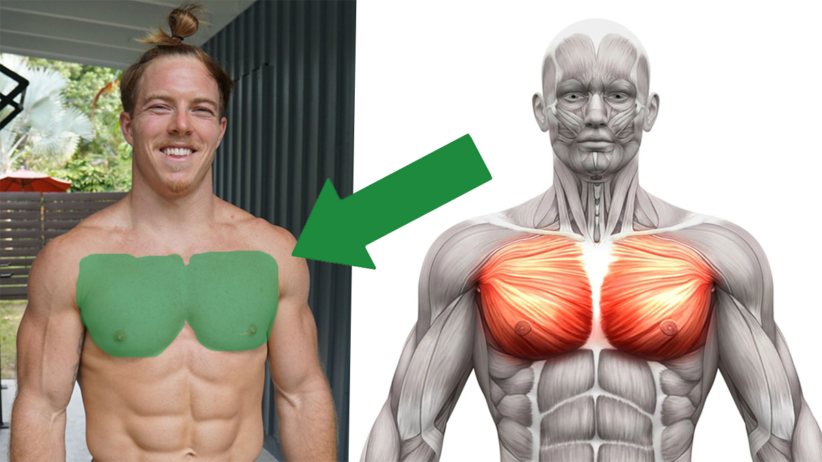
Credit: www.boxrox.com
Nutrition For Muscle Growth
Building pectoral muscles requires dedication, not just in the gym but also in the kitchen. Nutrition plays a crucial role in muscle growth. It provides the fuel and building blocks necessary for developing strong pectoral muscles. Without proper nutrition, your efforts in the gym might not yield the desired results.
Protein: The Building Block
Protein is essential for muscle growth. It repairs and builds muscle tissue. Include protein-rich foods like chicken, fish, and eggs in your diet. Plant-based proteins like beans and lentils are also great options. Aim for a balanced intake to support your workout efforts.
Carbohydrates: Fuel For Workouts
Carbohydrates provide the energy needed for intense workouts. They prevent fatigue and improve performance. Include whole grains, fruits, and vegetables in your meals. These sources offer sustained energy, helping you push through tough exercises.
Fats: For Hormonal Balance
Healthy fats are important for hormonal balance. They support muscle growth and overall health. Choose sources like nuts, seeds, and avocados. These fats help maintain energy levels and support muscle recovery.
Hydration: Essential For Recovery
Stay hydrated to aid muscle recovery. Water helps transport nutrients and remove waste. Drink plenty of fluids throughout the day. Dehydration can hinder your progress and increase the risk of injury.
Vitamins And Minerals: Supporting Functions
Vitamins and minerals are crucial for various bodily functions. They support energy production and muscle repair. Include a variety of fruits and vegetables in your diet. They provide essential nutrients needed for optimal muscle growth.
Common Mistakes To Avoid
Building pectoral muscles requires attention to form and balance. Many overtrain chest exercises, neglecting back muscles, leading to imbalance. Skipping warm-ups can cause injury, while inconsistent workouts delay progress. Proper nutrition supports muscle growth, yet it’s often overlooked. Keep a varied routine to avoid plateauing in strength and size.
Building pectoral muscles can transform your physique and boost your confidence. However, many enthusiasts make common mistakes that hinder progress. Avoiding these pitfalls can lead to faster gains and more efficient workouts. Let’s explore some of these mistakes and how you can steer clear of them.1. Not Using Proper Form
Proper form is crucial for maximizing muscle growth and preventing injuries. When your form is off, you engage the wrong muscles and risk hurting yourself. Focus on controlled movements and ensure your chest is doing the work, not your shoulders or arms. Have you ever seen someone swinging weights wildly at the gym? That’s a classic form mistake to avoid.2. Overtraining
More isn’t always better. Overtraining can lead to fatigue and even muscle loss. Your muscles need time to recover to grow. It’s tempting to hit the bench press every day, but rest days are just as important. Think about it: when was the last time you gave your pecs a break?3. Ignoring The Mind-muscle Connection
The mind-muscle connection is the awareness and focus on the muscle you are working. Without it, exercises can become ineffective. You might be moving the weight, but are you actually feeling your pecs contract? Next time, concentrate on the sensation in your chest. Feel the stretch and contraction with each rep.4. Skipping Warm-ups
Skipping warm-ups might save time, but it increases the risk of injury. A good warm-up prepares your muscles and joints for the workout ahead. Consider light cardio followed by dynamic stretches targeting the chest. Ever notice how your performance dips without a proper warm-up?5. Sticking To The Same Routine
Your muscles adapt to routines over time, leading to plateaus. Mixing up your exercises challenges your muscles and stimulates growth. Are you guilty of doing the same bench press routine every week? Try incorporating variations like incline presses or dumbbell flyes.6. Neglecting Nutrition
Training hard is only part of the equation. Your muscles need proper nutrition to repair and grow. Protein is essential, but don’t forget about carbs and fats. Have you ever wondered why your progress stalled despite consistent workouts? It might be time to reassess your diet. Avoiding these common mistakes can significantly improve your pectoral muscle development. By focusing on form, rest, and variety, you’ll be on your way to a stronger, more defined chest. Remember, the journey to building a great physique is as much about learning what not to do as it is about doing the right things.
Credit: www.menshealth.com
Tracking Progress
Building pectoral muscles requires dedication and consistent effort. Tracking progress is crucial for achieving the desired results. Monitoring your journey helps you stay motivated and identify areas for improvement. It provides a clear picture of your achievements and areas that need more attention. This section focuses on effective methods to track your progress while building pectoral muscles.
Setting Clear Goals
Begin by setting specific, measurable goals for your pectoral muscle growth. Define what you want to achieve. Whether it’s increasing muscle size or improving strength, clarity in goals is key. Make sure your objectives are realistic and achievable.
Recording Workouts
Keep a workout log to track exercises, sets, and repetitions. Note the weights used in each session. This record helps identify patterns and track improvements. Regular updates ensure you stay on the right path.
Taking Photos
Capture progress with photos at regular intervals. Visual records show physical changes over time. They provide motivation and evidence of growth. Compare pictures to see noticeable transformations in your physique.
Monitoring Measurements
Measure your chest circumference periodically. Use a tape measure to track changes. Record measurements in your log. Consistent tracking helps you understand growth patterns.
Using Fitness Apps
Utilize fitness apps to track workouts and progress. Many apps offer features to log exercises and monitor physical changes. Choose an app that suits your needs and preferences.
Evaluating Strength Gains
Assess strength improvements by noting changes in your lifting capacity. Track how much weight you can lift over time. Increased strength indicates muscle growth and enhanced performance.
Frequently Asked Questions
What Is The Fastest Way To Build Pectoral Muscles?
To quickly build pectoral muscles, focus on compound exercises like bench presses and push-ups. Incorporate progressive overload techniques. Maintain proper form to avoid injuries. Consume a protein-rich diet to support muscle growth. Ensure adequate rest for recovery and muscle development.
Are Pecs Hard To Build?
Building pecs requires consistent effort and proper technique. Focus on progressive strength training and balanced nutrition. Include exercises like bench press, push-ups, and chest flys. Rest and recovery are crucial for muscle growth. Stay motivated and patient; results will come with dedication.
What Muscles Build Pecs?
The pectoral muscles, or pecs, consist of the pectoralis major and pectoralis minor. These muscles are located in the chest area. Bench presses, push-ups, and chest fly exercises effectively build and strengthen these muscles. Regular training can enhance muscle size and definition.
How Quickly Can I Build Pecs?
Building pecs can take 8 to 12 weeks with consistent strength training. Focus on exercises like bench press and push-ups. Combine with a high-protein diet to support muscle growth. Rest and recovery are crucial for effective results. Maintain dedication and track progress regularly.
Conclusion
Building pectoral muscles takes time and consistent effort. Start with basic exercises. Push-ups, bench presses, and flyes work well. Mix your routine to target different areas. Focus on form to prevent injuries. Gradually increase weight for better results. Rest is crucial for muscle growth.
Nutrition supports your workouts. Eat protein-rich foods for muscle repair. Stay hydrated throughout the day. Track your progress regularly. Celebrate small victories to stay motivated. Patience pays off in muscle building. Keep pushing forward, and you’ll see the change. Fitness is a journey, not a destination.
Enjoy each step.