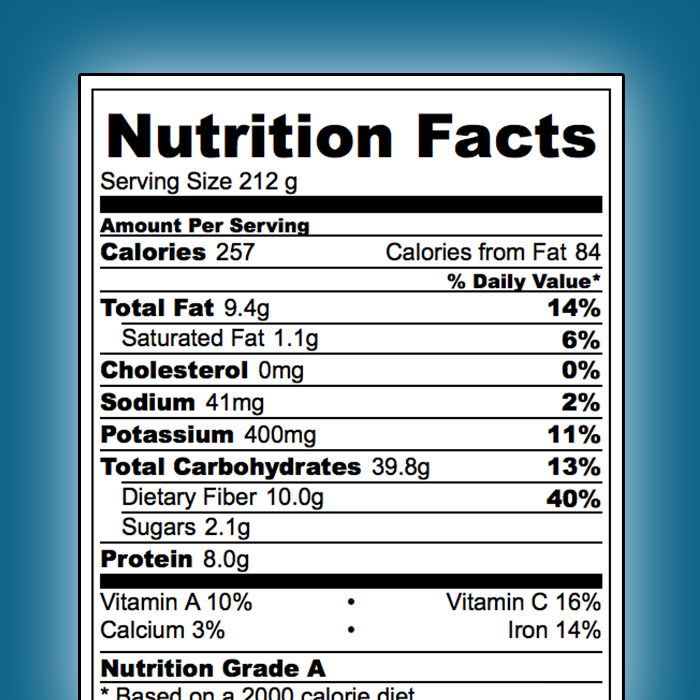
Ever wondered what’s really in your homemade meals? Understanding the nutrition facts of your favorite recipes can be a game changer for your health.
Imagine being able to tweak ingredients to make your dishes healthier without sacrificing flavor. By learning how to calculate nutrition facts for homemade food, you can take control of your diet, make informed choices, and feel empowered about what you eat.
Whether you’re cooking for yourself or your family, knowing exactly what’s on your plate is crucial. Stay with us as we delve into simple steps that will help you decode your meals and turn your kitchen into a hub of nutritional knowledge. Your culinary creations deserve to be as healthy as they are delicious.
Importance Of Knowing Nutrition Facts
Understanding the nutrition facts of homemade food is crucial for anyone who cares about their health. Knowing what goes into your meals helps you make informed choices about what you eat. It’s not just about counting calories; it’s about understanding the balance of nutrients your body needs.
Imagine trying a new recipe and wondering if it’s healthy enough for your family. By calculating the nutrition facts, you can ensure that your meals align with your dietary goals. Whether you’re aiming to boost your protein intake or reduce sugar, knowing the specifics can guide you in the right direction.
Why Nutrition Facts Matter
Your health is directly impacted by what you eat. Nutrition facts provide a snapshot of the vitamins, minerals, and other elements in your food. This information is key to managing diet-related health issues like diabetes or high blood pressure.
Nutrition facts can also help you identify potential allergens or intolerances. If you or someone you cook for has a gluten sensitivity, knowing the ingredients and their nutritional content can prevent unwanted reactions.
Personal Experience
Last year, I decided to take control of my diet by cooking more at home. I started calculating the nutrition facts of each meal. It was eye-opening. I discovered that my favorite pasta dish was loaded with hidden fats.
This realization led me to tweak the recipe, replacing heavy cream with Greek yogurt. Not only did it make the dish healthier, but it actually tasted better! Calculating nutrition facts helped me make smarter choices without compromising flavor.
Practical Tips For Calculating Nutrition Facts
- Start with the recipe. List all ingredients and their quantities.
- Use online tools or apps that provide detailed nutrition information for various foods.
- Adjust serving sizes to fit your dietary needs. This helps in getting an accurate nutritional snapshot.
Remember, the goal is not to obsess over every gram but to gain a better understanding of your meals. Does this approach align with your health goals?
Actionable Insights
Make it a habit to check nutrition facts when trying new recipes. This practice empowers you to cook healthier meals consistently. Don’t shy away from adjusting ingredients to suit your dietary preferences.
Involve your family in the process. Discussing nutrition facts can be a fun way to educate kids about healthy eating. How might this change your meal planning routine?
Ultimately, knowledge is power. By understanding the nutrition facts of homemade food, you’re taking a proactive step towards better health. Are you ready to make your kitchen a hub of nutritional knowledge?
Tools And Resources Needed
Kitchen scales, measuring cups, and spoons are essential for accurate portion sizes. Online nutrition calculators help analyze ingredients. Nutrition labels from similar packaged foods provide additional guidance.
Calculating nutrition facts for homemade food might sound daunting, but with the right tools and resources, it becomes an achievable task. Whether you’re curious about the calorie count in your grandma’s secret lasagna or monitoring carbs in your meal prep, having reliable tools at your disposal is key. Let’s dive into some practical solutions that make this process less intimidating and more rewarding.Nutrition Labels
Start by familiarizing yourself with nutrition labels on the ingredients you use. They provide valuable information about calories, fats, proteins, and carbohydrates. When cooking at home, keep these labels handy. Jot down the nutritional information of each ingredient to calculate the totals. This practice can be eye-opening. You might be surprised to learn just how much sugar is hidden in that seemingly healthy granola.Online Calculators
Online nutrition calculators are a lifesaver for those of us who need a little help with math. Websites like MyFitnessPal and Cronometer offer free tools to input your ingredients and get detailed nutrition facts. These calculators often let you save your recipes. This means next time you make your favorite dish, you’ll already have the nutrition facts figured out. Using online calculators can also help you compare different recipe versions. You can see how substituting avocado for butter affects the fat content of your cookies.Mobile Apps
Mobile apps are perfect for those who prefer a more portable solution. Apps like Lose It! and Yazio provide easy access to nutrition data right from your phone. These apps often include barcode scanners. This feature allows you to quickly add store-bought items to your recipe calculation. Apps also offer community features where you can share recipes and nutrition tips. You might find a fellow home chef who’s already cracked the code on that elusive low-calorie cheesecake. By utilizing these tools, you equip yourself with the knowledge to make informed decisions about your homemade meals. Have you ever wondered how small changes in your cooking habits could impact your health? Start calculating those nutrition facts and see for yourself!Gathering Ingredient Information
Cooking homemade meals brings joy and satisfaction. Knowing what’s in your food is important. Calculating nutrition facts starts with gathering ingredient information. This step involves measuring ingredients and understanding serving sizes. Understanding these basics helps determine accurate nutritional values.
Measuring Ingredients
Accurate measurements are crucial for calculating nutrition facts. Use kitchen scales for precise weight. Measuring cups and spoons work well for volume. Consistency is key. Always measure the same way. Use the same tools each time. This ensures reliable nutrition data.
Understanding Serving Sizes
Identifying serving sizes is essential. It allows for accurate nutrition calculations. Start by determining the total quantity of your recipe. Divide into logical portions. Serving size impacts calorie count. It also affects nutrient data. Compare with standard serving sizes. This helps maintain uniformity.
Using Online Calculators
Creating homemade meals is rewarding and healthy. But knowing their nutritional content can be tricky. Online calculators make this task easier. They provide quick nutrition estimates for your recipes. Many online tools are user-friendly. They help you understand the nutritional value of your food. Learn how to use these calculators effectively. Follow a step-by-step guide and avoid common mistakes.
Step-by-step Guide
Begin by gathering your recipe ingredients. List each one with its quantity. Open your chosen online nutrition calculator. Enter each ingredient into the tool. Ensure the quantities match your recipe. Check the tool’s database for accuracy. Some calculators may suggest similar ingredients. Choose the correct option for precise results.
Next, input the number of servings. This helps the calculator provide per-serving nutrition facts. Review the calculated nutrition details. Look at calories, protein, fat, carbohydrates, and other nutrients. Adjust the ingredient quantities if needed. Small changes can impact nutrition results. Save or print the final nutrition facts for future reference.
Common Mistakes To Avoid
Some people forget to measure ingredients accurately. This can lead to incorrect nutrition facts. Always double-check your measurements. Another mistake is selecting the wrong ingredient from the database. Ensure you choose the exact match for your recipe.
Overlooking serving sizes is common too. Input the correct number of servings for accuracy. Ignoring small ingredients can also skew results. Include spices and condiments as they contribute nutrients. Finally, don’t forget to update the calculator with recipe changes. Even small modifications can alter the nutrition profile.
Utilizing Mobile Apps
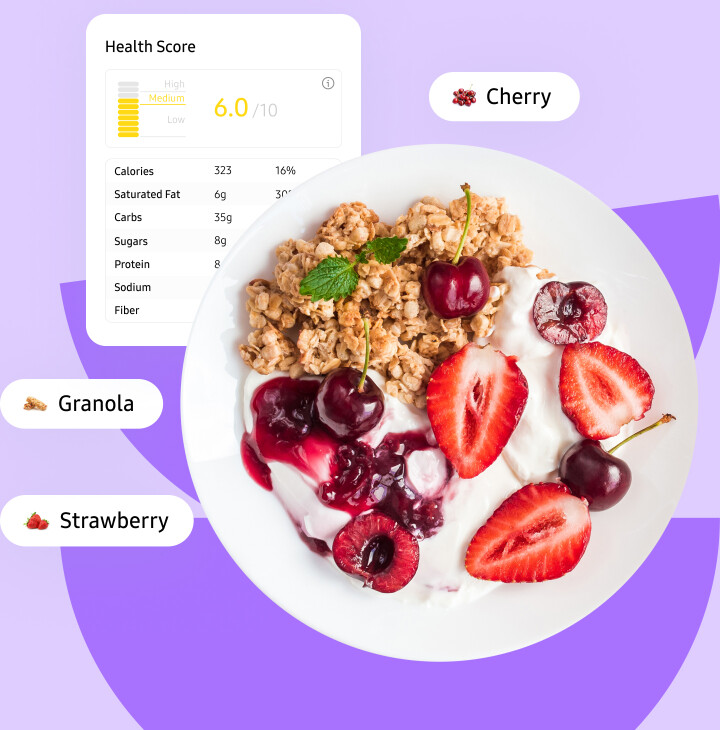
Technology makes calculating nutrition facts for homemade food easier. Mobile apps help you find accurate nutritional data quickly. They simplify tracking calories, fats, proteins, and more. These tools cater to both beginners and experienced cooks. Explore app options to enhance your cooking and health journey.
Top App Recommendations
Several apps stand out for their precision and ease of use. MyFitnessPal is popular for its vast food database. It includes homemade recipes, making tracking straightforward. Lose It! offers features to log meals with nutritional breakdowns. Cronometer provides detailed micronutrient tracking, ensuring you meet dietary needs. These apps support your health goals.
Features To Look For
Seek apps with a user-friendly interface. It should allow easy recipe input and modifications. Check for a comprehensive food database. It ensures accurate nutritional information for various ingredients. Look for apps that offer barcode scanning. This speeds up the data entry process. Reliable apps provide nutritional insights, aiding informed decisions.
Consider apps with integration capabilities. They sync with fitness trackers for holistic health monitoring. Meal planning tools are beneficial too. They help organize and balance daily nutrition intake effectively.
Credit: samsungfood.com
Manual Calculation Methods
Calculating nutrition facts for homemade food involves a few simple steps. Start by listing ingredients with their nutritional values. Summing up those values provides an estimate of the total nutrition in your dish. Adjust servings to find accurate per-serving nutrition details.
When cooking at home, knowing your dish’s nutrition is vital. Manual methods help you calculate nutrition facts with precision. This approach suits those who prefer doing it themselves. Two crucial steps are basic math and converting measurements.Basic Math For Nutrition
Start by listing each ingredient in your recipe. Check its nutritional values on the package or online. Write down calories, proteins, fats, and carbs for each. Add these values together for the whole dish. Divide by serving size to find nutrition per portion. This simple math helps understand the dish’s nutritional profile.Converting Measurements
Recipes often use different measurement units. Convert all ingredients to the same units for accuracy. Use online converters or kitchen scales for this task. Grams, ounces, and cups are common units. For example, convert cups to grams for precise calculations. This ensures consistent and accurate nutrition information.Adjusting For Cooking And Preparation
Cooking at home often means healthier meals. But how do you calculate nutrition facts accurately? Ingredients change during cooking. This can affect the nutritional value. Adjusting for cooking and preparation is important. It ensures you know what’s in your food.
Accounting For Cooking Loss
Many ingredients lose weight during cooking. This loss can be due to water evaporation or fat rendering. For example, a raw chicken breast may weigh 200 grams. After cooking, it might weigh only 150 grams. Calculate nutrition based on the cooked weight. This provides a more accurate count of calories and nutrients.
Impact Of Cooking Methods
Different cooking methods affect nutrition differently. Boiling vegetables might leach out vitamins into the water. Grilling meats can reduce fat content. Frying adds extra oil, increasing calories. Consider the method used when calculating nutrition. It helps you understand changes in the food’s nutritional profile.

Credit: www.wikihow.com
Interpreting Nutrition Data
Calculating nutrition facts for homemade food involves weighing ingredients and using online tools. This helps in understanding calories, fats, and nutrients. Knowing these details can guide healthier cooking choices.
Interpreting nutrition data can feel like deciphering a secret code. You’re eager to know what exactly is in your homemade meals, but the numbers and percentages can be daunting. Yet, understanding these figures is crucial for making informed dietary choices. Once you grasp the basics, you’ll find it empowering to know exactly what you’re feeding yourself and your loved ones.Understanding Macronutrients
Macronutrients are the building blocks of your diet, consisting of carbohydrates, proteins, and fats. Each plays a unique role in your body’s functioning. Carbs provide energy. Think about the last time you felt sluggish, and how a quick snack helped recharge you. Proteins are essential for muscle repair and growth. Imagine the satisfaction of knowing your homemade stew is helping your body recover after a workout. Fats, often misunderstood, are crucial for hormone production and nutrient absorption. Next time you savor a creamy homemade soup, remember that fat aids in absorbing those vitamins. Understanding these components can guide you in balancing your meals for optimal health.Reading Micronutrient Values
Micronutrients, though needed in smaller amounts, are vital for your health. They include vitamins and minerals like Vitamin C, iron, and calcium. Consider how Vitamin C boosts your immune system, especially during those cold months. When you whip up a batch of citrus-infused salad, you’re not just satisfying your taste buds—you’re supporting your body’s defenses. Iron is crucial for energy. If you’ve ever felt fatigued without reason, a lack of iron could be the culprit. Incorporating iron-rich foods like spinach into your homemade meals can make a difference. Calcium, as you know, strengthens bones. Remember your grandmother urging you to drink milk? She knew the value of calcium even before nutrition labels spelled it out. Interpreting these micronutrient values lets you see how your homemade food contributes to your health. How do you ensure your meals are nutritionally balanced? Have you considered keeping a food diary or using a nutrition tracking app? These tools can provide insights into your dietary patterns, helping you make informed choices.Tracking And Recording
Tracking nutrition facts for homemade food may seem daunting. Yet, it is crucial for maintaining a healthy diet. By recording what you eat, you gain insights into your nutritional intake. This helps in making informed food choices. Let’s explore effective methods for tracking and recording your homemade meals.
Keeping A Food Journal
A food journal is a simple tool for tracking meals. Write down everything you eat. Include ingredients and portion sizes. This practice helps in understanding eating habits. It reveals patterns and guides healthier choices. You can use a notebook or a digital app. Choose what suits your lifestyle best. Consistency is key in maintaining a food journal.
Using Spreadsheets
Spreadsheets offer a structured way to record nutrition facts. Create columns for ingredients, portions, and nutritional values. Enter data after each meal preparation. This method provides an organized overview of your diet. You can use formulas for calculations. It saves time and ensures accuracy. Spreadsheets can be customized to fit your needs. They are excellent for tracking detailed nutritional data.
Tips For Consistency And Accuracy
Calculating nutrition facts for homemade food involves weighing ingredients and using nutrition databases for accuracy. Consistency is key; measure portions precisely to ensure reliable results. Adjust recipes gradually to maintain balance and taste.
Calculating nutrition facts for homemade meals can be a daunting task, but with the right tips, you can achieve consistency and accuracy. Whether you’re whipping up a family recipe or experimenting with new ingredients, knowing the nutritional content is crucial for maintaining a healthy lifestyle. Here are some practical tips to help you ensure your homemade meals are as informative as they are delicious.Regular Updates
Staying up-to-date with your ingredient list is essential. Every time you tweak a recipe or substitute an ingredient, update your nutrition calculations. This ensures that your data reflects the actual meal you’re consuming. Consider using a digital spreadsheet or app where you can easily edit values. Consistency in updating your records helps you avoid errors and surprises. Imagine serving your favorite lasagna only to realize the calorie count is off because you forgot to swap out full-fat cheese for a lighter version! Regular updates keep your nutrition facts reliable and trustworthy.Double-checking Values
Accuracy is king when calculating nutrition facts. Double-checking your values can save you from miscalculations. Use reputable sources like USDA databases or nutritional apps to verify the data. You might be surprised at how often discrepancies occur between different sources. In my own kitchen adventures, I found that my homemade chili had fewer calories than I initially calculated. A simple double-check revealed that I had overestimated the calorie content of beans. Double-checking can be the key to ensuring your homemade meals are both nourishing and accurately documented. Ask yourself: Are you confident in the nutritional values you’re sharing with family or friends? By double-checking, you reinforce the integrity of your meals. It’s a small step that makes a big difference in promoting healthy eating habits. Taking the time to update and verify your nutritional data will enhance your cooking experience. You can ensure the meals you prepare align with your health goals. Embrace these tips, and you’ll transform your homemade dishes into trusted sources of nutrition information.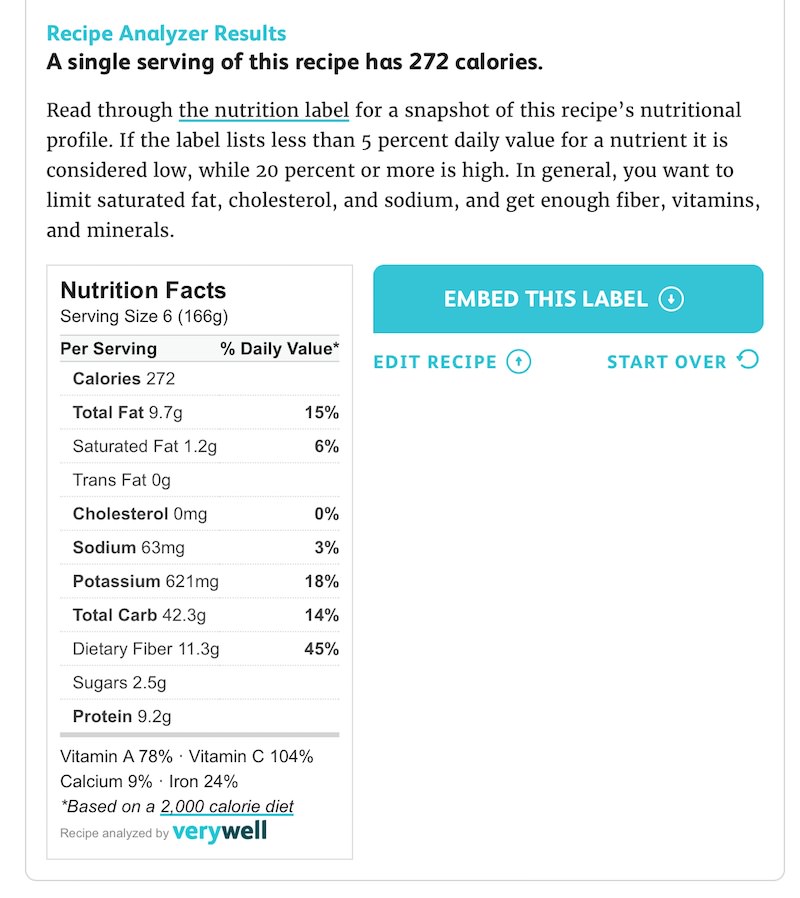
Credit: oneingredientchef.com
Frequently Asked Questions
What Is The 4 4 9 Method?
The 4 4 9 method is a deep breathing technique. Inhale for four seconds, hold for four seconds, and exhale for nine seconds. It’s used to reduce stress and improve relaxation. Regular practice can enhance mental clarity and well-being.
How To Calculate Serving Size In Homemade Food?
To calculate serving size in homemade food, weigh the entire dish. Divide the total weight by your desired number of servings. This gives the weight of one serving. Use measuring cups or spoons to portion out individual servings based on this calculation.
How To Calculate Nutritive Value Of Food?
To calculate the nutritive value of food, analyze its macronutrients and micronutrients. Use food labels and nutrition databases for accurate data. Multiply the nutrient values by serving size. Consider calories, proteins, fats, carbohydrates, vitamins, and minerals. Use software tools for precise calculations and track dietary intake for health management.
How To Calculate Carbohydrates In Homemade Food?
Calculate carbohydrates by weighing ingredients, using nutritional labels, and entering data into a food calculator app. Consider portion sizes. Adjust based on recipe modifications. This method ensures accuracy in homemade food carb counting.
Conclusion
Calculating nutrition facts for homemade food is simple and beneficial. It helps you understand what you eat. Start by measuring ingredients accurately. Use online tools or apps for guidance. They offer quick calculations. Knowing nutrition facts can improve your health.
You can adjust recipes to fit your diet. Make informed choices about meals. This practice can lead to better eating habits. Try calculating nutrition facts for your next homemade dish. It’s easy and rewarding. Enjoy the food you love with more knowledge.
Healthy eating starts at home. Embrace this journey. Cooking and nutrition go hand in hand.