Do you ever wonder what’s really in your favorite homemade dish? Understanding the nutritional content of your recipes can transform the way you eat.
It can empower you to make healthier choices, tailor meals to your dietary needs, and even impress friends with your knowledge. By learning how to calculate recipe nutrition, you gain control over what you consume. Imagine knowing precisely how many calories, carbs, proteins, and fats are in each bite.
This skill isn’t just for dieticians; it’s for anyone who wants to take charge of their health. With simple steps and easy tools, you can unlock a new level of culinary awareness. Dive into this article to discover how you can start making informed decisions and enjoy your meals with confidence!
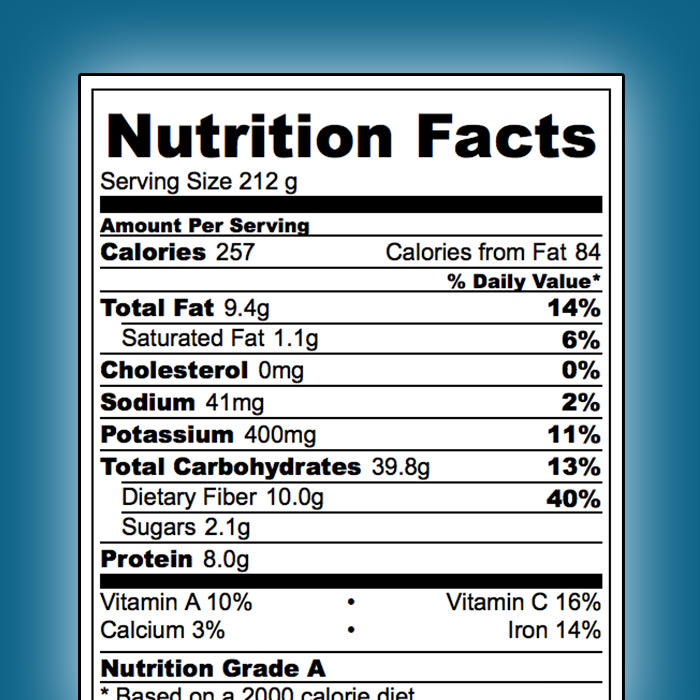
Credit: oneingredientchef.com
Importance Of Recipe Nutrition
Calculating recipe nutrition helps understand the health value of meals. It involves measuring ingredients and using nutrition databases. This practice assists in creating balanced diets and tracking nutritional intake.
Understanding the nutritional value of your recipes is essential for maintaining a healthy diet. It’s not just about counting calories; it’s about knowing what you are putting into your body. Recipe nutrition helps you balance your meals and make informed choices. It’s empowering to know how each ingredient contributes to your overall health.Why Knowing Recipe Nutrition Matters
Knowing the nutrition of your recipes helps you manage your health goals effectively. Whether you’re trying to lose weight, build muscle, or just eat healthier, understanding nutrition is key. Imagine preparing a dish and realizing it provides all the necessary vitamins for the day. That’s the power of recipe nutrition.Impact On Dietary Restrictions
If you have dietary restrictions, knowing the nutrition of your recipes is crucial. It allows you to avoid allergens or ingredients that might affect your health. A friend of mine discovered she was gluten intolerant, and calculating recipe nutrition helped her avoid discomfort. It became a tool for better health management.Enhancing Meal Planning
Calculating recipe nutrition enhances meal planning by giving you a clear picture of what you’re eating. It helps you ensure variety and balance in your diet. You might realize your meals lack protein, leading you to add more beans or lean meats. This approach keeps your diet well-rounded and satisfying.How Recipe Nutrition Supports Fitness Goals
If you’re pursuing fitness goals, recipe nutrition is your ally. It helps you align your meals with your workout regimen. You could be eating too much fat or not enough carbs. Understanding your recipe’s nutritional breakdown guides you to adjust your intake for better performance and recovery.Encouraging Mindful Eating
Mindful eating starts with knowing what’s in your food. When you calculate recipe nutrition, you become aware of the impact of each ingredient. This awareness encourages healthier choices and reduces mindless snacking. You start appreciating food as nourishment, not just something to fill your stomach.Simple Steps For Calculating Recipe Nutrition
Start by listing all the ingredients and their nutritional values. Use online calculators or apps for accuracy. Check serving sizes to ensure you’re calculating correctly. You might find it surprising how a small tweak can change the nutritional profile of a dish. It’s a skill that becomes easier with practice.Have you ever thought about how much sugar is actually in that homemade cake? Knowing your recipe’s nutrition can be a game-changer. Why not try calculating the nutritional value of your next meal? It might surprise you and inspire healthier choices.
Credit: oneingredientchef.com
Gathering Ingredients Information
Calculating recipe nutrition starts with gathering accurate ingredient information. Check each item’s nutrition label for details. Sum up calories, fats, proteins, and other nutrients to understand the recipe’s nutritional value. This helps in managing dietary needs effectively.
Gathering ingredients information is the foundational step in calculating recipe nutrition. It can be as simple as checking a label or as complex as cross-referencing databases. Whether you’re cooking for health reasons or simply curious about what you’re eating, knowing the nutritional content of your ingredients is crucial. Have you ever wondered why your homemade dish tastes different from a store-bought one? Sometimes, the answer lies in the ingredients and their nutritional profiles.Using Nutrition Labels
Start your journey in the grocery store. Nutrition labels are your best friend. They provide essential information, including calories, fats, proteins, and carbohydrates. Make it a habit to read them carefully. Pay attention to serving sizes and the number of servings per package. It’s easy to overlook these details and miscalculate your intake. If you’re cooking with multiple packaged items, use a simple table to track each ingredient’s nutritional content. This helps you sum everything accurately. You can create a table like this: | Ingredient | Calories | Fat (g) | Carbs (g) | Protein (g) | |————|———-|———|———–|————-| | Flour | 455 | 1.2 | 95 | 13 | | Sugar | 774 | 0 | 200 | 0 |Online Databases And Apps
Don’t have a label? No problem. Online databases and apps are available to fill in the gaps. Websites like USDA Food Database and apps like MyFitnessPal offer extensive ingredient lists. Simply search for your ingredient to get detailed nutritional information. These platforms are especially handy for fresh produce or bulk items without labels. Apps often allow you to save your favorite recipes and calculate the total nutrition automatically. They can become your digital recipe book, ready to guide you anytime. Have you ever used an app to track your meals? It can be a game-changer in understanding your diet. Using technology, you can ensure that nothing slips through the cracks when calculating recipe nutrition. By gathering accurate ingredient information, you’re one step closer to knowing exactly what you’re consuming. What’s your go-to method for finding nutritional info?Measuring Ingredient Quantities
Measuring ingredient quantities accurately is essential for calculating recipe nutrition. Understanding precise measurements ensures the nutritional information reflects the actual dish. It also helps maintain consistency in taste and texture. This section will guide you through the process.
Accurate Measurements
Use a kitchen scale for precise measurements. Weigh ingredients in grams or ounces. For liquids, use measuring cups or spoons. Ensure they’re level to avoid excess. Digital scales offer more precision than analog ones. They’re also easy to use.
Calibrate your scale before use. Follow the manufacturer’s instructions. This ensures accuracy in measurements. Double-check measurements for critical ingredients. This includes fats, sugars, and spices. These affect the recipe’s flavor and nutrition.
Converting Measurements
Convert measurements between metric and imperial systems. Use online converters for ease. Remember, 1 cup is approximately 240 milliliters. One ounce equals about 28 grams. Familiarize yourself with common conversions. This saves time and ensures accuracy.
When converting, consider ingredient density. Flour, for instance, can vary. It depends on how it’s packed. Use conversion charts for reference. This helps maintain consistency in recipes. Always re-check conversions before finalizing.
Calculating Individual Nutrients
Understanding recipe nutrition involves calculating individual nutrients in each ingredient. Start by listing ingredients and their nutritional values. Add up the nutrients for a total. This helps in knowing what you eat.
Calculating individual nutrients in a recipe is essential for health-conscious cooks. Understanding the nutritional content helps in maintaining a balanced diet. It ensures you know what you are consuming. This guide will help you break down each nutrient, making meal planning easier. It focuses on calories, macronutrients, and micronutrients. All these elements play a vital role in a healthy diet.Calories
Calories measure the energy in food. Knowing the calorie count helps control portion sizes. To calculate calories, you need the calorie count of each ingredient. Sum up the calories of all ingredients in the recipe. Divide by the number of servings for per serving calorie count. Keeping track of calories aids weight management.Macronutrients
Macronutrients include proteins, fats, and carbohydrates. They are the building blocks of your diet. Proteins aid in muscle growth and repair. Fats provide energy and support cell growth. Carbohydrates are your body’s main energy source. Calculate each by checking the nutrition label of ingredients. Tally the total for each macronutrient. Divide by servings for per serving values. Balanced macronutrients ensure a well-rounded diet.Micronutrients
Micronutrients consist of vitamins and minerals. They support overall health and prevent deficiencies. Calculating micronutrients requires detailed ingredient information. Use food databases to find vitamin and mineral content. Add up the totals for each micronutrient. Assess these against daily recommended values. This ensures you meet nutritional needs. Monitoring micronutrients enhances your diet’s quality.Adjusting For Cooking Methods
Adjusting for cooking methods is crucial when calculating recipe nutrition. Different cooking techniques can change calorie and nutrient content. Frying might increase fats, while steaming preserves vitamins better. Understanding these changes helps accurately assess nutritional value.
Calculating recipe nutrition can feel like a puzzle, especially when cooking methods come into play. Different techniques can alter the nutritional value of your dish, and understanding these changes is crucial. It’s not just about the ingredients; how you cook them can significantly impact their health benefits. You might wonder, how does frying affect vitamin content compared to steaming? Let’s dive into how cooking methods adjust the nutritional profile of your recipes.Heat Effects On Nutrients
When you cook, heat can change the nutritional composition of your ingredients. Vitamins like C and B can degrade under high temperatures. Think about the last time you boiled vegetables; did you notice how the vibrant color faded? This is often a sign that some nutrients have been lost. But don’t worry, it’s not all bad news. Cooking can also enhance the bioavailability of certain nutrients. For instance, cooking tomatoes increases the absorption of lycopene, an antioxidant. So, while heat may cause some losses, it can also enhance other aspects of your meal.Retention And Loss During Cooking
Every cooking method has its pros and cons when it comes to nutrient retention. Boiling might be quick, but it can leach nutrients into the water. If you discard the water, you lose those nutrients. Instead, consider steaming, which helps retain more vitamins. Grilling and roasting can add flavor but may reduce water-soluble nutrients. Have you tried using a pressure cooker? It’s a fantastic way to preserve nutrients while saving time. These insights can help you decide which cooking method aligns best with your nutritional goals. As you experiment with different methods, keep track of changes in taste and texture. Maybe you find steaming broccoli keeps its crunch and bright green color. Or perhaps roasting carrots enhances their natural sweetness. How will you adjust your cooking techniques to maximize nutrition and flavor?
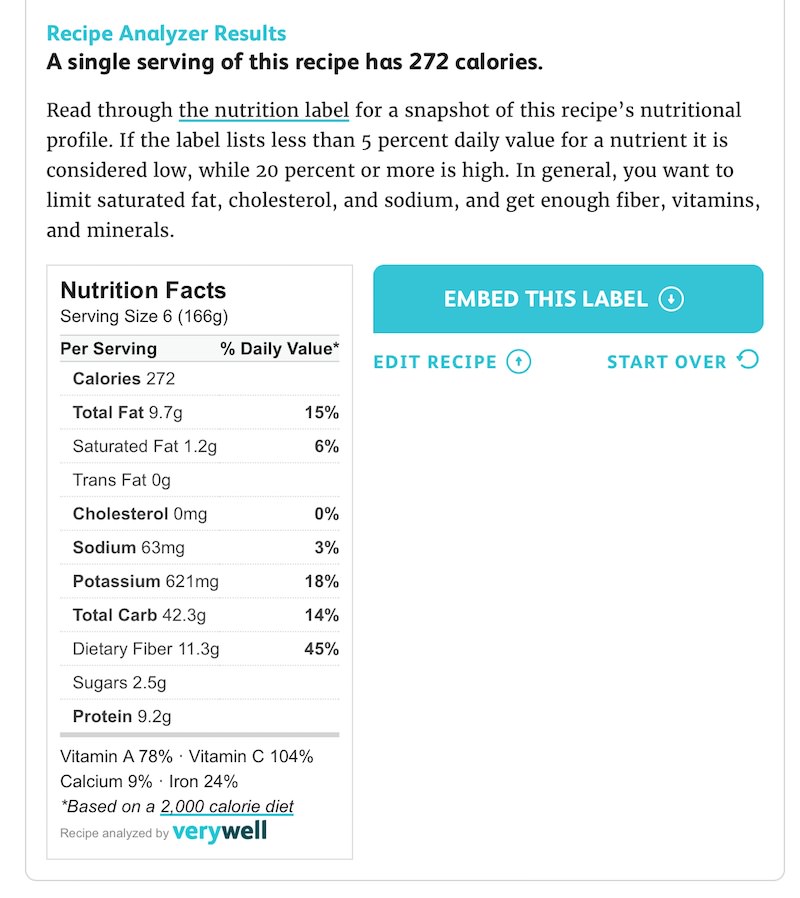
Credit: recipecard.io
Summing Up Total Nutrition
Discover the simple steps to calculate recipe nutrition accurately. Break down each ingredient’s nutritional values. Sum them up for a clear view of your meal’s health impact.
Understanding the nutritional content of your favorite recipes can transform your eating habits and enhance your cooking skills. Summing up total nutrition is the final step in ensuring you know exactly what goes into your meals and how it affects your health. This not only helps in maintaining a balanced diet but also allows you to tailor recipes to meet your specific dietary needs. How do you approach this? Let’s break it down into manageable steps.Combining Individual Data
Start by listing each ingredient in your recipe. Use a nutritional database or app to find the nutritional value for each item. For example, if your recipe includes chicken, rice, and broccoli, you’ll need to look up the calories, protein, carbohydrates, and fats for each. Once you have the data, jot it down in a table. This makes it easier to visualize and adds up the numbers. Here’s a simple table to get you started: `html| Ingredient | Calories | Protein (g) | Carbs (g) | Fats (g) |
|---|---|---|---|---|
| Chicken | 200 | 30 | 0 | 5 |
| Rice | 150 | 3 | 30 | 1 |
| Broccoli | 50 | 4 | 10 | 0.5 |
Considering Serving Sizes
Now that you’ve summed up the total nutrition, think about serving sizes. Divide the total nutritional content by the number of servings your recipe makes. This gives you the nutritional value per serving, which is crucial for portion control. Let’s say your recipe makes four servings. Divide each total by four to find out what each person will consume. This helps you track your intake and ensures you’re eating healthy portions. Ask yourself, how does this information influence your meal choices? Knowing exactly what you’re eating empowers you to make informed dietary decisions. Calculating recipe nutrition might feel like extra work, but it’s a small investment for your health. Have you tried calculating recipe nutrition before? Share your experiences and tips with others!Tools For Simplifying Calculations
Discover tools that help calculate recipe nutrition with ease. These tools break down ingredients into calories, fats, and vitamins. Simplifying nutrition information helps in creating balanced meals effortlessly.
Calculating the nutrition of a recipe can feel daunting, but with the right tools, it becomes a breeze. Whether you’re a home cook aiming for healthier meals or a food blogger wanting to provide your readers with detailed nutritional information, various tools can make this task simpler. Let’s dive into some popular tools that can help you with these calculations efficiently.Nutrition Calculators
Nutrition calculators are handy online tools that can save you time and effort. They allow you to input the ingredients of your recipe and instantly receive nutritional data. Many of these calculators offer detailed breakdowns of calories, macronutrients, and even vitamins and minerals. One popular choice is MyFitnessPal. It not only tracks your daily food intake but also helps with creating recipes and analyzing their nutrition. Another option is Verywell Fit’s Recipe Nutrition Calculator. It’s straightforward and provides comprehensive information at a glance. Have you ever found yourself wondering if that extra spoon of sugar drastically changes your meal’s nutritional value? These calculators give you immediate answers. They’re particularly useful for tweaking recipes to meet specific dietary needs, like reducing fat or increasing protein.Recipe Software
For those who frequently create or modify recipes, recipe software can be a game-changer. These programs often come with built-in nutrition databases and allow you to save and organize your recipes. They simplify the process by automatically calculating the nutrition as you add or change ingredients. Paprika Recipe Manager is an excellent choice. It helps you organize recipes, make meal plans, and shop with ease. Its nutrition analysis feature is a bonus for those wanting to keep an eye on their dietary intake. Another fantastic option is Yummly. It offers personalized recipe recommendations and includes nutritional info for each recipe. If you’re a culinary enthusiast who loves experimenting in the kitchen, recipe software provides the structure you need without stifling creativity. Ever tried creating a new dish and wished you could instantly know its nutritional content? Recipe software turns that wish into reality. It’s a powerful tool for anyone serious about understanding what goes into their meals. With these tools at your disposal, calculating recipe nutrition becomes less of a chore and more of an enlightening experience. What tool will you choose to simplify your culinary creations? The possibilities are as diverse as the recipes you can dream up.Tips For Accurate Nutrition Calculation
Calculate recipe nutrition with ease by using online tools or apps. Measure each ingredient precisely to ensure accuracy. Adjust serving sizes to match your needs.
Calculating the nutrition of your recipes can seem daunting, but with some practical tips, you can ensure accuracy and maintain a healthy diet. Whether you’re a seasoned chef or a home cook, understanding the nutritional content of your meals is crucial for health and wellness. Let’s explore some actionable tips to make your nutrition calculations precise and reliable.Regular Updates
Nutrition data changes over time. For instance, new studies might show different nutritional values for common foods. Regularly updating your nutrition database ensures you’re using current information. Keep an eye on food trends or new research. What if your favorite ingredient suddenly has higher fiber content? Regular updates keep your recipes aligned with the latest nutritional insights.Verifying Sources
Not all nutrition sources are created equal. Some websites might display outdated or incorrect data. Trustworthy sources like government databases or recognized health organizations should be your go-to. Before trusting a new nutrition website, ask yourself: Is this source reliable? Checking the credibility of your sources ensures you’re not misled by inaccurate information. Practical Tips for You – Use a Digital Scale: Weigh your ingredients accurately. You might be surprised how much a “pinch” can vary. – Analyze Recipes: Use online tools to input your ingredients and get nutrition facts instantly. – Label Reading: Learn to read nutrition labels effectively. Look beyond calories to understand micronutrients. – Consult Experts: If unsure, consulting a nutritionist can provide clarity and precision. So, what’s stopping you from taking control of your nutrition calculations? Dive in, stay informed, and enjoy the peace of mind that comes with knowing exactly what you’re eating.Frequently Asked Questions
How To Calculate Nutritional Value Of Homemade Food?
Use a nutritional calculator app to input ingredients and quantities. Sum up individual nutritional values for the total. Adjust serving sizes to get per-serving values. Check labels for precise data. Keep a record for future reference. This approach ensures accurate nutritional analysis of homemade dishes.
How To Calculate Servings In A Recipe?
Count the total quantity of each ingredient. Divide by the number of servings desired. Adjust proportions as needed. Ensure each serving is balanced and consistent. Use a standard serving size for accuracy.
How To Calculate The Amount Of Ingredients In A Recipe?
To calculate ingredients, multiply the recipe quantities by the number of servings needed. Use online calculators for precision. Adjust measurements proportionally to maintain flavor balance. Ensure conversion between units is accurate. Keep track of ingredient ratios for consistent results.
How To Calculate Nutrition Ratio?
To calculate nutrition ratio, divide the amount of each macronutrient by the total calories. Express each as a percentage. Ensure protein, carbohydrates, and fats are balanced according to your dietary goals. Use nutrition labels or online calculators for accuracy.
Conclusion
Calculating recipe nutrition brings many benefits to your kitchen. It helps you eat healthier. You know what goes into your meals. You can adjust ingredients easily. This ensures balanced diets. Understanding nutrition builds confidence in cooking. It makes meal planning simple.
You can cater to dietary needs. Tracking calories and nutrients becomes easy. It’s a useful skill for everyone. Begin today. Improve your eating habits. Discover the joy of informed cooking. Enjoy meals with better choices. This knowledge empowers your lifestyle.
Embrace the journey toward better health. Keep exploring, learning, and cooking. Your kitchen awaits new adventures.