Are you thinking about developing a fitness app? With the surge in health consciousness and digital solutions, creating a fitness app is a smart move.
Imagine being the mastermind behind an app that not only helps users achieve their fitness goals but also stands out in a crowded marketplace. You might be wondering where to start and how to ensure your app is both effective and engaging.
This article will guide you through the steps of creating a fitness app that’s not just another download, but a must-have tool for anyone serious about their health. Get ready to dive into the essentials and discover how to turn your vision into reality. You’ll learn the secrets to capturing users’ attention and keeping them coming back for more. Keep reading to uncover the strategies that could make your app the next big thing in fitness.
Market Research
Building a fitness app starts with solid market research. It’s your foundation. Understand your audience, competitors, and unique features. Effective market research guides your app development. It helps you meet user needs and stand out. Let’s explore the key steps.
Identify Target Audience
First, identify your target audience. Who will use your app? Think about age, interests, and fitness levels. Consider their goals and challenges. Use surveys and interviews. Gather insights about their preferences. This helps tailor your app to their needs.
Analyze Competitors
Next, analyze competitors in the fitness app market. What features do they offer? How do they engage users? Study their strengths and weaknesses. Read user reviews and feedback. This will help you find gaps in the market. Learn from their successes and mistakes.
Determine Unique Selling Points
Finally, determine your app’s unique selling points (USPs). What makes your app different? Identify features that set you apart. Focus on user experience and innovation. Highlight these USPs in your marketing strategy. Make sure they align with user needs and desires.
Conceptualization
Crafting a fitness app begins with clear conceptualization. Define target users and essential features like workout tracking and nutrition guides. Focus on user-friendly design to ensure seamless navigation and engagement.
Creating a fitness app begins with a crucial step: Conceptualization. This stage shapes your app’s foundation, guiding development decisions. Whether you’re a fitness enthusiast or a tech entrepreneur, understanding the conceptualization process is key. Let’s break it down into actionable steps that will set your app on the right track.Define App Purpose
Start by clearly defining your app’s purpose. Is it to track workouts, provide nutrition advice, or offer virtual personal training? Knowing the primary goal helps streamline development and ensures every feature adds value. Ask yourself, what problem is your app solving for users? A fitness app must address specific needs to stand out in a competitive market.Outline Core Features
Once the purpose is clear, list the core features. Think about what will make your app essential for users. Will it include a workout timer, exercise library, or community forums? Prioritize features that align with your app’s purpose. Start with a basic set and expand as user feedback rolls in. Striking a balance between functionality and simplicity is crucial.Create User Personas
Develop user personas to understand your target audience better. Imagine the typical user of your app. Are they beginners, fitness enthusiasts, or professional athletes? This helps tailor features and marketing strategies. Consider their age, goals, and challenges they face in their fitness journey. By empathizing with users, you can create an app that truly resonates with their needs. Conceptualizing a fitness app requires thoughtful planning and attention to detail. Have you ever downloaded an app that seemed perfect but missed a feature you needed? That’s why defining clear purposes and outlining core features are essential. Engaging with user personas ensures your app isn’t just another download, but a valuable part of their fitness routine.Design And Prototyping
Crafting a fitness app involves designing an intuitive interface and prototyping user-friendly features. Focus on simple navigation to enhance user experience. Testing designs ensures the app meets fitness needs effectively.
Design and prototyping play a crucial role in creating a fitness app. This stage sets the foundation for how users will interact with your app. A well-designed interface can attract users and keep them engaged. During this phase, focus on creating a user-friendly experience. This ensures that users can navigate the app with ease.User Interface Design
Your app’s user interface (UI) is the first thing users see. It should be clean and intuitive. Use consistent colors and fonts to create a cohesive look. Buttons and icons should be easy to understand. Ensure that your design aligns with the latest trends in fitness apps. This makes your app look modern and appealing.User Experience Considerations
User experience (UX) is about how users feel when using your app. It should be smooth and satisfying. Consider the needs of your target audience. Make sure your app is easy to use for beginners. Remove unnecessary steps that may confuse users. Gather feedback from potential users to improve the UX.Develop Wireframes And Mockups
Wireframes are basic layouts of your app’s screens. They help visualize the structure of the app. Start with sketches on paper or use digital tools. Create mockups to add more details to your design. Mockups include colors, fonts, and images. They represent the final look of your app. Use these tools to test and refine your design. This ensures that your app meets users’ needs.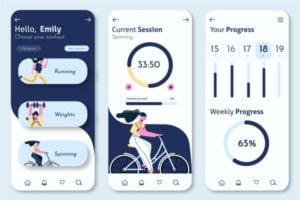
Credit: topflightapps.com
Technical Development
Technical development is crucial in creating a fitness app. It shapes the app’s functionality and user experience. Developers need to focus on selecting the right technologies, building strong backend systems, designing appealing frontends, and integrating useful APIs. Each step requires careful planning and execution.
Select Technology Stack
Choosing a technology stack is the first step. It influences the app’s performance and scalability. Popular choices include React Native for cross-platform apps. Swift is preferred for iOS apps. Kotlin works well for Android. The backend might use Node.js or Django. This decision sets the foundation for future development.
Backend Development
Backend development involves building the server side of the app. It manages data, user authentication, and app logic. Developers often use databases like MySQL or MongoDB. They ensure data is stored securely and accessed efficiently. The backend must be robust and reliable.
Frontend Development
Frontend development focuses on the app’s user interface. It should be intuitive and attractive. Developers often use frameworks like React or Angular. These tools help create dynamic and responsive designs. A well-designed frontend improves user engagement and satisfaction.
Integration Of Apis
APIs enhance app functionality by connecting with external services. Fitness apps may integrate health tracking APIs. These APIs provide data like step counts and heart rates. Developers ensure seamless API integration for smooth app operation. It’s essential for a comprehensive user experience.
Testing And Quality Assurance
Ensuring a fitness app runs smoothly requires robust testing and quality assurance. Identifying bugs early enhances user experience. Regular updates and feedback ensure the app meets user expectations.
Creating a fitness app is an exciting venture that demands meticulous attention to detail, especially when it comes to testing and quality assurance. Ensuring your app runs smoothly and meets users’ expectations is paramount. Testing isn’t just a step in the development process; it’s a journey to perfect your app. Consider it a safeguard against potential issues that could hinder user experience. This section will guide you through different testing stages, each crucial for delivering a robust and user-friendly app.Functional Testing
Functional testing is where you check if your app’s features work as intended. Imagine downloading a fitness app and realizing the workout tracker doesn’t track. Frustrating, right? You need to verify each function, from workout logging to calorie counting. Test various scenarios and inputs to ensure every feature performs accurately. Think of functional testing as the backbone of your app’s reliability.Usability Testing
Usability testing is about ensuring your app is easy to use and navigate. You don’t want users spending more time figuring out how to log their workout than actually doing it. Gather a group of testers who represent your target audience. Observe their interaction with the app. Are they getting stuck? Are they confused? Use their feedback to enhance the user experience. Your app should feel intuitive, like a seamless extension of their fitness routine.Security Testing
Security testing is crucial for safeguarding user data. Fitness apps often handle sensitive information, like personal health metrics. You need to ensure this data is protected against unauthorized access. Conduct tests to identify vulnerabilities in data storage and transmission. What if someone could easily hack into your app and access user data? It’s an unsettling thought. Make security a priority to build trust with your users.Beta Testing
Beta testing lets you see your app in action in the real world before the official launch. Select a diverse group of users who can test the app in their daily routines. They’ll provide valuable insights into functionality, usability, and any unexpected bugs. Imagine the satisfaction of fixing a small glitch that could have annoyed thousands of users. Use this feedback to polish your app further. Ask yourself: how can you make your app even better before it hits the market? In testing and quality assurance, every detail counts. As you navigate through these stages, remember that your goal is to deliver a fitness app that users can rely on and enjoy. Engage with testers, embrace feedback, and continuously improve. The effort you invest in testing reflects your commitment to excellence.Launch Strategy
Crafting a fitness app launch strategy involves detailed planning. Focus on identifying target users and analyzing competitors. Design engaging features and prioritize user-friendly interface. Implement effective marketing tactics for visibility and growth.
Creating a fitness app is a thrilling venture, but launching it effectively is crucial to its success. Your launch strategy can significantly impact your app’s visibility, user engagement, and long-term success. Let’s dive into the essential components of a successful launch strategy that can help you achieve your goals.App Store Optimization
App Store Optimization (ASO) is your first step to ensure your app stands out in the crowded app marketplace. Focus on crafting a compelling app title and description that highlight the unique benefits of your fitness app. Use relevant keywords that potential users might search for, but avoid keyword stuffing. High-quality visuals like screenshots and videos can showcase your app’s functionality. These visuals should tell a story about how your app improves fitness routines. Remember, first impressions matter, and your app’s visuals are often the first thing users see. Ratings and reviews can boost your app’s credibility. Encourage early users to leave positive reviews and address any negative feedback promptly. This not only improves your app’s reputation but also gives you valuable insights into areas for improvement.Marketing And Promotion
Marketing your fitness app requires a strategic approach to reach your target audience. Identify where your potential users spend their time online—social media, fitness forums, or wellness blogs—and focus your promotional efforts there. Engaging with influencers or fitness enthusiasts can amplify your reach. Consider using a mix of paid and organic marketing strategies. Paid ads on platforms like Facebook or Instagram can provide immediate visibility. Complement these with organic strategies like content marketing or email newsletters to create a sustained interest in your app. Don’t underestimate the power of a launch event. Hosting a virtual or in-person event can create buzz and attract media attention. Share valuable content and offer exclusive incentives to attendees to encourage downloads and shares.Gathering User Feedback
Collecting user feedback post-launch is vital for your app’s growth and improvement. Create easy channels for users to share their thoughts, such as in-app surveys or feedback forms. Their input can guide your updates and enhancements. Listening to your users can reveal unexpected insights. Maybe there’s a feature they love or a bug you didn’t catch during testing. Use this feedback to prioritize your development efforts and keep users satisfied. Engage with your users by responding to their feedback. Let them know you’re listening and actively working to improve their experience. This builds a community around your app and encourages loyalty among your users. Have you considered how these strategies will shape your fitness app’s success? Launching is just the beginning, and with the right approach, your app can thrive in the competitive fitness market.Post-launch Maintenance
Ensuring a fitness app runs smoothly after launch is crucial. Regular updates and bug fixes improve user experience. Monitoring user feedback helps identify areas for enhancement and maintain app performance.
Creating a fitness app is not just about the initial development and launch. The real work begins post-launch, where maintaining the app’s relevance and functionality is crucial. Post-launch maintenance involves ensuring that your app remains valuable to your users by keeping it up-to-date, providing support, and continuously enhancing its features. Let’s break down these components to help you succeed in this critical phase.Regular Updates
Regular updates are essential to keep your app fresh and relevant. They help you fix bugs, improve performance, and integrate the latest technologies. Think of your app as a living entity that evolves with user needs and industry trends. A friend of mine launched a fitness app but neglected updates, and users quickly lost interest. Regular updates could have prevented this by showing users that the app was actively managed and cared for. Are you ready to commit to a schedule that ensures your app stays ahead of the curve?User Support
User support is the backbone of user satisfaction. Users will have questions or run into issues, and how you handle these situations can make or break your app’s reputation. Providing timely and helpful support builds trust and encourages user loyalty. Consider implementing a comprehensive FAQ section and offering multiple support channels like email, chat, or even a user community forum. When users feel heard and supported, they are more likely to stick around and even spread the word about your app.Feature Enhancements
Feature enhancements keep your app exciting and engaging. Listen to user feedback and observe trends in the fitness industry to identify new features that could add value. Adding features isn’t just about piling on extras—it’s about meaningful improvements that enhance the user experience. A fitness app I personally use introduced a feature that allows users to connect with workout buddies. This not only increased user engagement but also fostered a community feel. How can you surprise your users with features they didn’t even know they wanted? In post-launch maintenance, your fitness app’s journey truly begins. By focusing on regular updates, user support, and feature enhancements, you ensure your app continues to meet user expectations and thrive in a competitive market. Are you prepared to invest in your app’s long-term success?
Credit: ddi-dev.com
Monetization Options
Creating a successful fitness app is not just about helping users meet their health goals. It’s also about ensuring the app is sustainable and profitable. Monetization options are crucial for this. Whether you’re building your first app or looking to enhance an existing one, understanding these strategies can make a difference. Let’s dive into some practical ways to generate income from your fitness app.
Subscription Models
Subscription models are a common choice for fitness apps. They provide a steady revenue stream and keep users engaged over time. You might offer a basic version for free to entice new users, then charge for premium features like personalized workout plans or advanced analytics. Consider monthly or annual subscriptions to give your users flexibility. Have you ever subscribed to a service because of its exclusive content? That’s the appeal you need to harness.
In-app Purchases
In-app purchases can be a goldmine if done right. They allow users to buy additional features or content, enhancing their app experience. Think about selling virtual personal training sessions, custom meal plans, or merchandise. Users appreciate the freedom to tailor their app experience to their needs. It’s about offering value they can’t resist. What unique offerings can you add to captivate your audience?
Advertising Revenue
Advertising is another viable option, but it requires a delicate balance. Ads can bring in significant revenue without charging users directly. However, too many ads can deter users. Consider integrating ads in a way that’s unobtrusive and relevant. Partner with brands that align with your app’s ethos. Users are more accepting of ads when they relate to their interests. Have you ever noticed ads that felt like they were meant for you? That’s the feeling you want to create.
Choosing the right monetization strategy can set your app on a path to success. It’s about finding what works for you and your users. What combination will you choose to turn your fitness app into a thriving business?
Legal And Compliance
Creating a fitness app requires careful attention to legal and compliance aspects. Ensure data protection laws are followed and user privacy is safeguarded. Incorporate necessary licenses for health-related content to avoid legal issues.
Creating a fitness app involves more than just coding and design. Legal and compliance are crucial parts of the process. They ensure your app operates within the law and protects user interests. Neglecting these aspects can lead to serious legal issues. Let’s dive into the key areas you need to focus on.Data Privacy Regulations
Understanding data privacy regulations is essential. These laws govern how user data is collected and used. Familiarize yourself with GDPR and CCPA. Both set strict guidelines for data handling. They require transparency and consent from users. Ensure your app complies with these rules. This builds trust and prevents legal troubles.Terms And Conditions
Terms and conditions outline user rights and app responsibilities. Drafting clear terms helps avoid misunderstandings. They should cover app usage, data handling, and user conduct. Make them easy to read and accessible. Regularly update them to reflect changes in law or app features. This keeps users informed and legally protected.User Data Protection
Protecting user data is a top priority. Implement strong security measures to safeguard information. Encryption and secure servers are vital. Regular audits can identify vulnerabilities. Address them promptly to maintain user trust. Inform users about data protection practices. This reassures them their data is safe with your app.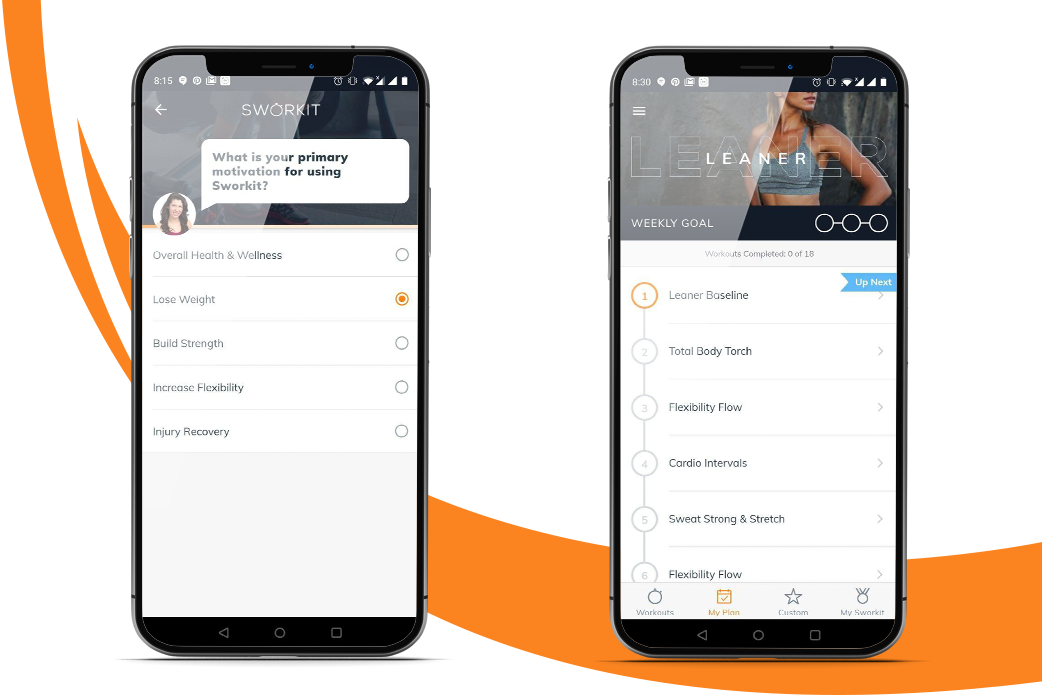
Credit: codeit.us
Frequently Asked Questions
Can I Make My Own Fitness App?
Yes, you can create your own fitness app. Use app development platforms or hire professional developers. Plan features like workouts, tracking, and community engagement. Ensure user-friendly design, secure data handling, and regular updates. Proper marketing can help reach your target audience effectively.
How Much Does It Cost To Build A Fitness App?
Building a fitness app can cost between $30,000 and $300,000. The price varies based on features, complexity, and developer rates. Basic apps are cheaper, while advanced apps with custom features cost more. Hiring experienced developers can increase costs. Always budget for updates and maintenance.
Are Fitness Apps Profitable?
Yes, fitness apps can be profitable. They generate revenue through subscriptions, ads, and premium features. Popular apps attract large user bases, increasing profitability. Successful marketing and user engagement are crucial for financial success. The growing health trend supports this market’s profitability.
How Do I Create My Own Fitness Program?
Identify your fitness goals and assess current fitness level. Choose exercises targeting those goals. Schedule workouts, balancing cardio, strength, and rest days. Progress gradually, increasing intensity as you improve. Track progress to stay motivated.
Conclusion
Creating a fitness app requires careful planning. Start with defining your goals. Understand your users’ needs. Design an intuitive interface. Choose a reliable tech stack. Test thoroughly to ensure smooth functionality. Keep updating the app based on feedback. Focus on security to protect user data.
Offer personalized features to boost user engagement. Promote your app through various channels. These steps will help you build a successful fitness app. Stay committed to improving your app. Your dedication will lead to a product that users love. Aim for a user-friendly experience.
Your app can inspire healthier lives.