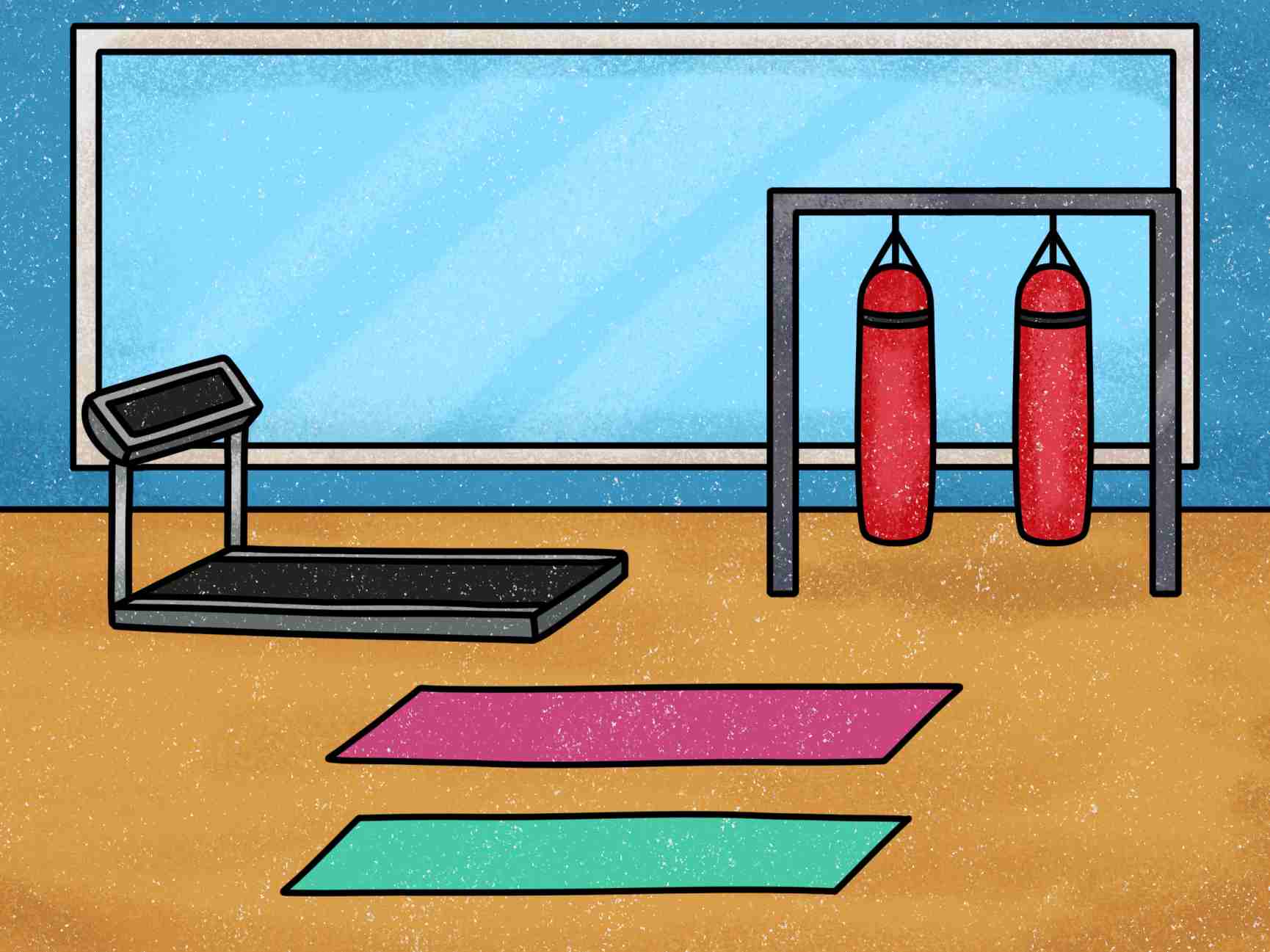
Are you ready to transform a blank page into a vibrant gym scene? Drawing a gym might sound daunting at first, but with the right steps, you can create a masterpiece that captures the energy and atmosphere of this bustling environment.
Whether you’re an aspiring artist or someone looking to explore a new hobby, this guide will walk you through each stage of creating your gym drawing. Imagine the satisfaction of seeing your own gym come to life, each piece of equipment meticulously sketched and every corner filled with the lively spirit of fitness.
By the end of this article, you’ll not only have a finished artwork but also the skills to draw more complex scenes. Let’s get started on this creative workout and unlock your artistic potential!

Credit: www.istockphoto.com
Choosing The Right Materials
Creating a gym illustration begins with selecting the right materials. The choice of paper and drawing tools impacts the final artwork. With the right materials, your drawing can have depth and detail.
Consider the texture and weight of your paper. This affects how your tools interact with the surface. Different papers can enhance or hinder your drawing techniques. Similarly, the tools you use determine the precision and style of your gym illustration.
Choosing the right materials can make your drawing process enjoyable. It ensures that your creative vision is accurately represented.
Types Of Paper
The type of paper plays a key role in your drawing. Sketch paper is lightweight and suitable for quick sketches. It’s not ideal for detailed work but is great for practice. Bristol board offers a smooth surface, perfect for detailed illustrations. It holds pencil marks well, making it ideal for gym drawings. Watercolor paper can add texture and depth. Its rough surface is suitable for mixed media. Choose your paper based on the style you want.
Essential Drawing Tools
Pencils are fundamental in drawing. Graphite pencils vary in hardness, affecting the line quality. Soft pencils create darker lines, while hard pencils produce lighter ones. Charcoal pencils provide rich, dark lines. Perfect for bold gym features. Erasers help refine your work. Kneaded erasers mold to any shape, ideal for precision. Mechanical pencils offer consistent lines. They are great for detailed gym equipment.
Fine liners add sharpness to your drawing. They outline and define structures. Colored pencils bring vibrancy. Use them to highlight different gym areas. Blending tools smooth transitions between shades. They enhance the realism of your gym drawing.
Basic Gym Layout
Creating a gym layout can be an exciting process. A well-planned gym offers a productive workout environment. It balances function and aesthetics. This section explores the basic gym layout.
Identifying Key Gym Areas
Start by identifying key gym areas. These areas include cardio, weights, and stretching zones. Each area serves a distinct purpose. Cardio zones host treadmills and bikes. Weights zones contain dumbbells and benches. Stretching zones provide space for mats and bands. Clearly define these zones to optimize gym flow.
Sketching Floor Plans
Sketching floor plans helps visualize the gym space. Begin with a rough outline of the room. Include entrances and exits. Position equipment in designated zones. Ensure pathways allow easy movement. Leave space for future expansions. Use graph paper for precise measurements. This ensures your plan is accurate and functional.
Drawing Gym Equipment
Drawing gym equipment can be an exciting part of illustrating a gym scene. Capturing the details of various equipment pieces adds realism and depth to your artwork. Gym equipment often includes cardio machines, weightlifting gear, and exercise accessories. Each category has distinct features that can be fun to draw.
Cardio Machines
Cardio machines are essential in every gym. Start with simple outlines for treadmills and stationary bikes. Pay attention to the display screens and control panels. Sketch the handles and pedals carefully. These parts make the machines look realistic. Ellipticals have unique shapes. Focus on the foot pedals and hand grips. Adding small details brings these machines to life.
Weightlifting Equipment
Weightlifting equipment includes dumbbells, barbells, and benches. Begin with the basic shapes of weights. Dumbbells have circular ends and straight handles. Barbells are longer with weights on both sides. Draw benches with padded surfaces. Include racks and stands for weights. This makes the scene more authentic. The texture of the padding adds depth.
Exercise Mats And Accessories
Exercise mats are simple rectangles. Show the texture with gentle lines. Accessories include jump ropes and resistance bands. Jump ropes have handles and long cords. Resistance bands are flat and stretchy. Draw these items neatly. Include water bottles and towels. They add realism to your gym drawing. Simple shapes and textures make a big impact.
Adding Details And Features
Enhance your gym drawing by incorporating equipment like weights, benches, and treadmills. Add mirrors and motivational posters for realism. Include details like textured flooring and lighting to bring the gym to life.
Creating a drawing of a gym is an exciting journey that goes beyond sketching walls and equipment. The magic lies in the details and features you choose to add, bringing life and authenticity to your artwork. A well-detailed gym drawing can evoke the vibrant energy and motivation associated with a real gym environment. Let’s dive into some crucial elements that can enhance your gym drawing.Windows And Lighting
Windows are essential features in a gym drawing. They not only contribute to the realism of the space but also play a vital role in lighting. Consider how natural light filters through the windows, casting shadows and highlighting certain areas. Think about different times of the day and how the sunlight might change the ambiance. Are the windows large and letting in a lot of light, or small and creating a cozy feel? Experiment with these lighting effects to add depth and dimension to your artwork. You might find that the way light interacts with gym equipment or walls can transform a simple drawing into a dynamic scene.Decorative Elements
Decorative elements are what personalize the gym and make it unique. Think of motivational posters, colorful yoga mats, or even plants that can add vibrancy to your drawing. These details can tell a story about the gym’s character. Is it a modern gym with sleek designs, or a rustic space with vintage decor? Consider adding features that resonate with your personal gym experiences. Perhaps a quote that inspired you during a workout or a specific color scheme that energizes you. How do these elements influence your perception of the gym environment? Exploring these nuances can help you create an artwork that feels inviting and authentic. Adding details and features to your gym drawing is more than just filling in spaces; it’s about breathing life into your creation. By focusing on lighting and decorative elements, you can craft a visually compelling and emotionally engaging piece.Using Perspective And Proportion
Drawing a gym can be an exciting artistic challenge. Understanding perspective and proportion is key. These techniques help create a realistic representation of space. They give life and depth to your drawings. Learning these skills will make your gym sketches stand out.
Creating Depth
Creating depth in a drawing makes it feel three-dimensional. Start by choosing a vanishing point. This point is where parallel lines seem to converge. It helps create an illusion of distance. Use these lines to guide your drawing. They can define the walls, floor, and ceiling of your gym. Adding objects of different sizes enhances depth. Larger objects appear closer. Smaller ones seem farther away. This trick helps convey space and distance effectively.
Maintaining Scale
Maintaining scale ensures everything fits together naturally. Begin by establishing a reference object. This could be a gym bench or a treadmill. Use it to measure other items in your drawing. Keep the relative sizes consistent. This practice helps your gym look realistic. It prevents objects from appearing too large or too small. Keep an eye on proportions. Ensure that equipment and gym-goers match in size. This attention to scale gives your drawing coherence and balance.

Credit: www.shutterstock.com
Finalizing Your Drawing
Bring your gym drawing to life by refining details like equipment shapes and wall textures. Ensure proper lighting and shadows for a realistic effect. Double-check proportions and perspectives to achieve a balanced composition.
Finalizing your drawing can be the most exciting part of your artistic journey. It’s where your vision truly comes to life. You’ve spent time sketching and perfecting your gym drawing, but how do you make it stand out? This is the moment to add the finishing touches that transform your sketch into a masterpiece.Reviewing And Refining
Take a step back and look at your drawing from a distance. What catches your eye? Are there areas that need adjustment? Tweaking proportions and cleaning up lines can make a big difference. Think about the details. Does the gym equipment look realistic? Are the angles correct? A little refinement can enhance the overall impact of your drawing.Adding Color And Texture
Color brings your drawing to life. Decide whether you want a vibrant, lively gym or something more muted and professional. Choose colors that reflect the atmosphere you want to create. Texture can add depth. Consider how a rough, worn-out bench might look different from a smooth, new treadmill. You can use shading techniques or different tools to highlight these differences. Have you ever noticed how a splash of color can change the mood of a room? The same principle applies to your drawing. By carefully selecting colors and textures, you can evoke the feeling of a bustling gym or a serene space. Are you ready to see your gym drawing in its full glory? Take the plunge and finalize those last details. What will your completed gym say about your style and creativity?
Credit: helloartsy.com
Frequently Asked Questions
How To Make A Simple Gym?
Select a spacious room with good ventilation. Invest in basic equipment like dumbbells, a bench, and a mat. Arrange equipment neatly and ensure safety. Create a workout plan tailored to your goals. Decorate with motivational posters to enhance the environment.
Keep the area clean and organized.
How To Design A Gym Layout?
Plan spaces for cardio, strength, and flexibility areas. Ensure clear pathways for safety. Optimize lighting and ventilation. Choose durable flooring. Place mirrors strategically for form checking.
How To Make A Gym Attractive?
Create a welcoming atmosphere with bright lighting and clean facilities. Offer modern equipment and diverse classes. Hire friendly, knowledgeable staff to engage clients. Maintain a motivational and energetic environment with music and inspiring decor. Encourage a sense of community through events and social media engagement.
How Do I Draw A Bench?
To draw a bench, sketch a horizontal rectangle for the seat. Add vertical rectangles for legs. Draw a backrest with vertical slats. Include details like armrests or wood grain. Use shading for depth and texture. Practice different styles for creativity.
Conclusion
Creating a gym drawing can be fun and rewarding. Start with basic shapes and add details step by step. Practice regularly to improve your skills. Use reference images for accurate designs. Don’t be afraid to make mistakes; they are part of learning.
Experiment with different styles and techniques. Share your work with friends for feedback. Keep your sketches and track your progress. Drawing a gym may seem challenging, but patience and practice make it easier. Enjoy the creative process and have fun bringing your ideas to life on paper.