Have you ever found yourself savoring a delicious homemade dish and wondering about its nutritional value? Whether you’re a seasoned cook or just starting out, knowing what’s in your food can be a game-changer for your health and wellbeing.
You might have tried deciphering nutrition labels or searched endlessly online for answers, only to end up confused and frustrated. But don’t worry—you’re not alone. This article will guide you through simple steps to accurately figure out the nutritional value of your recipes, transforming you into a confident, informed cook.
Get ready to empower yourself with the knowledge that will help you make healthier choices for you and your loved ones. Keep reading to unlock the secrets that will turn your kitchen into a hub of nutrition and deliciousness!
Importance Of Knowing Nutritional Value
Understanding the nutritional value of a recipe helps in making healthier choices. Calculate nutrients by analyzing ingredients and portion sizes. This aids in maintaining a balanced diet and supports overall health.
Understanding the nutritional value of a recipe is crucial for anyone looking to maintain a healthy lifestyle. Whether you are managing a health condition, aiming to lose weight, or simply trying to eat better, knowing what goes into your meals can help you make informed choices. It empowers you to take control of your diet, ensuring you get the right balance of nutrients.Why Nutritional Value Matters
When you know the nutritional content of your food, you can tailor your diet to meet specific health goals. Imagine wanting to increase your protein intake for muscle building or reduce your sugar consumption for better energy levels. Knowing the nutritional value allows you to adjust recipes accordingly. It also helps in managing dietary restrictions. If you have allergies or intolerances, understanding nutritional components can prevent unwanted reactions. Plus, it can assist in tracking calories for weight management.Promoting Healthy Eating Habits
Knowledge is power, especially in the kitchen. When you start paying attention to nutritional values, you naturally gravitate towards healthier ingredients. You might find yourself swapping white rice for quinoa or choosing olive oil over butter. This awareness fosters mindfulness about what you eat. You become more deliberate in your choices, opting for meals that nourish your body. It’s a small step that can make a big difference in your overall well-being.Making Smart Choices
Consider the impact of knowing that a recipe is high in sodium. If you are conscious of heart health, you might decide to substitute certain ingredients to lower the salt content. This simple action can have profound health benefits. Think about how this knowledge can influence your shopping habits. You start reading labels more closely and might choose fresh produce over processed foods. This shift not only enhances your diet but also supports sustainable living.Empowering Personal Health
Taking charge of your nutrition is empowering. It puts you in the driver’s seat of your health journey. Imagine having the ability to tweak recipes to suit your personal needs. You are no longer just following a recipe, but creating one that serves your unique health goals. How often do you consider the nutritional value before eating? What changes can you make today to align your meals with your health aspirations? As you ponder these questions, remember that the path to better health starts with informed choices.Identifying Key Ingredients
Identifying key ingredients is crucial in understanding a recipe’s nutritional value. Each ingredient contributes unique nutrients that affect the final dish. By breaking down these elements, you can estimate the health benefits and drawbacks of your meal. Learning to identify and evaluate these ingredients makes it easier to make informed choices. This can help in planning balanced meals.
Understanding The Role Of Each Ingredient
Each ingredient in a recipe serves a specific purpose. Some add flavor, while others provide texture or color. Many ingredients offer essential nutrients. For example, vegetables are rich in vitamins and minerals. Proteins like meat or beans are vital for muscle health. Grains and starches provide energy. Knowing what each ingredient offers helps assess its nutritional impact.
Identifying High-calorie Ingredients
High-calorie ingredients can affect your diet. Butter, oils, and cream often add extra calories. Cheese and nuts are also calorie-dense. Identifying these helps manage calorie intake. Consider using smaller portions or substitutes. This can maintain flavor while reducing calories.
Spotting Hidden Sugars And Salts
Sugar and salt can be hidden in recipes. Processed sauces and condiments often contain them. Check labels for added sugars or sodium. This helps avoid excessive intake. Use natural herbs and spices instead. They enhance flavor without extra sugar or salt.
Recognizing Nutrient-dense Components
Nutrient-dense ingredients are vital. They offer more vitamins and minerals per serving. Leafy greens, whole grains, and lean proteins are examples. Incorporating these enhances the nutritional value of your dish. Prioritize these in your recipes for balanced meals.
Evaluating Portion Sizes
Portion sizes influence nutritional content. Larger portions increase calorie and nutrient intake. Use standard serving sizes for accuracy. This helps control portions and ensures balanced eating. Adjust portions to suit dietary needs.
Using Online Nutritional Calculators
Understanding the nutritional value of a recipe is crucial for healthy eating. Online nutritional calculators make this task easier. These tools offer convenience and accuracy. With them, anyone can analyze recipes with ease.
How Online Nutritional Calculators Work
Online nutritional calculators break down ingredients. They calculate calories, fats, proteins, and other nutrients. Users input their recipe details. The calculator processes this data. Then, it provides a detailed nutritional profile.
Benefits Of Using Nutritional Calculators
Nutritional calculators save time. You don’t need to manually check each ingredient. They provide accurate results. This ensures you get reliable nutritional information. These tools are user-friendly. Even beginners can use them easily.
Choosing The Right Calculator
Not all calculators are the same. Some offer more features. Others are more straightforward. Consider your needs. Choose a calculator that suits your recipe complexity.
Inputting Ingredients Correctly
Accuracy matters when inputting ingredients. Use exact measurements for the best results. Double-check the ingredient names. This ensures the calculator understands what you’re using.
Interpreting The Results
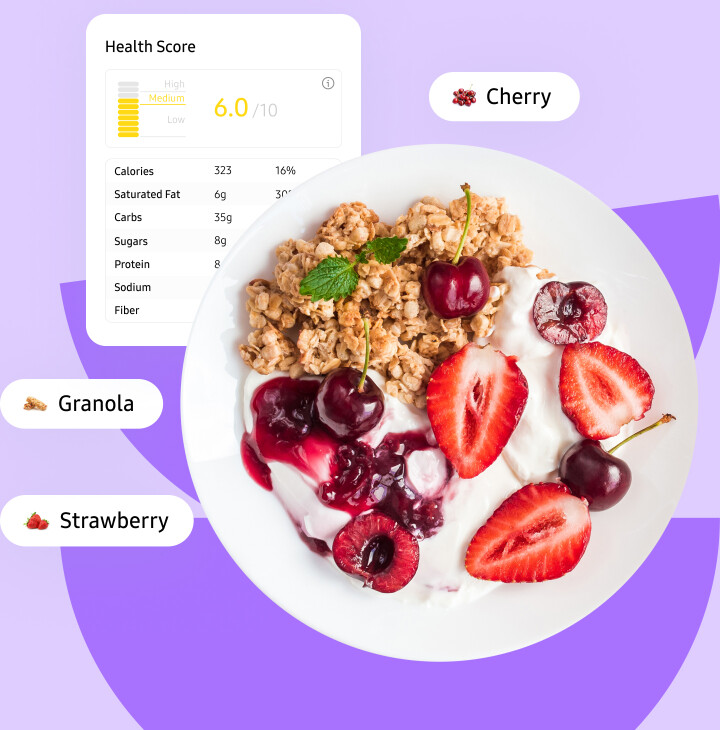
Once processed, the calculator shows results. It displays a nutritional breakdown. Look at the calorie count. Check macronutrients like carbs, proteins, and fats. Understand what your recipe offers nutritionally.
Credit: samsungfood.com
Manual Calculation Methods
Understanding the nutritional value of a recipe is essential for healthy eating. Manual calculation methods help you track the nutrients in your meals. This approach requires time and attention to detail. Yet, it can be rewarding. You gain a deeper understanding of what you consume. Below, we explore manual methods to determine nutritional values.
Reading Nutrition Labels
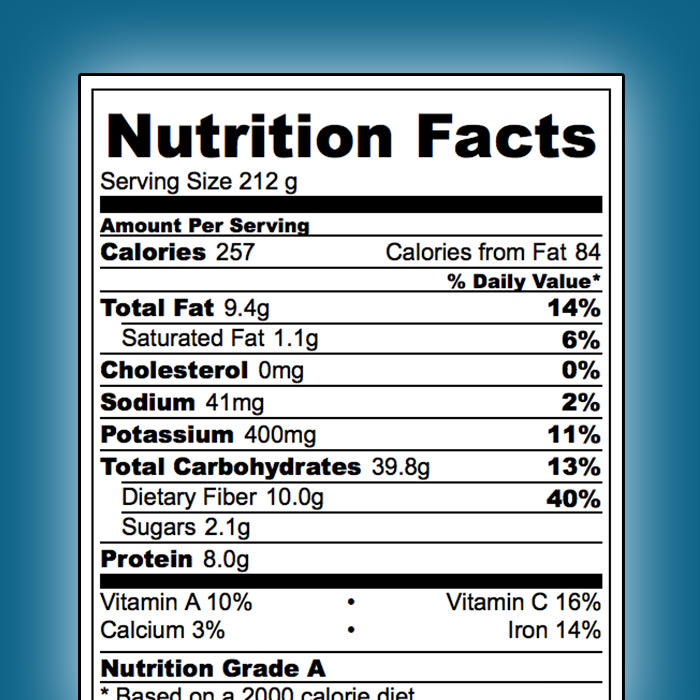
Nutrition labels provide vital information about food products. They list nutrients like calories, fats, and proteins. To calculate a recipe’s nutritional value, read each ingredient’s label. Note the serving size and nutrient content. Add these values to get the total for your recipe. This method ensures accuracy.
Standard Serving Sizes
Standard serving sizes are key to accurate calculations. They ensure you compare similar amounts of different foods. Check each ingredient’s label for its standard serving size. Use these sizes to calculate your recipe’s nutritional value. This step helps in maintaining consistency. It also aids in better portion control.
Utilizing Nutrition Apps
Understanding the nutritional value of a recipe helps in making healthier choices. Nutrition apps simplify this task, providing quick and precise calculations. These apps use data from food labels and databases to compute nutritional information. They can transform your cooking experience by offering insights into calories, vitamins, and minerals. Let’s explore how nutrition apps can help.
Input Ingredients For Accurate Results
Nutrition apps require ingredient details for precise calculations. Input each ingredient’s quantity and type. The app uses this data to analyze nutritional content. This step ensures you receive accurate results for your recipe.
Scan Barcodes For Quick Data Entry
Many apps include a barcode scanning feature. Use this to enter packaged food details. Scanning barcodes saves time and minimizes errors. This feature is handy when dealing with multiple packaged items.
Explore Built-in Recipe Libraries
Nutrition apps often have extensive recipe libraries. These libraries offer pre-analyzed recipes. Each recipe displays detailed nutritional information. Use these recipes to compare and enhance your cooking choices.
Customize Serving Sizes
Adjust serving sizes for personalized nutritional information. Apps allow modifications to match your needs. Customize to reflect your actual portion size. This helps in understanding nutrition per serving.
Analyze Nutritional Trends Over Time
Track your eating habits with historical data. Some apps provide trend analysis features. Review changes in your nutritional intake over weeks or months. This insight aids in making informed dietary decisions.
Credit: oneingredientchef.com
Adjusting For Cooking Methods
Cooking methods can change a recipe’s nutritional value. Frying adds fat, while steaming maintains nutrients. Consider these changes for accurate nutritional info.
Adjusting for cooking methods can significantly affect the nutritional value of your recipes. Cooking not only transforms raw ingredients into delicious meals but also alters their nutritional content. Understanding how different methods impact nutrients can help you make healthier choices and get the most out of your meals.Baking And Frying
Baking is a popular method for its simplicity and health benefits. It often requires little to no added fat, which helps keep the calorie count lower. However, remember that baking can sometimes reduce water-soluble vitamins like vitamin C. Frying, on the other hand, is known for adding extra calories and fat. But did you know that frying can actually enhance certain fat-soluble vitamins, like vitamins A, D, E, and K? If you’re frying, consider using healthy oils and controlling the temperature to minimize unhealthy compounds.Boiling And Steaming
Boiling is straightforward but can lead to nutrient loss, especially water-soluble ones. Have you noticed how the color of the water changes when boiling vegetables? That’s often the nutrients leaching out. Steaming is a gentler method that helps retain more vitamins and minerals. Unlike boiling, the food doesn’t come into direct contact with water, preserving its nutritional value. If you’re steaming vegetables, try adding herbs and spices after cooking for an extra flavor boost without compromising nutrients. When you’re cooking, do you consider how the method might affect the healthiness of your meal? Adjusting cooking methods is not just about taste but also about maximizing nutritional benefits. Balancing flavor and health can transform your everyday meals into nourishing experiences.Factoring In Ingredient Substitutions
Determining nutritional value involves considering ingredient swaps. Replacing ingredients can alter calories and nutrients. Choose healthy alternatives and calculate using online tools for accuracy.
Factoring in ingredient substitutions can be quite tricky. Many recipes call for specific ingredients. Sometimes, you might not have them on hand. Or, you might want a healthier option. Understanding how these changes affect nutritional value is essential. Each ingredient has its own nutritional profile. When you swap one for another, the whole dish changes. Here’s how to navigate this process effectively.Understanding The Original Ingredients
Start by listing all original ingredients. Check their nutritional values. This gives a baseline. Knowing this helps measure changes with substitutions.Researching Substitute Ingredients
Find alternatives that match the original taste and texture. Research their nutritional information. This helps keep the dish balanced and flavorful.Calculating New Nutritional Values
Use online tools to calculate values for substitutions. Many websites offer nutritional calculators. Enter the amounts and get instant results.Adjusting Portion Sizes
Substitutes might affect portion sizes. Adjust them to maintain the dish’s balance. This ensures each serving provides the right nutrition.Monitoring Flavor Changes
Swapping ingredients can change the dish’s taste. Taste test before serving. Make sure the substitution doesn’t alter the intended flavor.Evaluating Health Benefits
Consider the health benefits of substitutes. Some might offer more fiber or vitamins. This can make your recipe healthier overall.Keeping Track Of Changes
Document every substitution. Note the nutritional differences. This helps refine recipes in the future. It also provides a reference for similar changes.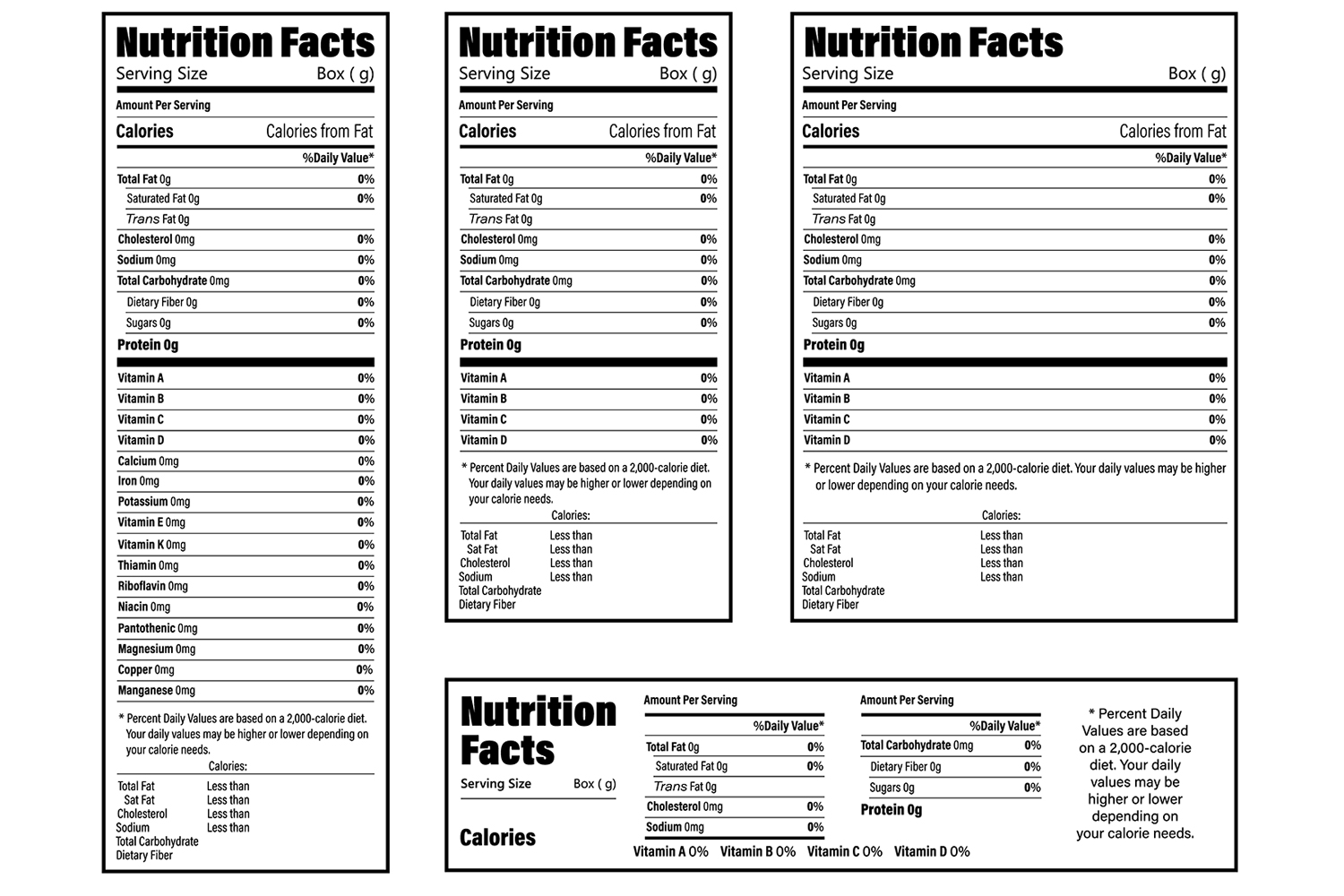
Credit: tasty-yummies.com
Keeping A Nutritional Log
Determining the nutritional value of a recipe starts with listing all ingredients. Calculate calories, proteins, fats, and vitamins using nutrition databases. Adjust servings and portions to ensure accurate results.
Keeping a nutritional log can be a game changer in understanding the nutritional value of recipes. By tracking what you eat, you gain insights into your dietary habits and nutritional intake. It’s like having a personal diary, but for your food.Why Keep A Nutritional Log?
A nutritional log helps you keep track of your daily intake. You can pinpoint what nutrients you’re consuming and identify any gaps in your diet. Imagine discovering you’re low on fiber and then finding recipes to fill that gap. It’s empowering!Tools To Track Your Nutrition
You don’t need fancy gadgets to keep a nutritional log. A simple notebook can do wonders. Alternatively, there are numerous apps available that make tracking easier. These apps often provide nutritional breakdowns of food items and recipes.What To Include In Your Log
Your log should include the food items, portion sizes, and nutritional content. Consider tracking calories, macronutrients like carbs, proteins, and fats, as well as vitamins and minerals. This detailed logging allows you to see patterns over time, helping you adjust your recipes accordingly.Making Logging A Habit
Consistency is key in maintaining a nutritional log. Start by logging once a day, perhaps after dinner when you have a moment to reflect. If you miss a day, don’t stress. Just get back on track the next day.Benefits Of Logging Nutritional Information
Logging your nutrition aids in achieving dietary goals. Whether you aim to lose weight, gain muscle, or simply eat healthier, it provides a clear path. Plus, it’s gratifying to witness your progress over time.Engaging With Your Nutritional Log
Consider posing a question to yourself each week. What nutrient do I need more of? How can I tweak recipes to meet this need? This introspection not only keeps the process engaging but also encourages continual improvement.Tips For Accurate Measurement
Determining the nutritional value of a recipe involves precise ingredient measurement. Use a digital scale for accuracy. Check nutrition labels for detailed information.
Figuring out the nutritional value of a recipe can feel like solving a puzzle. Yet, with the right strategies, it becomes a straightforward task. Accurate measurement plays a crucial role in ensuring you know exactly what you’re consuming. Whether you’re cooking for health reasons or just curious about your intake, understanding how to measure ingredients precisely can make all the difference. Below are some helpful tips to ensure you measure ingredients accurately every time.Use The Right Tools
Invest in a good set of measuring cups and spoons. They ensure consistency, especially when measuring dry and liquid ingredients. A kitchen scale can be a game-changer for accuracy, particularly for ingredients like flour, which can be packed differently.Level Off Dry Ingredients
When measuring dry ingredients, heap them into the measuring cup, then level it off with a straight edge. This technique prevents you from adding extra quantities that could skew your recipe’s nutritional value. Think about that time you accidentally added too much flour to a cake—it wasn’t just denser, but the calories went up too.Measure Liquids At Eye Level
Pour liquids into a measuring cup placed on a flat surface. Bend down to eye level to ensure the liquid lines up with the measurement mark. This simple step can avoid the common mistake of overestimating liquid amounts, like when you poured milk into your cereal and ended up with a bowl of soup instead.Be Precise With Small Quantities
For ingredients like salt, spices, or baking soda, even a small variance can impact the nutritional content. Use the right measuring spoon and avoid “eyeballing” it. Have you ever added too much salt to a dish, thinking it was just a pinch? The extra sodium could surprise you.Read Labels Carefully
Before adding packaged ingredients, check the label for serving sizes and nutritional information. This helps you calculate the total nutritional value accurately. Are you guilty of tossing in a handful of cheese without checking the label first?Double-check Your Math
Once you’ve measured and noted down each ingredient’s nutritional content, add everything up. Double-check your calculations to ensure accuracy. Have you ever tallied up a recipe only to realize your numbers were off? It happens, and correcting it gives you peace of mind. These tips can transform your cooking experience by bringing precision to your kitchen. What are your go-to methods for measuring ingredients accurately? Share your thoughts and perhaps even a story of a measurement mishap—it happens to the best of us!Frequently Asked Questions
How To Determine Nutritional Value Of Homemade Food?
Use a food scale to measure ingredients. Input data into a nutrition calculator app. Adjust for cooking methods and portion sizes.
How To Calculate Nutritional Value Of Food?
To calculate nutritional value, use food labels or a nutrition database. Measure your portion size. Multiply the nutrient values by the portion size. Consider using apps or software for accuracy. Keep track of macronutrients, vitamins, and minerals for a comprehensive analysis.
What Is The App That Calculates Nutritional Value?
MyFitnessPal is an app that calculates nutritional value. It tracks calories, macronutrients, and provides daily food insights.
How To Identify Nutritional Value?
Check food labels for calories, fats, proteins, vitamins, and minerals. Use online tools or apps for detailed analysis. Look for whole ingredients and avoid processed foods for better nutritional value. Consult nutrition guides or professionals for personalized advice on dietary needs.
Conclusion
Understanding the nutritional value of recipes is essential for healthy eating. It helps you make better food choices. Keep track of ingredients and portion sizes. Use online tools for quick calculations. Consult nutrition labels and guides. This way, you can enjoy balanced meals.
Your health will benefit from informed decisions. Planning meals becomes easier and more effective. Save time and energy with clear nutritional insights. Stay committed to learning and adapting. Your journey to better nutrition starts with small steps. Every choice makes a difference.
Prioritize your well-being and enjoy the rewards of informed eating.