Are you passionate about healthy eating and helping others lead better lives? Getting a degree in nutrition might be the perfect path for you.
Imagine having the knowledge to transform not just your health, but also the well-being of those around you. This degree opens doors to a fulfilling career, where you can make a real impact. Whether you’re dreaming of becoming a registered dietitian, a nutritionist, or even a wellness coach, the steps to achieving your goal are within reach.
You might be wondering how to start, what courses to take, and what career opportunities await you. Don’t worry, this article will guide you through everything you need to know. Get ready to unlock your potential and turn your passion for nutrition into a rewarding career. Let’s dive into the details so you can take the first step towards your future in nutrition.
Credit: nutritionsciencedegree.org
Choosing The Right Program
Choosing the right program for your degree in nutrition is a crucial step that sets the foundation for your future career. With so many options available, it can be overwhelming to decide which path to take. Think about what aligns with your goals and lifestyle. Are you looking for flexibility, or do you thrive in a structured environment? Let’s dive into some key considerations to help you make an informed choice.
Accreditation Importance
Accreditation is more than just a seal of approval; it’s a guarantee of quality education. When a program is accredited, it means it meets specific standards set by educational authorities. This can impact your eligibility for certain certifications or professional memberships. Always check if your chosen program is accredited by a recognized agency. It ensures you get a solid foundation and opens doors in your nutrition career.
Online Vs. On-campus Options
Deciding between online and on-campus options is about balancing your lifestyle and learning preferences. Online programs offer flexibility, letting you study from anywhere, fitting around work or family commitments. On-campus programs provide face-to-face interaction and hands-on learning experiences. Consider what suits your schedule and learning style. Would you benefit from networking in person, or do you need the convenience of an online format?
Specializations Available
Nutrition is a diverse field, and specializations can help tailor your education to your interests. Whether you’re passionate about sports nutrition, public health, or clinical dietetics, choosing a specialization can enhance your expertise. Look at the curriculum and faculty expertise in areas you’re interested in. Having a specialization not only differentiates you but also can increase your job prospects in specific sectors.
Ultimately, the right program is one that aligns with your career goals, lifestyle, and learning preferences. Take time to research and reflect on what matters most to you. This decision is a stepping stone to your future success in the nutrition field.

Credit: www.pointloma.edu
Meeting Admission Requirements
Navigating admission requirements for a nutrition degree involves understanding basic prerequisites, including biology and chemistry courses. Ensure applications are complete and submitted before deadlines, highlighting relevant experience or coursework. Research specific entry criteria for each institution to improve chances of acceptance.
Embarking on a journey to earn a degree in nutrition is an exciting step toward a rewarding career. However, meeting admission requirements is crucial to ensure you’re on the right path. Understanding what schools expect can make the application process smoother and boost your chances of acceptance.Prerequisite Courses
Before applying, check the required prerequisite courses for your desired program. Most nutrition programs expect you to have completed foundational courses in biology, chemistry, and possibly anatomy. These courses lay the groundwork for more advanced nutrition studies. Did you ace your high school biology class? That might give you a head start.Standardized Tests
Some universities require standardized tests like the SAT or ACT. Your scores might play a role in the admission decision. Research the specific requirements of each school you’re interested in. Have you considered how your test scores stack up against their expectations?Application Process
The application process for a nutrition degree can vary from school to school. Generally, you’ll need to submit your transcripts, standardized test scores, and a personal statement. Craft a personal statement that reflects your passion for nutrition. Share any relevant experiences, such as volunteering at a local health clinic or participating in a nutrition club. Have you thought about what makes your story unique? Navigating the admission requirements may seem daunting, but taking it step by step makes it manageable. Are you ready to take the first step toward your nutrition degree?Funding Your Education
Funding your education in nutrition can be a daunting task. Many students worry about how to cover tuition and other costs. Fortunately, there are several options to ease this burden. Scholarships, grants, student loans, and part-time work can help. Each option offers unique benefits to support your educational journey.
Scholarships And Grants
Scholarships and grants offer free money for your education. They do not require repayment, making them an attractive choice. Many organizations provide scholarships for nutrition students. Check with universities and local community groups. Apply early to increase your chances of success.
Student Loans
Student loans can bridge the gap in your funding. They help cover tuition and living expenses. Federal student loans often have lower interest rates. Consider private loans if you need more funds. Remember, loans need repayment after graduation. Plan wisely to avoid overwhelming debt.
Part-time Work Opportunities
Part-time work offers a way to earn money while studying. Look for jobs on campus or nearby. Many students work in cafes or libraries. These jobs offer flexible hours around your classes. Working part-time builds valuable skills and helps manage expenses. Balance your work and study to maintain academic success.
Coursework And Curriculum
Exploring how to get a degree in nutrition involves understanding coursework and curriculum. Classes include biology, chemistry, and food science. Practical experience through internships enhances learning.
Embarking on the journey to earn a degree in nutrition is both exciting and rewarding. Understanding the coursework and curriculum is crucial to setting clear expectations and goals. It not only helps you grasp what lies ahead but also allows you to tailor your academic experience to your personal interests and career aspirations.Core Nutrition Courses
The foundation of any nutrition degree lies in its core courses. These essential classes cover topics like human anatomy, biochemistry, and dietetics. They provide the scientific grounding necessary to understand how nutrients affect the body. By mastering these subjects, you build a solid base for more specialized areas in nutrition. Think about how these courses could align with your passion. Are you more interested in clinical nutrition or public health?Elective Options
Elective courses offer a chance to diversify your knowledge. They allow you to explore areas outside the core curriculum, like sports nutrition or food policy. This flexibility can be invaluable in shaping your career path. Consider choosing electives that align with your long-term goals. If you’re passionate about fitness, a course in sports nutrition might be ideal. Look for classes that ignite your curiosity and keep your studies engaging.Practical Experience
Practical experience is a crucial part of a nutrition degree. It bridges the gap between theoretical knowledge and real-world application. Internships, lab work, and community projects are common ways to gain hands-on experience. Imagine working alongside a dietitian, observing their day-to-day tasks. This exposure not only enhances your learning but also provides networking opportunities. How can you leverage these experiences to enrich your academic journey? Each element of your coursework and curriculum plays a significant role in your education. By engaging fully with each component, you set yourself up for a successful and fulfilling career in nutrition. So, what will you focus on to shape your future?Gaining Practical Experience
Gaining practical experience is crucial when pursuing a degree in nutrition. It bridges the gap between theoretical knowledge and real-world application, making you more competent and confident. How can you ensure you’re acquiring the right experience to bolster your career? Let’s dive into some effective ways to gain hands-on knowledge.
Internships And Externships
Internships and externships are excellent opportunities to apply what you’ve learned in the classroom to real-life situations. They often offer a structured environment where you can learn from experienced professionals.
Seek out internships at hospitals, wellness centers, or food companies. You’ll gain invaluable insights into daily operations and nutritional assessments. An externship can provide a shorter, more intense experience, allowing you to shadow dietitians and nutritionists closely.
Did you know that some students land job offers after a successful internship? Consider what skills you want to develop and choose opportunities that align with your career goals.
Volunteer Opportunities
Volunteering can be a rewarding way to gain experience while contributing to the community. Many non-profit organizations and community health centers are eager for enthusiastic volunteers.
Volunteering at a local food bank or community kitchen can teach you about food security and nutrition education. These experiences can also enhance your resume and set you apart from other candidates.
Have you thought about using your skills to make a difference? Volunteering not only helps others but also enriches your understanding of diverse nutritional needs.
Networking In The Field
Networking is more than just exchanging business cards. It’s about building meaningful relationships with professionals who can offer guidance, support, and opportunities.
Attend workshops, conferences, and seminars related to nutrition. Engage with speakers and attendees to learn about the latest trends and challenges in the field. These events are fertile ground for expanding your professional network.
Have you ever considered the power of a simple conversation? Sometimes, a casual chat can lead to mentorship or a job opportunity. Invest time in nurturing connections that could shape your career path.
Gaining practical experience in nutrition is an exciting journey filled with learning and growth. Take proactive steps to immerse yourself in real-world settings, and you’ll emerge as a well-rounded professional ready to make an impact.
Preparing For Certification
Pursuing a degree in nutrition involves understanding dietary needs and health. Courses cover biology, chemistry, and food science. Developing skills in these areas prepares individuals for certification exams.
Embarking on a career in nutrition is an exciting journey. Once you’ve completed your degree, the next step is to prepare for certification. This process not only solidifies your knowledge but also enhances your credibility in the field. Certification can set you apart from other professionals and open doors to better job opportunities. So, how do you prepare for this crucial step? Let’s delve into the details.Certification Options
There are several certification options available for aspiring nutritionists. The most recognized is the Registered Dietitian Nutritionist (RDN) certification. This requires passing an exam administered by the Commission on Dietetic Registration (CDR). Other options include Certified Nutrition Specialist (CNS) and Certified Clinical Nutritionist (CCN). Each has its own prerequisites and benefits. Research thoroughly to choose the one that aligns with your career goals.Exam Preparation Tips
Preparing for the certification exam can be daunting, but with the right approach, you can succeed. Start by understanding the exam format and content. Use study guides, online resources, and practice tests to familiarize yourself with the material. Join study groups or find a study buddy to keep you motivated. Remember, consistency is key. Schedule regular study sessions and stick to them. Consider enrolling in a preparatory course if you need extra guidance.Maintaining Certification
Once you’ve earned your certification, maintaining it is essential. Most certifications require continuing education to stay current in the field. This might involve attending workshops, seminars, or online courses. Keep track of your credits and ensure you’re meeting the renewal requirements. Staying updated not only keeps your certification valid but also ensures you’re providing the best advice to your clients. Have you thought about the impact maintaining your certification can have on your career longevity? Consistent learning can keep you at the forefront of the nutrition industry, ensuring you remain a trusted expert.Exploring Career Opportunities
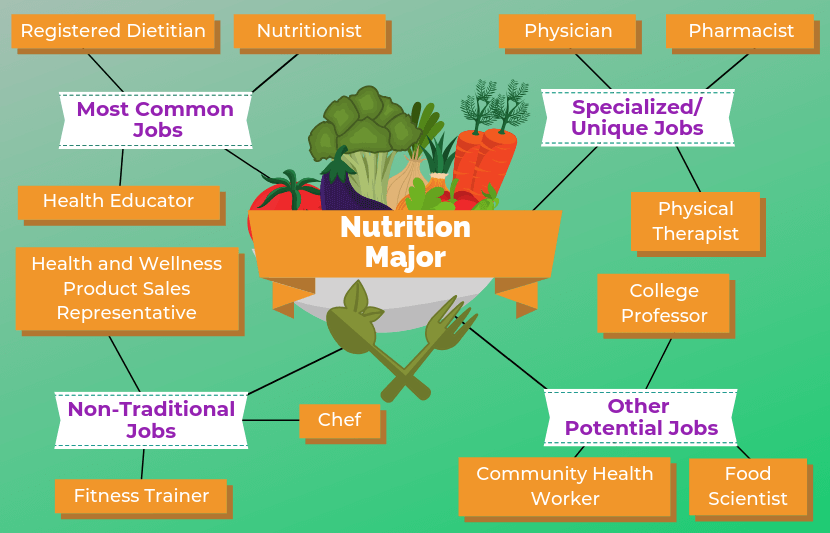
Exploring career opportunities in nutrition can open many doors. A degree in nutrition offers diverse paths. Understanding job prospects and career paths is key. Continuing education is also crucial for growth. Let’s dive into these aspects further.
Job Prospects
The demand for nutritionists is growing. Many sectors need experts. Hospitals seek nutritionists for patient care. Schools hire them to plan healthy meals. Fitness centers want nutrition experts for clients. Public health organizations look for skilled nutritionists. The job market is promising.
Career Paths In Nutrition
There are many career paths in nutrition. Clinical nutritionists work in hospitals. They help patients with dietary needs. Community nutritionists focus on public health. They promote healthy eating in communities. Sports nutritionists advise athletes. They optimize performance through diet. Research nutritionists study food science. They explore nutrition’s impact on health. Each path offers unique opportunities.
Continuing Education
Continuing education is vital in nutrition. New research emerges constantly. Staying updated is important. Many professionals attend workshops. Others pursue advanced degrees. Certifications enhance skills. They improve job prospects. Online courses offer flexibility. They fit busy schedules. Lifelong learning ensures expertise. It keeps you ahead in the field.
Credit: www.tun.com
Frequently Asked Questions
How Long Does It Take To Get A Nutritionist Degree?
A nutritionist degree typically takes 4 years to complete. This includes earning a bachelor’s degree in nutrition or a related field. Some programs may require additional internships or certifications, extending the timeline slightly. Always check specific program requirements for precise duration.
What Is The Best Degree For A Nutritionist?
A bachelor’s degree in nutrition, dietetics, or food science is ideal for aspiring nutritionists. This foundation provides essential knowledge about human health, dietary needs, and food systems. Pursuing further certifications can enhance career prospects and expertise in specialized areas of nutrition.
What Is Needed For A Degree In Nutrition?
A degree in nutrition requires courses in biology, chemistry, physiology, and nutrition science. You’ll need strong analytical skills and a passion for health and wellness. Practical experience through internships or supervised practice is essential. Some programs might require a capstone project or thesis.
Always check specific requirements of your chosen institution.
Is Getting A Nutrition Degree Worth It?
A nutrition degree is worth it for a career in health and wellness. It offers diverse job opportunities. Graduates can work in hospitals, private practice, or research. The degree provides essential knowledge on diet, health, and disease prevention. Consider personal interests and career goals before pursuing.
Conclusion
Getting a degree in nutrition opens many doors. It helps in understanding food and health. You can work in hospitals or clinics. Teaching and research are also options. Online courses make learning flexible. Scholarships can ease financial stress. Find mentors who guide and support.
Stay curious and keep learning. Nutrition is a growing field. Make sure to choose accredited programs. The journey is rewarding and fulfilling. Your efforts can lead to a healthier world. Take the first step today. Your future in nutrition awaits you.