Have you ever wondered exactly what nutrition facts are hidden in your homemade meals? Maybe you’re trying to eat healthier, track your macros, or simply curious about the nutritional value of your favorite recipes.
Knowing the nutritional breakdown of what you cook at home is not just for diet enthusiasts; it’s a gateway to making informed choices that benefit your health and lifestyle. Imagine the satisfaction of knowing precisely what goes into your body, empowering you to tweak ingredients and cooking methods to best suit your nutritional needs.
This isn’t just about numbers; it’s about understanding and control. Dive into this article to learn simple, effective ways to unveil the nutrition facts of your homemade dishes, transforming your kitchen into a hub of healthy living. Your meals deserve it, and so do you!
Importance Of Knowing Nutrition Facts
Knowing the nutrition facts of homemade food is crucial for health. It helps you understand what you consume daily. This knowledge guides you in making healthier choices. Many people overlook the importance of nutrition facts. These facts are essential for maintaining a balanced diet. They help you manage weight, energy levels, and overall health.
Understanding Calories And Portion Sizes
Calories measure the energy in food. Knowing calorie content is key to weight management. Homemade meals often lack clear portion sizes. Estimating portions ensures accurate calorie intake. This prevents overeating and supports healthy habits.
Tracking Macronutrients
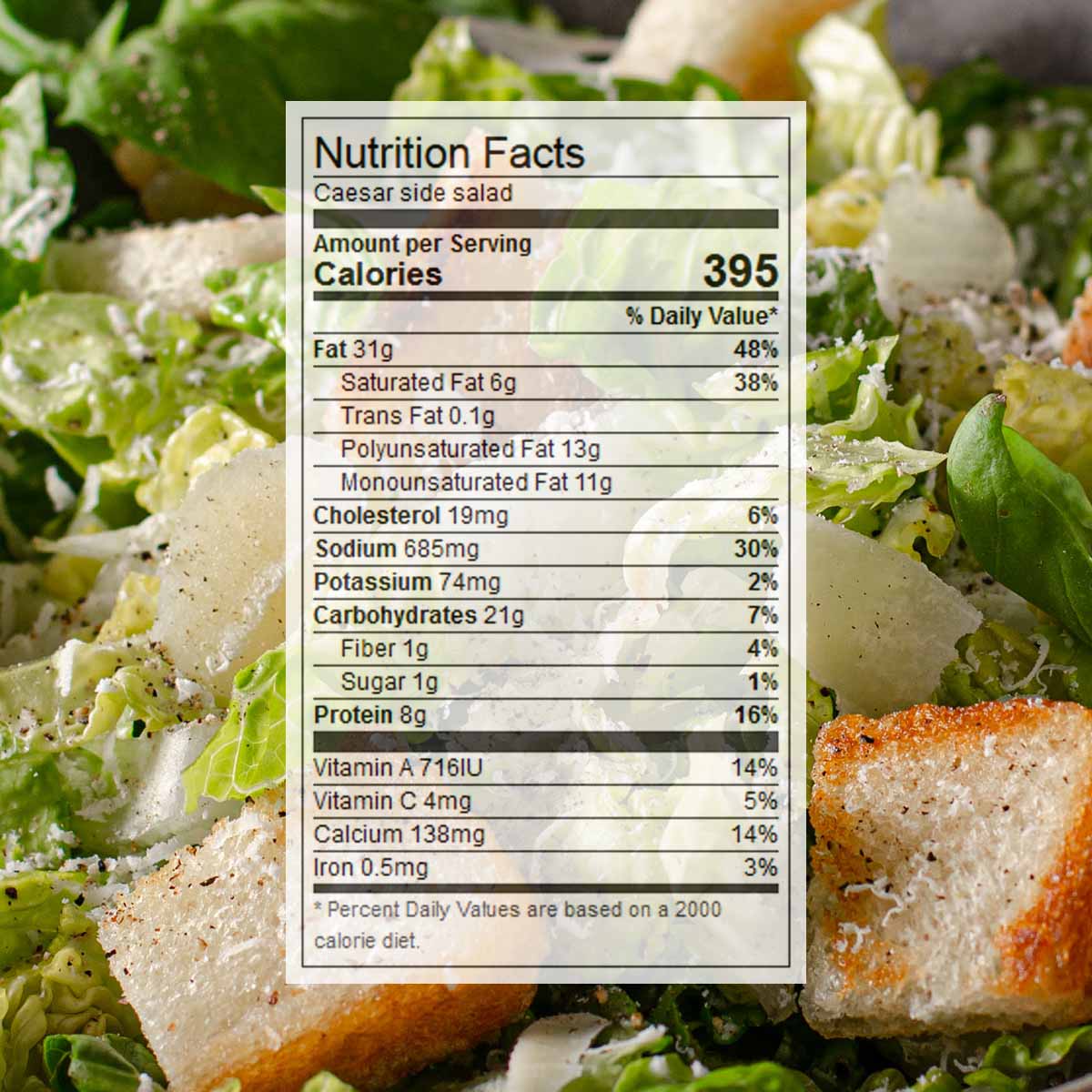
Macronutrients include proteins, carbohydrates, and fats. Each plays a role in your body’s functions. Understanding their amounts helps balance your diet. Proteins build and repair tissues. Carbohydrates provide energy. Fats support cell growth. Knowing these details aids in meal planning.
Monitoring Micronutrients
Micronutrients are vitamins and minerals. They support various bodily functions. Knowing their presence in homemade food is vital. It helps prevent deficiencies and promotes good health. Balanced micronutrient intake boosts immunity and energy levels.
Assessing Sodium And Sugar Levels
Sodium and sugar impact your health significantly. High sodium can lead to hypertension. Excess sugar affects weight and energy. Knowing their levels in food helps in reducing risks. It encourages healthier cooking methods.
Ensuring Dietary Restrictions
Many individuals have dietary restrictions. Allergies, intolerances, or health conditions require specific diets. Knowing nutrition facts ensures compliance with dietary needs. It helps avoid unwanted reactions and supports well-being.
Benefits Of Homemade Food
Homemade food offers numerous advantages that enhance well-being and enjoyment. Preparing meals at home allows control over ingredients, ensuring freshness and quality. This control helps avoid harmful additives and preservatives found in processed foods.
Cooking at home encourages healthier eating habits. People tend to use less sugar, salt, and unhealthy fats. Homemade meals often include more vegetables and lean proteins, promoting a balanced diet.
Families experience bonding through cooking together. Sharing recipes and creating meals fosters communication and teamwork. These moments create lasting memories and strengthen relationships.
Cost Savings
Homemade meals are budget-friendly. Buying ingredients in bulk and using leftovers reduces grocery bills. Eating out frequently can be expensive. Cooking at home saves money over time.
Customization
Personalizing recipes is easy with homemade food. Adjust flavors, spices, and ingredients to suit personal tastes. This flexibility enhances enjoyment and satisfaction.
Food Safety
Home cooking offers greater control over hygiene. Ensuring clean cooking surfaces and utensils prevents contamination. Safe food handling reduces the risk of foodborne illnesses.
Nutritional Awareness
Preparing meals at home increases awareness of nutritional content. Understanding what goes into each dish encourages healthier choices. Learning about nutrition helps in creating balanced meals.
Environmental Impact
Homemade meals reduce packaging waste. Using fresh ingredients minimizes reliance on processed foods. This practice supports environmental sustainability.
Creative Expression
Cooking at home allows for creativity. Experimenting with new recipes and flavors is exciting. It becomes a rewarding hobby that boosts culinary skills.
Identifying Ingredients And Portions
Finding the right ingredients and portions helps in calculating nutrition facts for homemade meals. Measure each ingredient accurately using kitchen scales or measuring cups. Use online calculators or apps to find nutritional values, ensuring your homemade food meets dietary needs.
Understanding nutrition facts for homemade meals can be challenging. Identifying ingredients and portions is crucial for accurate information. This step helps you know what you’re eating. It also aids in tracking dietary goals. Let’s explore how to list ingredients and determine portion sizes effectively.Listing Ingredients
Start with a complete list of ingredients. Write down everything used in the recipe. Include spices, herbs, and oils. Don’t forget to note any condiments. Use precise names for each item. If you use a brand, mention it. This detail helps in calculating nutrition facts accurately. Group similar items together. For instance, list all vegetables in one section. This method makes the list organized and easy to follow.Determining Portion Sizes
Knowing portion sizes is essential for nutrition facts. Measure each ingredient before cooking. Use cups, spoons, or scales. Be consistent with measurement units. If a recipe serves four, divide the total amount by four. This gives you the portion size per serving. Consider the cooking process. Some foods shrink or expand. Adjust portion sizes accordingly. Write down changes for future reference. Accurate portion sizes help manage calories. They also ensure balanced meals.
Credit: www.sheetlabels.com
Using Nutrition Calculators
Cooking at home offers control over ingredients and portions. Knowing the nutritional value is essential for health and wellness. Nutrition calculators help provide this information. These tools are user-friendly and accessible. They ensure you make informed dietary choices. Discover how to use them effectively.
Free Online Tools
Several free online tools calculate nutrition for homemade dishes. Websites like MyFitnessPal and SparkPeople are popular. Enter your recipe ingredients and portion sizes. The tool calculates calories, vitamins, and more. These platforms offer detailed nutritional breakdowns. They are suitable for desktop use and easy to navigate. You can save and track your recipes for future use.
Mobile Apps
Mobile apps provide nutrition facts on the go. Apps like Cronometer and MyNetDiary are available. They work similarly to online tools. Input your recipe details to get nutritional data. These apps are convenient for busy lifestyles. They help keep track of your dietary intake daily. Many apps offer barcode scanning for packaged foods. This feature provides quick access to nutrition information.
Reading Food Labels For Packaged Ingredients
Decoding food labels helps you understand nutrition facts for homemade meals. Check serving sizes and ingredients for healthier choices. Compare nutrition details to ensure balanced diets.
Reading food labels for packaged ingredients is a crucial step in understanding the nutrition facts for your homemade meals. Often, we overlook this simple yet effective method that can transform our cooking into a healthier experience. Imagine the surprise when you realize how much a tiny sachet of spice can alter the calorie count of your dish!Understanding The Basics
Start by checking the serving size. It sets the foundation for all other nutritional information on the label. The numbers you see—calories, fats, sugars—are based on this amount. You might wonder why a small pack of almonds seems so high in calories. It’s all in the serving size.Identifying Nutritional Components
Look at the macronutrients—fats, proteins, and carbohydrates. Each plays a different role in your diet, and the balance can affect your health and energy levels. Consider a packaged sauce. It might be high in sugars, which you want to watch if you’re managing your sugar intake.Spotting Added Ingredients
Scan for added sugars or artificial additives. These can sneak into your meals and affect their nutritional quality without you even realizing. Think of your favorite canned tomatoes. They might contain added sugars or sodium that you want to limit.Using Labels To Adjust Recipes
Once you have the nutritional information, adjust your recipe to meet your dietary goals. You can swap ingredients or change quantities to make your meal healthier. If a packaged item is high in sodium, you can balance it by reducing salt elsewhere in your recipe.Making Informed Decisions
Every time you choose a packaged ingredient, ask yourself how it fits into your meal’s overall nutrition. Are you adding unnecessary sugars or fats? Reflect on the time you added a seemingly healthy snack to your meal and later realized it was packed with hidden sugars.Sharing Your Insights
Share what you’ve learned with friends and family. Discuss the surprising elements you found on labels and how it changed your cooking habits. Encourage others to start reading labels and see how it transforms their kitchen adventures. Are you ready to scrutinize those labels and make informed choices for your homemade dishes?Estimating Nutrition For Complex Dishes
Estimating nutrition for homemade dishes can be tricky. Calculate ingredient values using online tools or apps. Adjust portions based on recipe changes for accuracy.
Estimating Nutrition for Complex Dishes Creating homemade meals can be a rewarding experience, but understanding their nutritional content can be a real challenge. Complex dishes with multiple ingredients require a methodical approach to accurately assess their nutritional value. Let’s dive into how you can estimate nutrition for these intricate meals without losing your mind.Layered And Multi-component Meals
Think about a classic lasagna. It’s not just pasta and sauce; it’s layers of cheese, meat, and vegetables. Each component adds unique nutrients and calories. To get an accurate nutritional snapshot, consider breaking the dish down into its layers. Calculate the nutrition for each layer separately before combining them for a total. For example, if your lasagna has a cheese layer, a meat layer, and a veggie layer, measure each ingredient’s nutritional content first. Then, add these up to get the full picture. This method helps you see which components might be higher in fats or proteins. You might be surprised to find that the cheese layer contributes more calories than the pasta. Would you tweak the recipe next time to make it healthier?Handling Mixed Dishes
Mixed dishes like casseroles or stews can seem intimidating because everything is cooked together. The key is to start with a recipe breakdown. List all the ingredients and their quantities. Use a nutrition calculator or app to find the nutrition facts for each ingredient. Combine these numbers based on their proportion in the dish. For example, if your casserole has 500 grams of chicken and 200 grams of potatoes, calculate the nutrition for each and then add them up. Remember, some cooking methods can alter nutrient content. Boiling might reduce vitamin levels, while roasting can increase the calorie count through added oils. Have you considered how cooking affects the nutritional profile of your dish? By understanding each component and considering cooking effects, you gain a clearer insight into your homemade food’s nutritional makeup. This empowers you to make informed decisions about your diet, ensuring you and your family enjoy meals that are both delicious and balanced.Tracking And Recording Nutrition Data
Tracking and recording nutrition data can transform your homemade meals. Knowing what you eat helps in maintaining a healthy lifestyle. It ensures you get the right nutrients for your body. But how do you track these details for homemade food? You can keep a food diary or use digital tools.
Keeping A Food Diary
A food diary is a simple way to record what you eat. Write down ingredients and portion sizes for each meal. Note any sauces or spices. This helps you understand your food intake better. You can see patterns in your eating habits. It can also help identify areas needing improvement. Consistently updating your diary makes tracking easier. Keep it handy in your kitchen for quick access.
Utilizing Digital Tools
Digital tools simplify tracking nutrition data for homemade meals. Apps like MyFitnessPal or Cronometer can be useful. These tools let you log ingredients and portions quickly. Many apps offer a database of common foods. They estimate calories, vitamins, and minerals. Some tools even sync with fitness trackers. This gives a comprehensive view of your health data. Using digital tools saves time and reduces errors.
Adjusting Recipes For Better Nutrition
Adjusting recipes for better nutrition is a rewarding endeavor. It allows you to control what goes into your meals, ensuring healthier choices without sacrificing flavor. As someone who loves cooking, I’ve found that little tweaks can make a big difference in nutrition. Ever wondered how you can make your favorite dish healthier while maintaining its delicious taste?
Substituting Ingredients
Switching ingredients is a straightforward way to enhance nutrition. Consider using whole grains instead of refined ones. They are packed with fiber, helping you feel fuller longer.
Try replacing butter with avocado in baking recipes. Avocado provides healthy fats and keeps your baked goods moist.
Think about using Greek yogurt instead of cream. It adds protein and a creamy texture without the extra calories.
Reducing Unhealthy Components
Reducing sugar and salt in recipes can be a game-changer. You don’t need to eliminate them entirely; just cutting back can make a huge impact.
Opt for spices and herbs to boost flavor. This way, you can reduce your salt intake without compromising on taste.
Consider using natural sweeteners like honey or maple syrup. These alternatives can provide sweetness with additional nutrients.
Remember the time you reduced the sugar in your grandma’s cookie recipe? It was just as tasty, and you felt good knowing you made a healthier choice.
What small change will you make to your next recipe? Adjusting your homemade meals can pave the way for a healthier lifestyle. Why not start today?
Consulting Professionals For Accuracy
Creating homemade meals is rewarding, but understanding their nutritional value can be tricky. To ensure accuracy, consulting professionals is a smart move. These experts can provide insights and tools to help you get precise nutrition facts for your meals.
Dietitians And Nutritionists
Dietitians and nutritionists are your go-to experts for accurate nutritional information. They are trained to analyze your recipes and provide detailed nutritional breakdowns.
Imagine crafting a delicious lasagna, only to realize you’re unsure about its calorie count. A dietitian can review your ingredients and cooking methods to give you precise data.
Consider scheduling a session with a local dietitian. Many offer virtual consultations, making it easy to fit into your schedule. Their expertise can help ensure your homemade food is both delicious and nutritious.
Online Expert Consultations
The internet is a treasure trove of resources, including access to nutrition experts. Many professionals offer online consultations, providing convenience and flexibility.
Platforms like Healthline or Nutritionist Pro connect you with certified nutritionists. You can share your recipes and receive personalized nutritional insights.
Have you ever wondered if your beloved family recipe is as healthy as it tastes? With online consultations, you can find out without leaving your home.
Online experts can also guide you in understanding food labels and portion sizes. This knowledge empowers you to make informed choices about your homemade meals.
What’s stopping you from reaching out to a professional? Your health and nutritional knowledge are worth the investment.
Credit: askthefoodgeek.com

Credit: www.raos.com
Frequently Asked Questions
How Do You Calculate Nutrition For Homemade Meals?
Use a nutrition calculator or app. Input each ingredient and its quantity. Adjust serving sizes. Check nutrition labels for packaged items. Sum the total nutrients for the entire meal. Divide by serving size to get per-serving nutrition. Keep it simple and accurate.
How Do I Get Nutrition Facts For My Product?
Use online nutrition calculators or consult a lab to analyze your product’s nutritional content accurately. Ensure compliance with labeling regulations for precise information.
What Is The 4 9 4 Method?
The 4 9 4 method is a productivity technique. It involves working for four hours, taking a nine-minute break, and repeating this cycle four times. This approach helps maintain focus and efficiency throughout the workday.
What Is The Best Way To Determine The Nutritional Value Of A Food?
Check the nutrition label for detailed information on calories, macronutrients, and vitamins. Use online databases like USDA for unlabelled foods. Use a nutrition calculator app for homemade meals. This ensures you get accurate nutritional information.
Conclusion
Finding nutrition facts for homemade meals is simpler than it seems. Start by listing your ingredients. Use online tools to calculate nutritional values. Keep track of portion sizes for accuracy. Practice makes perfect. With time, you’ll estimate nutrition easily. Homemade food offers control over ingredients.
This ensures healthier choices. Nutrition awareness helps with balanced meals. It’s worth the effort to understand what you eat. Enjoy creating meals that nourish your body. Your homemade dishes can be both tasty and nutritious. Stay informed and make healthier choices every day.
Your kitchen is your best ally.