Are you ready to uncover the secrets behind your product’s nutritional information? Whether you’re developing a new food item or simply curious about what’s inside your favorite snack, understanding nutrition facts is essential.
It’s not just about listing ingredients; it’s about empowering you with knowledge that influences purchasing decisions and promotes healthier choices. Imagine the confidence you’ll feel knowing exactly what goes into your body or the product you offer to your customers.
You’ll discover straightforward steps to obtain and interpret nutrition facts, ensuring your products align with health standards and consumer expectations. Let’s dive into the world of nutrition facts and take control of your health and business today!
Importance Of Nutrition Facts
Understanding nutrition facts is crucial for your product’s success. As consumers become more health-conscious, they seek transparency in what they eat. Nutrition facts help you build trust with your customers.
Imagine you’re buying a snack. You reach for a package without nutrition facts. Would you feel confident eating it? Probably not. Nutrition facts provide vital information that influences purchasing decisions.
By offering clear nutrition labels, you align with consumer expectations. You empower them to make informed choices. This simple step can elevate your product’s reputation.
Builds Consumer Trust
Nutrition facts are a powerful tool to build trust. They show your commitment to transparency and honesty. Customers appreciate knowing what goes into their bodies.
Consider a scenario where you’re comparing two products. One has detailed nutrition facts, the other doesn’t. Which one do you trust more? Most likely, the one with the facts.
When your product offers clear nutrition information, it stands out. It reassures customers that they’re making the right choice. Trust leads to loyalty, and loyalty drives sales.
Complies With Regulations
Complying with nutrition labeling regulations is not optional—it’s mandatory. Governments set guidelines to protect consumer health. Violations can lead to penalties and loss of credibility.
Staying compliant not only avoids legal troubles but also enhances your brand’s image. It shows you’re committed to safety and quality.
Ensure your product meets all labeling standards. This practice safeguards your business and builds a positive reputation. Are you willing to risk your business’s future by ignoring regulations?
Educates Consumers
Nutrition facts educate consumers about healthy choices. They provide insights into calorie content, ingredients, and allergens. This knowledge empowers individuals to make informed dietary decisions.
Think about a mom shopping for snacks for her kids. She checks nutrition labels to ensure they’re eating healthy. Your product can be her top choice if it clearly displays nutritional details.
Educating consumers is a win-win. They appreciate your transparency, and you gain loyal customers. Are you offering the information they need to choose wisely?
Enhances Marketing Strategies
Nutrition facts can be a marketing asset. Highlighting health benefits in your labels attracts health-conscious consumers. Use them to differentiate your product from competitors.
Consider a cereal brand emphasizing high fiber content. This feature appeals to health-focused buyers. Nutrition facts can become your unique selling point.
Think creatively. Use nutrition facts to craft compelling marketing messages. Are you ready to leverage this information to boost your sales?
Identifying Nutritional Components
Identifying the nutritional components of your product is crucial for providing accurate information to your customers. It helps them make informed choices and trust your brand. Understanding what goes into your product can also lead to innovations in your offerings, making them healthier and more appealing. Let’s break down the key nutritional components you need to evaluate.
Macronutrients
Macronutrients are the nutrients your body needs in larger amounts. They include carbohydrates, proteins, and fats. Each plays a specific role in maintaining bodily functions.
Consider carbohydrates. They are the body’s primary energy source. If your product is high in carbs, it may appeal to athletes or those in need of quick energy.
Proteins are essential for muscle repair and growth. If your product is protein-rich, it can attract fitness enthusiasts or those looking to increase their protein intake.
Fats are vital for hormone production and cell health. Understanding the type of fats in your product—saturated, unsaturated, or trans fats—is essential for guiding consumer choices.
Micronutrients
Micronutrients, though needed in smaller amounts, play a big role in maintaining health. They include vitamins and minerals.
Think about the impact of micronutrients like iron and calcium. Iron supports blood health, while calcium strengthens bones. Knowing the micronutrient content can help position your product for specific health benefits.
Micronutrients often come from natural ingredients. Consider adding fruits, vegetables, or nuts to boost your product’s micronutrient profile.
Vitamins And Minerals
Vitamins and minerals are essential for various bodily functions. Vitamins like A, C, and D support immune health, vision, and bone strength.
Minerals, such as potassium and magnesium, are crucial for heart and muscle function. Highlighting these components can make your product appealing to health-conscious consumers.
Look at your own pantry. You might find products enriched with vitamins and minerals. Why not enhance your offerings similarly to stand out in the market?
Understanding these nutritional components can transform how you present your product. What insights have you gathered from analyzing your product’s nutrition facts?
Using Nutrition Analysis Software
Using nutrition analysis software makes understanding your product’s nutritional value easier. This tool helps businesses provide accurate nutrition information. You can ensure your product labels are correct and compliant. Software tools analyze your recipe or product ingredients. They then calculate the nutritional content. These tools are crucial for product development and marketing. They help maintain transparency with customers.
Popular Software Tools
Several nutrition analysis software tools are available today. Nutritics offers extensive databases and user-friendly interfaces. Nutritionist Pro provides detailed reports and easy integration. Food Processor is another popular choice. It has a strong reputation in the industry. Each tool caters to different needs and budgets.
Key Features To Consider
Consider the software’s database accuracy. A large, updated database ensures precise results. User interface is important too. It should be intuitive and easy to navigate. Integration capabilities can save time. Check if the software works with your existing systems. Reporting features are vital. They should offer detailed and customizable reports. Finally, consider the cost. Ensure it aligns with your budget.

Credit: labelcalc.com
Consulting With A Nutritionist
Ensuring your product has accurate nutrition facts is crucial for transparency and consumer trust. Consulting with a nutritionist offers a reliable path to achieving this. A nutritionist’s expertise can transform confusing numbers into meaningful insights, enhancing your product’s appeal. Ever wonder why some products capture your attention with their clear nutritional benefits? That’s the power of professional guidance at work.
Benefits Of Professional Guidance
Engaging a nutritionist provides you with precise nutrition facts tailored to your product. Their expertise can help highlight unique nutritional benefits, setting your product apart from competitors. They also stay updated with the latest regulations, ensuring compliance and preventing costly mistakes.
Consider the time and stress you save by having a professional handle this complexity. A nutritionist can simplify the process, turning what seems like a daunting task into a manageable one. This allows you to focus on other crucial aspects of your business.
How To Choose A Qualified Expert
Choosing the right nutritionist is vital for success. Look for credentials such as a degree in nutrition or dietetics, and membership in professional organizations. These qualifications ensure they have the necessary expertise and commitment to their field.
Experience with similar products can be an added advantage. Ask potential nutritionists about their experience with products in your industry. This can provide insights into their understanding of your specific needs.
Don’t hesitate to ask for references or case studies. This will give you an idea of their track record and how they’ve helped other businesses succeed. Remember, your product’s credibility is at stake, so choose wisely.
Have you ever felt overwhelmed by nutritional guidelines and regulations? Consulting with a nutritionist can turn that chaos into clarity. By investing in professional guidance, you’re not just adding numbers to a label; you’re adding value to your product.
Labeling Requirements
Understanding labeling requirements is crucial for ensuring your product meets legal standards and effectively communicates its nutritional value to consumers. Navigating the complexities of food labeling can be daunting, but breaking it down into manageable steps can simplify the process. Let’s explore how you can make your product labels compliant and informative.
Regulatory Standards
Regulatory standards serve as the backbone of food labeling. These standards are set by authoritative bodies like the FDA or EFSA, depending on your location. It’s important to know which guidelines apply to your product. Are you clear about the necessary nutritional elements to include? Think about calories, fats, vitamins, and allergens. Missing even one can lead to non-compliance.
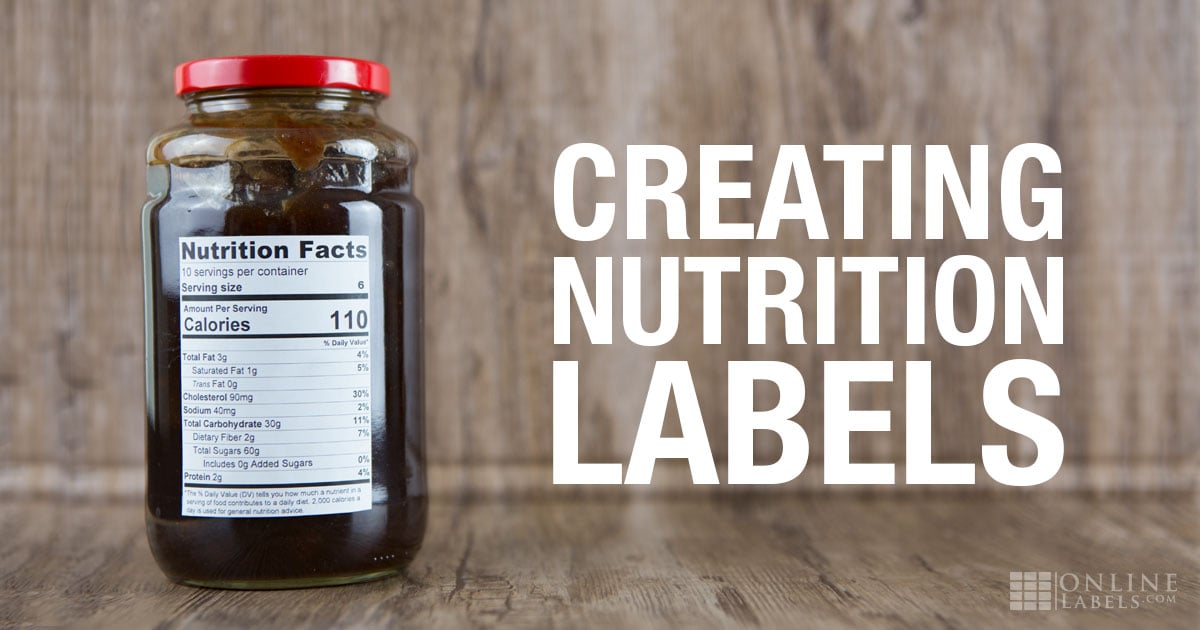
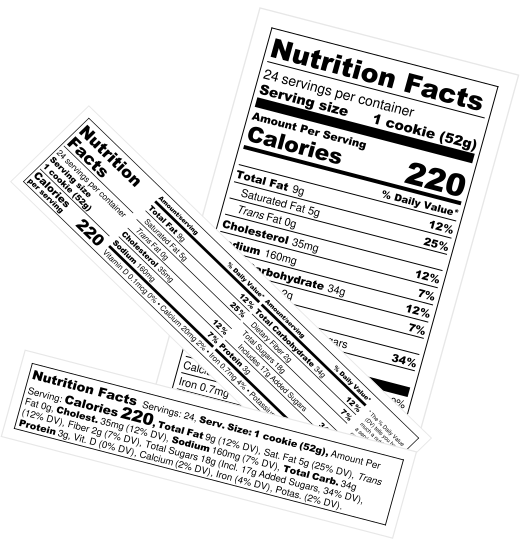
Often, these regulations require specific formats, such as the Nutrition Facts panel in the U.S., which has distinct sections for serving size, calories, and daily value percentages. If you’re exporting, familiarize yourself with international standards. Proper adherence not only keeps you compliant but also helps build consumer trust.
Common Pitfalls To Avoid
Avoiding pitfalls in labeling can save you from costly mistakes. One common error is inaccurate serving sizes, which can mislead consumers. Double-check your measurements and calculations. Is the serving size realistic and reflective of how consumers actually use the product?
Another pitfall is omitting key nutritional information. Have you ever bought a product only to find out later it contained an allergen you needed to avoid? Ensure all ingredients are clearly listed and highlighted if they’re potential allergens. It’s vital for consumer safety and satisfaction.
Finally, don’t underestimate the importance of clear and readable font sizes. Have you ever squinted at a label trying to decipher tiny text? Make sure your label is easy to read; it enhances the consumer experience and prevents misunderstandings.
As you embark on creating labels for your products, remember to ask yourself: Are these labels serving the purpose of informing and protecting my consumers? Your diligence in meeting labeling requirements not only ensures compliance but also enriches customer trust and loyalty.
Diy Nutrition Calculation
Discovering nutrition facts for your product can be simple. Begin by listing all ingredients and their quantities. Use online databases to find nutritional values per ingredient, then calculate totals for your recipe.
Calculating nutrition facts for your product can be a rewarding DIY project. It empowers you to understand exactly what goes into your food. Plus, it can save you money on professional analyses. But how exactly do you get started? Let’s break down the process into simple, actionable steps.Step-by-step Process
Start by listing all the ingredients in your product. Ensure you note the quantity of each ingredient. This is crucial because the nutritional value is based on these amounts. Next, gather nutritional data for each ingredient. Use trusted sources like food labels or reliable websites. This data typically includes calories, protein, fat, carbohydrates, and other nutrients. Calculate the total nutritional content of your product. Multiply the nutritional values of each ingredient by their respective quantities. Add these totals to get the overall nutrition profile of your product. Finally, adjust serving sizes to fit your needs. Divide the total nutritional values by the number of servings in your product. This gives you the nutrition facts per serving.Tools And Resources Needed
You don’t need fancy equipment to calculate nutrition facts. A basic kitchen scale is essential for measuring ingredient quantities accurately. A calculator or spreadsheet software is handy for crunching numbers. Online databases can be invaluable resources. Websites like the USDA Food Database provide detailed nutritional information. These tools help ensure your calculations are accurate and reliable. Many smartphone apps can also assist in this process. They allow you to input ingredients and automatically calculate nutrition facts. This can save you time and reduce the chance of errors. Have you ever wondered about the nutritional content of a family recipe? Calculating it yourself can bring surprising insights. You might discover it’s healthier—or more indulgent—than you thought.Case Studies Of Successful Implementation
Understanding nutrition facts can elevate your product’s market presence. Real-world examples highlight successful strategies. These case studies show how businesses effectively implemented nutrition facts labeling. Learn from their experiences to apply similar tactics to your products.
1. ABC Granola’s Journey to TransparencyABC Granola faced customer demands for transparency. They decided to provide detailed nutrition facts. This move increased customer trust. Their sales grew by 20% within six months. ABC Granola used a third-party service to verify their nutrition data. This ensured accuracy and compliance with regulations.
2. XYZ Beverage’s Collaboration with NutritionistsXYZ Beverage partnered with nutritionists to develop their labels. This collaboration ensured precise nutrient calculations. The team tested samples in certified labs. The results were then used to create comprehensive labels. This approach boosted consumer confidence in their product.
3. Healthy Snack Co.’s Digital ApproachHealthy Snack Co. introduced a digital solution for nutrition facts. They created an app that provides detailed product information. Customers could scan the packaging for instant access to nutrition details. This technology-driven solution attracted tech-savvy consumers. It also led to a 15% increase in sales.
4. Organic Foods Ltd.’s Educational CampaignOrganic Foods Ltd. launched an educational campaign about their nutrition facts. They used social media to share how they calculate nutrition values. This transparency educated consumers about their products. It helped build a loyal customer base. Their campaign led to increased engagement and product awareness.
5. Local Bakery’s In-House Nutrition AnalysisA local bakery chose to conduct in-house nutrition analysis. They trained staff to measure and record nutrition data. This hands-on approach ensured freshness and accuracy. It resonated with their community-focused branding. Customers appreciated the personal touch and attention to detail.
Credit: www.onlinelabels.com
Credit: www.recipal.com
Frequently Asked Questions
How Do I Get Nutrition Facts On My Product?
To get nutrition facts for your product, analyze ingredients and serving sizes. Use online calculators or hire a professional. Ensure compliance with local regulations.
How To Calculate Nutritional Information For A Product?
Use a food database or nutrition software to input ingredients and calculate values. Measure portions accurately. Verify against nutrition labels for precision. Adjust for cooking losses. Consult a nutritionist if needed. Ensure compliance with regulations.
Is It Legal To Sell Food Without Nutrition Facts?
Selling food without nutrition facts is often legal for small businesses and local vendors. However, packaged foods usually require labeling by the FDA. Compliance may vary based on location and food type. Check local regulations to ensure compliance.
Can I Make My Own Nutrition Facts Label?
Yes, you can create your own Nutrition Facts label. Use label templates and software tools for accuracy. Ensure compliance with FDA guidelines and include necessary nutritional information. Consider hiring a professional for precise labeling, especially if selling products.
Conclusion
Finding nutrition facts for your product is essential. Consumers want transparency. Clear labels build trust. Start with accurate data collection. Use reliable sources and tools. Seek professional guidance if needed. Ensure compliance with regulations. This process can enhance your brand image.
It shows commitment to health and quality. Accurate nutrition information meets customer needs. It supports informed choices. Your product gains credibility and appeal. Stay updated on nutrition standards. This keeps your product competitive. Remember, honesty in labeling matters. Your effort benefits both your business and your customers.