Imagine your product on store shelves, standing out with a clear, trustworthy nutrition label. This label isn’t just a piece of packaging; it’s a powerful tool that speaks directly to your customers.
It tells them what’s inside, how it can fit into their lifestyle, and why they should choose your product over others. Getting a nutrition label for your product isn’t just about compliance; it’s about building trust and enhancing your brand’s reputation.
You might be wondering where to start, or how complicated the process might be. Don’t worry—it’s simpler than you think. You’ll discover straightforward steps to obtain a nutrition label that can boost your product’s appeal and set it on the path to success. Ready to make your product shine? Let’s dive in!

Credit: labelcalc.com
Importance Of Nutrition Labels
The importance of nutrition labels is undeniable in today’s health-conscious world. Consumers rely on these labels to make informed choices. Understanding what goes into their bodies is crucial. These labels provide essential information about ingredients, calories, and nutrients. They help individuals manage dietary needs and preferences.
Why Nutrition Labels Matter
Nutrition labels are not just a formality. They are vital for transparency. Consumers can compare products and choose healthier options. Labels highlight key nutritional facts, aiding in balanced diet decisions. They inform about serving sizes, making portion control easier.
Building Trust With Consumers
Nutrition labels build trust between brands and consumers. Brands showing honesty in labeling gain customer loyalty. Accurate labels reflect a company’s commitment to health. They demonstrate a brand’s dedication to quality and safety.
Compliance With Regulations
Nutrition labels ensure compliance with health regulations. They meet legal requirements set by food authorities. Labels prevent misinformation and protect consumers from false claims. Proper labeling shields brands from legal issues.
Supporting Health Goals
Nutrition labels support personal health goals. They help track calorie intake and nutrient consumption. Labels guide those with specific dietary restrictions. They offer clarity for people managing health conditions.
Educating Consumers
Nutrition labels educate consumers about food content. They clarify complex ingredient lists. Labels simplify understanding of fats, sugars, and carbohydrates. They empower individuals to make better food choices.
Regulatory Requirements
Navigating regulatory requirements for nutrition labels ensures your product meets legal standards. Begin by gathering accurate ingredient information. Consult official guidelines for serving sizes and nutrient values. This process helps consumers make informed choices and builds trust in your brand.
Understanding the regulatory requirements for nutrition labels is essential for any business that wants to sell food products. Navigating these rules can feel overwhelming, especially for small businesses or startups. Yet, adhering to these regulations is crucial not only for compliance but also for building trust with your consumers.Understanding The Legal Framework
Every country has its own set of rules regarding nutrition labels. In the United States, the Food and Drug Administration (FDA) sets the guidelines. In the EU, it’s the European Food Safety Authority. Knowing which body governs your product is the first step.Key Components Of A Nutrition Label
A nutrition label must include specific information such as serving size, calories, and nutrients. This might seem like a lot, but each element has its importance. Accurate serving sizes help consumers manage portion control, while detailed nutrient information aids in making healthier choices.Steps To Ensure Compliance
Start by gathering your product’s nutritional data. Lab tests can provide accurate details. Once you have the data, use a nutrition label generator or consult a professional to create your label. Double-check the label against regulatory guidelines before printing. Watch out for inaccuracies in serving sizes or nutrient values. Misleading information can lead to legal issues. Another common pitfall is neglecting to update labels when recipes change. Always keep your labels current to avoid complications.Why Compliance Matters
Being compliant isn’t just about avoiding fines. It’s about integrity and transparency. Your consumers trust you to provide honest information. Would you want to purchase a product with questionable labels? By understanding and following these regulatory requirements, you not only ensure legal compliance but also enhance your brand’s credibility. Your label becomes a testament to your commitment to quality and transparency.Identifying Necessary Nutrient Information
When it comes to launching a new product, understanding the importance of accurate nutrition labeling is crucial. Identifying the necessary nutrient information is not only a regulatory requirement but also a tool to communicate with your customers about the benefits of your product. Whether you’re a small business owner or a passionate home chef, learning how to gather and present this information effectively can make a significant difference in your product’s success.
Understanding What Needs To Be Included
First, pinpoint the essential nutrients that your product offers. Think about the ingredients that make up your product. Are there components rich in proteins, vitamins, or minerals? Determine the key elements that contribute to the nutritional profile of your product.
Consulting Reliable Sources
Use trusted resources to gather nutrient data. Websites like the USDA FoodData Central can provide comprehensive information. You might also consider consulting a dietitian or nutritionist for expert advice. They can help ensure that the data you present is both accurate and beneficial to your customers.
Analyzing Your Product’s Unique Nutrients
What makes your product stand out nutritionally? Is there a superfood ingredient that adds unique value? Highlight these aspects to attract health-conscious consumers. Remember, clarity is key in showcasing these benefits.
Organizing Nutrient Information For Clarity
Arrange the nutrient information in a way that’s easy for your customers to understand. Use bullet points or tables for quick readability. Organize details logically, starting with macronutrients like fats and proteins, then moving to micronutrients such as vitamins and minerals.
Considering Consumer Health Trends
Are there specific health trends your product aligns with? Gluten-free, keto, or vegan options might be appealing to certain audiences. Stay informed about these trends to better tailor your product’s nutritional label.
Have you ever wondered what drives consumers to pick one product over another? Sometimes, it’s the clarity and appeal of the nutrition label that makes all the difference. By meticulously identifying and organizing the necessary nutrient information, you not only comply with regulations but also build trust and transparency with your customers.
Choosing A Reliable Testing Lab
Finding the right testing lab is crucial for accurate nutrition labeling. Select a lab with proper certifications to ensure reliable results. Compare services, reviews, and costs to make an informed choice for your product’s label needs.
Choosing a reliable testing lab is a critical step in obtaining a nutrition label for your product. This decision can impact the accuracy and credibility of your nutritional information. A reliable lab ensures that your product meets regulatory standards and builds trust with your consumers. But how do you choose the right one?Understand Your Product’s Needs
Before selecting a lab, consider what your product requires. Is it a simple analysis of basic nutrients, or does it need detailed testing for vitamins and minerals? Different products have different requirements. Make sure the lab you choose can cater to your specific needs.Check Accreditation And Certifications
Ensure that the lab you choose is accredited by relevant authorities. Accreditation demonstrates that a lab meets international standards and is competent in its testing capabilities. Look for certifications that align with industry standards. These certifications are a testament to the lab’s reliability and accuracy.Evaluate Experience And Expertise
Consider the lab’s track record in testing similar products. Experience often brings efficiency and precision to the process. Does the lab have experts who understand the nuances of your product category? Expertise can significantly enhance the quality of the results.Request Transparency And Communication
A reliable lab should be transparent about its methods and processes. They should be open to explaining the testing procedures and interpreting the results for you. Good communication is key. A lab that keeps you informed at every stage helps you stay confident in the results.Consider Turnaround Time And Costs
How quickly do you need the results? Some labs offer expedited services, but it may cost more. Compare the costs of different labs, but remember that the cheapest option isn’t always the best. Consider the balance between cost, speed, and quality.Seek Recommendations And Reviews
Ask peers or industry contacts for recommendations. Personal experiences can provide valuable insights into a lab’s reliability. Online reviews can also be helpful, but take them with a grain of salt. Look for patterns in feedback rather than isolated comments.Choosing the right testing lab is not just about ticking a box for regulations. It’s about ensuring your product’s integrity and winning your customers’ trust. What steps will you take to ensure you’re making the best choice?
Gathering Accurate Product Data
Creating a nutrition label requires precise product data. Accurate data ensures the label reflects true nutritional content. Start with gathering detailed information about each ingredient.
Consider the quantity of each component. Include vitamins, minerals, and additives. The more detailed, the better. This data forms the foundation of your nutrition label.
Identifying Ingredients
List every ingredient in your product. Write down their names clearly. Be specific about types and sources. For example, specify if sugar is cane or beet sugar. Accurate ingredient listing is vital.
Measuring Nutrient Content
Measure nutrient content accurately. Use reliable sources or lab tests. Note the amounts of proteins, fats, and carbohydrates. Include dietary fiber and sugars. These measurements are key for a truthful label.
Recording Serving Sizes
Determine the standard serving size. This affects nutrient calculations. Make sure it reflects typical consumption. Consistency in serving size helps consumers compare products easily.
Updating Ingredient Changes
Update data with any ingredient changes. New suppliers or formulations require updates. Keep records current to maintain accurate labels. Regular reviews help ensure compliance.
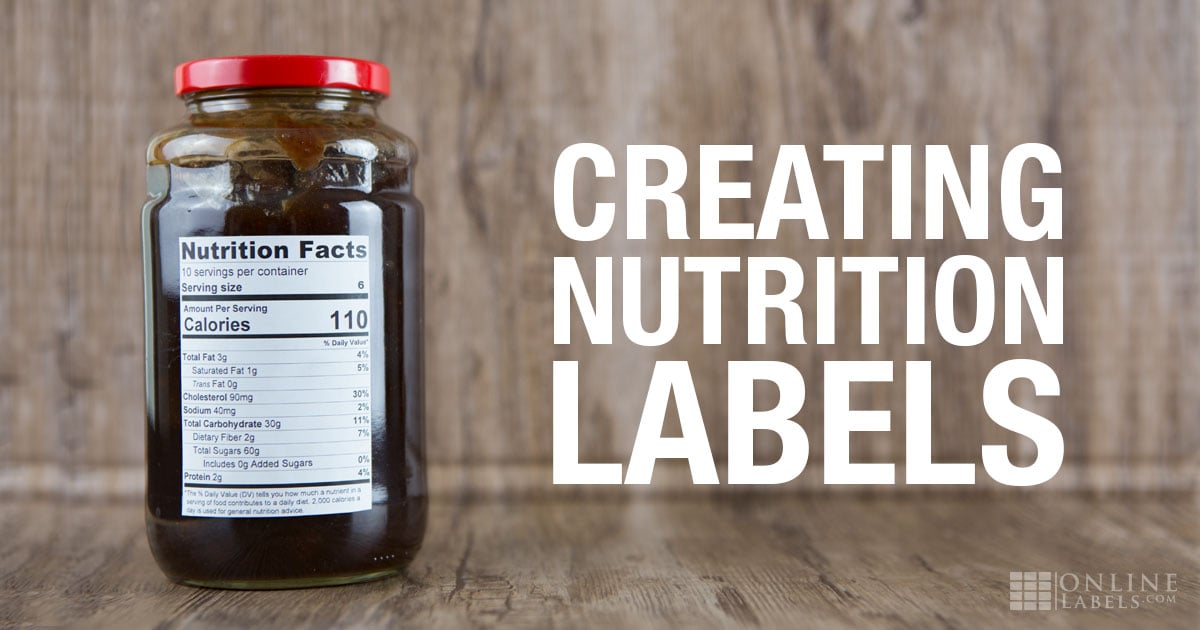
Credit: www.onlinelabels.com
Designing The Label
Creating a nutrition label involves understanding regulatory requirements and gathering accurate product information. Essential steps include calculating nutritional content and ensuring label readability. Collaborate with professionals for compliance and accuracy.
Designing the label for your product is a crucial step in ensuring that your customers have all the information they need. A well-designed label not only complies with legal requirements but also enhances your brand’s image and helps you stand out on the shelves. But what makes a nutrition label effective and compliant? Let’s dive into the key elements you need to include and how to ensure your label meets all standards.Key Elements To Include
Your nutrition label should be clear, concise, and informative. It should include: – Serving Size: Clearly state the amount that constitutes one serving. This helps consumers understand how much of the product they are consuming. – Calories: Display the calorie count prominently. People often look at calories first when checking nutritional information. – Macronutrients: Include details about total fat, saturated fat, cholesterol, sodium, total carbohydrates, dietary fiber, sugars, and protein. This information helps consumers make healthier choices. – Micronutrients: Highlight key vitamins and minerals. This can be a great selling point if your product is rich in essential nutrients. – Footnote and Daily Values: Provide a footnote explaining the percentage of daily values based on a 2,000-calorie diet. This helps customers understand how a serving fits into their daily nutrition needs. Consider using a clean and readable font. Avoid cluttering the label with too much information. Think about what you want your consumers to notice first.Ensuring Compliance With Standards
Compliance is non-negotiable. You need to make sure your label adheres to the standards set by regulatory bodies like the FDA in the United States. – Use Accurate Measurements: Double-check all nutritional data. Incorrect information can lead to fines or product recalls. – Follow Labeling Formats: Use the standard format for nutrition labels. Consistency in labeling helps consumers easily compare products. – Allergy Information: Clearly indicate any potential allergens. This is not just about compliance but also about building trust with your consumers. – Health Claims: Be cautious with health claims. Ensure they are substantiated and meet the regulatory guidelines. A friend of mine once launched a health bar, only to realize the font size of the calories was too small, leading to compliance issues. Don’t let minor mistakes cause major headaches. Are you certain that your label not only informs but also complies? Double-checking can save you from costly mistakes. Balancing creativity with compliance might seem challenging, but it’s essential for a successful product.Using Nutrition Labeling Software
Creating a nutrition label for your product can be challenging. Using nutrition labeling software simplifies this process. This software provides an efficient way to generate accurate labels. It ensures compliance with regulations, saving time and resources. Let’s explore how this software can help.
Understanding Nutrition Labeling Software
Nutrition labeling software is a digital tool. It calculates nutritional values based on your product’s ingredients. You input the data, and the software does the rest. It generates a label that meets legal requirements. This makes it easier for businesses to comply with health regulations.
Benefits Of Using Nutrition Labeling Software
One benefit of using this software is accuracy. Manual calculations can lead to errors. The software minimizes mistakes by automating the process. It also saves time. You don’t need to spend hours calculating values. The software does it quickly, freeing up time for other tasks.
Choosing The Right Software For Your Needs
Choosing the right software is crucial. Consider your business size and budget. Some software offers advanced features, but they may be costly. Ensure the software is user-friendly. You should be able to navigate it easily without technical skills.
Steps To Create A Nutrition Label Using Software
First, gather all ingredient details. Next, input these into the software. Follow the software prompts to generate your label. Double-check all information for accuracy. Finally, print or export the label for packaging.
Ensuring Compliance With Regulations
Regulations vary by region. Ensure the software adheres to local guidelines. Check for updates regularly. This keeps your labels compliant and avoids penalties. Using software ensures you meet these standards effortlessly.

Credit: universityhealthnews.com
Reviewing And Approving The Label
Obtaining a nutrition label involves careful review and approval. Experts ensure accurate nutritional information and compliance with regulations. This step guarantees your product label meets industry standards and provides clear information to consumers.
Creating a nutrition label for your product is a crucial step in ensuring transparency and trust with your customers. Once you have gathered all the necessary nutritional information, the next step is reviewing and approving the label. This phase is essential to ensure that the label meets all legal requirements and accurately represents the product. A well-reviewed label can significantly enhance your brand’s credibility and help build customer loyalty.Understanding Regulatory Requirements
You need to familiarize yourself with the regulatory standards that apply to nutrition labels in your region. Each country has specific guidelines that dictate what must be included on the label, from serving sizes to nutrient content. Are you aware of the latest regulations affecting your industry? Staying updated can save you from costly mistakes and ensure compliance.Ensuring Accuracy And Clarity
Accuracy is crucial when it comes to nutrition labels. Misleading information can lead to customer dissatisfaction and legal issues. It’s vital to cross-check all data sources and verify the nutritional values. A clear and easy-to-read label benefits both your product and your consumers. Use straightforward language and avoid technical jargon. Would your grandmother understand your label at a glance?Seeking Professional Assistance
Consider consulting a professional, such as a dietitian or a food scientist. They can provide invaluable insights and help spot errors you might overlook. Investing in expert help can pay off in the long run, ensuring your label is both accurate and compliant. Have you ever thought about the benefits of having a second pair of eyes? Sometimes, a fresh perspective can make all the difference.Conducting A Final Review
Before approving the label, conduct a thorough final review. Look for any inconsistencies or errors, and ensure that all regulatory requirements are met. Could a small typo undermine your brand’s credibility? Attention to detail is key in maintaining customer trust and avoiding potential legal issues.Approving And Printing The Label
Once you are confident that the label is accurate and compliant, you can approve it for printing. This marks the transition from concept to reality, as your product becomes ready for the market. Does your label truly reflect your brand values? A well-crafted label is not just a legal requirement but an opportunity to communicate with your customers.Costs And Budget Considerations
Understanding costs for obtaining a nutrition label is essential. Budget considerations include label design, lab testing, and regulatory fees. Careful planning ensures compliance while managing expenses effectively.
When you’re planning to get a nutrition label for your product, understanding the costs and budget considerations is crucial. Costs can vary significantly based on a few factors such as the complexity of your product, the number of ingredients, and the services you choose. Budgeting effectively can help you avoid unexpected expenses and streamline the process.Understanding The Cost Components
Your first step is to break down the costs involved. You’ll need to consider laboratory testing fees, which can range from $300 to $1,000 depending on the complexity of the analysis. If you opt for a professional nutritionist or a lab service, additional fees might apply.Diy Vs. Professional Services
Are you considering doing it yourself or hiring a professional? Doing it yourself might seem cost-effective initially. However, the risk of errors could lead to costly revisions or regulatory issues later.Factors Influencing Costs
The number of ingredients in your product will influence the cost. Each additional ingredient requires more detailed analysis. Also, if your product needs allergen testing or specific health claims, expect the costs to rise.Budgeting For Hidden Costs
Have you considered potential hidden costs? Revisions and updates to your product formula can lead to additional labeling costs. Make sure to allocate a buffer in your budget for these unforeseen expenses.Cost-saving Tips
Looking for ways to save? Consider using online tools for preliminary assessments. These tools can provide a rough estimate of nutritional values, helping you refine your product before sending it to a lab.Weighing Quality Against Cost
Does a lower price mean lower quality? Not necessarily, but it’s vital to ensure that whoever you hire understands the regulatory requirements and standards. Quality should always be a priority to ensure your product’s success.Setting Your Budget
How much should you set aside? Start by estimating the total costs based on the factors we’ve discussed. Make sure your budget aligns with your business goals and the quality standards you aim to meet. Remember, getting a nutrition label is an investment in your product’s credibility and marketability. Are you ready to make the most of this opportunity?Common Mistakes To Avoid
Navigating nutrition label requirements can be tricky. Overlooking ingredient details might lead to inaccurate labels. Double-checking the nutritional facts ensures compliance and consumer trust.
Creating an accurate nutrition label for your product is crucial, not just for compliance but also for consumer trust. It’s easy to make mistakes that can lead to misinformation or even legal issues. Whether you’re a seasoned producer or a newbie in the food industry, avoiding these common errors is essential for your label’s success.1. Miscalculating Serving Sizes
You might think serving sizes are straightforward, but they can be tricky. Incorrect serving sizes can mislead consumers about the nutritional content of your product. Ensure you measure portions accurately and reflect realistic consumption habits. Have you ever picked up a snack and realized the serving size was much smaller than you expected? That’s a classic mistake in labeling.2. Overlooking Ingredient Specifics
Each ingredient in your product impacts the nutritional profile. Failing to list or inaccurately listing ingredients can cause confusion or allergies. Double-check ingredient lists for completeness and accuracy. Imagine someone with a nut allergy picking up your product because you missed noting ‘almonds’ on the label.3. Misreporting Nutritional Values
Accurate nutritional values are a must. Using outdated or incorrect data can lead to false information on your label. Make use of reliable sources or software to verify numbers. Think about how misleading it would be if your “low-sugar” product had more sugar than advertised.4. Neglecting Regulatory Compliance
Regulations vary by region, and ignoring them can lead to hefty fines or product recalls. Stay updated with local laws and guidelines for nutrition labeling. Ask yourself: is your label compliant with the latest FDA regulations?5. Skipping Professional Help
DIY can be tempting, but professional guidance ensures accuracy and compliance. Nutritionists or labeling experts can spot errors you might miss. Have you ever tried to fix a leaky sink only to call the plumber later? Similarly, experts can save you from costly mistakes.6. Ignoring Consumer Feedback
Your consumers can offer insights into how they perceive your labels. Dismissing feedback might mean missing out on valuable improvements. Engage with your audience and consider their suggestions seriously. Have you ever wondered how many people might be misled by unclear labels? Avoiding these common mistakes not only keeps you compliant but also builds trust with your customers. Be proactive in ensuring your labels are accurate and consumer-friendly.Frequently Asked Questions
How Can I Get Nutritional Information For My Product?
Access nutritional information by consulting a nutritionist or using online tools like food databases. Analyze ingredients accurately.
How Much Does It Cost To Get A Nutrition Label?
Creating a nutrition label costs between $150 to $1,000, depending on complexity and service provider. Online tools are cheaper.
Is It Illegal To Sell Food Without A Nutrition Label?
Selling food without a nutrition label can be illegal depending on the jurisdiction and type of food. Some exceptions exist, such as small businesses or certain direct-to-consumer sales. Always check local regulations to ensure compliance with labeling laws to avoid potential legal issues.
Can I Make My Own Nutrition Labels?
Yes, you can create your own nutrition labels. Use online tools or software to ensure accuracy and compliance with FDA guidelines. This includes listing calories, fats, carbohydrates, proteins, and other essential nutrients. Always double-check information to maintain credibility and accuracy.
Conclusion
Getting a nutrition label for your product is straightforward. Follow the steps carefully. Ensure your product information is accurate. Use the right tools to create the label. Verify the data with trusted sources. Clear labels build trust with customers. They help consumers make informed choices.
A well-designed label can boost your product’s appeal. It shows you care about transparency. Start today, and make your product stand out. The label is your bridge to customer confidence. It’s more than just information; it’s your brand’s promise.