Imagine you’re about to cook a delicious meal, but you’re curious about the nutritional content of your recipe. You want to know the calories, fat, protein, and other nutrients that will be on your plate.
Understanding these details can help you make healthier choices and tailor meals to fit your dietary needs. But where do you start? How do you get this valuable nutritional information without feeling overwhelmed? This guide is here to simplify the process and empower you with the tools you need to decode any recipe’s nutritional profile.
Dive in, and discover how easy it can be to make informed, nutritious choices for you and your loved ones.
Why Nutritional Information Matters
Understanding nutritional information is crucial for maintaining a healthy lifestyle. It helps in making informed dietary choices. With accurate data, you can manage your diet effectively. It ensures balanced meals that support your health goals.
Nutritional information guides your food choices. It shows what your body consumes. Knowing this helps you avoid unwanted calories. It can prevent excess sugar and unhealthy fats. It promotes mindful eating habits.
Understanding Portion Control
Portion control is essential for managing weight. Nutritional data helps with this. It indicates how much you should eat. You can prevent overeating by knowing portion sizes. It assists in maintaining a balanced diet.
Managing Health Conditions
Some health conditions require specific diets. Nutritional information aids in this process. It helps in tracking nutrients needed for your health. You can tailor meals to your dietary needs. This supports overall well-being.
Achieving Fitness Goals
Nutrition plays a key role in fitness. Knowing what you eat supports your goals. It helps in tracking protein and carbs intake. This ensures you meet your fitness targets. You can optimize meals for energy and recovery.
Reading Food Labels
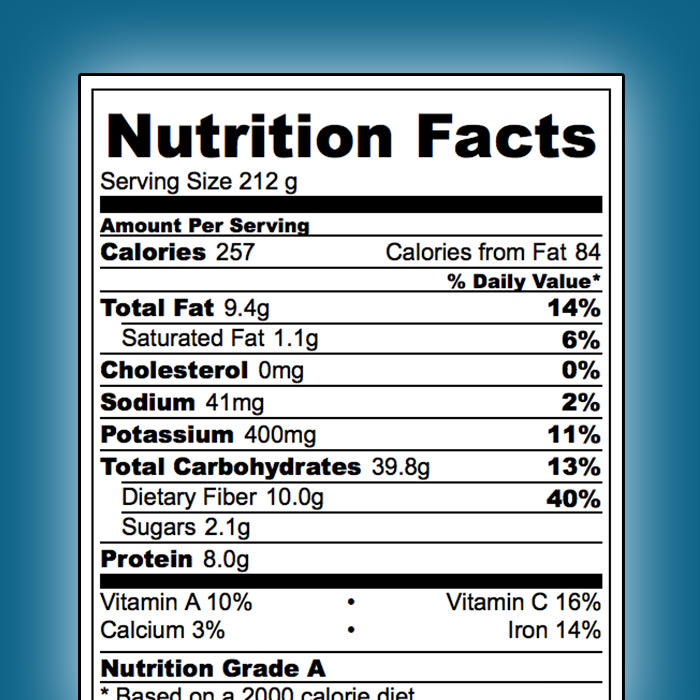
Discovering nutritional information for a recipe starts with reading food labels. Check serving sizes, calorie counts, and nutrient details. Transform ingredients into a balanced meal by understanding fats, proteins, and carbs.
Reading food labels is essential for understanding a recipe’s nutritional content. They provide vital information about ingredients and nutrients. Knowing how to read them can help make healthier choices.Understanding Serving Size
Serving size is the first thing to check. It tells you the recommended portion. All nutritional information is based on this amount. If you eat more, adjust the nutritional values accordingly.Checking Calories
Calories show the energy you get from food. This helps manage daily calorie intake. It’s important for weight control and energy balance.Identifying Macronutrients
Macronutrients are fats, proteins, and carbohydrates. These are vital for energy and growth. Check the amount of each per serving.Recognizing Daily Value Percentages
Daily Value percentages guide your daily nutrient needs. They show how much a serving contributes to your diet. Aim for higher percentages in vitamins and minerals.Spotting Added Sugars
Added sugars increase calorie intake without nutrients. Look for them in the ingredients list. Reducing added sugars can improve health.Understanding Ingredient Lists
Ingredients are listed by weight, from most to least. The first few ingredients are the main components. Avoid products with unhealthy ingredients at the top.Using Online Nutritional Databases
In today’s digital age, accessing nutritional information for your favorite recipes is easier than ever, thanks to online nutritional databases. Whether you’re trying to keep track of calories or want to know the vitamin content of a meal, these databases are invaluable tools. They provide detailed insights into the nutritional makeup of ingredients and help you make informed choices. Have you ever wondered if that homemade smoothie is as healthy as you hope? With online nutritional databases, you can find out in just a few clicks.
Finding The Right Database
Not all nutritional databases are created equal. Some offer extensive information on a wide range of foods, while others might focus on specific dietary needs. Start by searching for databases that align with your goals. For instance, if you’re tracking macros, seek out databases that include detailed protein, fat, and carbohydrate breakdowns. Are you looking to manage your sodium intake? Make sure the database covers mineral content thoroughly.
Understanding Database Features
Most databases have unique features that enhance their usability. Look for tools that allow you to enter custom recipes and get a nutritional breakdown. Some databases even offer user-friendly interfaces where you can drag and drop ingredients into virtual recipe boxes. This feature is particularly handy when you’re experimenting with new dishes and want to see how each ingredient impacts the nutritional profile.
Accuracy And Updates
Accuracy is crucial when evaluating nutritional data. Trust databases that regularly update their information and reflect changes in food labeling laws. Check if they offer data from verified sources. This ensures the information you’re using is reliable and up-to-date. Have you ever found discrepancies in nutritional data across different platforms? It’s worth cross-referencing with multiple databases to get the most accurate picture.
Making It Work For You
Using online nutritional databases can transform how you approach your diet. Consider entering not just recipes but also individual meals to monitor your daily intake. Keep a digital journal of your favorite recipes and their nutritional profiles. Have you noticed patterns in your eating habits? These insights can help tailor your diet to better meet your health goals.
Engaging With Community Insights
Many databases also host community forums where users share their findings and tips. Engaging with these communities can offer unexpected insights and practical advice. Have you ever stumbled upon a recipe tweak that made your dish healthier? Sharing your own experiences can foster valuable discussions and enhance your nutritional knowledge.
Online nutritional databases are powerful tools for anyone looking to optimize their diet. Dive into these resources and discover how easy it is to make informed decisions about what you eat. With the right database, you have the power to transform your recipes and, ultimately, your health. What nutritional revelation will you uncover today?
Recipe Nutrition Calculators
Discover nutritional details with recipe nutrition calculators. Input ingredients, and get instant data on calories, vitamins, and more. Perfect for meal planning, ensuring balanced diets with ease.
Understanding the nutritional content of a recipe can be a game-changer for anyone aiming to eat healthily or manage dietary restrictions. Recipe Nutrition Calculators are excellent tools for those interested in knowing exactly what they are consuming. These tools help you analyze the ingredients and provide detailed nutritional information, making it easier to meet your dietary goals.Benefits Of Online Calculators
Online nutrition calculators are incredibly user-friendly and accessible. They save you the time and effort of manually calculating nutritional values. With just a few clicks, you can understand the calorie count, fat content, protein levels, and more for any recipe. These calculators are also customizable. You can adjust portion sizes and ingredient quantities and instantly see how the nutritional information changes. This flexibility allows you to experiment with different ingredients to create healthier versions of your favorite meals. Using online calculators can also be educational. Over time, you’ll start to understand which ingredients are high in certain nutrients. This knowledge helps you make more informed decisions about your diet.Popular Nutrition Calculator Tools
There are several nutrition calculator tools available online that are both effective and easy to use. MyFitnessPal is a popular choice for many. It offers a comprehensive database of food items and allows you to input your recipes to get detailed nutritional information. The app even tracks your daily intake to help you meet your nutritional goals. Verywell Fit Recipe Nutrition Calculator is another excellent tool. It provides a straightforward interface where you can enter your recipe ingredients, and it instantly calculates the nutritional breakdown. This tool is particularly useful for those new to recipe nutrition. SparkPeople Recipe Calculator is also worth mentioning. It allows you to save your recipes and share them with a community of health enthusiasts. This feature can be motivating, as it encourages you to keep trying new, healthier recipes. Have you ever wondered why a particular dish leaves you feeling sluggish, or why another keeps you energized throughout the day? Using these tools can help you identify the nutritional culprits or champions in your meals. By understanding the nutritional content of your recipes, you can take control of your diet and health. Why not try one of these calculators today and see how it transforms your cooking and eating habits?Mobile Apps For Nutrition Tracking
In today’s fast-paced world, mobile apps for nutrition tracking have become a game-changer for those aiming to eat healthier. These apps provide instant access to nutritional information, making it easier to understand what you’re consuming. Whether you’re counting calories, monitoring sugar intake, or tracking protein levels, there’s an app for you. Think about how much simpler meal planning becomes when you can quickly check the nutritional content of your favorite recipes. How many times have you struggled to guess the calorie count of a homemade dish? With the right app, those days are over.
Features To Look For
When choosing a nutrition tracking app, focus on finding one with a user-friendly interface. You want an app that’s intuitive and doesn’t require a manual to navigate. Look for apps that offer a comprehensive database of foods, including brand names and restaurant meals. This ensures you can find nutritional info for almost any ingredient or dish. Consider the ability to scan barcodes for quick data entry; it saves time and reduces errors.
Customization is another key feature. Some apps allow you to set dietary goals, track macros, and even suggest recipes based on your nutritional needs. This personalized approach makes it easier to stay on track with your health goals. Do you prefer a visual representation of your nutritional intake? Some apps offer charts and graphs to give you a snapshot of your daily consumption. It’s like having a nutritionist in your pocket.
Recommended Apps
MyFitnessPal is a popular choice for its extensive food database and easy-to-use interface. With over six million foods in its database, you’ll rarely be left searching for nutritional information. Another great option is Lose It!, which focuses on weight loss through calorie tracking. It offers barcode scanning and a simple design that makes tracking effortless.
For those interested in macronutrient tracking, Cronometer provides detailed insights into vitamins and minerals. It’s perfect for anyone with specific dietary requirements. Fooducate is another app worth considering, as it offers a unique grading system for foods, helping you make healthier choices. Have you ever wondered how your homemade lasagna stacks up nutritionally? These apps can provide the answers, making you more informed about your food choices.
Why not give one of these apps a try? You might be surprised at how much easier it is to manage your nutrition with a little digital help. Imagine the peace of mind that comes from knowing exactly what’s in your meals.

Credit: www.amazon.com
Manual Calculation Techniques
Understanding the nutritional value of a recipe can help maintain a healthy diet. Manual calculation techniques offer a hands-on way to assess nutritional information. These techniques involve basic math and conversion skills, allowing you to determine nutritional details yourself. This approach can be both educational and empowering. Dive into the details below to learn more about these techniques.
Basic Math For Nutrition
Start by listing each ingredient in the recipe. Note the quantity and serving size. Each ingredient has a specific nutritional profile. You can find this information on packaging labels or online databases. Calculate calories, proteins, fats, and carbohydrates per serving. Add these values together for each ingredient. This sum gives the total nutritional content for the recipe.
Common Conversion Units
Understanding conversion units is crucial for accurate nutritional calculations. Common units include grams, ounces, cups, and tablespoons. For example, one cup of flour is approximately 120 grams. Convert measurements into a single unit for consistency. This ensures accurate nutritional data. Use online tools or charts for quick conversions. Knowing these conversions aids in precise nutritional analysis.
Consulting A Nutritionist
When trying to decipher nutritional information for a recipe, consulting a nutritionist can be a game-changer. A nutritionist can provide personalized insights that go beyond what a simple app or website can offer. They help tailor dietary advice to fit your unique health goals and preferences.
When To Seek Professional Help
Consider reaching out to a nutritionist if you’re dealing with specific health conditions like diabetes or allergies. They can offer guidance on how to modify recipes so you can enjoy your meals without compromising your health. Also, if you’re aiming to achieve specific fitness goals, such as muscle gain or weight loss, a nutritionist can fine-tune your diet.
Are you overwhelmed by conflicting nutritional advice online? A professional can cut through the noise and provide clarity. Their expertise helps you make informed decisions about the food you eat. You deserve accurate information tailored to your needs.
Questions To Ask Your Nutritionist
When you meet with a nutritionist, come prepared with questions. Ask about the nutritional value of key ingredients in your favorite recipes. This helps you understand how each component contributes to your dietary needs.
Inquire how to substitute ingredients without losing nutritional benefits. This can be particularly useful if you’re trying to make a dish healthier or fit specific dietary restrictions. Knowing alternatives keeps your meals diverse and interesting.
Have you ever wondered how to balance your meals throughout the day? Ask your nutritionist for meal planning tips that align with your lifestyle. This ensures that you get the most out of every meal, every day.
By consulting a nutritionist, you gain access to tailored advice that can transform your approach to cooking and eating. What’s one question you’ve always wanted to ask a nutritionist?
Credit: oneingredientchef.com
Tips For Accurate Measurement
Accurate measurement is crucial for getting nutritional information for recipes. Precision helps ensure each ingredient is properly accounted for. It also aids in creating consistent and delicious dishes. Explore these tips to measure ingredients accurately.
Using Kitchen Scales
Kitchen scales provide precise weight measurements for ingredients. This method surpasses using measuring cups for certain items. Flour and sugar can be compacted in cups, altering their volume. Scales eliminate guesswork. They ensure each ingredient is measured the same way every time. Choose digital scales for ease and accuracy. They display exact measurements quickly. Analog scales may require more guesswork. Always zero your scale before use. Place an empty bowl on it. Press the tare button to reset the scale to zero. This allows you to weigh only the ingredients.
Importance Of Consistent Measurement
Consistent measurement is vital for nutritional accuracy. Use the same tools for every recipe. Measuring cups and spoons vary by brand. Different shapes can lead to different volumes. Always use a full set from one brand. This guarantees uniformity across all recipes. Check the calibration of your tools often. Slight discrepancies can alter the nutritional profile. For liquids, ensure the cup is level. Eye-level checks prevent misreading. For dry goods, level off the top. Use a knife or flat edge. This removes excess and gives precise amounts.
Adapting Recipes For Health Goals
Finding nutritional information for a recipe involves checking food labels and using online calculators. Many websites provide detailed breakdowns of calories, proteins, and fats. This helps tailor recipes to specific health goals, ensuring balanced meals.
Adapting recipes to meet specific health goals can be a rewarding journey. It allows you to enjoy your favorite dishes while aligning with your dietary needs. Whether you aim for weight loss, muscle gain, or maintaining a balanced diet, small adjustments can make a big difference. Let’s explore how you can tweak your recipes to support your health goals.Modifying Ingredients
Choose whole grains instead of refined ones. Swap white rice for brown rice or quinoa. Use lean meats like chicken or turkey in place of beef. Incorporate more vegetables to increase fiber and vitamins. Replace sugar with natural sweeteners like honey or maple syrup. Opt for low-fat dairy products to reduce saturated fat intake. Use herbs and spices instead of salt for flavor.Balancing Macronutrients
Ensure your meals have protein, carbs, and fats. Add beans or lentils for plant-based protein. Choose complex carbohydrates like sweet potatoes or oats. Include healthy fats from avocados or nuts. Balance proteins by combining grains and legumes. Aim for a colorful plate to ensure nutrient diversity. Adjust portion sizes to fit your energy needs.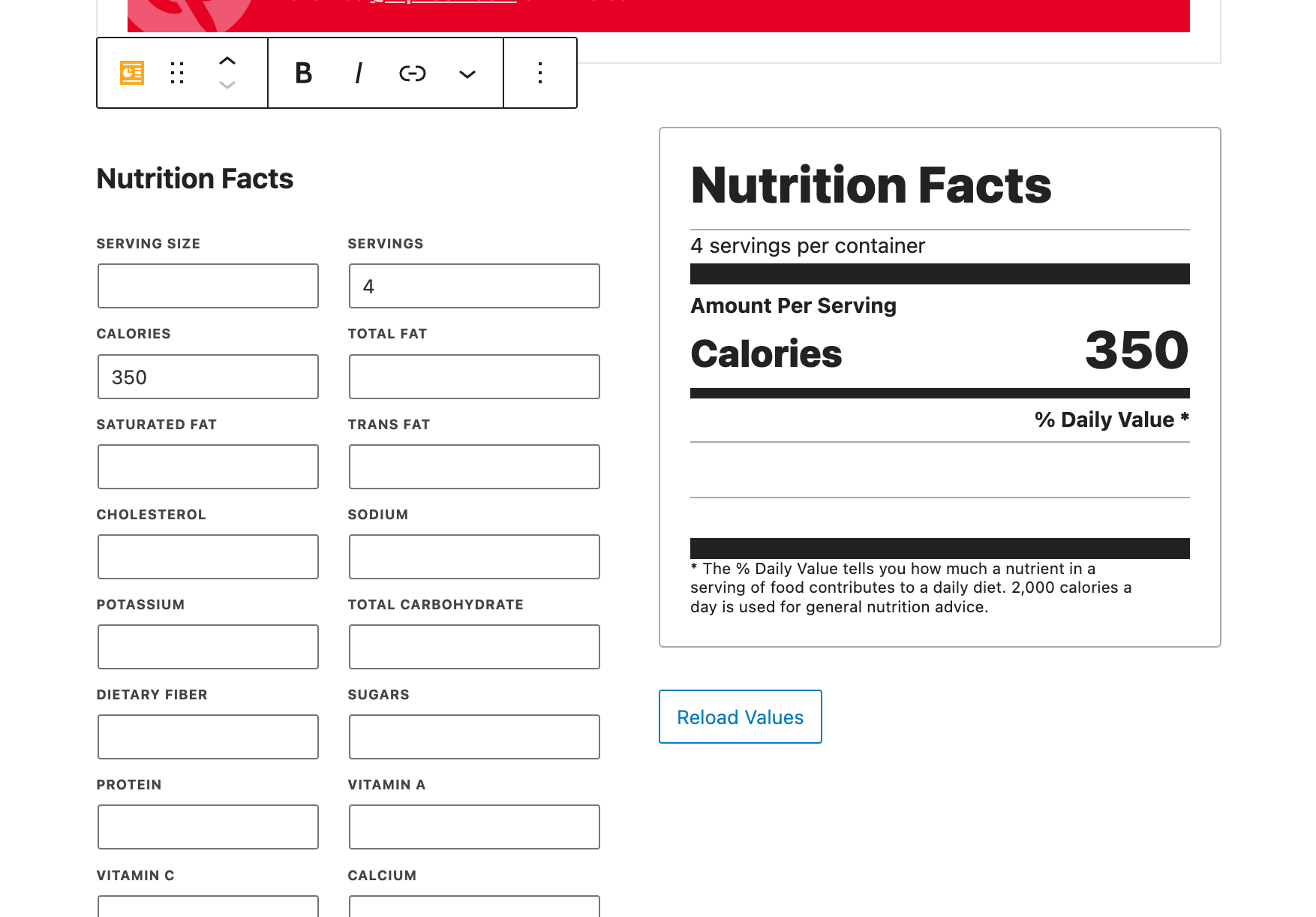
Credit: recipecard.io
Frequently Asked Questions
How Do I Get Nutritional Info For My Product?
Consult a nutritionist or use online nutritional analysis tools. Gather ingredient details and portion sizes for accurate results.
How To Find Out How Many Calories Are In A Food Item?
Check the food packaging label for calorie information. Use a calorie-tracking app or website for unlabelled items. Weigh the portion and search for its calorie content online. Consider consulting a nutrition database for accurate details.
Where Can I Get Nutritional Information?
Visit reputable websites like USDA, MyFitnessPal, or NutritionData for reliable nutritional information. Check product labels for details.
How Can I Find Recipe Nutritional Facts?
You can find nutritional facts using online tools like MyFitnessPal or NutritionData. Simply input your recipe ingredients. These tools will calculate the nutritional values. Many recipe websites also provide nutritional information directly on their pages.
Conclusion
Finding nutritional information for recipes can be simple. Use online tools or apps. They provide quick details. Always check labels on ingredients. They offer important data. Use reliable sources for accuracy. Calculating nutrients is helpful for healthy choices. Share your findings with friends.
Encourage mindful eating habits. Understanding nutrition boosts well-being. Keep experimenting with recipes. Adapt them for better health. Make informed decisions. Enjoy cooking with knowledge. Eating healthy doesn’t need to be hard. It’s about smart choices. Make nutrition a priority in every meal.
Small changes lead to big health benefits. Stay curious about what you eat.