
Are you ready to turn your passion for climbing into a thriving business? Opening a climbing gym might be the perfect venture for you.
Imagine creating a vibrant community hub where climbers of all levels come to challenge themselves, connect with others, and feel a sense of accomplishment. But how do you make this dream a reality? You might feel a mix of excitement and overwhelm at the thought of starting your own gym.
You’re not alone. Many aspiring entrepreneurs have been in your shoes, wondering about the steps needed to open a climbing gym that stands out. The good news is, with the right guidance, you can make informed decisions and avoid common pitfalls. You’ll discover the essential steps to open a successful climbing gym. From understanding the market to selecting the perfect location, you’ll find practical advice and insights to help you every step of the way. Get ready to transform your love for climbing into a rewarding business that brings joy to your community.
Market Research
Opening a climbing gym requires thorough market research. It’s crucial for long-term success. Understand your market to meet customer needs effectively. Discover potential challenges early on.
Identifying Target Audience
Identify who will visit your climbing gym. Are they beginners or experienced climbers? Families or solo adventurers? Knowing your audience helps tailor services and pricing. Create offerings that attract them. Use surveys and social media to gather insights. Understand their preferences and habits. This information guides marketing strategies.
Analyzing Competition
Analyze existing climbing gyms in your area. Study their strengths and weaknesses. What services do they offer? How do they price their memberships? Visit their gyms to experience the environment. Look at their customer reviews online. This research reveals market gaps. Find opportunities to offer something unique.
Location Feasibility
Selecting the right location is vital. Consider areas with high foot traffic. Proximity to schools and universities can be beneficial. Assess the local population’s interest in climbing. Check if there are any zoning restrictions. Ensure the site is accessible by public transport. Evaluate rental costs against your budget. A well-chosen location boosts your gym’s visibility and accessibility.

Credit: www.perfectgym.com
Business Plan Development
Developing a business plan is crucial for opening a climbing gym. It guides your decisions and helps secure funding. A well-structured plan increases your chances of success. Focus on your mission, financial projections, and marketing strategy.
Mission And Vision
Your mission defines your gym’s purpose. It tells why your gym exists. Your vision describes your future goals. This helps in setting a clear path. Align these with your values and objectives. This attracts like-minded customers and staff.
Financial Projections
Financial projections estimate your gym’s future earnings. Create a budget for equipment, rent, and staffing. Estimate monthly income from memberships and classes. Include startup costs and expected profits. This helps attract investors and manage finances.
Marketing Strategy
Build a marketing strategy to reach your audience. Identify your target market. Use social media to share updates and promotions. Host events and workshops to create interest. Develop partnerships with local businesses. This increases visibility and draws in members.
Legal Requirements
Opening a climbing gym requires meeting legal requirements. Obtain necessary permits and licenses. Ensure compliance with safety standards for equipment and facilities.
Opening a climbing gym is an exciting venture, but understanding the legal requirements is crucial to avoid potential pitfalls. Missing a critical permit or not having the right insurance can halt your progress before you’ve even begun. By taking the time to understand and meet these requirements, you set a strong foundation for your business.Permits And Licenses
To launch your climbing gym, you’ll need to secure several permits and licenses. Zoning permits are vital to ensure your location is legally allowed to operate as a gym. You may need a business license from your city or county to legally operate. Don’t forget the importance of a building permit if you’re constructing new features or modifying existing structures. A friend of mine overlooked this step and faced costly delays. To prevent this, check with your local government offices early in the process.Insurance Needs
Insurance is your safety net in the climbing gym business. General liability insurance protects you from claims related to injuries or accidents on your premises. This is non-negotiable in a high-risk environment like a climbing gym. You’ll also need property insurance to cover damages to your building and equipment. One gym owner I know had a small fire that could have destroyed their business without the right coverage. Think about your unique needs—do you have outdoor climbing areas? Consider additional coverage if necessary. Have you thought about workers’ compensation insurance? This is crucial if you have employees. It covers medical costs and lost wages if an employee gets injured on the job. Protecting your team is as important as protecting your business. Taking these legal steps seriously can save you from headaches down the road. Are you ready to navigate the legal landscape and turn your climbing gym dream into reality?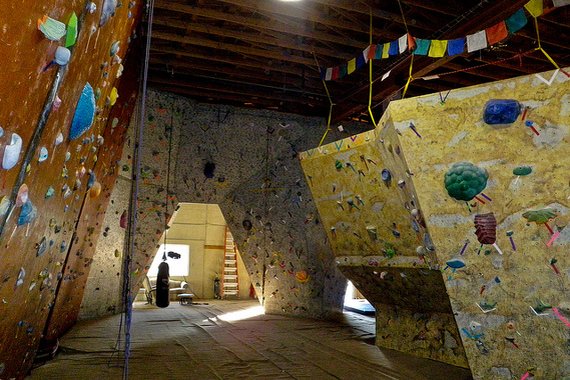
Credit: mojagear.com
Facility Design
Designing a climbing gym requires careful planning. Consider space for walls, safety measures, and equipment layout. A welcoming environment attracts climbers of all levels.
Opening a climbing gym is an exciting venture that demands meticulous planning and creativity. The facility design plays a crucial role in attracting climbers and ensuring their safety and enjoyment. By focusing on the layout, safety, and equipment, you can create an inviting space that inspires climbers of all levels.Layout And Space Planning
The layout of your climbing gym should maximize space while providing diverse climbing experiences. Think about how you want climbers to move through the gym. Consider different climbing zones—bouldering, top-rope, and lead climbing. Each area should have enough space to accommodate climbers without crowding. Don’t forget about the amenities. Allocate space for a reception area, locker rooms, and a relaxation zone. These areas enhance the customer experience and keep them coming back.Safety Considerations
Safety should be at the forefront of your gym design. Regular inspections and maintenance are key to preventing accidents. Use high-quality flooring and padding to minimize injury risk. Your flooring must absorb falls effectively. Think about the emergency procedures. Ensure exits are well-marked and easily accessible. Training staff in first aid can be a lifesaver.Equipment Selection
Choosing the right equipment is essential for a climbing gym. It determines the type of challenges climbers will face. Invest in varied climbing holds and routes. They keep climbers engaged and help them improve their skills. Quality over quantity. Opt for durable, high-performance gear. It lasts longer and provides a safer climbing experience. Are you ready to design a gym that climbers will love? Each decision you make impacts their experience. What unique features will you add to make your gym stand out?Staffing And Training
To open a climbing gym, focus on hiring skilled staff and providing thorough training. Ensure instructors are certified and knowledgeable. Offer ongoing education to keep the team updated on safety and climbing techniques.
Embarking on the journey to open a climbing gym is an exhilarating endeavor. Yet, one of the most critical elements you need to nail down is staffing and training. The team you build will not only shape the experience of your customers but also define your gym’s reputation. Without the right people on board, all your efforts could fall flat. Let’s delve into the vital aspects of hiring, training, and managing your gym team.Hiring Qualified Instructors
Your instructors are the face of your gym. They need more than just climbing skills; they need to inspire and connect with your community. When interviewing candidates, look for individuals who are not only certified but also possess excellent communication skills and a passion for teaching. Consider creating a checklist of must-have qualifications. This might include certifications like AMGA or CWA, and experience in customer service. A friend once told me how she hired an instructor based solely on their climbing prowess, only to find they lacked the patience to teach beginners. Don’t make that mistake. What unique qualities do you think would make an instructor a perfect fit for your gym? Keep these in mind during the hiring process.Training Programs
Once you’ve hired your team, the next step is to ensure they’re well-trained. Even if they come with experience, your gym will have its own unique way of doing things. Develop a comprehensive training program that covers safety protocols, customer interaction, and your gym’s specific climbing techniques. Offer both initial training and ongoing development opportunities. This could be in the form of workshops, seminars, or even online courses. A well-trained team will not only enhance customer satisfaction but also boost your gym’s credibility. Consider rotating your staff through different roles. This will give them a holistic understanding of the business and improve team dynamics. What new skills could your team learn that would benefit your gym?Team Management
Managing your team effectively ensures that your gym operates smoothly. Establish clear roles and responsibilities from the start. This prevents confusion and helps each team member understand their importance within the organization. Encourage open communication and regular feedback sessions. Create a culture where everyone feels valued and heard. I remember how monthly team meetings transformed a friend’s gym by fostering a sense of community among staff. Celebrate achievements, both big and small. This could be as simple as a shoutout during a team meeting or organizing a staff appreciation day. How do you plan to keep your team motivated and engaged? Staffing and training are pivotal in crafting the identity of your climbing gym. By focusing on hiring the right people, providing robust training, and managing your team effectively, you set the stage for success. What steps will you take to ensure your team is ready to scale new heights?Marketing And Promotion
Opening a climbing gym requires more than just a good location. Marketing and promotion play a vital role in attracting climbers. A solid marketing strategy helps your gym stand out. It creates buzz and brings in members. Below are key strategies to boost your gym’s visibility.
Brand Building
Your brand is your gym’s identity. It tells your story and sets you apart. Create a memorable logo and name. Choose colors and fonts that reflect your gym’s vibe. Ensure your brand is consistent across all platforms. This builds trust with your audience.
Design your gym space to match your brand. Use wall art and decor to create a cohesive look. Offer unique services or features that highlight your brand’s strengths. People remember unique experiences.
Social Media Engagement
Social media is a powerful tool. Use it to connect with climbers. Post regular updates about events and promotions. Share photos and videos of your gym. This gives potential members a glimpse of the experience.
Engage with your audience. Respond to comments and messages promptly. Ask for feedback and suggestions. This shows you value their input. Host online contests or challenges to spark interest.
Community Involvement
Become an active part of the local climbing community. Host workshops and events at your gym. Partner with local schools and clubs. Offer special rates for group bookings.
Support local climbing competitions. Sponsor events and provide prizes. This boosts your gym’s visibility and reputation. Encourage members to bring friends for a free trial. Word of mouth is powerful.
Operational Management
Opening a climbing gym involves careful operational management. Focus on location, equipment, and safety standards. Engage with local climbing communities and offer diverse climbing experiences.
Opening a climbing gym is an exciting venture, but it requires more than just setting up walls and ropes. Operational management is the backbone that keeps your gym running smoothly day in and day out. It involves overseeing daily activities, ensuring excellent customer service, and setting up systems to gather and act on feedback. Without effective operational management, even the most aesthetically pleasing gym can struggle to retain customers and maintain high standards.Daily Operations
Think of daily operations as the rhythm that keeps your gym alive. It’s about ensuring that all equipment is checked and maintained regularly. Create a checklist for your staff to follow every morning. This can include tasks like cleaning holds, checking harnesses, and ensuring safety mats are in place. A friend once told me that a small lapse in equipment maintenance resulted in a minor injury at his gym. This highlights the importance of meticulous attention to daily tasks.Customer Service
Customer service is your direct link to climbers. It’s not just about greeting people with a smile; it’s about building relationships. Train your staff to be knowledgeable about climbing techniques and gym protocols. Imagine walking into a climbing gym for the first time and being greeted by someone who not only welcomes you but also offers tips on improving your climbing. That personal touch can turn a one-time visitor into a loyal member.Feedback Systems
Feedback is a goldmine for improving your gym. Set up easy ways for customers to share their thoughts, like suggestion boxes or digital surveys. Regularly review this feedback and implement changes where feasible. At a gym I visited, they introduced more advanced climbing routes after receiving requests from seasoned climbers. This not only improved their offerings but also showed members that their opinions mattered. How do you ensure your gym evolves with the needs of its customers? Feedback systems can be the key. Operational management may seem daunting, but with these strategies in place, you’re setting up for success. Are there areas in your gym that could benefit from a fresh operational approach?
Credit: gymdesk.com
Financial Management
Financial management is crucial when opening a climbing gym. Proper handling of finances ensures stability and growth. It helps in making informed decisions and planning for the future. Let’s delve into key aspects of financial management: budgeting, revenue streams, and financial tracking.
Budgeting And Expenses
Creating a budget is the first step. List all potential expenses. Include rent, utilities, equipment, and staff salaries. Factor in unexpected costs like maintenance or repairs. Keep a buffer for emergencies. A realistic budget helps avoid financial stress.
Revenue Streams
Diversify revenue streams to maximize income. Membership fees are a primary source. Offer climbing classes and workshops for additional income. Retail sales of climbing gear can be lucrative. Consider hosting events or competitions for more revenue.
Financial Tracking
Track all financial transactions meticulously. Use reliable software to monitor income and expenses. Regularly review financial reports. Identify trends and areas needing improvement. Accurate tracking aids in strategic planning and budgeting adjustments.
Growth And Expansion
Opening a climbing gym involves careful planning and strategy. Identify a suitable location and design the layout to include various climbing options. Consider safety measures, equipment needs, and skilled staff to ensure a successful operation.
Opening a climbing gym is just the beginning of a thrilling journey. As your gym gains popularity, you’ll naturally start thinking about growth and expansion. How do you scale operations without losing the personal touch that made your gym special? What new services can you add to enhance the climbing experience? Are partnerships the way forward? Let’s dive into these questions and explore how you can navigate the exciting path of growth and expansion.Scaling Operations
Scaling operations is like climbing a new route—exciting yet challenging. You’ll need to assess your current setup and identify areas that require more attention. Consider expanding your hours or hiring additional staff to meet the increased demand. Think about the equipment: Are your climbing walls meeting the needs of your members? Updating or adding new climbing routes can keep the experience fresh and engaging. Remember, scaling isn’t just about adding more; it’s about improving what you already have.New Services
Adding new services can transform your gym from a mere climbing space to a complete fitness hub. How about introducing yoga classes to complement climbing? This can attract a new audience seeking a holistic workout experience. What about workshops or training sessions? These can be tailored to different skill levels, offering beginners a chance to learn and experts a way to refine their techniques. Offering diverse services not only boosts membership but also builds a community around your gym.Partnership Opportunities
Partnerships can be a game changer for your climbing gym. Collaborating with local outdoor gear shops can bring in exclusive offers for your members. Consider reaching out to local schools or universities for partnerships that could introduce climbing to students. They might offer group sessions or even host competitions at your gym. The right partnership can offer mutual benefits and introduce your gym to new audiences, enhancing your reputation and reach. What partnerships can you envision that would align with your goals and values?Frequently Asked Questions
How Much Would It Cost To Open A Climbing Gym?
Opening a climbing gym typically costs between $200,000 to $500,000. Expenses include location, equipment, insurance, and staffing. Budget planning is crucial for success.
Is A Climbing Gym Profitable?
A climbing gym can be profitable with proper management, location, and marketing. Costs include equipment, rent, and staff. Membership fees and events generate revenue. Profitability depends on attracting and retaining members. Successful gyms often diversify with classes and merchandise sales.
How Much Does It Cost To Insure A Climbing Gym?
Climbing gym insurance costs vary between $3,000 to $10,000 annually. Factors include gym size, location, and coverage needed. Comparing quotes from multiple insurers can help find the best rate.
How Much Do Climbing Gyms Pay?
Climbing gyms typically pay between $10 and $20 per hour. Salaries depend on role, location, and experience.
Conclusion
Starting a climbing gym is challenging but rewarding. Plan carefully and stay dedicated. Focus on location and equipment to attract climbers. Create a welcoming environment for beginners and experts alike. Hire experienced staff who share your passion. Marketing is essential for growth; use social media effectively.
Build a community through events and classes. Listen to feedback and adapt to climbers’ needs. Your dedication can create a thriving climbing hub. Keep learning and improving to achieve success. Opening a climbing gym demands effort, but with persistence, you can succeed.