Unlock the power of your workout by mastering the art of gym equipment operation. Walking into a gym can be overwhelming with machines and gadgets everywhere.
But here’s the good news: learning to operate gym equipment isn’t rocket science. It’s about knowing a few key techniques that can transform your exercise routine and supercharge your results. Imagine confidently striding up to any machine, adjusting it with ease, and feeling the burn exactly where you want it.
This guide is your ticket to that confidence. You’ll discover how to maximize your workout efficiency, avoid injuries, and make the most out of every gym session. Ready to take control and boost your fitness journey? Let’s dive in and unveil the secrets of seamless gym equipment operation.
Choosing The Right Gym Equipment
Choosing the right gym equipment can enhance your fitness journey. It ensures that your workouts are effective and safe. The right equipment supports your specific goals and needs. Let’s explore how to select the right equipment for you.
Assessing Fitness Goals
First, think about your fitness goals. Do you want to build strength? Perhaps you aim to improve flexibility. Maybe weight loss is your main target. Knowing your goals helps in selecting the right machines. For strength, consider weight machines or free weights. For flexibility, yoga mats and resistance bands are ideal. Cardio machines like treadmills help with weight loss. Always align equipment choices with your fitness plan.
Considering Space And Budget
Space is crucial in choosing gym equipment. Measure your available area before shopping. Large machines need more space. Small apartments suit foldable or compact machines. Budget is another key factor. Set a budget before you start. This helps you avoid overspending. Look for quality equipment within your range. Sometimes, used equipment offers great value. Consider both space and budget to make smart choices.
Understanding Basic Gym Equipment
Stepping into a gym for the first time can be a bit overwhelming. Rows of machines with buttons, levers, and weights can seem like a mystery waiting to be solved. But once you understand the basics, you’ll find your way around with ease. Familiarizing yourself with gym equipment is your first step to a successful workout journey.
Cardio Machines
Cardio machines are your go-to for elevating heart rates and burning calories. Treadmills, ellipticals, and stationary bikes are the most common. Each has its own set of features. Treadmills are fantastic for running or walking while adjusting speed and incline. Ellipticals offer a full-body workout with less impact on your joints. Stationary bikes focus on lower body strength and are great for interval training. Before hopping on, check the machine settings. This ensures you get the workout you want. Have you ever felt like a hamster on a wheel? Adjusting the settings can change that.
Strength Training Equipment
Strength training equipment helps you build muscle and increase endurance. Free weights like dumbbells and barbells are versatile and allow for a wide range of exercises. Weight machines provide guided movements, perfect for beginners. They’re usually safer and help maintain proper form. Consider starting with machines if you’re new to strength training. As you grow more confident, free weights offer more flexibility. You might find the weight room intimidating at first, but remember: everyone starts somewhere.
Flexibility And Balance Tools
Flexibility and balance tools are often overlooked, yet they play a crucial role in overall fitness. Yoga mats, balance balls, and resistance bands enhance your routine by focusing on stability and stretching. Yoga mats provide comfort for floor exercises and stretching routines. Balance balls improve core strength and can be used for various exercises like planks and bridges. Resistance bands are portable, versatile, and add tension to simple movements. Ever tried standing on one leg on a balance ball? It’s not as easy as it looks! How do you plan to integrate these into your workout?
Understanding gym equipment might seem like a daunting task, but breaking it down makes it manageable. As you explore different types, you’ll find what works best for you. Which type of equipment are you most eager to try?
Safety Tips For Beginners
Starting your gym journey requires understanding safety tips. These tips prevent injuries and improve your workout experience. Beginners often face challenges with gym equipment. Knowing how to use them safely is crucial.
Proper Warm-up Techniques
A good warm-up gets your body ready for exercise. Spend 5-10 minutes on light activities like walking or cycling. This increases blood flow and loosens muscles. Stretching is also essential. Focus on major muscle groups to improve flexibility. Avoid static stretches; opt for dynamic movements. This reduces the risk of muscle strain.
Avoiding Common Injuries
Many beginners face injuries due to improper techniques. First, learn how each machine works. Read instructions or ask trainers for help. Start with lighter weights to understand form. Gradually increase as you gain confidence. Maintain proper posture during exercises. This supports your spine and prevents back pain. Keep your movements controlled and steady. Avoid jerking or rushing through exercises.
Operating Cardio Machines
Operating cardio machines can boost your fitness routine effectively. These machines are popular in gyms and offer great cardiovascular benefits. Understanding how to use them correctly is essential for safety and efficiency. Let’s explore the basics of operating cardio machines.
Using A Treadmill
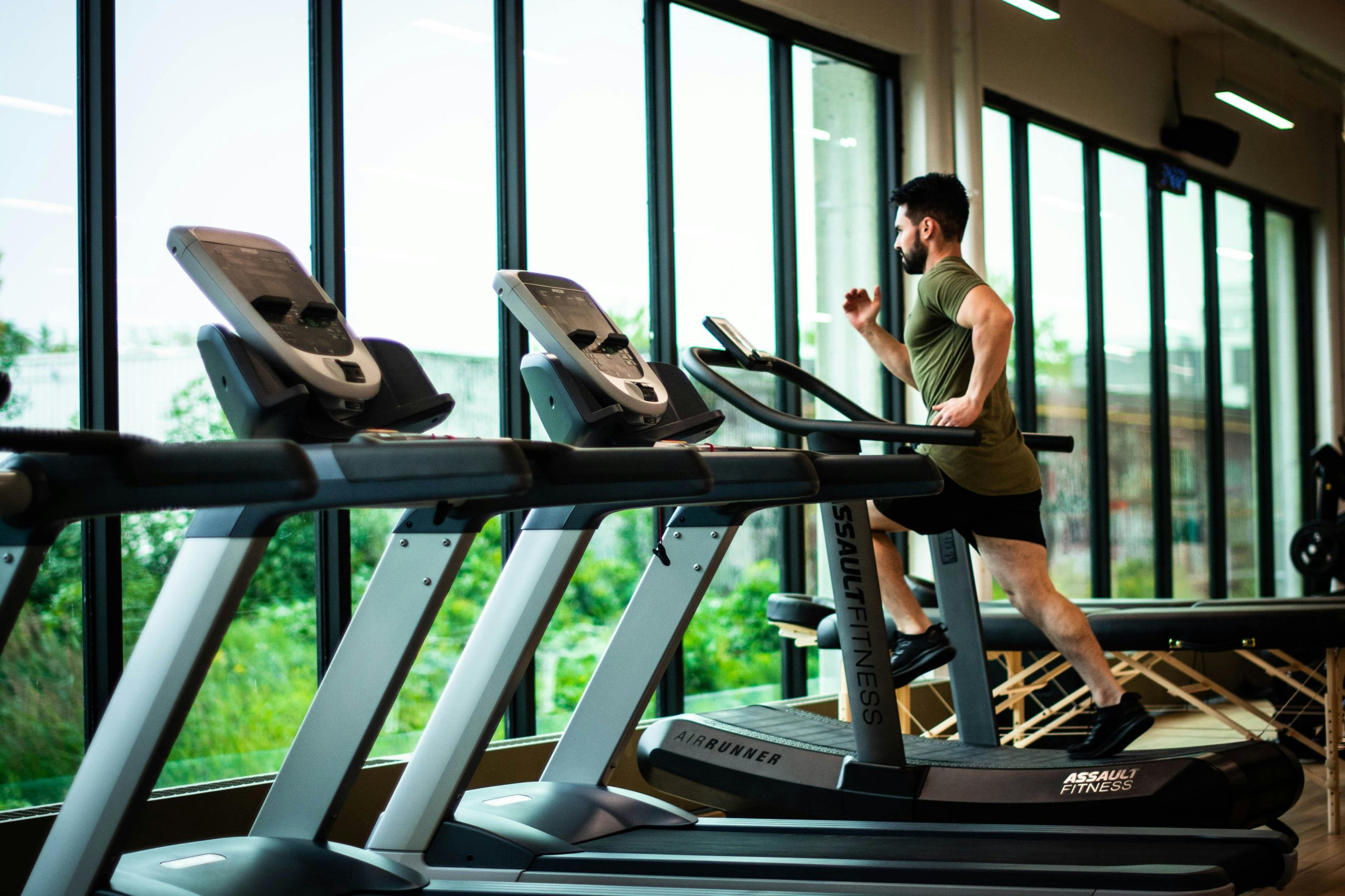
Treadmills are straightforward and beginner-friendly. Start by stepping onto the side rails. Look for the start button. Press it to begin. Adjust the speed using the control panel. Increase speed gradually. Maintain a steady pace. Hold the handrails if needed for balance. Always wear proper footwear to prevent slips.
Adjusting An Elliptical
Ellipticals offer low-impact workouts. Step onto the pedals carefully. Hold the handles firmly. Start pedaling slowly to get the rhythm. Use the display to change resistance levels. Adjust the incline for a tougher workout. Keep your posture straight for effective exercise. Listen to your body to avoid overexertion.
Rowing Machine Basics
Rowing machines mimic the motion of rowing a boat. Sit on the seat and secure your feet. Hold the handle with both hands. Push with your legs to start. Pull the handle towards your chest. Keep your back straight during the motion. Adjust the resistance for different workout intensities. Focus on smooth, controlled movements.
Using Strength Training Equipment
Learn the basics of gym equipment operation for effective strength training. Begin by adjusting settings to match your fitness level. Focus on proper form and technique to prevent injury.
Navigating the world of gym equipment can be daunting, especially when it comes to strength training machines and free weights. Whether you’re a beginner or have been around the gym a few times, understanding how to use these tools effectively can enhance your workout and prevent injury. Let’s dive into some popular strength training equipment and how you can use them to your advantage.
Free Weights Vs. Machines
Choosing between free weights and machines can feel like deciding between two equally attractive paths. Free weights, like dumbbells and barbells, offer versatility and engage more muscles, promoting stability and balance. Machines, on the other hand, guide your movements, which can be beneficial for targeting specific muscles and for those new to strength training. Consider your goals. If you want to build overall strength and improve coordination, free weights might be your best bet. However, if you’re focusing on isolating certain muscle groups, machines can provide the structure you need.
Setting Up A Smith Machine
The Smith Machine can be a bit intimidating with its metal rails and complicated appearance. However, it’s one of the most effective pieces of equipment for controlled strength training. Start by adjusting the bar to your desired height, ensuring it’s securely locked in place. Next, load your weights, making sure to balance them on each side. Stand with your feet shoulder-width apart, position yourself under the bar, and unlock it by rotating your wrists. Perform your chosen exercise, such as squats or bench presses, with controlled movements. Remember, the Smith Machine is great for beginners as it assists with balance and safety.
Cable Machine Workouts
The cable machine is a powerhouse of versatility in any gym. It allows you to perform a wide range of exercises by adjusting the pulleys and attachments. Whether you’re doing tricep pushdowns or chest flyes, the cable machine provides constant tension, which is key for muscle growth. Before you start, ensure the weight is set to a manageable level. Select the appropriate attachment, and set the pulleys at the correct height for your exercise. Keep your movements slow and controlled to maximize effectiveness and reduce injury risk. Have you ever wondered how professional athletes achieve such defined muscles? The secret often lies in the consistent use of cable machines, offering resistance from all angles. How will you incorporate this versatile tool into your workout routine? By understanding and practicing with these pieces of equipment, you can enhance your strength training regimen significantly. What new strength goals will you set for yourself today?
Incorporating Flexibility And Balance Tools
Incorporating flexibility and balance tools into your gym routine can boost your fitness journey. These tools help enhance mobility and prevent injuries. They also improve your posture and increase core strength. Learn how to use these tools effectively for the best results.
Using Resistance Bands
Resistance bands are versatile and easy to use. They are perfect for strength training and stretching. Secure the band under your feet or around a sturdy object. Use controlled movements to stretch the band. This builds muscle strength and flexibility. Bands come in different resistance levels. Choose the one that suits your fitness level. Resistance bands are portable and affordable. They are a great addition to any workout.
Stability Ball Exercises
A stability ball challenges your balance and core muscles. Sit on the ball to engage your core. Perform exercises like crunches and planks. This improves your balance and stability. Ensure the ball is the right size for your height. The proper size ensures safe and effective workouts. A stability ball can also be used for stretching. It helps increase flexibility and range of motion.
Foam Roller Techniques
Foam rolling releases muscle tension and improves blood flow. Place the roller under tight muscles. Use your body weight to apply pressure. Roll slowly over the area to relieve knots. Foam rolling is ideal for post-workout recovery. It reduces muscle soreness and improves flexibility. Focus on common areas like calves and thighs. Regular use can enhance your overall mobility.
Creating An Effective Workout Routine
Navigating gym equipment can seem daunting at first. Start by understanding basic functions and safety features. Practice movements slowly to ensure proper form and avoid injury. Adjust settings to suit your fitness level, gradually increasing intensity for effective results.
Creating an effective workout routine is crucial for achieving fitness goals. It helps in maintaining consistency and maximizing results. A well-rounded routine includes both cardio and strength exercises. It ensures a balanced approach to fitness. Understanding how to operate gym equipment safely is essential. This knowledge prevents injuries and enhances workout efficiency.
Balancing Cardio And Strength
Cardio and strength training are the pillars of a good workout. Cardio helps in improving heart health. It also aids in burning calories. Strength training increases muscle mass and strength. For a balanced routine, alternate cardio and strength days. Use treadmills or ellipticals for cardio sessions. These machines are user-friendly. Adjust the speed and incline for variety. For strength, use dumbbells and resistance machines. Start with lighter weights. Gradually increase as you gain strength.
Progression And Variation
Progression is key in any workout routine. It ensures continuous improvement. Begin with basic exercises and light weights. As you get stronger, increase the difficulty. This keeps the body challenged. Variation prevents boredom and plateaus. Try different exercises for each muscle group. Use machines like leg press and rower. Change the settings to vary intensity. This keeps your workouts interesting. Your body adapts and improves with new challenges.
Seeking Professional Guidance
Operating gym equipment safely and effectively can be daunting, especially if you’re new to the gym. One of the best ways to ensure you’re using the equipment correctly is by seeking professional guidance. This can help prevent injuries, boost your confidence, and maximize your workout results. But where should you start?
Hiring A Personal Trainer
Consider hiring a personal trainer to guide you through the ropes. A trainer can customize a workout plan that fits your goals and fitness level. They can demonstrate proper techniques and correct your form, ensuring you get the most out of each exercise.
Many people feel an immediate boost in motivation and accountability with a personal trainer. Trainers can also introduce you to equipment you might not try on your own. This hands-on approach can accelerate your learning curve and make your gym visits more effective.
Have you ever felt lost in a sea of gym machines? A personal trainer can be your guide, helping you navigate the equipment maze with ease.
Attending Group Classes
Group classes are another great way to learn how to use gym equipment. These classes often incorporate various machines and tools, giving you exposure to equipment you might not try alone. Plus, the energy and camaraderie in group settings can make learning fun.
Instructors in group classes provide clear demonstrations and keep an eye on participants’ form. This means you can learn in real-time while still enjoying the social aspect of working out. Group classes can also be a cost-effective way to receive expert guidance without the price tag of a personal trainer.
Next time you see a class on the schedule, why not give it a try? It might be the perfect blend of learning and socializing you need to boost your gym confidence.
Maintaining Equipment
Proper maintenance of gym equipment ensures its longevity and safety. Regular upkeep prevents damage and enhances performance. A well-maintained gym attracts more users and promotes a healthy lifestyle. Let’s explore essential practices for maintaining gym equipment effectively.
Regular Cleaning Practices
Clean gym equipment daily to remove sweat and dirt. Use a damp cloth or disinfectant wipes for surfaces. Pay special attention to handlebars and seats, as they gather germs. Ensure cleaning products are safe for the material of the equipment. Avoid harsh chemicals that might damage surfaces.
Keep floors around machines clean to prevent slips. Vacuum or sweep regularly to remove dust and debris. Encourage gym users to wipe down equipment after use. Provide cleaning stations with sprays and towels for convenience. A clean gym enhances the user experience.
Checking For Wear And Tear
Examine equipment regularly for signs of wear. Look for frayed cables and loose bolts. Inspect belts and pulleys for cracks or splits. These issues can lead to malfunctions or injuries. Address problems promptly to maintain safety.
Keep a checklist to track inspections. Schedule monthly checks to ensure consistency. Train staff to identify potential hazards. Replace worn parts immediately to prevent downtime. Regular checks improve equipment reliability and user satisfaction.
Frequently Asked Questions
What Is The 3/2/1 Rule In Gym?
The 3/2/1 rule in the gym involves 3 sets, 2 minutes of rest, and 1 exercise. This approach helps build strength and endurance efficiently. It’s ideal for beginners and those seeking structured workouts. Consistency with this rule can enhance muscle growth and fitness levels effectively.
How To Operate A Gym Running Machine?
Start by adjusting the speed and incline using the control panel. Step onto the treadmill carefully and hold the handrails. Gradually increase speed to your comfort level. Maintain good posture and keep your focus on the display. Always use the safety key to stop the machine in emergencies.
What Machine Burns The Most Belly Fat?
The treadmill is highly effective for burning belly fat. Regular treadmill workouts boost metabolism and burn calories. Pair with a healthy diet for optimal results.
How To Navigate The Gym As A Beginner?
Start with a gym tour to familiarize yourself with the equipment and layout. Set clear fitness goals for motivation. Consult a trainer for personalized advice and guidance. Begin with basic exercises to build confidence and technique. Stay consistent, track progress, and gradually increase intensity for better results.
Conclusion
Operating gym equipment is simpler with practice. Start with basic machines. Follow the instructions carefully. Make sure to adjust settings. Listen to your body. Avoid pushing too hard. Ask staff for help if needed. Regular exercise boosts health and mood.
Enjoy your workouts. Stay consistent for better results. Learning gym equipment takes time. But the benefits are worth it. Safety matters most. Keep equipment clean after use. Respect others in the gym. Remember, fitness is a journey. Celebrate small victories.
Stay motivated and keep moving. Happy exercising!