Managing diabetes can feel overwhelming, especially when it comes to making smart food choices. If you’re living with diabetes, reading nutrition labels is more than just a health habit—it’s a crucial skill that can help you take control of your health.
Imagine the confidence you’ll feel when you understand exactly what you’re putting into your body, allowing you to make informed decisions that support your well-being. This guide is here to empower you with the knowledge you need to decode nutrition labels effectively, helping you navigate the grocery aisles with ease and precision.
By the end of this article, you’ll not only master the art of reading nutrition labels, but also feel empowered to make choices that align with your health goals. Dive in, and transform your shopping experience into a powerful tool for managing diabetes.
Importance Of Nutrition Labels
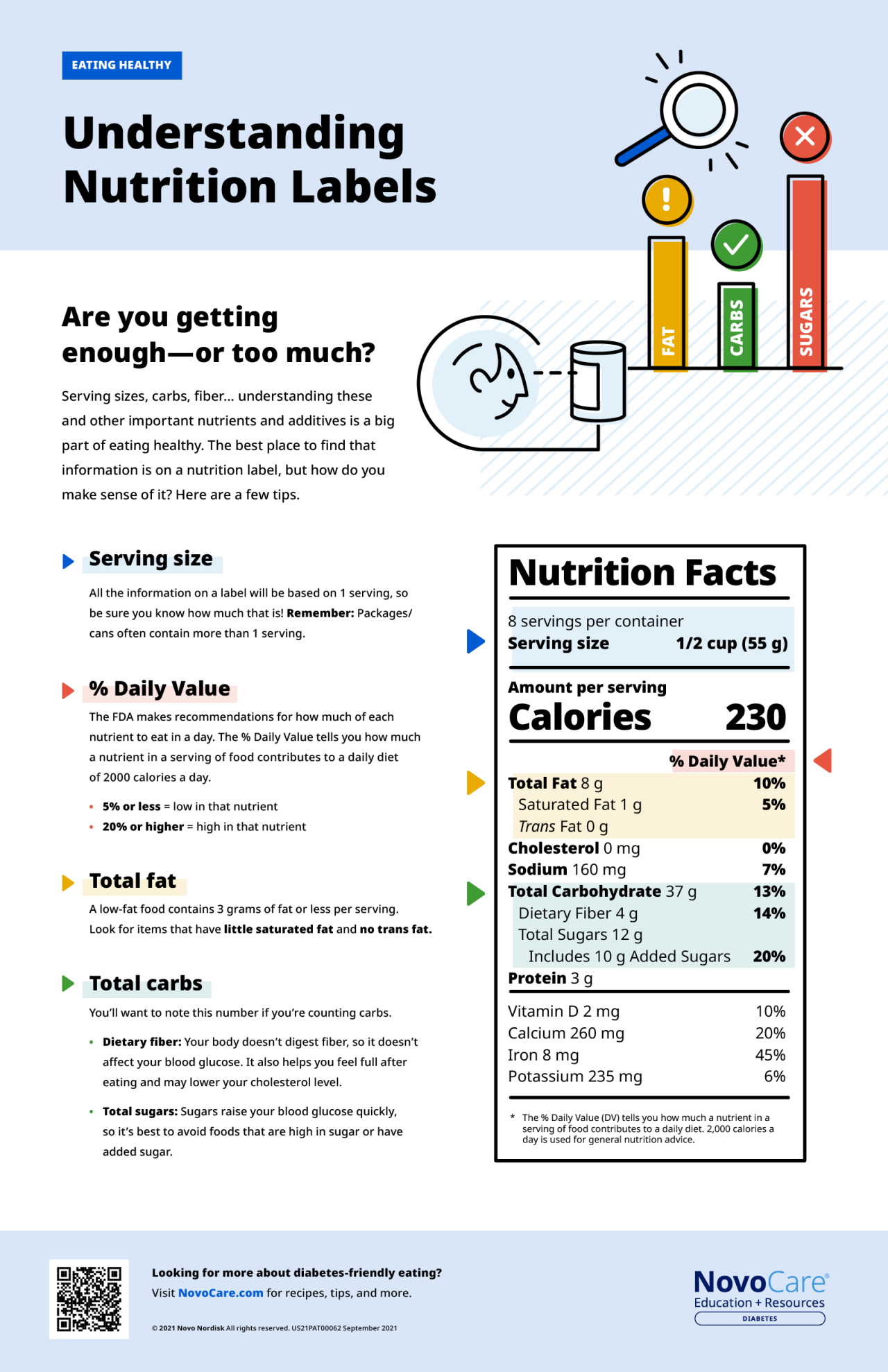
Understanding nutrition labels is vital for diabetics. They provide essential information about the food you consume. Monitoring carbohydrate and sugar intake is crucial for managing blood sugar levels. Nutrition labels help make informed choices. They guide you in selecting foods that support your health goals.
Importance Of Nutrition Labels For Diabetics
Nutrition labels display the amount of carbohydrates in food. This helps diabetics manage their daily intake. Carbohydrates directly impact blood sugar levels. Checking these levels aids in avoiding spikes. Nutrition labels also show sugar content. Knowing sugar content helps maintain balanced glucose levels. This information is key for diabetics to control their diet.
Reading Serving Sizes
Serving sizes on labels are important. They indicate the recommended portion of food. Diabetics must be aware of serving sizes. Eating more than the serving size can increase blood sugar levels. Understanding this helps in portion control. It ensures you consume the right amount of food.
Identifying Hidden Sugars
Nutrition labels reveal hidden sugars. Some foods contain sugars not immediately obvious. Diabetics need to be cautious of these hidden sugars. They can affect blood sugar without warning. Reading labels helps identify these sugars. This aids in making better food choices.
Monitoring Fiber Content
Fiber is important for diabetics. It helps regulate blood sugar levels. Nutrition labels list fiber content. High-fiber foods are beneficial for diabetics. They slow glucose absorption. This prevents sudden spikes in blood sugar. Checking fiber content supports a healthy diet.
Understanding Fat Content
Fat content on labels is crucial for diabetics. Consuming excessive fat can lead to health issues. Nutrition labels show saturated and trans fats. These fats should be limited. Knowing fat content helps manage a balanced diet. It contributes to overall health.
Credit: diabeteseducation.novocare.com
Key Components To Check
Reading nutrition labels is crucial for diabetics. It helps manage blood sugar levels effectively. Knowing key components to check makes a difference in diet planning. Focus on serving size, calories, carbohydrates, fiber, and protein. Understanding these can guide healthier choices.
Serving Size And Servings Per Container
Serving size tells how much of the product you are consuming. Check the servings per container to see how many servings are in the package. This helps avoid overeating and maintains proper portion control.
Calories And Caloric Intake
Calories measure energy the body gets from food. Diabetics need to monitor caloric intake to manage weight. Balancing calories with physical activity supports stable blood sugar levels.
Total Carbohydrates And Sugars
Carbohydrates impact blood sugar the most. Look for total carbohydrates to understand its effect on blood sugar. Sugars show the immediate impact on glucose levels. Choose foods with lower sugar content to keep levels steady.
Dietary Fiber Benefits
Fiber slows down sugar absorption. It helps control blood sugar spikes. High fiber foods provide longer-lasting energy. They also improve digestion and heart health.
Protein Content
Protein aids in maintaining muscle mass. It provides energy without raising blood sugar levels. Include balanced protein in meals for sustained energy. It also helps with satiety and reduces hunger.
Understanding Carbohydrates
Decoding nutrition labels is crucial for diabetics to manage carbohydrate intake. Focus on total carbohydrates, fiber, and sugars. Understanding these elements helps in making better dietary choices.
Understanding carbohydrates is crucial for diabetics aiming to manage their blood sugar levels effectively. Nutritional labels can be quite overwhelming, but once you know what to look for, they become powerful tools for making informed food choices. Carbohydrates play a significant role in your diet, providing energy, but not all carbs are created equal. Let’s dive into the details to see how you can make smarter choices.Simple Vs. Complex Carbohydrates
Simple carbohydrates are sugars found naturally in fruits and milk, or added to foods like candy and soda. They digest quickly, often leading to a rapid increase in blood sugar levels. Complex carbohydrates, on the other hand, are found in whole grains, beans, and vegetables. They take longer to digest, offering a more gradual rise in blood sugar. Think about the difference between eating a slice of white bread versus a bowl of oatmeal. Which do you think would keep your energy steady longer? When scanning a nutrition label, check the total carbohydrates, and then look deeper. Look for fiber content, as foods high in fiber are usually complex carbs. This simple trick can help you make healthier choices quickly.Impact On Blood Sugar Levels
Blood sugar levels are sensitive to the type of carbohydrates you consume. Simple carbs can cause spikes, while complex carbs provide more stability. Remember the last time you indulged in a sugary snack? That energy burst followed by a crash can be avoided by choosing complex carbs. On nutrition labels, note the grams of sugar, as higher amounts can mean more simple carbs. Aim for foods with lower sugar and higher fiber content. Consider a typical breakfast choice. Would a sugary cereal or a whole grain toast benefit your blood sugar levels more? It’s a small decision, but it can make a big difference in your day. Understanding these nuances empowers you to control your diet. So next time you pick up a package, ask yourself: is this choice supporting my health goals?Spotting Hidden Sugars
Deciphering nutrition labels helps diabetics identify hidden sugars. Look for terms like sucrose, fructose, or maltose. Check total carbohydrates for accurate sugar content.
Spotting hidden sugars in your daily diet can be a game-changer, especially if you’re managing diabetes. Nutrition labels can be tricky, often masking sugar under different names. Understanding how to read these labels can help you make informed choices and maintain stable blood sugar levels. Let’s dive into how you can identify these hidden sugars.Identifying Sugar Aliases
Did you know that sugar can have over 50 different names on food labels? Manufacturers often use terms like “sucrose,” “fructose,” “maltose,” or even “corn syrup” to list sugar. It’s crucial to familiarize yourself with these aliases to avoid unexpected sugar intake. You might find yourself surprised at how often these appear in everyday items like bread or sauces. Next time you pick up a product, scan the ingredients list for any unfamiliar names. It’s a small step that can lead to significant health benefits for you.Natural Vs. Added Sugars
Understanding the difference between natural and added sugars is vital. Natural sugars occur in foods like fruits and milk, while added sugars are those included during processing. Foods with natural sugars also come with essential nutrients, which can be beneficial. Examine if the sugars in your food are naturally present or added during manufacturing. This can be the difference between a healthful snack and an unintentional sugar spike. What does your current diet look like in terms of natural versus added sugars? A practical tip is to check if the product label specifies “includes X grams of added sugars.” This can help you gauge how much extra sugar you’re consuming. Make it a habit to look for this information to make healthier choices. Managing diabetes is about making informed decisions. By spotting hidden sugars, you take a proactive step in controlling your health. Does this insight change how you’ll approach your next grocery trip?Fats And Their Role
Understanding the role of fats in your diet is crucial, especially if you’re managing diabetes. It’s not just about counting carbs or sugars; fats play a significant role in your health too. When you read a nutrition label, you’ll notice fats are divided into different types. Knowing the difference can help you make smarter choices.
Saturated Vs. Unsaturated Fats
Saturated fats are the ones you find in butter, cheese, and red meat. These can raise your cholesterol levels, which isn’t ideal if you’re watching your heart health. Aim to limit these in your diet.
On the other hand, unsaturated fats, found in foods like avocados, nuts, and fish, can be beneficial. They help lower bad cholesterol and provide essential nutrients. Choosing foods with unsaturated fats can be a healthier option.
Next time you check a label, compare the amount of saturated and unsaturated fats. Which one is higher? How does this affect your meal planning?
Cholesterol Considerations
Cholesterol is another key factor in managing diabetes. High levels can lead to heart issues, which are more common in diabetics. When reading labels, keep an eye on cholesterol content. This can be a hidden threat.
Think about how often you check cholesterol levels on labels. Are you surprised by the numbers? Foods you thought were healthy could be high in cholesterol. This awareness can change your perspective and choices.
Consider setting a goal to reduce cholesterol intake. What small changes can you make today to improve your heart health?
Reading nutrition labels might seem tedious at first, but understanding fats and cholesterol can empower you to take control of your health. It’s your journey, and every small step counts. Embrace the process, and let it guide you to better choices.
Sodium And Blood Pressure
Sodium plays a big role in blood pressure management. For diabetics, understanding sodium intake is crucial. High sodium can raise blood pressure. This makes diabetes harder to control. Reading nutrition labels carefully helps manage sodium levels.
Understanding Sodium Levels
Check the sodium content on the nutrition label. It’s listed in milligrams. A low-sodium food has 140 mg or less per serving. Try to choose these options often. Reducing sodium helps keep blood pressure in check.
Sodium’s Impact On Blood Pressure
Excess sodium can cause high blood pressure. This condition strains the heart. It also affects overall health. For diabetics, it’s vital to monitor sodium intake. Keeping blood pressure stable is important. It helps prevent complications.
Daily Sodium Recommendations
Adults should aim for 1,500 mg of sodium daily. This is especially true for people with diabetes. Monitoring intake can be challenging. Always check the serving size on labels. It helps ensure accurate sodium tracking.
Tips For Reducing Sodium Intake
Choose fresh fruits and vegetables over processed foods. These naturally have less sodium. Rinse canned vegetables to remove extra salt. Opt for herbs and spices instead of salt for flavor. Cooking at home allows better sodium control.
Reading Labels For Hidden Sodium
Many foods contain hidden sodium. Bread, sauces, and soups often have high levels. Look for labels with “low sodium” or “no salt added.” These options are better for managing blood pressure.
Daily Value Percentages
Understanding daily value percentages is crucial for diabetics reading nutrition labels. These percentages show how a nutrient fits into a daily diet based on a 2,000-calorie intake. Focus on nutrients like carbohydrates and sugars to manage blood sugar levels effectively.
Understanding the “Daily Value Percentages” on a nutrition label is crucial for managing diabetes. These percentages tell you how much a nutrient in a serving of food contributes to a daily diet, based on a 2,000-calorie diet. As a diabetic, you need to pay attention to these numbers to help manage your blood sugar levels effectively.Interpreting Nutrient Needs
Start by examining the carbohydrates and sugars percentages. For diabetics, this is essential as carbohydrates directly impact blood glucose levels. Aim for foods with lower percentages of added sugars to keep your blood sugar stable. Consider the fiber content too. High fiber foods can help moderate blood sugar spikes. If a nutrition label shows a high percentage of fiber, it’s likely a healthier choice for you. Fiber slows down digestion and can aid in maintaining steady glucose levels. Don’t overlook protein and fat percentages. These nutrients can help you feel full longer and may prevent overeating. Opt for foods with healthy fats and moderate protein to support balanced blood sugar.Adjusting For Diabetic Diets
You may wonder how to adjust these daily values for a diabetic-friendly diet. It’s about understanding your unique needs and how your body reacts to different foods. Start by consulting with your healthcare provider to tailor these daily values to suit your specific health goals. They may suggest lower carbohydrate intake or emphasize certain nutrients that benefit your condition. Experiment with different foods and monitor how they affect your blood sugar levels. Keep a journal to track which nutrient percentages work best for you. This personal insight will help you make informed choices, leading to better diabetes management. Consider incorporating foods with low sodium percentages. High sodium can lead to increased blood pressure, a common concern for diabetics. Look for labels that meet your dietary needs without compromising on flavor. Have you ever felt overwhelmed by these numbers? Remember, you are not alone. Many people find it challenging at first, but with practice, reading a nutrition label can become second nature. Empower yourself with knowledge, and make choices that support your health journey.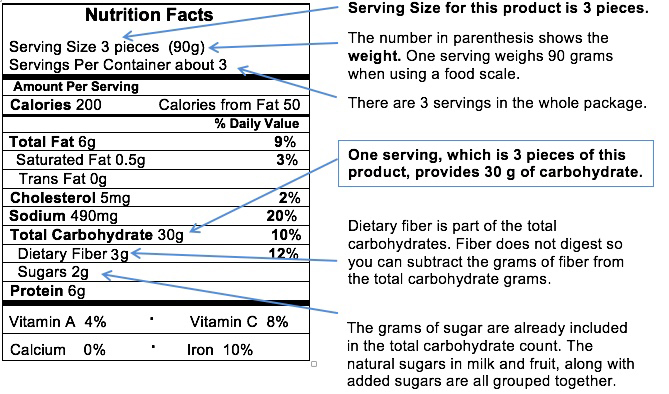
Credit: diabetesteachingcenter.ucsf.edu
Tips For Smart Shopping
Shopping smart is crucial for diabetics aiming to control their diet. Understanding nutrition labels can help make informed choices. By focusing on key elements, diabetics can select foods that support their health goals. This section will guide you through some tips for smart shopping.
Comparing Products
Always compare similar products when shopping. Check serving sizes as they can differ. This affects the nutritional values you see. Look at the total carbohydrates. Opt for products with lower amounts. Fiber is important too. Higher fiber content can aid in blood sugar management. Pay attention to sugars. Choose items with less added sugar.
Prioritizing Nutrient Density
Nutrient density matters. Foods rich in vitamins and minerals are beneficial. They provide essential nutrients without excess calories. Choose whole grains instead of refined ones. Vegetables and fruits are good options. They offer high nutrient content and fiber. Healthy fats, like those in nuts, are also important. They can be part of a balanced diet.
Reading Beyond The Front Label
Front labels can be misleading. Marketing terms like “natural” or “healthy” may not mean much. Always read the back label. Look for the ingredient list. Fewer ingredients usually mean less processing. Watch out for hidden sugars. They can appear under different names. Check sodium levels. High sodium can affect blood pressure.

Credit: wellresourced.com
Frequently Asked Questions
How To Read A Nutrition Label As A Diabetic?
Check serving size first to manage portions. Focus on carbohydrates and sugars for blood sugar control. Choose high fiber foods for better glucose management. Look for low sodium and saturated fat to support heart health. Prioritize nutrient-dense foods for balanced meals.
Should Diabetics Look At Sugar Or Carbs?
Diabetics should focus on total carbohydrate intake rather than just sugar. Carbohydrates affect blood sugar levels. Monitoring carbs helps maintain stable blood glucose. Choose complex carbs and fiber-rich foods for better control. Always consult with a healthcare professional for personalized advice.
How Do You Correctly Read A Nutrition Label?
Start with the serving size to understand portion amounts. Check calories per serving. Evaluate % Daily Value for nutrients. Look at fats, sugars, and sodium content. Prioritize fiber, vitamins, and minerals for health benefits.
Are Net Carbs The Same As Total Carbs For Diabetics?
Net carbs differ from total carbs for diabetics. Net carbs are total carbs minus fiber and sugar alcohols. Diabetics monitor net carbs to manage blood sugar levels effectively. Adjusting net carb intake helps maintain better glucose control. Always consult a healthcare professional for personalized advice.
Conclusion
Understanding nutrition labels is key for diabetics managing health. Start with serving size to grasp portion control. Focus on total carbs to keep blood sugar in check. Fiber and protein can help stabilize glucose levels. Watch for hidden sugars in ingredient lists.
Sodium content matters for heart health. Practicing these tips improves choices and supports better health. Remember, each label tells a story about the food. Make informed decisions and enjoy a balanced diet. Stay proactive in managing diabetes with confidence. Simple steps lead to healthy living.
Your health matters most.