Are you trying to build muscle but unsure if you’re eating the right amount of protein? The question of whether 100 grams of protein is enough to fuel your muscle growth is a common one.
You might be juggling a busy life, trying to fit in workouts, and on top of that, managing your diet to get the best results. It can be confusing. The science of muscle building can feel like a maze with all the different opinions out there.
But what if you could cut through the noise and find out exactly what your body needs? In this blog post, we’ll dive into the facts and myths about protein intake and muscle growth, giving you the clarity you need to enhance your fitness journey. So, keep reading to discover if your current protein intake is truly supporting your muscle-building goals or if there’s more you should be doing.
The Role Of Protein In Muscle Building
Protein is vital for muscle growth. It serves as the building block for muscles. Consuming enough protein supports repair and growth. It plays a key role after workouts. Muscles need protein to recover and increase in size.
Consuming the right amount can enhance your fitness goals. Understanding how protein works helps you optimize muscle gain. Knowing its role can guide your daily intake choices.
Protein As A Building Block
Muscle tissue is made of protein. It’s essential for muscle development. Protein helps repair muscle fibers after exercise. It aids in the creation of new muscle tissue. This process leads to muscle growth over time.
Protein And Muscle Recovery
After workouts, muscles need recovery. Protein speeds up this recovery process. It reduces muscle soreness and enhances repair. This allows for more frequent and effective workouts. Faster recovery means quicker muscle growth.
Protein’s Impact On Muscle Size
Adequate protein intake increases muscle size. It supports the synthesis of muscle proteins. This synthesis is crucial for muscle hypertrophy. Without enough protein, muscle growth slows down. Ensure you consume sufficient protein for optimal results.
Daily Protein Requirements
Protein plays a crucial role in muscle building and repair. Understanding daily protein requirements can guide your fitness journey. Your protein needs depend on several factors like activity level and body weight.
Factors Influencing Protein Needs
Activity level affects protein requirements significantly. Athletes need more protein than sedentary individuals. Body weight also plays a role. Heavier individuals often need more protein. Age influences protein metabolism. Older adults might require higher intake for muscle maintenance.
Recommended Protein Intake For Muscle Growth
Experts suggest different protein intakes for muscle growth. The general recommendation is 1.6 to 2.2 grams per kilogram of body weight. For a 70-kilogram person, this means 112 to 154 grams daily. Consistency in protein intake matters. Spread protein consumption throughout the day for best results.
100 Grams Of Protein: Enough For Everyone?
Is 100 grams of protein enough for muscle growth? Some people say yes. Others need more. Protein is vital for building muscles. But how much do you need?
Not everyone requires the same amount of protein. Factors like age, weight, and activity level matter. Let’s explore if 100 grams is enough for everyone.
Individual Variations In Protein Needs
Every person has unique protein needs. Athletes and bodybuilders often need more. Sedentary people might need less. Age also affects protein requirements. Younger people often need more for growth.
Weight plays a role too. Heavier people may require more protein. Activity level is crucial. Active people burn more energy. They might need more protein to recover and build muscle.
Comparing 100 Grams To Bodybuilding Standards
Bodybuilders follow specific protein guidelines. Many consume more than 100 grams daily. Their intense training demands more fuel. Protein helps repair and grow muscles.
Some experts suggest 1.6 to 2.2 grams per kg of body weight. For a 70 kg person, that’s 112 to 154 grams daily. So, 100 grams might not meet these standards. It’s important to consider individual goals and needs.

Credit: www.instagram.com
Protein Quality And Source
Protein quality and source play a crucial role in muscle building. It’s not just about hitting a specific number like 100 grams of protein per day. The type of protein you consume can significantly impact muscle growth and recovery. Understanding the difference between animal and plant-based proteins, as well as the importance of essential amino acids, will guide you in making informed choices.
Animal Vs. Plant-based Proteins
Animal proteins are often considered high-quality because they contain all essential amino acids. These are vital for muscle repair and growth. Think of foods like chicken, beef, fish, and eggs. They provide complete protein sources that are readily absorbed by your body.
Plant-based proteins, on the other hand, come from sources like beans, lentils, nuts, and seeds. While they may lack one or more essential amino acids, combining different plant proteins can create a complete protein profile. If you’re vegan or vegetarian, mixing quinoa with beans or rice with lentils can ensure you’re getting all the amino acids needed for muscle growth.
Essential Amino Acids For Muscle Growth
Not all proteins are created equal, largely due to their amino acid composition. Essential amino acids cannot be produced by your body, so you must get them from your diet. Leucine, isoleucine, and valine are particularly important for muscle building. These branched-chain amino acids (BCAAs) stimulate muscle protein synthesis.
Think about your last workout. You probably pushed yourself hard, right? Consuming proteins rich in BCAAs after such workouts can help repair and build muscle effectively. Supplements can be helpful, but whole foods offer additional nutrients that support overall health.
Consider this: Are you choosing protein sources that truly support your muscle-building goals? Next time you plan a meal, look at the quality and source of your protein. This awareness can make all the difference in your fitness journey.
Timing And Distribution Of Protein Intake
Timing and distribution of protein intake play a vital role in muscle growth. Consuming 100 grams of protein is a good start. But how you spread it through the day matters. Let’s explore the importance of protein timing and how to balance protein intake.
Importance Of Protein Timing
Protein timing affects muscle repair. Eating protein after workouts helps muscles recover. It fuels muscle synthesis. Morning protein can energize your day. Night protein aids overnight recovery. Each meal should have protein for best results.
Balancing Protein Throughout The Day
Spreading protein intake evenly is crucial. Divide 100 grams across meals. Breakfast, lunch, and dinner should contain protein. Snacks can help reach protein goals. This steady intake supports muscle building. It prevents muscle breakdown. Consistent protein boosts energy levels too.
Common Myths About Protein And Muscle Building
Many believe myths about protein and muscle growth. These myths can confuse those trying to build muscle. Understanding these myths helps you make better choices.
Debunking The Protein Overload Myth
Some think more protein always means more muscle. This is not true. Your body only needs a certain amount. Eating too much does not lead to bigger muscles. It can lead to other issues. Balance is key. Focus on quality, not just quantity.
Understanding Protein Absorption Limits
Your body can only absorb so much protein at once. Eating large amounts does not mean all will be used. Excess protein may be wasted. Eating smaller, regular portions helps. This ensures your body gets what it needs. Timing and distribution matter more than sheer quantity.
Practical Tips For Optimizing Protein Intake
Eating enough protein is key for building muscle. Many wonder if 100 grams daily is enough. It depends on factors like age, weight, and activity level. Let’s explore practical ways to optimize your protein intake.
Incorporating Protein Into Daily Meals
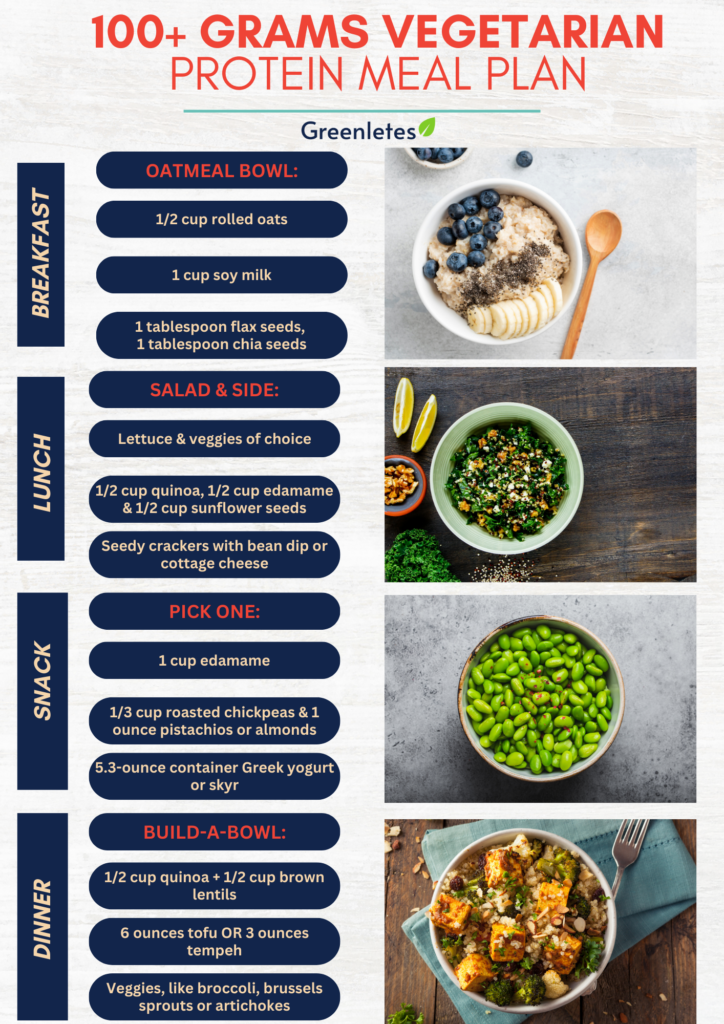
Include a protein source in every meal. Eggs, chicken, and tofu are great options. Start your day with a protein-rich breakfast. Scrambled eggs or a smoothie with Greek yogurt work well. At lunch, add grilled chicken or beans to salads. Choose fish or lean beef for dinner. Try to balance your meals throughout the day.
Snacking helps reach your protein goals too. Nuts, cheese, or a protein bar can boost your intake. Plan meals ahead to avoid missing out on protein. Pre-cooking chicken or boiling eggs makes quick meals easier. Use these strategies to maintain a steady protein intake.
Supplementing With Protein Powders
Protein powders are a convenient option. They help meet your daily protein needs. Choose a powder that fits your diet, like whey or plant-based. Mix it with water or milk for a quick shake. Add powder to smoothies for an extra protein boost. It’s great after workouts when the body needs protein most.
Watch out for added sugars in some powders. Check labels for the best nutritional value. Don’t rely solely on supplements. Whole foods should be your main protein source. Use protein powders to fill in any gaps. They are a helpful tool, but not a replacement for real food.
Credit: greenletes.com

Credit: www.youtube.com
Frequently Asked Questions
Will I Lose Muscle If I Eat 100 Grams Of Protein A Day?
Eating 100 grams of protein daily can help maintain muscle mass, but other factors like exercise matter too. Aim for balanced nutrition, strength training, and proper rest to prevent muscle loss. Consult a nutritionist or fitness expert for personalized advice based on your individual needs and goals.
Is It Okay To Eat 100 Grams Of Protein A Day?
Eating 100 grams of protein daily is generally safe for most adults. It supports muscle growth and repair. Ensure you balance it with other nutrients and consult a healthcare professional for personalized advice. Your individual protein needs may vary based on age, activity level, and health goals.
How Much Protein Do I Actually Need A Day To Build Muscle?
Aim for 1. 6 to 2. 2 grams of protein per kilogram of body weight daily. This supports muscle growth. Adjust based on activity level and goals for optimal results.
Is 100 Grams Of Protein Sufficient For Muscle Growth?
Consuming 100 grams of protein daily can support muscle growth. However, individual needs vary based on factors like body weight, activity level, and overall diet. It’s important to balance protein intake with other nutrients to optimize muscle building.
Conclusion
Finding the right protein amount is crucial for muscle growth. Eating 100 grams daily might work for some people. Yet, individual needs vary. Factors like age, weight, and activity level play a role. Listen to your body. Adjust protein based on results and energy levels.
Pair protein intake with balanced meals and exercise. Consult a nutritionist for tailored advice. Keep learning and exploring what suits your body best. Building muscle is a journey. Stay committed, be patient, and enjoy the process. Remember, consistency is key.
Happy lifting!