Have you ever found yourself standing at the base of a climbing gym rope, wondering whether it’s static or dynamic? You’re not alone.
Many climbers often grapple with this question, especially when safety and performance are at stake. Understanding the type of rope you’re dealing with can make all the difference in your climbing experience. Whether you’re a seasoned climber or just starting out, knowing this detail can enhance your safety and boost your confidence.
You’re about to uncover the secrets behind climbing ropes and how they can impact your climb. Ready to transform your climbing knowledge and ensure your next climb is both safe and exhilarating? Let’s dive in!
Climbing Rope Basics
Climbing ropes are essential for safety and performance in climbing. Each type of rope serves a unique purpose. Understanding the basics helps climbers make informed choices. Choosing the right rope can impact your climbing experience. Two main types of ropes exist: static and dynamic.
Static Vs Dynamic Rope
Static ropes stretch very little under load. They are ideal for rescue operations and rappelling. These ropes provide stability, making them a safe option for certain activities. Dynamic ropes, on the other hand, are designed to stretch. This elasticity absorbs the impact of a fall. Climbers use dynamic ropes for sport climbing and lead climbing. They reduce the forces on the climber and gear during a fall.
Material Composition
Climbing ropes are made from durable materials. Nylon is the most common material used. It offers strength and flexibility. The rope’s core and sheath are constructed differently. The core provides strength, while the sheath offers protection. These materials are chosen for their ability to endure stress and wear. The right material ensures longevity and reliability.

Credit: blog.weighmyrack.com
Applications In Climbing Gyms
Climbing gyms use both static and dynamic ropes for different activities. Each rope type offers unique benefits and applications. Understanding these helps climbers choose the right rope for their needs.
Uses Of Static Rope
Static ropes are not designed to stretch under load. These ropes are perfect for rappelling and rescue operations. They offer great control and stability. Climbers use them for hauling equipment or setting up fixed lines. Their low stretch minimizes bounce, making them ideal for certain tasks.
Dynamic Rope Benefits
Dynamic ropes are designed to stretch when under tension. This ability makes them suitable for lead climbing. They absorb the energy of falls, reducing impact forces. This protects both the climber and equipment. Dynamic ropes enhance safety during climbing activities. They are essential for any climbing gym focused on lead climbing.
Expert Opinions
Choosing the right gym rope is crucial for climbers. It affects safety and performance. Experts often debate whether climbing gym ropes should be static or dynamic. Their insights help climbers make informed decisions.
Safety Considerations
Safety is the top priority for climbers. Static ropes are known for their low stretch. This means they are more predictable during climbs. Dynamic ropes offer more elasticity. This can help absorb the energy from falls. Experts suggest using dynamic ropes for lead climbing. Static ropes are preferred for rappelling and rescue scenarios.
Performance Differences
Performance varies between static and dynamic ropes. Static ropes are ideal for hauling gear. They maintain tension well, which aids efficiency. Dynamic ropes shine in sport climbing. Their stretch absorbs shocks from falls. This provides a smoother experience during climbs. Experts agree dynamic ropes offer better versatility. Static ropes excel in controlled environments.
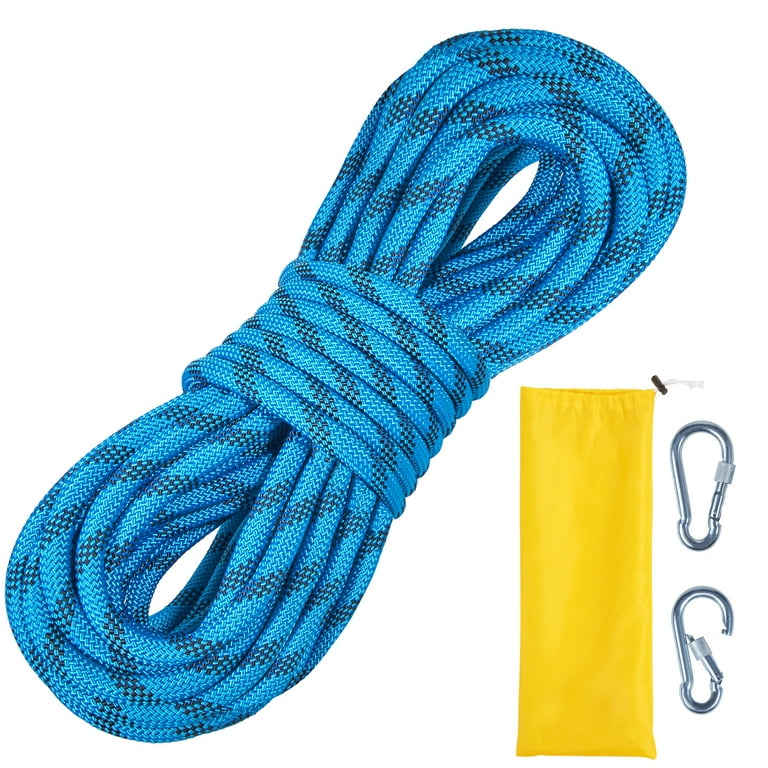
Credit: www.walmart.com
Choosing The Right Rope
Choosing the right rope for climbing gym activities is crucial. Safety and performance hinge on using the correct type. Static and dynamic ropes serve different purposes. Understanding which to choose can make your climbing experience safer and more enjoyable.
Factors To Consider
Consider the type of climbing you plan to do. Static ropes don’t stretch much. They are ideal for rappelling and rescue work. Dynamic ropes stretch to absorb impacts. This makes them suitable for lead climbing. Rope diameter is also important. Thinner ropes are lighter and easier to handle. Thicker ropes offer more durability. Decide based on your skill level and climbing needs.
Gym Policies And Recommendations
Check your gym’s policies regarding rope usage. Some gyms may have specific guidelines. They might recommend dynamic ropes for lead climbing. Static ropes could be preferred for top-roping. It’s always best to follow gym recommendations. They are designed with safety in mind. Speak with gym staff if unsure. They can provide guidance based on their policies. Ensure you comply with these for a safe climbing experience.
Maintenance And Care
Understanding rope types is crucial for climbing safety. Climbing gym ropes are often dynamic, designed to stretch and absorb impact during falls. Regular inspection ensures they remain reliable and safe for all climbers.
Maintaining and caring for your climbing gym rope is crucial to ensure safety and longevity. Whether your rope is static or dynamic, proper care will keep it in optimal condition. Regular maintenance not only extends the life of your rope but also enhances your climbing experience. Imagine the peace of mind you’ll have knowing your gear is reliable. Let’s dive into some practical tips for keeping your rope in top shape.Inspection Tips
Regular inspections are essential. Before each climb, check your rope for signs of wear and tear. Look for frayed strands, cuts, or soft spots that could compromise its integrity. Run your hands along the entire length to feel for any inconsistencies. If you notice any significant damage, consider retiring the rope. Safety should always be your top priority. Pay attention to the ends of the rope. These areas often bear the most stress and can wear out faster. Ensure they are in good condition and haven’t started unraveling. A quick inspection can be the difference between a safe climb and a risky one.Storage Guidelines
Proper storage of your climbing rope is just as important as regular inspections. Store your rope in a cool, dry place, away from direct sunlight. Prolonged exposure to UV rays can weaken the fibers. Moisture can also degrade the material, so avoid damp areas. Consider using a rope bag for added protection. A good rope bag prevents dirt and grime from accumulating on your rope. It also makes transportation easier and reduces the risk of tangling. Remember, a well-stored rope will last longer and perform better. Taking the time to care for your climbing gym rope can make all the difference in your climbing adventures. Do you have any unique tips for maintaining your gear?
Credit: rightrope.com
Frequently Asked Questions
Is Climbing Rope Static Or Dynamic?
Climbing ropes are either dynamic or static. Dynamic ropes stretch to absorb impact during falls. Static ropes are designed for rappelling and hauling, offering minimal stretch for stability. Always choose the right type based on your climbing activity.
Are Gym Ropes Static?
Gym ropes, often referred to as battle ropes, are not static. They are flexible and designed for dynamic exercises. These ropes allow for a wide range of movements to enhance strength and endurance. Their flexibility makes them suitable for various fitness routines, providing an effective full-body workout.
What Type Of Exercise Is Rope Climbing Considered?
Rope climbing is a strength and endurance exercise. It targets upper body muscles, improving grip, arm, and core strength. This challenging activity boosts cardiovascular fitness and enhances coordination, offering a full-body workout experience that builds muscle and increases stamina effectively.
Can You Climb With Static Rope?
Static ropes are not ideal for climbing. They lack flexibility and shock absorption needed for dynamic falls. Use dynamic ropes for climbing to ensure safety and performance. Static ropes are better suited for abseiling, rescue operations, or hauling gear. Prioritize your safety by choosing the right rope for climbing activities.
Conclusion
Choosing the right climbing gym rope is crucial. Static ropes offer stability. They are ideal for hauling and rescue. Dynamic ropes stretch under load. Perfect for lead climbing and falls. Understanding your climbing needs helps. This ensures safety and performance.
Always consult with experts at your gym. They can guide you on the best choice. Safety should always come first. Enjoy your climbing adventures with the right equipment. Stay informed. Stay safe. And most importantly, have fun!