Are you curious about how your height might affect your muscle-building journey? If you’re on the shorter side, you might have wondered whether this gives you an advantage in the gym.
The question, “Is it easier to build muscle when short? ” Isn’t just a fleeting thought—it’s an intriguing topic that could change the way you approach your workouts. Imagine unlocking secrets that could redefine your fitness strategy. Understanding the connection between height and muscle growth could empower you to optimize your efforts, making every lift and every rep count.
Get ready to explore the science, debunk myths, and discover practical tips that could transform your muscle-building journey. Dive in to see how your stature might just be your secret weapon.

Credit: www.reddit.com
Muscle Building Basics
Building muscle can be a thrilling journey, especially for those of you who are shorter in stature. Understanding the basics of muscle building is crucial to your success. You might be wondering if your height plays a role in how easily you can build muscle. Let’s explore some key principles and see how genetics might affect your muscle growth.
Key Principles Of Hypertrophy
Hypertrophy refers to the increase in muscle size. To achieve this, you need to focus on three main principles: tension, damage, and stress.
- Tension:Lifting heavier weights creates tension in your muscles, which leads to growth. Gradually increase your weights to continuously challenge your muscles.
- Damage:Muscle fibers break down during workouts, especially with eccentric movements like lowering weights slowly. This damage is repaired, making muscles bigger and stronger.
- Stress:Your body adapts to repeated stress. Vary your workout routine to keep your muscles guessing and growing.
Are you applying these principles in your workouts? Consistency and intensity are your best friends in building muscle.
Role Of Genetics In Muscle Growth
Genetics play a significant role in how easily you can build muscle. Some people have a genetic advantage in muscle growth.
If you have more fast-twitch muscle fibers, you might build muscle quicker. These fibers respond well to explosive movements like sprinting or lifting heavy weights.
But don’t worry if you don’t have this genetic edge. Everyone can build muscle with the right training and nutrition. Examine your own progress and adjust your strategy accordingly.
Have you ever noticed how some people seem to gain muscle effortlessly while others struggle? Understanding your body’s unique response to exercise can help tailor your approach.
So, whether you’re short or tall, knowing these basics will empower you to maximize your muscle-building potential. What steps will you take to optimize your muscle growth journey today?
Body Height And Muscle Development
Body height plays a crucial role in muscle development. People often wonder if shorter individuals find it easier to build muscle. The relationship between height and muscle gain is complex. It involves factors like leverage, muscle fiber distribution, and bone structure. Understanding these aspects can help in planning effective workouts.
Impact Of Height On Muscle Gain
Height affects muscle gain in various ways. Shorter limbs often mean better leverage in exercises. This can make lifting weights easier for shorter people. They may need less energy for the same range of motion. Taller individuals might have longer limbs, which can increase the difficulty of certain lifts. This can impact how quickly they gain muscle. But it doesn’t mean taller people can’t build muscle effectively. They just might need different strategies.
Comparative Anatomy: Short Vs Tall
Short and tall people have different body mechanics. Short individuals often have compact torsos and limbs. This can create a natural advantage in strength exercises. Their muscles have to cover a smaller area. This can make muscle growth more visible. Tall individuals have longer muscles and bones. Their muscle growth might be less obvious. But their potential for muscle mass is still significant. Understanding these differences can help tailor workout plans.
Advantages Of Being Short In Muscle Building
Short stature often brings unexpected perks in muscle building. Those with a compact frame can exploit certain physiological advantages. These benefits can make muscle growth more efficient and effective. Let’s explore these unique advantages.
Leverage And Range Of Motion
Short limbs provide better leverage in weightlifting. This can result in greater force exertion during exercises. A reduced range of motion can enhance this effect. Movements like squats and bench presses become more manageable. Shorter limbs require less energy for complete motion.
Strength-to-weight Ratio Benefits
Shorter individuals often have a higher strength-to-weight ratio. This means they can lift more relative to their body weight. A high strength-to-weight ratio improves performance in many exercises. It also supports better muscle development over time.
Credit: www.youtube.com
Challenges For Short Individuals
Short individuals face unique challenges in bodybuilding. Height affects muscle distribution and appearance. Shorter limbs may lead to faster muscle gains visually. Yet, it also presents distinct hurdles.
Reaching equipment and performing exercises can be difficult. Adjustments become necessary for comfortable and effective workouts. Short individuals may feel overlooked in fitness settings.
Common Misconceptions
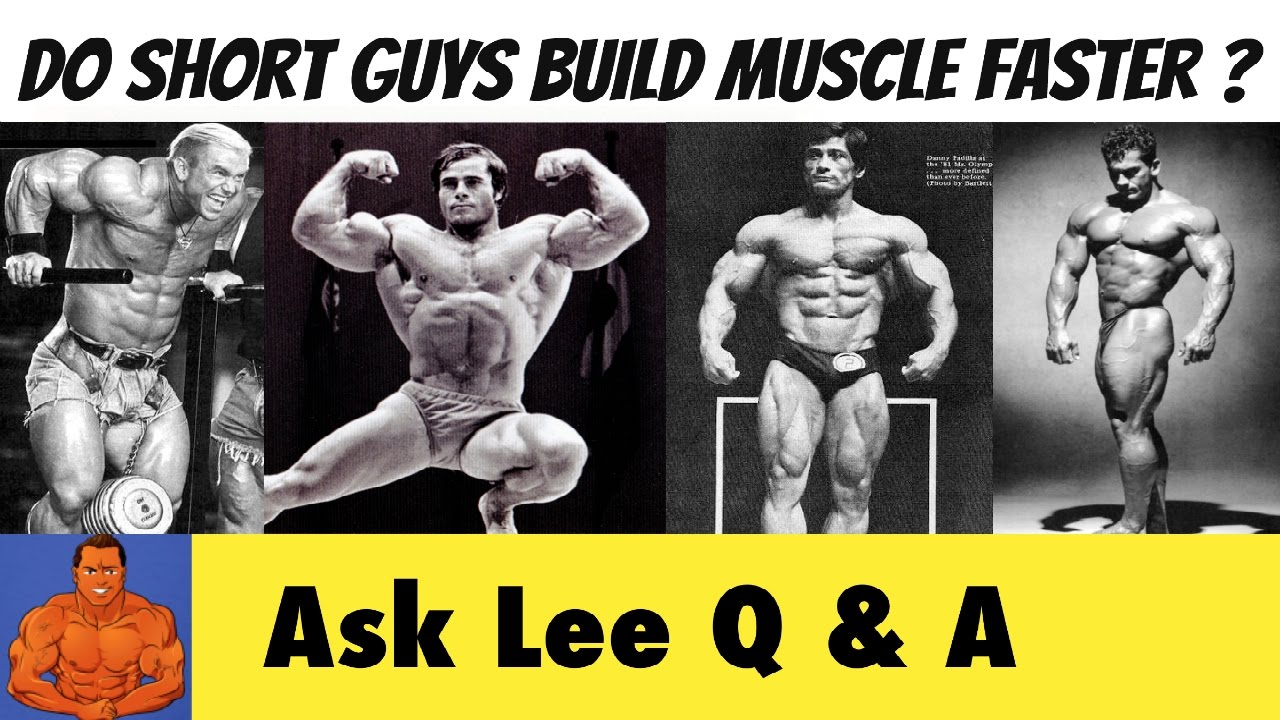
Many believe short people build muscle faster. This is not always true. Muscle growth depends on genetics, diet, and training. Height is just one factor.
Another misconception is that shorter people have an easier time lifting weights. While leverage is beneficial, weight training is complex. It requires technique, consistency, and dedication.
Overcoming Psychological Barriers
Short individuals often face self-esteem issues. Societal standards emphasize height in fitness. This can affect confidence and motivation.
To overcome these barriers, focus on personal goals. Celebrate small victories and progress. Building muscle is a personal journey, not a comparison.
Support from friends and trainers can boost morale. Embrace a positive mindset for successful muscle building.
Training Strategies For Optimal Muscle Growth
When you’re short, you might wonder if building muscle is easier or harder compared to taller folks. The truth is, with the right training strategies, anyone can achieve optimal muscle growth. Your height might actually give you an advantage in some exercises. Let’s dive into some practical training strategies that can help you maximize your muscle growth.
Effective Exercise Selection
Choosing the right exercises is crucial for muscle growth. Shorter limbs can mean a shorter range of motion, which can be a boon in certain lifts. For instance, exercises like squats or bench presses might feel more natural and allow you to load more weight.
Focus on compound exercises that work multiple muscles at once. Deadlifts, pull-ups, and overhead presses are excellent choices. These exercises not only build strength but also enhance muscle size and definition.
Don’t shy away from trying different variations. Experiment with grip width or stance to find what works best for your body. Personal experience shows that sometimes tweaking the smallest detail can make a big difference in performance.
Tailoring Workouts To Body Type
Understanding your body type can help tailor workouts for better results. Shorter individuals often have a natural advantage in powerlifting due to shorter levers. This can translate into quicker gains in strength and muscle mass.
Consider adjusting your workout volume and frequency. If you notice quicker recovery times, you might benefit from more frequent sessions. Listen to your body and adapt accordingly.
Think about your goals. Are you aiming for strength, size, or endurance? Adjust your sets, reps, and rest periods to align with your objectives. The key is to remain flexible and responsive to how your body reacts.
Are you ready to fine-tune your training? Remember, the journey to muscle growth is personal and unique. Tailor your strategy to suit your strengths, and watch your progress unfold.
Nutrition And Recovery
Shorter individuals often find muscle building easier due to compact limb length. This allows for more efficient leverage. Nutrition plays a crucial role, aiding recovery and supporting muscle growth. Proper diet ensures quick repair and strengthens muscles, making gains attainable.
Building muscle is a journey that involves more than just lifting weights. Nutrition and recovery play crucial roles, especially for those who are shorter in stature. While genetics might offer some advantages, it’s essential to focus on the right diet and allow your body the time it needs to recover. Let’s dive into how you can optimize these aspects to enhance your muscle-building efforts.Dietary Needs For Muscle Gain
Your diet is the foundation of muscle growth. You need to consume more calories than you burn, but it’s vital to make them count. Prioritize protein-rich foods like chicken, fish, and legumes, as protein is the building block of muscles. Carbohydrates are equally important. They provide the energy needed for intense workouts. Opt for whole grains, fruits, and vegetables to fuel your training sessions. Fats, often overlooked, are essential for hormone production. Include healthy fats from sources like avocados and nuts. Tracking your macros can be a game-changer. Consider using a food diary or an app to monitor your protein, carb, and fat intake. Are you hitting your daily targets?Importance Of Rest And Recovery
Recovery is as important as your workout routine. Your muscles need time to repair and grow stronger. Aim for 7-9 hours of quality sleep each night to support muscle recovery and overall health. Incorporate rest days into your weekly schedule. Overtraining can lead to injuries and burnout. Listen to your body and adjust your workouts accordingly. Hydration is also key. Water supports every cellular function, including muscle repair. Make it a habit to drink water throughout the day. How well are you hydrating your body? Combining the right nutrition with adequate recovery can significantly impact your muscle-building progress. Focus on these elements, and you’ll likely see better results.Real-life Success Stories
Being shorter might make it easier to build muscle, as muscles have less distance to cover. Real-life success stories show shorter individuals often achieve impressive muscle growth, highlighting advantages in strength training.
When it comes to building muscle, you might wonder if your height plays a significant role. Many believe shorter individuals have a unique advantage. Real-life success stories often provide compelling insights into this discussion. Let’s dive into the experiences of short athletes who have excelled in muscle building and what they have learned along the way.Inspiring Accounts Of Short Athletes
Short athletes have often defied expectations with their impressive muscle gains. Take Tom, a 5’5″ weightlifter, who initially struggled to find his footing in the gym. With determination, he discovered that his shorter limbs allowed for better leverage, enabling him to lift heavier weights over time. Another example is Sarah, a 5’2″ bodybuilder, who found her height advantageous in achieving a more defined physique. She noticed that her shorter muscle fibers gave her a denser appearance, making her gains more noticeable. These stories illustrate that being short doesn’t limit your potential in muscle building.Lessons Learned From Experience
What can you learn from these athletes? First, embrace your unique body type. Tom learned to focus on exercises that complemented his leverage, maximizing his gains. Similarly, Sarah realized the importance of tailoring her diet to her specific needs, emphasizing protein-rich meals to support muscle growth. Short athletes often remind us of the power of mindset. They emphasize setting realistic goals and celebrating small victories along the way. Ask yourself, how can you adopt a similar approach in your journey? Remember, it’s not just about the destination but the lessons learned during the process. By focusing on your strengths and learning from the experiences of others, you can carve your own path to muscle-building success, regardless of your height.
Credit: medium.com
Frequently Asked Questions
Does Height Affect Muscle-building Efficiency?
Height can influence muscle-building efficiency. Shorter individuals may have an advantage due to shorter limb lengths, enabling easier weight lifting. However, muscle growth largely depends on training regimen, diet, and genetics rather than height alone.
Is Muscle Growth Faster For Shorter People?
Shorter people might experience faster muscle growth due to shorter muscle fibers needing less time to show results. Despite this, consistent training, proper nutrition, and genetics are crucial factors that determine overall muscle growth and development.
Are Short Limbs Beneficial For Strength Training?
Short limbs can be beneficial for strength training. They allow more efficient leverage and easier lifting mechanics. This can result in improved performance during weightlifting exercises, making strength training slightly more advantageous for individuals with shorter limbs.
Can Short Individuals Gain Muscle Mass Easily?
Short individuals might find gaining muscle mass slightly easier due to favorable biomechanics. The reduced distance for muscle contraction can enhance lifting efficiency. However, achieving muscle mass still requires a dedicated regimen including proper exercise, nutrition, and rest.
Conclusion
Building muscle depends on many factors, not just height. Short individuals might find some exercises easier. They may lift heavier weights due to shorter limb leverage. Everyone should focus on consistency and proper nutrition. These are key for muscle growth.
Exercise routines must suit individual needs. Listen to your body and adjust workouts accordingly. Stay motivated and enjoy the process. Short or tall, dedication makes all the difference. Keep challenging yourself and track your progress. Remember, fitness is a personal journey.
Each step forward is a win. Celebrate your achievements and stay committed.