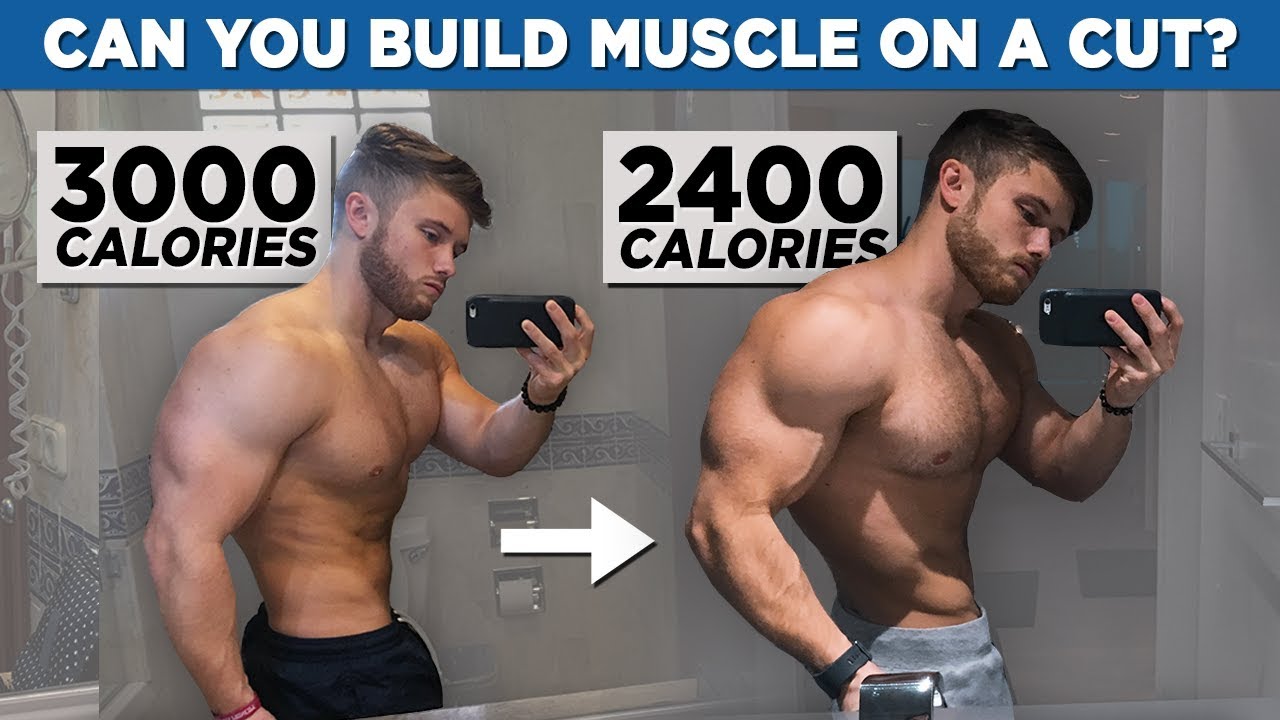
Imagine unlocking the secret to shedding fat while simultaneously building muscle. It sounds like a fitness fairy tale, doesn’t it?
Yet, this is the burning question that many fitness enthusiasts, like yourself, ponder: Is it possible to build muscle in a calorie deficit? You’ve probably heard countless times that losing weight requires consuming fewer calories than you burn, while building muscle requires a surplus of calories.
The idea of achieving both goals at once seems contradictory. But what if you could have the best of both worlds? We’ll dive deep into this intriguing topic. We’ll explore whether you can truly sculpt the body you desire without having to choose between gaining muscle and losing fat. You’ll discover the science behind muscle growth and weight loss, and learn practical tips that could revolutionize your approach to fitness. So, if you’re curious about the possibility of transforming your physique while trimming your calorie intake, you’re in the right place. Get ready to challenge conventional wisdom and unlock new potential in your fitness journey.

Credit: sci-fit.net
Calorie Deficit Basics
Understanding calorie deficit is key to building muscle while losing fat. It involves consuming fewer calories than your body needs. This leads to fat loss as your body uses stored energy. But can you build muscle during this process? Let’s explore the basics.
Defining Calorie Deficit
A calorie deficit occurs when you eat less than your body burns. Your body then uses stored fat for energy. This results in weight loss. Creating a calorie deficit requires careful planning. You need to track your food intake and exercise regularly.
How Calorie Deficit Affects The Body
A calorie deficit can change your body’s energy balance. Your metabolism might slow down. This happens to preserve energy. Your body begins to burn fat for fuel. But it also needs nutrients to build muscle. Eating enough protein helps maintain muscle mass. Exercise, especially strength training, is crucial. It stimulates muscle growth and strength. Balancing these factors can support muscle building in a deficit.
Muscle Building Fundamentals
Building muscle on a calorie deficit might sound challenging. But it’s possible with the right strategies. Understanding muscle building fundamentals is key. Let’s dive into what makes muscle growth possible, even when eating fewer calories.
Role Of Protein In Muscle Growth
Protein is crucial for muscle repair and growth. It provides the building blocks needed for muscle development. Eating enough protein helps maintain muscle mass. Especially when you’re in a calorie deficit. Aim for protein-rich foods like chicken, fish, and legumes. This helps the body repair muscles after workouts.
Importance Of Strength Training
Strength training is vital for muscle growth. It stimulates muscle fibers, prompting them to grow stronger. Lifting weights or using resistance bands can be effective. Consistent training is important. It helps preserve muscle mass during a calorie deficit. Focus on compound exercises like squats and deadlifts. They engage multiple muscle groups, enhancing overall muscle growth.
Calorie Deficit And Muscle Gain
Building muscle while in a calorie deficit seems challenging. Your body requires energy to fuel workouts and repair muscles. A calorie deficit means consuming fewer calories than your body needs. This creates a tricky situation. Many people assume muscle gain isn’t possible while losing weight. But is it really impossible? Let’s explore how it can be achieved.
Challenges Of Building Muscle In A Deficit
When calories are limited, energy can be scarce. Your body might struggle to support muscle growth. Muscles need nutrients to grow and repair. Lack of calories might mean lack of nutrients. Protein intake is crucial, yet often overlooked. Without enough protein, muscle synthesis slows down. Furthermore, strength training requires energy. A calorie deficit can lead to fatigue, affecting workouts. Recovery times might be longer too. Energy is needed for muscle recovery. These challenges can make muscle gain difficult.
Possible Scenarios For Success
Despite challenges, muscle gain in a deficit is possible. Beginners often see results. Their bodies adapt quickly. This is known as “newbie gains.” Consistent strength training helps maintain muscles. Prioritizing protein intake is key. It supports muscle repair and growth. Eating nutrient-rich foods is beneficial. They provide vitamins and minerals needed for energy. Ensure adequate rest between workouts. Recovery is vital for muscle growth. Tracking progress helps stay motivated. Small victories can lead to big results.

Credit: sci-fit.net
Scientific Evidence
Building muscle while in a calorie deficit sounds like a contradiction, doesn’t it? Yet, scientific evidence suggests that it’s not just a fitness myth. Understanding how muscle growth works while consuming fewer calories is crucial for anyone looking to lose fat while gaining strength. Let’s dive into the science behind this intriguing concept.
Research Studies And Findings
Several studies reveal that it’s indeed possible to gain muscle while in a calorie deficit. A 2016 study published in the “Journal of the International Society of Sports Nutrition” found that participants who engaged in resistance training while consuming fewer calories could increase muscle mass.
Researchers have observed a significant muscle gain in individuals who maintained high protein intake during their calorie deficit. This highlights the importance of protein in muscle synthesis and maintenance.
Another study showed that trained athletes could preserve muscle mass and even enhance muscle growth during a calorie deficit by optimizing their workout intensity. Ever wondered how those fitness models maintain their lean physique? Well, they might be onto something with their rigorous training regime!
Expert Opinions
Fitness experts agree that muscle growth in a calorie deficit is challenging but possible. Renowned strength coach Mike Israetel emphasizes the importance of tailoring workouts to focus on muscle hypertrophy. He suggests maintaining a high volume of resistance exercises to stimulate muscle growth despite calorie limitations.
Nutritionists often stress the need for a balanced diet rich in proteins and essential nutrients. Dr. Brad Schoenfeld, a leading researcher in muscle hypertrophy, advises consuming protein-rich foods to support muscle preservation and growth. Have you ever considered how crucial your diet is in your fitness journey?
Experts also highlight the role of strategic meal timing. Consuming protein-rich meals post-workout can significantly enhance muscle recovery and growth. Have you tried adjusting your meal times to better suit your workout schedule?
So, is it possible to build muscle in a calorie deficit? The scientific evidence and expert insights offer a resounding yes. It’s a challenging path, but with the right strategies, you can achieve your fitness goals. Are you ready to rethink your approach and give it a try?
Strategies For Success
Building muscle in a calorie deficit is challenging but possible. Focus on strength training and adequate protein intake. Consistency and smart nutrition are key strategies for success.
Building muscle while in a calorie deficit might sound like a challenge, but with the right strategies, it’s entirely possible. The key lies in balancing nutrition, exercise, and progress tracking. You can achieve your fitness goals even when consuming fewer calories. Let’s dive into the essential strategies for success.Optimizing Nutrition
Focus on consuming high-quality proteins. Foods like chicken, fish, and beans provide essential amino acids that support muscle growth. Balance your meals with healthy fats and carbs to fuel workouts. Avocados, nuts, and whole grains are great options. Timing is crucial—consider eating protein-rich meals right after workouts to aid recovery. Are you making the most of your meals?Effective Workout Plans
Prioritize strength training exercises. Lifting weights can help maintain muscle mass even when you’re in a calorie deficit. Include compound movements like squats and deadlifts to engage multiple muscle groups. These exercises maximize efficiency and results. Short and intense workouts can be more beneficial than long sessions. Are your workouts pushing your limits?Monitoring Progress
Track your workouts and nutrition consistently. Keeping a journal helps identify what’s working and where adjustments are needed. Pay attention to your energy levels and mood. Changes can indicate if your strategy needs tweaking. Regularly assess your muscle definition and strength. Are you noticing improvements in your physique? Building muscle in a calorie deficit requires dedication and smart strategies. How will you tailor your approach to achieve your goals?
Credit: m.youtube.com
Common Misconceptions
Many believe building muscle on a calorie deficit is impossible. This misconception often leads to confusion and misinformation. Some people give up their fitness goals prematurely because of these myths. Understanding the truth can help you achieve your muscle-building objectives.
Myths About Muscle Gain And Calorie Deficit
One myth claims that muscles only grow with a calorie surplus. This isn’t entirely true. Muscle growth depends on strength training and protein intake. Calories play a role, but they aren’t the sole factor. Another myth is that eating less always leads to muscle loss. While a calorie deficit does reduce body weight, targeted nutrition and exercise can preserve muscle mass.
Some think protein shakes alone build muscle. That’s inaccurate. Protein supplements support muscle repair but don’t replace hard work. Many also believe that cardio is the enemy of muscle growth. Cardio can coexist with strength training if balanced correctly.
Clarifying Common Confusions
Muscle gain during a calorie deficit is challenging, but possible. It requires a balance of strength training and proper nutrition. Prioritize protein-rich foods to support muscle repair and growth. Focus on compound exercises to maximize muscle engagement. These exercises target multiple muscle groups at once.
Another confusion involves the role of rest. Rest is crucial for muscle recovery and growth. Overworking muscles without rest can lead to injury. Ensure you get adequate sleep and recovery time. Sleep helps the body repair and build new muscle tissue.
Finally, consistency trumps intensity. Regular, moderate workouts yield better results than sporadic intense sessions. Keep a steady routine and monitor your progress. Adjust your diet and workouts as needed to stay on track.
Frequently Asked Questions
Can You Build Muscle On 1200 Calories A Day?
Building muscle on 1200 calories a day is challenging due to insufficient energy. Adequate nutrition is crucial for muscle growth. Consuming more calories helps support muscle repair and growth. Consult a nutritionist to tailor a diet plan that fits your goals and ensures proper nutrient intake.
Is 1500 Calories A Day Enough To Lose Weight And Gain Muscle?
1500 calories may not be enough for gaining muscle, especially for active individuals. Weight loss depends on metabolism and activity level. Consult a nutritionist for personalized advice. Balancing protein, carbs, and fats is crucial for muscle gain while losing weight.
Prioritize strength training and adequate protein intake.
What Happens If I Lift Weights While In A Calorie Deficit?
Lifting weights during a calorie deficit helps maintain muscle mass and boosts metabolism. It aids fat loss while preserving strength. Ensure adequate protein intake to support muscle repair and growth. Proper rest and hydration also enhance recovery and performance. Balance workouts with nutrition for optimal results.
Should You Lose Fat Or Build Muscle First?
Decide based on personal goals and body composition. Focus on losing fat if you have excess weight. Prioritize muscle building if you’re lean. Balanced diet and exercise are crucial for both. Tailor your plan to fit individual needs for optimal results.
Conclusion
Building muscle in a calorie deficit is challenging but possible. Focus on protein intake. Maintain regular strength training. Prioritize sleep and recovery. Monitor progress and adjust as needed. Don’t rush; muscle growth takes time. Balance is key. Eating enough nutrients supports muscle repair.
Consistency matters more than perfection. Listen to your body. Avoid extreme deficits. Aim for gradual changes. Stay patient and committed. Results will come with effort. Remember, a healthy lifestyle supports muscle goals. Embrace the journey. Make informed choices. Stay motivated and enjoy the process.
Your body will thank you.