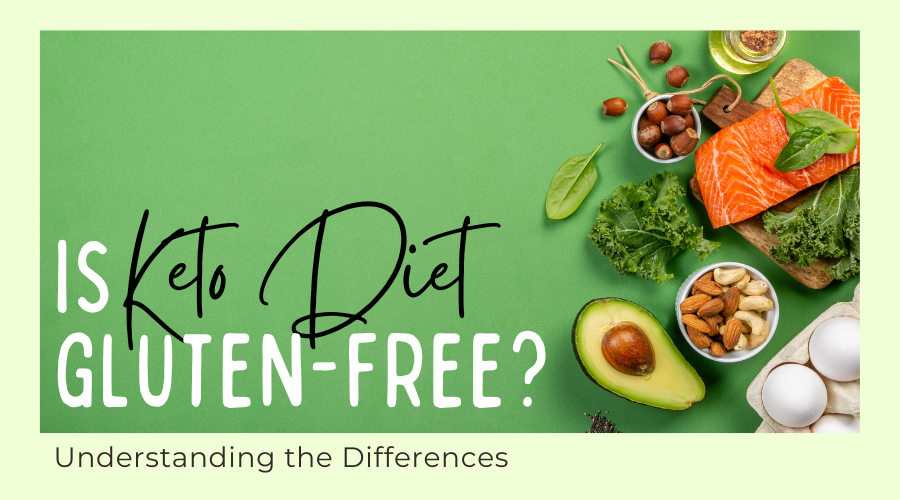
Are you curious about the keto diet and wondering if it fits within your gluten-free lifestyle? You’re not alone.
The quest for a healthier lifestyle often leads us to explore different diet plans, but the maze of dietary restrictions can be overwhelming. Imagine indulging in your favorite meals without the fear of gluten sneaking in. Sounds like a dream, right?
This article will unravel the mystery surrounding the keto diet and its compatibility with gluten-free living. Stick around to discover whether you can enjoy the benefits of both without compromising your health or taste buds. Your journey to informed eating begins here, and you won’t want to miss what we’ve uncovered.
Credit: layitflat.com
Keto Diet Basics
The keto diet has gained popularity for its unique approach to weight loss. It focuses on transforming how your body uses energy. By drastically reducing carbs, the body enters a state called ketosis. This metabolic state uses fat instead of carbs for fuel. Many wonder if this diet is gluten-free. Understanding the keto diet basics helps answer this question.
Low Carb Focus
The keto diet prioritizes low carb intake. Carbs usually consist of bread, pasta, and other grains. These foods often contain gluten. By eliminating most carbs, the keto diet naturally reduces gluten consumption. People on keto eat vegetables, meat, and healthy fats. This shift reduces gluten without extra effort.
High Fat Content
Fat is the main energy source in the keto diet. Healthy fats like avocados, olive oil, and nuts are staples. Butter and cheese also fit into this high-fat plan. Most fats and oils are naturally gluten-free. This makes the keto diet a good option for those avoiding gluten. It focuses on fats, not grains, ensuring a lower gluten intake.
Gluten-free Diet Essentials
Embarking on a gluten-free journey can often feel like stepping into an entirely new world of eating. Whether you’re considering a gluten-free diet for medical reasons or simply exploring healthier options, understanding the essentials is vital. The keto diet, known for its low-carb, high-fat approach, often overlaps with gluten-free requirements, but it’s crucial to know the details. So, is the keto diet gluten-free? Let’s dive into the essentials to clear up the confusion.
What Gluten Is
Gluten is a group of proteins found primarily in wheat, barley, and rye. It’s what gives bread its chewy texture and dough its elasticity. For those with celiac disease or gluten sensitivity, consuming gluten can lead to serious health issues.
Imagine biting into a warm, fluffy piece of bread. That delightful texture comes from gluten. Yet, for many, this seemingly harmless protein can be a source of discomfort and health problems.
If you’re considering a gluten-free lifestyle, understanding what gluten is helps you make informed food choices. Knowledge is your first step towards a healthier you.
Common Sources Of Gluten
Gluten lurks in many everyday foods, sometimes in unexpected places. Bread, pasta, and baked goods are obvious culprits. However, gluten can also be found in sauces, soups, and processed foods.
Did you know soy sauce often contains gluten? When dining out or grocery shopping, it’s crucial to read labels carefully. This vigilance helps you avoid gluten and stick to your dietary goals.
Consider creating a list of gluten-free alternatives for common gluten-rich foods. This can make meal planning easier and more enjoyable. You might even discover new favorite foods in the process.
As you explore the world of gluten-free living, remember that it’s not just about cutting out certain foods. It’s about embracing new, delicious options that support your health and well-being.
Keto Diet And Gluten-free Compatibility
Exploring whether the keto diet is gluten-free unveils a compelling compatibility. Keto focuses on low-carb, high-fat foods, which often excludes gluten-rich ingredients. This makes many keto recipes naturally gluten-free, catering to those with gluten sensitivities or celiac disease.
Keto Diet and Gluten-Free Compatibility Are you considering a keto diet but concerned about gluten? You’re not alone. Many people wonder if they can follow a keto lifestyle and still avoid gluten. The good news is that the keto diet is naturally low in gluten. However, there are some nuances to consider. The keto diet focuses on high fat, moderate protein, and low carb intake. Gluten, a protein found in wheat, barley, and rye, is not a primary component of this eating plan. But does that mean all keto foods are gluten-free? Let’s dive into the details.Overlap In Food Choices
The keto diet emphasizes foods like meats, fish, eggs, dairy, nuts, and low-carb vegetables. These are naturally gluten-free, giving you a strong starting point. For instance, leafy greens, avocados, and cheese are keto staples that don’t contain gluten. However, be cautious with processed keto products. Many keto-friendly snacks and baked goods may use gluten-containing ingredients. Always check labels to ensure they fit both keto and gluten-free criteria. Think about your daily meals. Are there gluten-free alternatives you haven’t tried yet? Cauliflower rice and zucchini noodles are great examples that align with both diets.Potential Pitfalls
While the overlap is promising, there are pitfalls to watch out for. Cross-contamination can occur, especially in packaged foods. If you’re sensitive to gluten, even trace amounts can cause issues. Many keto recipes call for almond or coconut flour, which are gluten-free. But always verify if they were processed in a gluten-free environment. It’s easy to overlook these details when you’re focused on carb counts. Social situations can also pose challenges. Dining out may require extra vigilance to ensure meals meet both keto and gluten-free standards. Don’t hesitate to ask restaurant staff about food preparation. Have you encountered any unexpected challenges while balancing keto and gluten-free? Share your experiences in the comments. Your tips could help someone else on their journey.
Credit: porkrinds.com
Common Keto Foods Without Gluten
The Keto diet is famous for its low carb, high fat approach. Many people wonder if it is gluten-free. Fortunately, most keto foods naturally avoid gluten. This makes it a suitable choice for those who are gluten-sensitive. Below are some common keto foods that do not contain gluten.
Meat And Seafood
Meat is a staple in the keto diet. Beef, chicken, and pork are naturally gluten-free. They are rich in protein and fats. Seafood is also a great option. Fish and shrimp provide essential nutrients without gluten. Choose fresh or frozen options for maximum benefits.
Low Carb Vegetables
Vegetables are crucial for a balanced keto meal. Many are low in carbs and gluten-free. Broccoli, spinach, and cauliflower fit well in keto plans. They offer vitamins and minerals without adding gluten. Cook them with healthy oils to enhance flavors.
Nuts And Seeds
Nuts are perfect for snacking on a keto diet. Almonds and walnuts are low in carbs and gluten-free. Seeds like chia and flax add fiber and nutrients. They can be used in smoothies or sprinkled on salads. These choices support a healthy keto lifestyle.
Hidden Gluten In Keto Diet
The keto diet is often seen as gluten-free. Yet, hidden gluten can sneak in. Gluten is a protein found in wheat, barley, and rye. It can appear in unexpected places. This is especially true in processed foods and condiments. Understanding these hidden sources is important. It helps maintain a truly gluten-free keto diet.
Processed Foods
Processed foods are a common part of many diets. They can contain hidden gluten. Some keto-friendly snacks are processed. They might use gluten as a filler or preservative. Always check labels carefully. Look for ingredients like malt, which is barley-based. Be wary of modified food starch. It can come from wheat.
Condiments And Sauces
Condiments and sauces add flavor to meals. They can hide gluten. Soy sauce, for instance, often contains wheat. Choose tamari sauce instead. It’s usually gluten-free. Salad dressings may also contain gluten. Check for ingredients like malt vinegar or soy sauce. Always read the labels before using them.

Credit: www.naturallygluten-free.com
Tips For Gluten-free Keto Success
Many wonder if the keto diet is gluten-free. It can be, since keto focuses on low-carb foods. To succeed, choose naturally gluten-free options like vegetables and meats, ensuring you meet keto’s carb limits while avoiding gluten.
Embarking on a gluten-free keto journey can seem daunting, but with the right tips, it becomes manageable and rewarding. The beauty of the keto diet is its focus on low-carb, high-fat foods, which naturally align with many gluten-free options. However, vigilance is key, especially in avoiding hidden sources of gluten. With some strategic planning and attention to detail, you can achieve success without compromising flavor or variety.Reading Labels
Gluten can hide in the most unexpected places, even in foods you wouldn’t suspect. Reading labels becomes a crucial skill to master. Look out for ingredients like wheat, barley, and rye. Check for gluten-free certifications to make shopping easier. If you’re unsure, a quick online search can help you verify the safety of certain products. Be cautious with processed foods. They often contain additives and fillers that might include gluten, even if they seem keto-friendly.Meal Planning Strategies
Planning your meals helps prevent last-minute decisions that might lead to gluten exposure. Focus on whole foods like meats, vegetables, and healthy fats, which are naturally gluten-free. Create a weekly meal plan and prep ingredients in advance. This saves time and ensures you always have a gluten-free keto option at hand. Experiment with gluten-free keto recipes. Try using almond flour or coconut flour instead of wheat flour in baked goods. You might discover new favorites that make your diet exciting. Navigating a gluten-free keto lifestyle is all about staying informed and prepared. Have you ever considered how a small tweak in your routine could lead to big health improvements? Making thoughtful food choices empowers you to take control of your diet and well-being.Benefits Of Combining Keto And Gluten-free
Combining the keto diet with a gluten-free lifestyle offers numerous benefits. Many people are exploring this combination for better health. The keto diet focuses on low carbs and high fats. Gluten-free means avoiding gluten found in wheat, barley, and rye. Together, they can enhance your overall well-being. Let’s dive into the benefits of this powerful duo.
Improved Digestion
Many experience better digestion by adopting keto and gluten-free diets. Gluten can cause bloating and discomfort for sensitive individuals. Removing gluten can ease these symptoms. The keto diet also supports gut health. It encourages healthy fats and low carbs. This combination promotes a balanced gut environment. Digestive issues often lessen over time.
Enhanced Weight Loss
The keto diet is famous for weight loss. It forces the body to burn fat for fuel. A gluten-free approach can further support this process. Without gluten, many find they consume fewer processed foods. This often leads to reduced calorie intake. Together, these diets help maintain a healthy weight. Many people report feeling fuller and more satisfied.
Challenges Of A Keto Gluten-free Diet
The keto diet is popular for weight loss. Combining it with gluten-free can be tough. Many face challenges in maintaining this lifestyle. Two major hurdles include limited food options and nutritional balance.
Limited Food Options
Finding gluten-free and keto-friendly foods is hard. Bread and pasta are out. Many processed foods contain hidden gluten. Keto limits carbs. Gluten-free products often have high carbs. This narrows choices even more.
People must avoid grains, rice, and corn. These are common gluten-free staples. Keto limits these too. Shopping requires careful label reading. Cooking at home is often necessary. Creativity in meals is essential.
Nutritional Balance
Maintaining nutritional balance is crucial. Keto focuses on high fat and low carbs. Gluten-free means avoiding wheat, barley, and rye. This combination can lack essential nutrients.
Fiber intake can suffer. Fruits and whole grains are limited. People need to find alternative sources. Nuts, seeds, and leafy greens help. Vitamins and minerals may need supplements.
Protein sources can be tricky. Many are gluten-free but may not fit keto. Lean meats and eggs work well. Planning meals is important. Balance is key for health and energy.
Frequently Asked Questions
Can You Eat Gluten-free Pasta On Keto?
Gluten-free pasta isn’t typically keto-friendly. Most contain carbs that exceed keto limits. Check labels for low-carb options.
Is Keto Bread The Same As Gluten-free?
Keto bread is not the same as gluten-free bread. Keto bread is low in carbs, while gluten-free bread lacks gluten. Some keto breads may be gluten-free, but not all. Always check labels for specific dietary needs.
Which Is Better, Low-carb Or Gluten-free?
Choosing between low-carb and gluten-free depends on individual health needs and goals. Low-carb diets help with weight loss and blood sugar control. Gluten-free is essential for those with celiac disease or gluten sensitivity. Consult a healthcare professional to determine the best option for you.
Is The Keto Diet Naturally Gluten-free?
Yes, the keto diet is naturally gluten-free. It focuses on low-carb, high-fat foods like meats, eggs, and vegetables. Gluten is found in grains, which are generally avoided in keto. However, always check labels for hidden gluten in processed foods.
Conclusion
The keto diet can be gluten free. Most keto foods don’t have gluten. It’s crucial to check food labels, though. Processed foods may contain hidden gluten. Fresh meats, vegetables, and dairy are safe choices. Always read ingredient lists carefully. Cross-contamination is another concern.
Use separate utensils and surfaces when cooking. Eating out? Ask about gluten content in dishes. Gluten-free keto is possible with care. Stay informed and make wise choices. Enjoy your journey to better health!