Are you considering a vegan diet and wondering if olive oil fits into your new lifestyle? You’re not alone.
Many people are curious about this popular cooking staple and whether it aligns with their vegan values. Olive oil is a kitchen favorite for its versatility and health benefits, but is it truly vegan? Let’s uncover the truth together. By understanding the origins and production of olive oil, you’ll be better equipped to make informed choices that suit your dietary preferences.
Keep reading to discover the fascinating facts about olive oil and how it can enhance your vegan diet. Get ready to dive into a world where taste meets conscience, and see how olive oil can play a delicious role in your culinary adventures.
Credit: laespanolaoliveoil.com
Olive Oil And Veganism
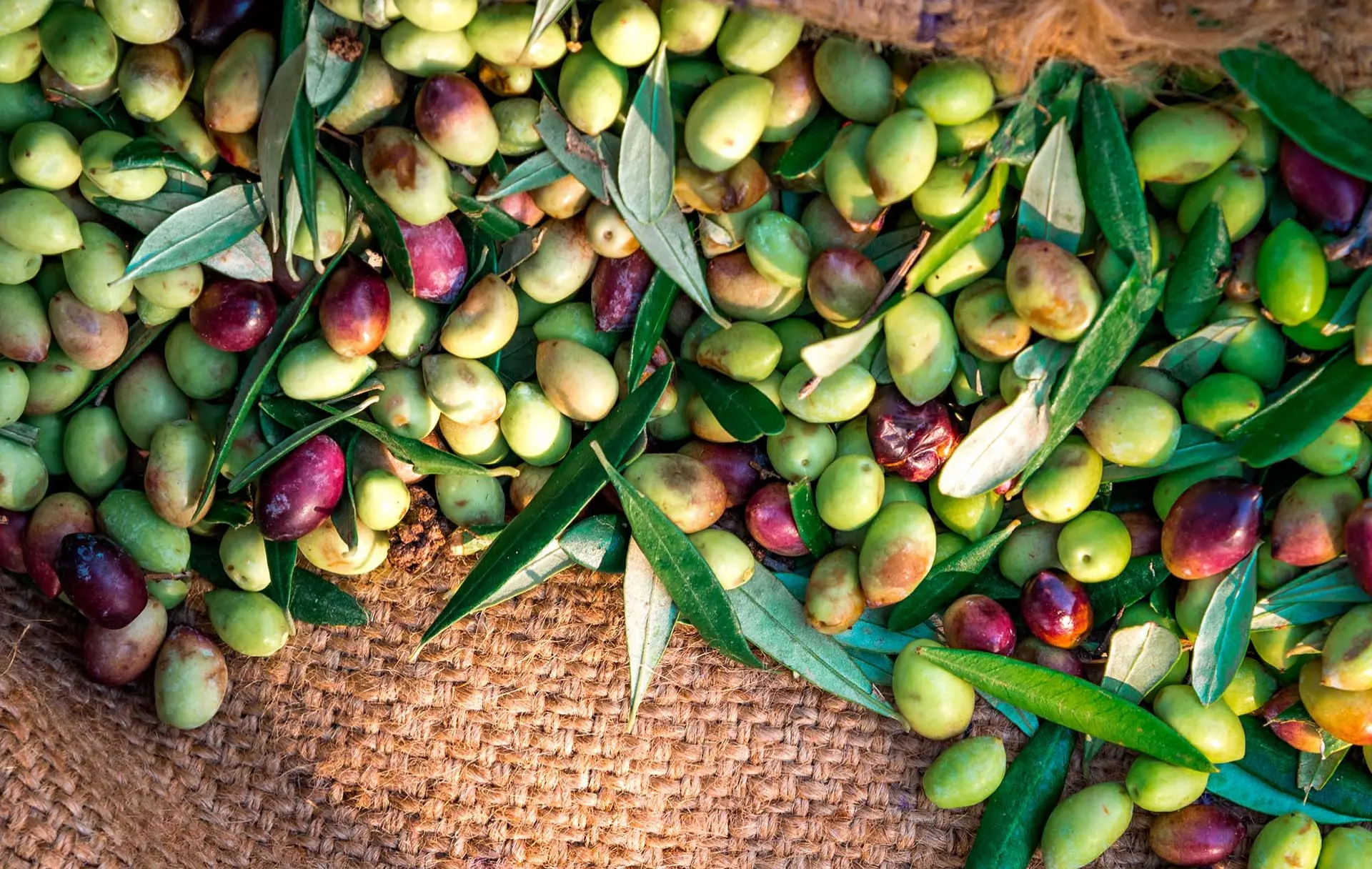
The relationship between olive oil and veganism is often discussed. Olive oil is a staple in many diets, including vegan ones. Its versatility and health benefits make it popular. But how does it fit into a vegan lifestyle? Let’s explore this.
Definition Of Vegan Diet
A vegan diet excludes all animal products. This means no meat, dairy, or eggs. Vegans eat fruits, vegetables, grains, and nuts. They also use plant-based oils, like olive oil. Veganism focuses on ethical eating. It aims to reduce harm to animals and the environment.
Role Of Olive Oil In Plant-based Eating
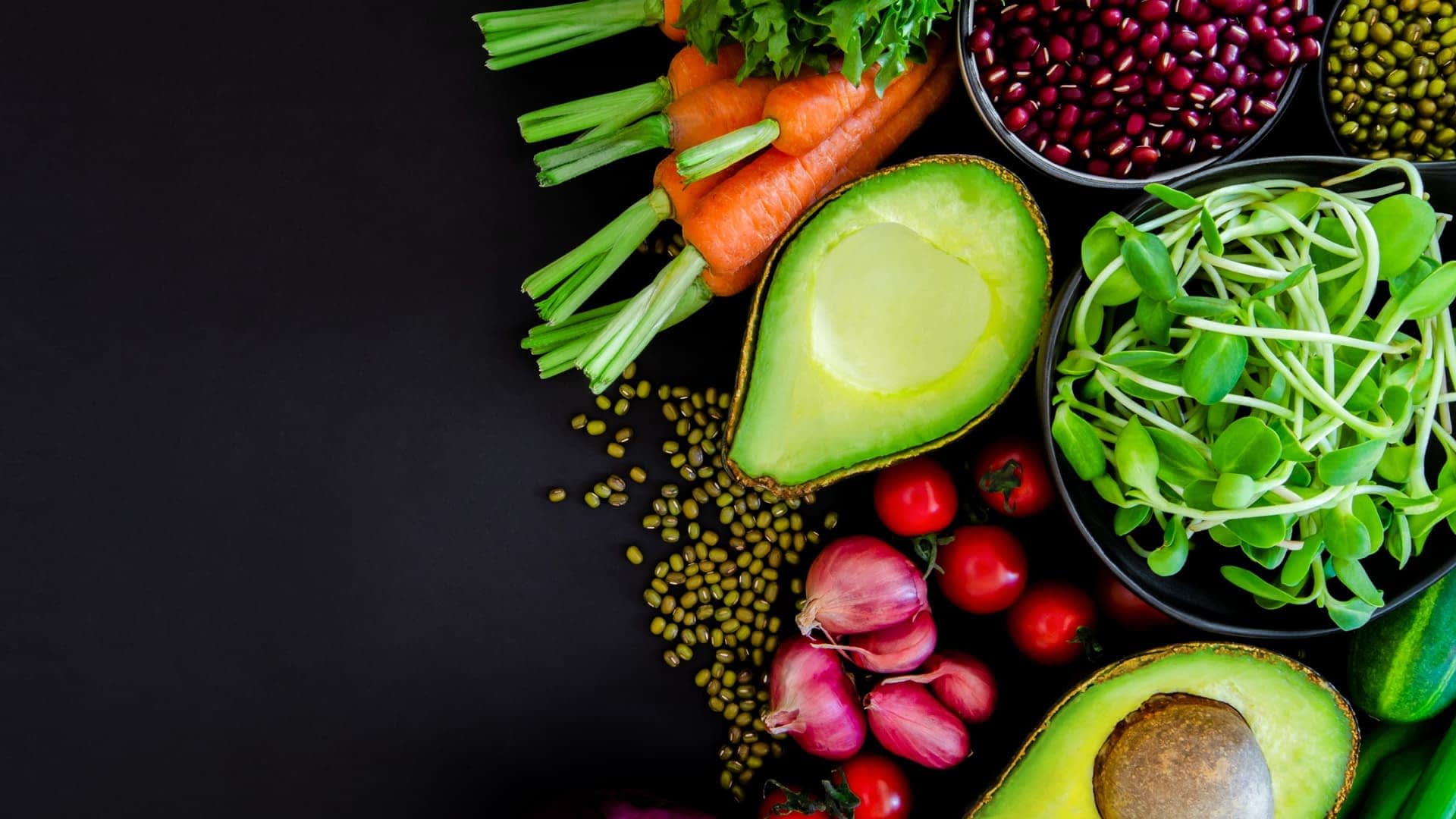
Olive oil plays a vital role in vegan cooking. It’s used for sautéing, roasting, and dressing salads. Its rich flavor enhances plant-based dishes. Olive oil is also a source of healthy fats. These fats are important in a balanced vegan diet.
Choosing extra virgin olive oil provides more nutrients. It’s less processed than other oils. This makes it a healthier choice for vegans. Olive oil also contains antioxidants. These support overall health and wellbeing.
Nutritional Benefits
Olive oil is a staple in many vegan diets. It offers rich nutritional benefits that support health and wellness. This golden liquid is not just a flavor enhancer. It plays a vital role in nourishing the body. Let’s explore the nutritional advantages of olive oil in a vegan diet.
Healthy Fats
Olive oil is packed with healthy fats. These fats are mainly monounsaturated. They help reduce bad cholesterol levels. This supports heart health. They also provide energy. Essential for daily activities.
Antioxidant Properties
Olive oil contains powerful antioxidants. These antioxidants fight free radicals. Free radicals can harm cells. Antioxidants help protect against this damage. They support overall health. They may also slow aging.
Vitamins And Minerals
Olive oil is rich in vitamins and minerals. It contains vitamin E. Vitamin E supports skin health. Olive oil also has vitamin K. Vitamin K helps with blood clotting. This oil contains small amounts of iron and calcium too. These minerals support bone health.
Cooking With Olive Oil
Cooking with olive oil adds a nutritious touch to vegan dishes. This versatile oil enhances the flavor and texture of meals. It’s a staple in many vegan kitchens. From sautéing vegetables to making dressings, olive oil is invaluable.
Types Of Olive Oil
Olive oil comes in several types, each with unique qualities. Extra virgin olive oil is the purest form, with a fruity flavor. Virgin olive oil is slightly less refined. It retains a rich taste. Refined olive oil undergoes more processing. It has a milder flavor. Each type suits different cooking methods.
Best Practices For Cooking
Use olive oil at medium heat for best results. High temperatures can alter its taste and nutritional value. It’s excellent for sautéing and roasting. Avoid frying with extra virgin olive oil. Its low smoke point makes it unsuitable for high heat. Use a non-stick pan to reduce oil consumption.
Flavor Enhancements
Olive oil enhances flavors in vegan dishes. Drizzle it over salads for a fresh taste. Mix it with herbs for a delicious marinade. It’s perfect for dipping bread. Infuse olive oil with garlic or chili for added zest. It complements roasted vegetables beautifully.
Credit: www.oliveoiltimes.com
Ethical Considerations
When thinking about an olive oil vegan diet, ethical considerations arise. These go beyond animal rights. They involve environmental and societal impacts. Olive oil production touches many lives and ecosystems. Understanding these aspects helps make informed choices.
Sustainability Of Olive Farming
Olive farming’s sustainability is a major concern. It influences eco-friendly practices. Some farms use less water. Others rely on organic methods. They avoid harmful chemicals. This reduces soil and water pollution. Sustainable farming supports biodiversity. It protects the land for future generations.
Impact On Wildlife
Olive farming affects wildlife habitats. The industry can disrupt ecosystems. Some farming methods harm local species. They may destroy natural habitats. Responsible practices help preserve wildlife. Farmers can create safe corridors. These allow animals to move freely. Protecting wildlife ensures ecosystem balance.
Common Misconceptions
Olive oil often finds its way into the vegan diet as a staple ingredient. However, there are some common misconceptions about its vegan status. Understanding these misconceptions can help you make informed choices about your dietary preferences. Let’s dive into some of these misunderstandings.
Is Olive Oil Always Vegan?
Many assume olive oil is always vegan because it comes from olives, a plant-based source. But is it really that simple? Some olive oils might be processed using animal-derived products or might be cross-contaminated, which could affect their vegan status. It’s essential to check how the oil is processed to ensure it aligns with your dietary choices.
Imagine you’re at a dinner party, and the host proudly announces that the dish is vegan because it contains olive oil. You might want to ask about the oil’s processing method to be sure. This can be a surprising revelation for many, as not all oils are created equally.
Labeling And Certifications
Reading labels is crucial when selecting vegan products, including olive oil. Certified vegan products have undergone scrutiny to ensure no animal products are involved in their production. Look for certifications like the Vegan Society or similar organizations, which can give you peace of mind.
Have you ever stood in the grocery aisle, overwhelmed by choices? Labels can guide your purchase decisions, offering clarity amid the chaos. Certifications act as a trustworthy beacon, ensuring you’re making choices that align with your values.
Certifications also help avoid common pitfalls. Without them, you might unknowingly purchase a non-vegan product. This could lead to unintended setbacks in your vegan journey. Always read labels carefully and look for those certifications that assure you of the product’s vegan integrity.
In the end, understanding these misconceptions and focusing on labeling and certifications can keep your vegan diet on track. So next time you reach for that bottle of olive oil, you’ll know exactly what to look for. Are you ready to take charge of your dietary choices with confidence?
Incorporating Olive Oil Into Vegan Meals
Embracing a vegan lifestyle can be a flavorful adventure, especially when you include olive oil in your meals. Olive oil is not only vegan-friendly but also packed with health benefits. It can transform ordinary dishes into delightful culinary experiences. Let’s explore how you can add olive oil to your vegan meals in exciting ways.
Salad Dressings
Olive oil makes a fantastic base for salad dressings. It adds richness and a silky texture to any dressing. Combine it with balsamic vinegar, lemon juice, or apple cider vinegar for a tangy twist.
Enhance the flavor with herbs like basil, oregano, or thyme. You can even add a hint of garlic or mustard for an extra punch. Imagine drizzling this over a fresh, crisp salad—it’s a simple way to elevate your meal.
Have you tried adding a spoonful of maple syrup or agave nectar to your olive oil dressing? It creates a delightful balance of sweet and savory that can surprise your taste buds.
Sautéing And Frying
Olive oil is perfect for sautéing and frying vegetables. It brings out the natural flavors while adding a subtle hint of richness. Heat a pan with olive oil, toss in your favorite veggies, and watch them transform.
Whether it’s bell peppers, zucchini, or mushrooms, olive oil helps achieve a beautiful golden brown texture. It’s also great for frying vegan patties or tofu. The crispy edges are irresistible.
Consider experimenting with infused olive oils for an extra layer of flavor. Garlic-infused olive oil or chili-infused can add a new dimension to your sautéed dishes.
Baking Substitutions
Swap butter with olive oil in your baking recipes for a healthier alternative. Olive oil keeps baked goods moist and tender. It’s ideal for cakes, muffins, and even bread.
Use about three-quarters of the amount of butter you would normally use. Olive oil imparts a mild flavor that pairs well with cinnamon, vanilla, and other spices.
Have you ever tried olive oil in chocolate cake? It might sound unusual, but the result is a rich, decadent treat that’s surprisingly delicious.
Now, how will you use olive oil in your next vegan meal? Its versatility can inspire creative cooking, leading to endless possibilities in your kitchen. Try it and let your taste buds explore the magic of olive oil.
Health Implications
Embracing an olive oil vegan diet can have profound health implications. Rich in nutrients and healthy fats, olive oil is often hailed as a cornerstone of heart-healthy diets. Beyond heart health, it also plays a significant role in weight management, making it a versatile addition to your vegan lifestyle. Let’s dive into how this golden liquid can transform your health.
Heart Health
Olive oil is renowned for its heart-healthy properties. It contains monounsaturated fats that help lower bad cholesterol levels. This reduces the risk of heart disease.
Imagine replacing butter with olive oil in your cooking. You not only enhance the flavor but also protect your heart. Studies have shown that people who consume olive oil regularly have lower rates of heart disease.
Consider your morning toast. A drizzle of olive oil could be your first step towards a healthier heart. What simple swaps can you make in your diet today?
Weight Management
Olive oil can be a surprising ally in weight management. Despite being calorie-dense, it can help control hunger. It promotes a feeling of fullness when added to meals.
Have you ever tried using olive oil in your salad dressing? It adds richness without excess calories. This helps you maintain a balanced diet while enjoying delicious meals.
Olive oil encourages mindful eating. The rich flavor means you savor each bite, helping you eat less. How can you incorporate olive oil into your meals to support your weight goals?
By understanding these health implications, you can make informed choices that benefit your well-being. Embrace the power of olive oil in your vegan diet and watch as it transforms your health journey.

Credit: oliveoilsfromspain.org
Frequently Asked Questions
Is Olive Oil Considered Vegan-friendly?
Yes, olive oil is vegan-friendly. It is derived entirely from olives, a plant-based source. There are no animal products or by-products involved in its production. Therefore, it is suitable for those following a vegan diet. Olive oil is a popular choice for cooking and dressing in vegan cuisine.
Can Vegans Use Olive Oil In Cooking?
Vegans can definitely use olive oil in cooking. It is a plant-based oil, making it ideal for vegan recipes. Olive oil enhances flavors and provides healthy fats. It is versatile and can be used in sautéing, baking, and dressing salads.
Its use aligns perfectly with vegan dietary principles.
Does Olive Oil Contain Any Animal Ingredients?
Olive oil does not contain any animal ingredients. It is made purely from olives, a plant source. The production process is free from animal involvement. This makes olive oil a staple in vegan diets. It offers a healthy, plant-based fat option without animal derivatives.
Why Is Olive Oil Popular In Vegan Diets?
Olive oil is popular in vegan diets for its health benefits and versatility. It provides essential healthy fats and adds rich flavor to dishes. Olive oil is heart-healthy, rich in antioxidants, and supports overall well-being. Its adaptability in various recipes makes it a favored choice among vegans.
Conclusion
Olive oil is vegan-friendly. It comes purely from pressed olives. No animal products involved. Vegans can use it in cooking and salads. Its health benefits are plentiful. Rich in healthy fats. Boosts heart health. Adds flavor to dishes. Great for skin care, too.
Easy to find in stores. Affordable for most budgets. Perfect choice for a vegan diet. Keep it stored in a cool place. Avoid direct sunlight. Proper storage ensures freshness. Enjoy olive oil guilt-free. Embrace its versatility in meals. Ideal addition to a plant-based lifestyle.