Have you ever felt the beads of sweat trickling down your face after a workout and wondered if they’re helping you shed pounds? You’re not alone.
Many people believe that sweating is a sign of burning calories and a direct path to weight loss. But is it really that simple? You’ll discover the truth about sweating and its role in your weight loss journey. We’ll explore how your body cools down during exercise, the myths surrounding sweat and fat loss, and what truly matters when it comes to shedding those extra pounds.
By the end, you’ll have a clearer understanding of whether sweat is your ally or just a side effect of your fitness routine. Ready to find out if sweating is the magic key to your weight loss success? Let’s dive in!
Sweating And Calorie Burn
Sweating helps cool the body but doesn’t directly burn calories. Weight loss happens through calorie deficit, not sweat. Exercise boosts calorie burn, making sweat a sign of effort, not fat loss.
Sweating is often associated with intense workouts and steamy yoga sessions. But is there more to those beads of sweat than just a sign of effort? Sweating might actually play a role in your weight loss journey, particularly when it comes to burning calories. Let’s delve into how sweating and calorie burn are intertwined.Impact On Metabolism
Sweating can be a sign that your metabolism is in high gear. When you sweat, your body is working hard to cool itself down, which in turn can raise your heart rate and metabolism. A faster metabolism means you’re burning more calories, even at rest. Interestingly, not everyone sweats the same amount, even when doing the same activity. This variance can be due to fitness levels, age, and genetics. So, if you’re drenched in sweat after a workout, it might mean your metabolism is working overtime. Have you ever noticed yourself sweating more during a workout after a long break?Thermoregulation And Energy Expenditure
Sweating is your body’s natural way of regulating temperature. This process, known as thermoregulation, requires energy, which means calories are being burned. Think of it as your body’s air conditioning system working hard to keep you cool. As you exercise and your body heats up, it needs to expend energy to maintain a stable temperature. This energy expenditure contributes to your overall calorie burn. It’s a subtle reminder that every drop of sweat has a purpose beyond just cooling you down. But, is sweating a reliable indicator of calorie burn? While sweating does contribute to energy expenditure, it’s not the sole factor in calorie burn. It’s essential to combine it with a balanced diet and regular exercise for effective weight loss. Have you considered how your daily activities influence your sweat and calorie burn?
Credit: www.facebook.com
Sweating And Water Weight
Sweating can help reduce water weight temporarily, offering a minor boost in weight loss efforts. It doesn’t directly burn fat, but it aids in eliminating toxins and excess water from the body. Staying hydrated is crucial to replenish lost fluids and maintain overall health.
Sweating and Water Weight Sweating often gets associated with weight loss, especially after a good workout. But have you ever wondered what you’re actually losing when you sweat? Let’s dive into the role of sweating in shedding water weight and what it means for your weight loss journey.Short-term Weight Loss
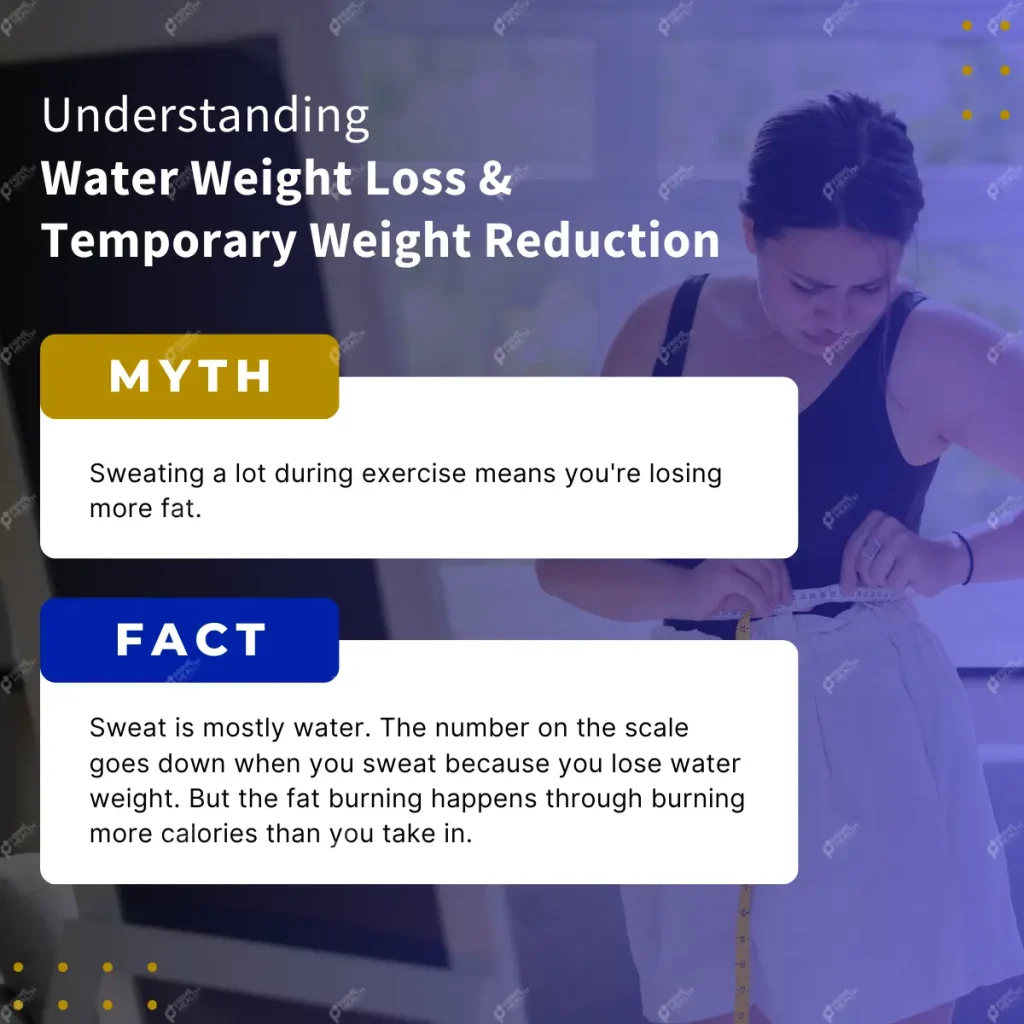
Sweating leads to short-term weight loss by reducing water weight. If you’ve ever stepped on the scale after a sweaty session and noticed a drop, it’s primarily due to water leaving your body. This kind of weight loss is temporary, though, and quickly returns once you rehydrate. A personal experience might resonate with you. After a long run, you might feel lighter and leaner. But the next day, your weight seems to bounce back. That’s because the scale reflects water loss, not fat loss.Rehydration And Weight Balance
Rehydrating is crucial after sweating to maintain your body’s balance. When you drink water, your body replenishes the lost fluids, which can bring your weight back to its pre-exercise state. It’s a natural cycle that ensures your body functions properly. Consider this: skipping rehydration might seem tempting to keep the scale down, but it’s not sustainable. Dehydration can lead to fatigue and dizziness, hindering your workout performance. Always aim to drink enough water to keep your body in harmony. Have you ever thought about how often you monitor your water intake after sweating? Staying hydrated is essential for your overall health and weight management. Balance your fluid intake and observe how your body reacts.Detoxification Through Sweat
Sweating is not just a byproduct of exercise. It plays a crucial role in detoxification. Through sweat, the body gets rid of toxins and impurities. This natural process can aid weight loss and improve overall health.
Elimination Of Toxins
The human body accumulates toxins from food, air, and water. Sweating helps eliminate these harmful substances. As sweat glands produce sweat, they push toxins out. This cleansing process can reduce the body’s toxic load. A lower toxic load may lead to a healthier metabolism. A healthy metabolism supports weight loss.
Skin Health Benefits
Sweating can improve skin health. When you sweat, pores open up. This allows dirt and oils to exit. The result is clearer skin and fewer breakouts. Additionally, increased blood flow during sweating nourishes the skin. This can give the skin a healthy glow and improved texture.
Sweat-inducing Activities
Sweating during exercise can help burn calories and promote weight loss. Activities like running, cycling, and dancing increase heart rate, leading to more sweat and calorie burn. By engaging in these exercises, you can support your weight loss goals while improving overall fitness.
Sweat-Inducing Activities Sweating is often linked with intense physical exertion. But not all sweat-inducing activities are about running marathons or lifting heavy weights. Whether you’re hitting the gym or enjoying a sauna session, sweating might help you on your weight loss journey. Let’s take a closer look at some activities that encourage sweating and how they can fit into your routine.Exercise And Physical Activity
Exercise is a surefire way to get your sweat on. Whether you’re a fan of high-intensity interval training (HIIT) or prefer a brisk walk, physical activity ramps up your body’s temperature. This encourages sweating, which can be a sign of burning calories. Consider adding more cardio to your workout. Activities like cycling or swimming not only boost your heart rate but also make you sweat, helping with weight loss. But remember, it’s not just about the sweat. It’s about how you feel and the progress you make. How often do you challenge yourself with new exercises?Sauna And Heat Exposure
Saunas are a fantastic way to sweat without lifting a finger. The heat relaxes your muscles and can aid in recovery after a workout. Spending time in a sauna increases your heart rate and can mimic light exercise. Heat exposure can also help you unwind. After a long day, a sauna session might reduce stress, indirectly supporting your weight loss efforts. Why not try alternating between the gym and sauna? You’ll get the benefits of both worlds, and your body will thank you for the variety. Remember, sweating alone won’t shed pounds. It’s a part of a balanced approach involving diet, exercise, and lifestyle changes. How will you incorporate sweat-inducing activities into your routine?Myths About Sweating And Weight Loss
There is a common belief that sweating leads to weight loss. Many people think a good sweat session guarantees burning fat. This myth circulates in gyms and fitness circles. But does sweating really help shed pounds?
Misconceptions And Realities
Many assume sweating equals fat loss. The truth is sweat mostly consists of water and salts. Sweat does not burn calories or fat. It is your body’s way to cool down. Sweating can cause temporary weight loss. This is due to water loss, not fat loss. Once you rehydrate, this weight comes back.
Some claim more sweat means a better workout. This is a misconception. Intensity of exercise matters more than sweat amount. You can sweat sitting in a sauna. That does not mean you are losing weight.
Understanding True Weight Loss
True weight loss requires burning calories. This happens through exercise and a balanced diet. Sweat is just a byproduct of physical activity. It indicates effort but not weight loss.
Exercise boosts metabolism and burns calories. It builds muscle and reduces fat. Sweat may be visible proof of exercise. But actual weight loss needs consistent effort. Weight loss comes from creating a calorie deficit. Sweating alone cannot achieve this.
Focus on exercise quality for effective weight loss. Combine cardio with strength training. Eat nutritious meals. Hydrate your body. These are keys to losing weight. Sweating is part of the process, not the solution.

Credit: www.youtube.com
Health Risks Of Excessive Sweating
Excessive sweating can cause dehydration and skin problems. While sweating helps shed some water weight, it doesn’t burn fat. It’s a temporary effect. Balancing exercise with proper hydration is key to healthy weight loss.
Excessive sweating can be a double-edged sword when it comes to weight loss. While sweating is often seen as a sign of a good workout, pushing your body to sweat too much can have serious health implications. You might find yourself wondering, is the sweat really worth it?Dehydration Concerns
When you sweat a lot, your body loses water rapidly. This isn’t just water weight that you’re losing temporarily; it’s essential hydration that your body needs to function. Have you ever felt dizzy or lightheaded after an intense workout? That’s your body signaling dehydration. You need to drink plenty of water to replenish this loss. Ignoring these signs can lead to fatigue and even more severe health issues.Electrolyte Imbalance
Sweating also causes a loss of electrolytes, which are crucial for muscle function and overall health. If you’ve experienced muscle cramps post-exercise, it could be due to an electrolyte imbalance. Consuming sports drinks or foods rich in potassium and sodium can help maintain this balance. But remember, not all sports drinks are created equal; some are high in sugar and might counteract your weight loss efforts. So, how do you balance sweating during workouts with these health risks? It’s all about listening to your body. If you feel unwell, it’s okay to take a break and hydrate. Your health should always come first.Combining Sweat With Effective Weight Loss Strategies
Sweating helps cool your body during exercise, but it doesn’t directly burn calories. Effective weight loss relies on balanced eating and consistent exercise. Sweating can indicate physical effort, yet the real fat loss comes from burning more calories than consumed.
Sweating can aid in weight loss. But it needs the right approach. Combining sweat-inducing activities with proven strategies boosts results. This means eating right, staying hydrated, and exercising consistently. Let’s explore these elements in detail.Balanced Diet And Hydration
A balanced diet fuels your body. It provides the nutrients you need. Eating a variety of foods is key. Fruits, vegetables, lean proteins, and whole grains are essential. They help maintain energy levels during workouts. Hydration is crucial. Water supports all body functions. It regulates temperature and helps muscles work better. Drinking water before, during, and after exercise is important. It helps replace fluids lost through sweat.Consistent Exercise Routine
Consistency in exercise matters. It helps burn calories and build muscle. Regular workouts improve overall fitness. Choose activities you enjoy. Walking, cycling, or swimming are great options. Strength training is beneficial. It increases metabolism and helps in weight loss. Aim for at least 30 minutes of activity most days. Gradually increase intensity and duration as you progress. Combining sweat with these strategies can lead to effective weight loss. Stay committed and results will follow. `
Credit: fitnessvolt.com
Frequently Asked Questions
Does Sweating Burn Belly Fat?
Sweating itself doesn’t burn belly fat. It indicates the body is cooling down. Fat loss requires burning more calories than consumed through exercise and diet. Consistent cardio, strength training, and a balanced diet help reduce belly fat.
Is It Better To Sweat More To Lose Weight?
Sweating more doesn’t directly lead to weight loss. It primarily indicates body cooling. Weight loss occurs by burning calories through exercise and diet. Staying hydrated is crucial, as excessive sweating can lead to dehydration. Focus on a balanced routine for effective weight management.
What Is The 30/30/30 Rule For Weight Loss?
The 30/30/30 rule for weight loss involves 30 minutes of exercise, 30 grams of protein, and 30 grams of fiber daily. This approach aims to boost metabolism, enhance muscle growth, and improve digestion, promoting effective weight loss and overall health.
How Do I Know If I’m Burning Fat?
Check for signs like increased energy, reduced appetite, and shrinking measurements. Consistent weight loss, improved endurance, and changes in body composition also indicate fat burning. Monitoring these factors helps determine if you’re effectively burning fat.
Conclusion
Sweating can aid in temporary weight loss. It mainly results from water loss. This means you may weigh less after sweating. But, it’s not fat loss. For lasting results, focus on diet and exercise. Drink water to stay hydrated. Remember, sweating alone won’t shed pounds.
Combine it with healthy habits. Aim for balanced meals and regular workouts. This ensures a healthier lifestyle. Always consult a health professional before starting new routines. Stay informed and make safe choices. Your body will thank you.