You’ve probably seen them at the gym – those snug, often colorful wraps around people’s wrists. You might wonder, “Is wrist support necessary for my workouts?” The answer isn’t as straightforward as a simple yes or no.
Your wrists are vital to almost every exercise you perform, from weightlifting to yoga. Ignoring their well-being can lead to discomfort or even injury. But how do you know if you need it? And is it really worth it? We’ll delve into why wrist support can be a game-changer for your fitness routine, potentially boosting your performance while preventing injury.
Whether you’re a newbie or a seasoned athlete, understanding the importance of wrist support could be the key to unlocking a safer, more effective workout regimen. Let’s explore how these small adjustments can make a big difference in your gym experience.
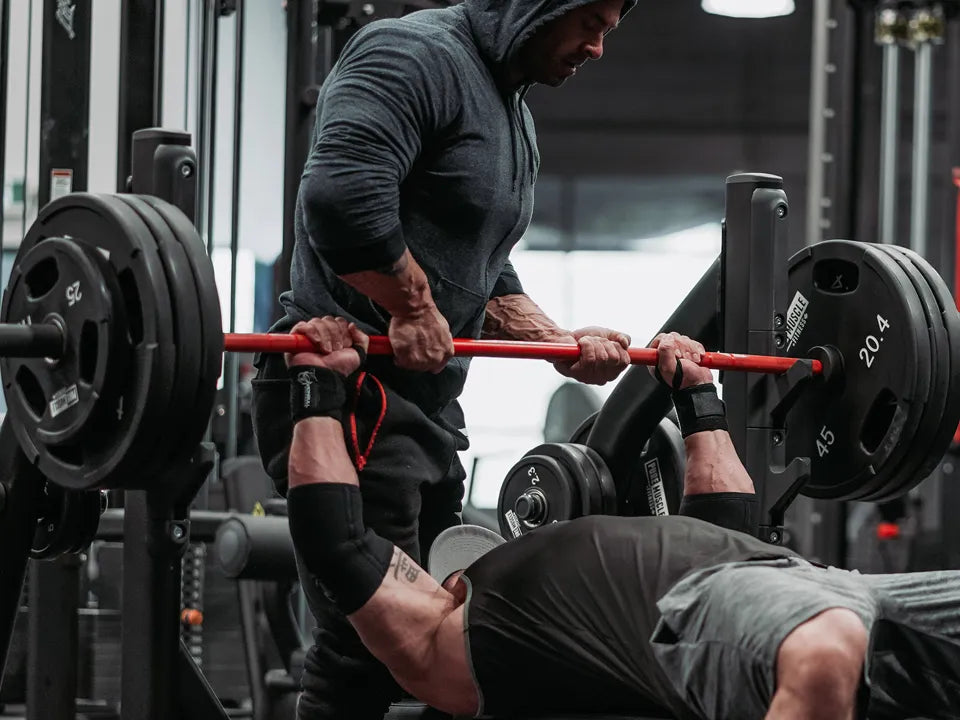
Credit: ca.ironbullstrength.com
Importance Of Wrist Support
Wrist support is crucial for anyone hitting the gym regularly. It provides stability and protection during intense workouts. Many gym-goers overlook this simple accessory. But it plays a vital role in ensuring safety and boosting performance. Without proper wrist support, injuries can occur easily. Investing in good wrist support ensures a safer and more effective workout experience.
Preventing Injuries
Wrist injuries are common in weightlifting and other gym activities. The wrist is a complex joint susceptible to strains and sprains. Supporting the wrist reduces the risk of such injuries. A wrist support stabilizes the joint, especially during heavy lifts. This minimizes the chance of overextension or undue stress. Using wrist support can prevent long-term damage and discomfort.
Enhancing Performance
Wrist support aids in maintaining proper form. This is crucial for effective workouts. It allows for a better grip on weights and gym equipment. Enhanced grip means improved control during exercises. This leads to better performance and muscle engagement. Wrist support can help in lifting heavier weights. As a result, one can achieve fitness goals more efficiently.
Types Of Wrist Support
Wrist support can enhance your gym performance and protect your wrists. There are various types of wrist support, each serving different purposes. These supports can prevent injuries and provide stability during workouts. Understanding the types available helps you choose the right one for your needs. Let’s explore some common types of wrist support.
Wraps
Wrist wraps are popular in weightlifting and bodybuilding. They offer adjustable compression and support. Wraps stabilize the wrist joint during heavy lifts. They’re usually made of elastic material and come in various lengths. Their tightness can be adjusted, providing custom support.
Braces
Wrist braces provide more rigid support than wraps. They help in recovery from injuries and prevent excessive movement. Braces are often recommended for those with wrist pain or conditions like carpal tunnel. They are typically made of sturdy materials like neoprene or plastic. Braces limit movement, providing robust support.
Straps
Wrist straps are ideal for exercises requiring grip strength. They help in lifting heavier weights by enhancing grip. Straps are often used in deadlifts, rows, and pull-ups. Made from durable materials like cotton or nylon, they loop around the wrist and bar. Straps reduce grip fatigue, allowing focus on lifting.
Benefits Of Using Wrist Support
Whether you’re a seasoned gym enthusiast or a beginner, wrist support can be a game-changer for your workouts. Many people overlook the benefits of wrist support, but using it can significantly enhance your gym experience. From improved stability to increased lifting capacity and reduced strain, wrist support offers tangible advantages. Let’s dive into how wrist support can elevate your fitness journey.
Improved Stability
Have you ever felt your wrists wobbling during a heavy lift? Wrist support provides the stability you need. By keeping your wrists in a straight position, it reduces the risk of injury. This stability helps you maintain proper form, which is crucial for achieving your fitness goals. Imagine the confidence you’ll feel with a steady grip on the barbell!
Increased Lifting Capacity
With wrist support, you may find yourself lifting heavier weights than before. The added stability allows your muscles to focus on the lift, rather than compensating for weak wrists. This means you can push your limits safely and effectively. Think of wrist support as a tool that unlocks your potential, giving you the power to excel.
Reduced Strain
Ever experienced soreness in your wrists after an intense workout? Wrist support can alleviate that discomfort. By distributing the pressure evenly, it minimizes strain on your tendons and joints. This relief means you can train harder and longer without the fear of pain holding you back. Why endure unnecessary strain when you have the option to protect your wrists?
Incorporating wrist support into your routine can be a simple yet impactful change. Are you ready to give your wrists the support they deserve? Don’t wait until you experience discomfort or injury. Take action now and witness the benefits yourself.
Potential Drawbacks
Using wrist support in the gym might limit natural wrist movement. It can also lead to reliance, weakening wrist strength over time. Proper form and technique are crucial for wrist health, sometimes making support unnecessary.
When considering wrist support for your gym routine, it’s vital to weigh the potential drawbacks. While these aids can provide stability and prevent injuries, they may also introduce some challenges. Understanding these issues can help you decide whether wrist support aligns with your fitness goals.Dependency Issues
Relying heavily on wrist support can lead to dependency. You might find yourself reaching for them even during workouts that don’t necessarily require extra support. Over time, this reliance can weaken your wrists as they aren’t being used to their full potential. Think about this: If you’re always using support, are your wrists really getting stronger? It’s crucial to allow your muscles to develop their strength naturally. Consider alternating between using wrist support and going without to maintain a balance.Limited Range Of Motion
Wrist supports can restrict your natural range of motion. This limitation might affect your ability to perform certain exercises effectively. For instance, exercises like push-ups or bench presses might feel constrained, preventing you from executing them with full flexibility. Without full motion, you’re potentially missing out on engaging all muscle groups. This could lead to uneven strength development over time. Be mindful of how wrist supports might be altering your workout form and aim to use them only when absolutely necessary. Incorporating wrist support into your gym routine should be a strategic choice. Evaluate your workouts and understand when they’re truly needed. Ultimately, the goal is to enhance your performance while fostering your body’s natural strength.Who Should Use Wrist Support?
Wrist support in the gym can be a game-changer for many, but who truly benefits from it? It’s not just about strapping on a brace because everyone else is doing it. Understanding the specific groups who should consider wrist support can help you make an informed decision about your own workout gear. Are you one of them? Let’s dive into this to find out more.
Beginners
As a newcomer to the gym, your body is adjusting to new movements and stresses. Your wrists, often unaccustomed to the pressure of weights, might feel sore or tired. Wrist supports can provide stability, helping you maintain proper form and prevent injury.
Think back to your first day lifting weights. Did you feel that slight discomfort or strain in your wrists? That’s common. Supports can ease this transition, offering you confidence as you learn new exercises.
By using wrist support, beginners can focus on technique rather than worrying about potential wrist pain. This way, you build a strong foundation for your fitness journey.
Professional Athletes
If you’re a professional athlete, your body faces intense physical demands daily. Wrist supports can be essential in managing these stresses and preventing wear and tear.
Consider this: many professional athletes use wrist support not because they need it every time, but because it can prolong their career by preventing injuries. It’s about keeping your body in peak condition for as long as possible.
Wrist supports can help maintain your performance level, ensuring that you can continue to push your limits without risking injury. Are you maximizing your athletic potential?
Those With Previous Injuries
Have you had a wrist injury in the past? If so, wrist support might be crucial for you. Old injuries can make your wrists more susceptible to strain or re-injury.
Using wrist support can provide the necessary protection and stability. It acts as a safeguard, reducing the risk of aggravating old injuries while you pursue your fitness goals.
Reflect on past experiences: did you shy away from certain exercises due to fear of re-injury? With wrist support, you can approach them with renewed confidence and safety.
Wrist support isn’t for everyone, but if you fall into these categories, it might just be what you need to enhance your gym experience. Does wrist support align with your fitness goals? The decision is yours. Make it wisely, and keep pushing forward!

Credit: www.amazon.com
Choosing The Right Wrist Support
Choosing the right wrist support is crucial for gym enthusiasts. The correct wrist support can prevent injuries and enhance performance. Selecting the best type depends on several factors, including material, fit, and the specific activity you engage in. Explore the essential elements to find the perfect wrist support for your needs.
Material Considerations
Materials impact durability and comfort. Common options include neoprene, leather, and elastic fabric. Neoprene offers flexibility and breathability. Leather provides robust support. Elastic fabric is lightweight and versatile. Assess your workout type to choose the best material.
Fit And Comfort
The fit must be snug but not restrictive. Proper fit ensures stability and prevents excessive strain. Adjustable straps offer customization for different wrist sizes. Comfort leads to better focus during workouts. Try on various styles to find your perfect fit.
Activity-specific Options
Different exercises demand specific wrist support. Weightlifting may require heavy-duty wrist wraps. Yoga benefits from lighter, flexible wristbands. Consider the intensity and type of your activity. Tailor your wrist support choice to your gym routine for optimal results.
Alternatives To Wrist Support
Exploring alternatives to wrist support can be beneficial for gym enthusiasts. Many options exist to help safeguard wrists without relying solely on support gear. Focusing on exercises, technique, and equipment can empower individuals. This approach aids in developing strength and maintaining wrist health naturally.
Strengthening Exercises
Strengthening exercises can build wrist resilience. Simple wrist curls with dumbbells are effective. Gradually increase weight to challenge your muscles. Push-ups also strengthen wrists. Modify them by using fists instead of palms. This reduces strain on the wrists. Resistance bands are useful for targeted wrist exercises. They offer gentle resistance, helping to build strength.
Proper Technique
Proper technique is crucial in protecting wrists. Ensure wrist alignment during exercises. Keep wrists straight during lifts to avoid strain. Avoid bending wrists excessively. This can lead to injury over time. Focus on controlled movements. Rushing through exercises can compromise form and increase risk. Correct posture helps distribute weight evenly. This reduces pressure on wrists.
Use Of Other Equipment
Other equipment can provide wrist support. Consider using padded gloves. They offer cushioning during intense workouts. Wrist wraps are another alternative. They provide support and stability. Ensure they’re not too tight to allow circulation. Adjustable weights can be helpful. They allow gradual progression without overloading wrists. Machines with wrist-friendly grips are useful. They help maintain proper wrist position.
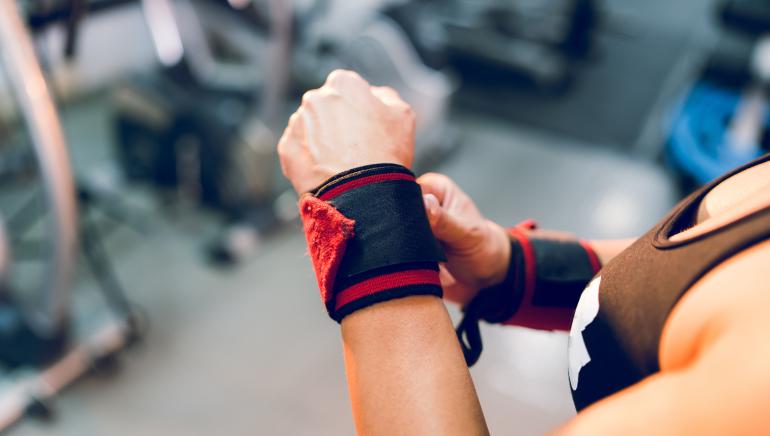
Credit: www.healthshots.com
Frequently Asked Questions
Should I Wear Wrist Support In The Gym?
Wearing wrist support in the gym can prevent injuries and provide stability during heavy lifting. It helps reduce strain on wrists, especially during exercises like bench presses or overhead lifts. Consider using wrist support if you experience discomfort or want extra protection.
Always prioritize safety and comfort.
Are Gym Wrist Straps Worth It?
Gym wrist straps enhance grip and reduce strain during heavy lifts. They prevent slippage and improve performance. Ideal for weightlifting, they protect wrists from injuries. While not essential, they benefit serious lifters aiming for heavier loads. Consider them for increased stability and support during intense workouts.
Do You Need Wrist Support?
Wrist support is beneficial for those experiencing pain or discomfort during activities. It helps stabilize and protect your wrist. Consider using wrist support if you perform repetitive motions or have a wrist injury. Always consult a healthcare professional for personalized advice.
Should I Get Gym Gloves With Wrist Support?
Gym gloves with wrist support can prevent injuries and enhance grip. They offer stability during heavy lifting, reducing strain. Consider your workout needs and comfort preferences. Trying them can help determine if they suit your fitness routine. Always choose quality gloves for durability and effectiveness.
Conclusion
Wrist support can enhance your gym experience. It offers stability and comfort. Many athletes find it beneficial for heavy lifting. Protects against strain and injury. Enhances wrist strength over time. But personal preference matters most. Try different supports to find your fit.
Listen to your body’s needs. Pay attention to any discomfort. Consult with a trainer if unsure. Safety should always be a priority. Make informed decisions for your workout. Enjoy a safer, more effective gym routine. Prioritize your well-being and performance.