Manual treadmills build strength and control; motorized treadmills add speed, comfort, and tech.
If you are torn between a manual treadmill and a motorized treadmill, you are not alone. I test both with clients every week and know the trade-offs. This guide breaks down Manual treadmill vs motorized treadmill in plain language. You will learn what feels different, what burns more calories, and what fits your goals, budget, and space.
How each treadmill works and what it feels like
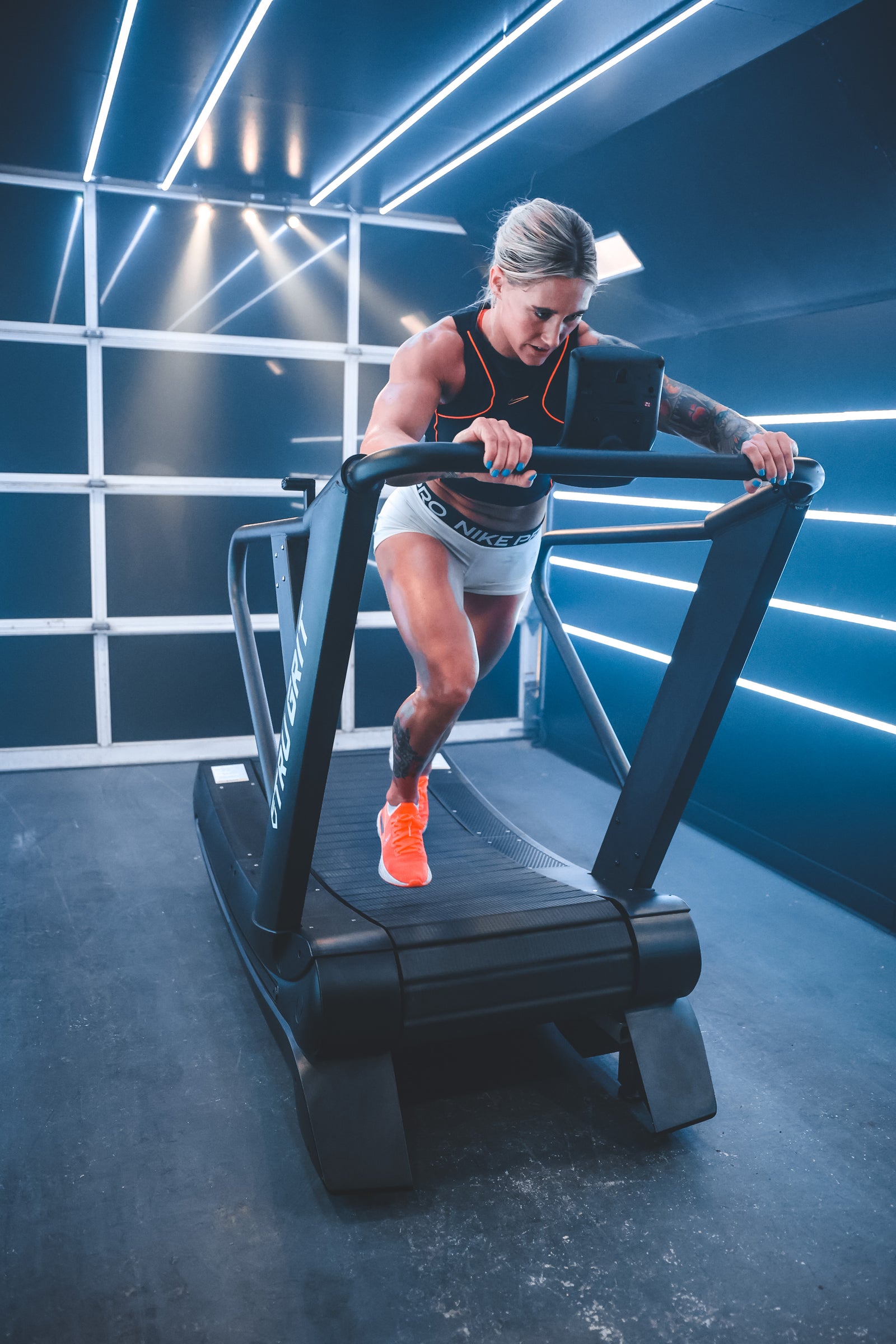
Manual treadmill vs motorized treadmill starts with how power is made. On a manual treadmill, your legs move the belt. You set the pace by pushing the belt with each step. On a motorized treadmill, the belt moves for you. You match its speed.
In my sessions, beginners often feel safer on motorized models at first. The speed is steady, and the belt feels smooth. Manual models feel tougher right away, especially curved manual treadmills. Your hamstrings and glutes fire more. Your heart rate rises faster at the same running pace.
On flat manual units, walking can feel choppy if the deck is short. On curved manuals, the ride is smooth once you learn foot placement. Give it one or two short tries, and it clicks.

Manual treadmill vs motorized treadmill: key differences that matter
When we compare Manual treadmill vs motorized treadmill, a few points decide the win for most people.
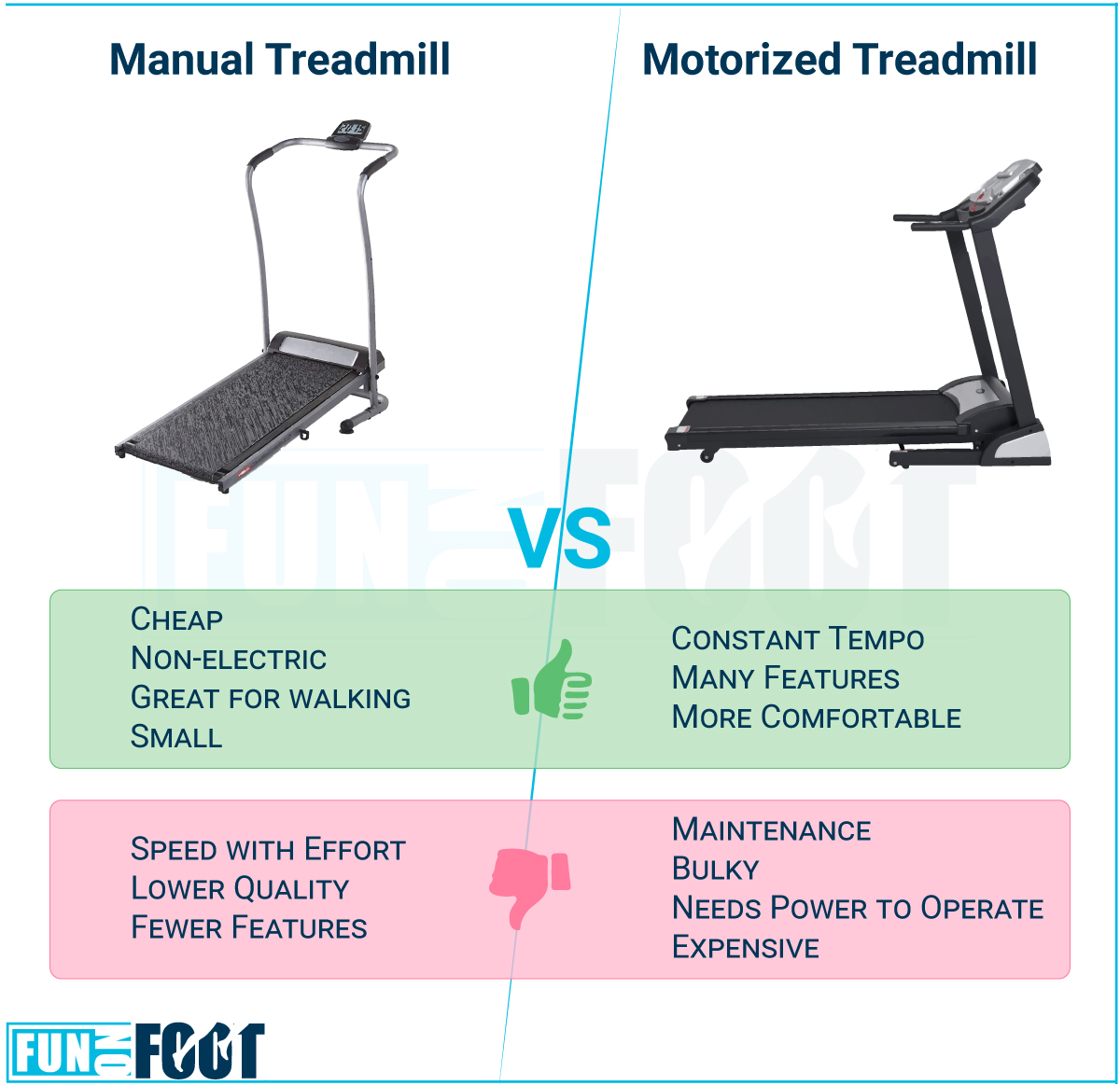
- Power and control: Manual gives total control with no motor. Motorized gives precise speed and incline at a tap.
- Impact and effort: Manual tends to boost effort at the same pace. Motorized can reduce perceived effort due to belt assistance.
- Training range: Manual is great for sprints and short bursts. Motorized is better for long steady runs and exact pace work.
- Space and setup: Manual models are lighter and fold small. Motorized models need more space and a power outlet.
- Cost and care: Manual treadmills are cheaper and simple to fix. Motorized treadmills cost more and need regular service.
:max_bytes(150000):strip_icc()/VWFit-manual-treadmills-vs-motorized-treadmills-3436600-e522bc4e8dc84a9cae89bae7a62f20ba.jpg)
Pros and cons of manual treadmills
Manual treadmill vs motorized treadmill often comes down to budget, space, and training style. Manual treadmills shine in a few areas.
- Benefits: Lower price, no electricity, small footprint, and high muscle engagement. Great for HIIT, sprints, and walking intervals.
- Drawbacks: Limited features, no auto incline on most models, and a steeper learning curve for smooth pacing. Long runs can feel tough for beginners.
A helpful tip from my floor time: start with short bouts. Try 30 to 60 seconds on, then 30 to 60 seconds off. Focus on quick steps and midfoot strikes to keep the belt rolling.

Pros and cons of motorized treadmills
Manual treadmill vs motorized treadmill also depends on how much control you want over speed and incline. Motorized treadmills give you that control.
- Benefits: Exact speed, easy incline, built-in programs, and strong shock absorption. Great for distance runs and zone training.
- Drawbacks: Higher cost, more parts to service, and they need power and more room. Moving them is not fun.
A client of mine prepped for her first 10K on a motorized model. We used pace targets and small incline changes. Her joints felt good, and she hit her goal time outdoors.

Which should you choose? Goals, budget, and space
Your choice in Manual treadmill vs motorized treadmill should match your plan, not the trend.
- Weight loss and short, hard workouts: Manual is great. It pushes effort fast and burns calories in less time.
- Distance training and steady pace work: Motorized wins. It is easier to hold pace and track progress.
- Small spaces and tight budgets: Manual fits better. It is light, foldable, and low cost.
- Joint comfort and rehab: Motorized helps with soft decks and steady speeds. Add incline to ease impact.
If you can, try both. Five minutes on each will tell you a lot about comfort and control.

Performance and training insights: speed, incline, and calorie burn
Manual treadmill vs motorized treadmill affects how hard the same pace feels. Many lab tests show manual running costs more energy. You need to drive the belt. Heart rate often runs higher at a matched speed.
Use these workouts to test both styles.
- Manual treadmill sprint ladder: 20 seconds fast, 40 seconds walk. Repeat 10 rounds. Keep steps quick and land under your hips.
- Manual treadmill hill walk: Set the deck to a fixed incline if available. Walk strong for 3 minutes. Recover for 2 minutes. Repeat 6 rounds.
- Motorized steady pace: Warm up 5 minutes. Then 20 minutes at a pace you can talk in short lines. Cool down 5 minutes.
- Motorized tempo: 10 minutes easy, 10 minutes brisk, 5 minutes easy. Add 1 to 2 percent incline for outdoor feel.
Small note from practice: a 1 percent incline on motorized units helps mimic wind and ground drag. It feels closer to road running.
Safety, impact, and ergonomics
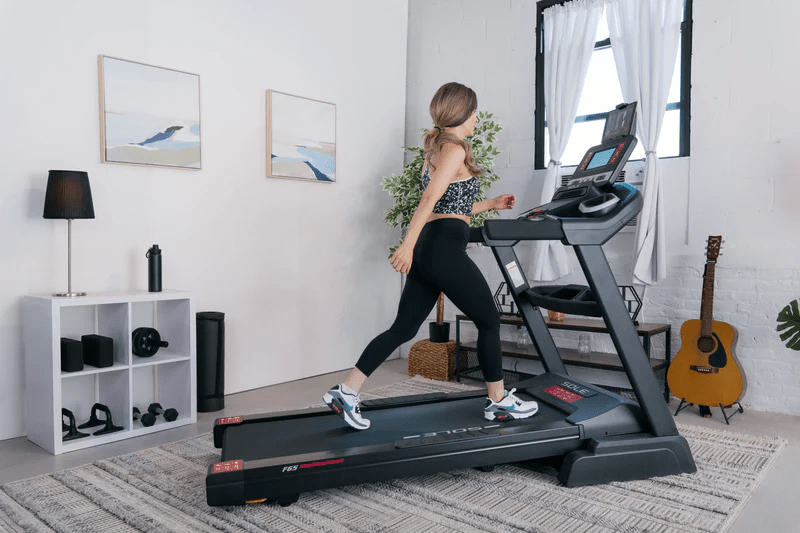
The Manual treadmill vs motorized treadmill debate also touches joint comfort. Motorized decks often have cushioned platforms. This can cut impact and help knees and hips. Manual curved models can promote a midfoot strike. That can also reduce braking forces.
Form tips I share daily:
- Keep your chest tall and eyes forward.
- Land under your center, not ahead of it.
- Use light steps. Think quick, quiet feet.
- On manual units, avoid holding the rails. It breaks your stride and adds stress to the low back.
If you feel knee pain, drop speed, and shorten your stride. If pain stays, stop and get advice from a pro.
Maintenance and total cost of ownership
Manual treadmill vs motorized treadmill has very different upkeep needs. Manual models have fewer parts. Clean the deck and belt often, and check bolts. That is about it for most units.
Motorized treadmills need belt lube, belt alignment, and motor checks. Cheap models can feel fine at first but wear fast under heavy use. Look at warranty terms. Strong coverage for the motor and deck often signals better build.
One client ran 1,000 miles in a year on a budget motorized unit. Belt drift and noise grew fast. A mid-range model fixed these issues. Sometimes, you save more by buying once.

Features checklist before you buy
Turn Manual treadmill vs motorized treadmill research into a quick field checklist. Take this to the store or use it online.
- Deck size: Runners do best with at least 20 by 55 inches. Sprinters may want longer.
- Weight rating: Aim for a user rating at least 20 percent above your weight.
- Belt quality: A thicker belt lasts longer and runs quieter.
- Incline: Manual fixed or lever incline is fine for walkers. Motorized users should look for 0 to 12 percent or more.
- Console and programs: Heart rate support and custom intervals help you progress.
- Noise: Try it at your normal pace. Noise varies a lot by brand and floor.
Buy what you will use three days a week. That habit matters more than any spec.
Frequently Asked Questions of Manual treadmill vs motorized treadmill
Which burns more calories?
Manual treadmills often burn more calories at the same speed because you power the belt. The extra effort raises heart rate and energy use.
Are curved manual treadmills better than flat manual ones?
Curved manuals feel smoother and promote a natural stride. Flat manuals are cheaper but can feel choppy for running.
Can beginners use a manual treadmill safely?
Yes, start with short walks and brief runs. Keep hands off the rails and focus on quick, light steps.
Is a motorized treadmill good for bad knees?
Often yes, due to cushioned decks and steady speeds. Start with a small incline and moderate pace to reduce joint stress.
How long do home treadmills last?
With regular care, motorized treadmills can last 7 to 12 years. Manual treadmills can last even longer due to fewer parts.
Is Manual treadmill vs motorized treadmill a big difference for training plans?
Yes. Manual works well for sprints and power. Motorized is better for exact pace and long runs.
Do I need a 3.0 CHP motor for running?
If you plan to run often, a stronger motor helps with smooth speed and long life. Walkers can do fine with a smaller motor.
Conclusion
Manual treadmill vs motorized treadmill is not a one-size call. Manual treadmills build power, control, and intensity in a small, low-cost package. Motorized treadmills offer comfort, exact pacing, and rich features for steady progress.
Pick the tool that fits your habits, space, and goals. Start simple, track each workout, and adjust as you learn what your body likes. Ready to choose? Explore more guides, ask a question in the comments, or subscribe for weekly training tips.