Your mental health matters more than you might realize. When life feels overwhelming, it’s easy to get stuck in negative thoughts or stress.
But what if you had simple, powerful ways to feel better every day? This article is made just for you. You’ll discover easy tips that can help boost your mood, improve your focus, and make tough moments easier to handle.
Keep reading—your mind will thank you.
Recognizing Mental Health Signs
Recognizing mental health signs is a crucial step for teens to take control of their well-being. Sometimes, the changes in how you feel or act might be subtle but meaningful. Paying attention to these signs early can help you seek support before things become overwhelming.
Common Emotional Indicators
Have you noticed feeling unusually sad or empty for days without a clear reason? Persistent feelings of anxiety or constant worry that disrupt your daily activities are also important to recognize. Other emotional signs include irritability, mood swings, or feeling numb and disconnected from people around you.
You might find it harder to enjoy hobbies or time with friends, which can signal that something is off. Sometimes, teens isolate themselves, avoiding social situations they once liked. Asking yourself, “Am I feeling differently than usual, and is it lasting longer than a few days?” can be a helpful check.
Physical Symptoms To Watch
Mental health struggles don’t just affect your mind; your body can show signs too. Headaches, stomachaches, or unexplained aches can happen when your brain is under stress. Sleep problems, whether sleeping too much or too little, often go hand in hand with emotional changes.
Notice if your appetite has changed drastically—either eating much more or much less than usual. Fatigue that doesn’t improve with rest may also be a physical red flag. These physical symptoms can sometimes be easier to spot than emotional ones, so paying attention here can give you clues about how you’re really feeling inside.

Credit: positivepsychology.com
Building Healthy Relationships
Building healthy relationships is important for teen mental health. Good relationships bring support, trust, and happiness. They help teens feel safe and understood. Learning to build these connections takes practice and care. It means knowing how to talk openly and respect each other’s feelings.
Communication Skills
Clear communication helps people understand each other better. Teens should speak honestly and listen well. Listening means paying full attention without interrupting. Using “I” statements shows feelings without blaming others. For example, say “I feel sad” instead of “You make me sad.”
Nonverbal signals matter too. Smiles, eye contact, and nods show interest. Avoid yelling or using harsh words. Calm talks solve problems faster and keep friendships strong.
Setting Boundaries
Boundaries protect personal space and feelings. They show what is okay and what is not. Teens need to say no when something feels wrong or uncomfortable. Respecting others’ boundaries is just as important.
Healthy boundaries help avoid stress and misunderstandings. They create respect in relationships. Teens can use simple phrases like:
- “I need some time alone.”
- “Please don’t speak to me that way.”
- “I’m not ready to share that yet.”
Setting limits is a sign of self-care and confidence. It helps keep relationships positive and safe.
Managing Stress Effectively
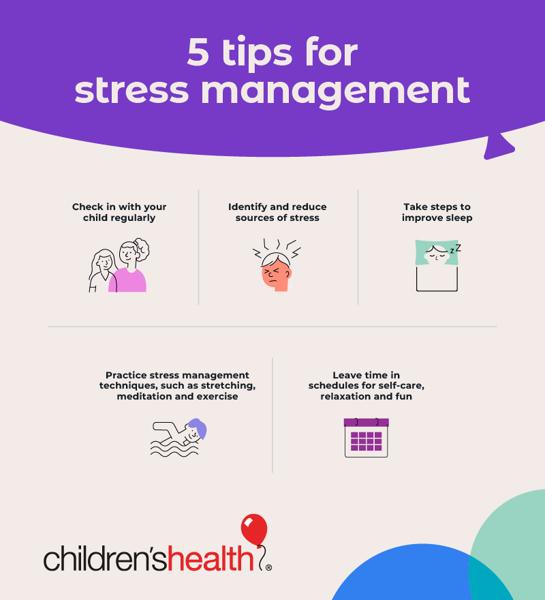
Managing stress effectively is crucial for your mental health, especially during the teenage years when pressures from school, friends, and family can build up quickly. Stress can affect your mood, sleep, and even your physical health if it goes unchecked. The good news is that there are simple techniques you can use daily to reduce stress and feel more in control of your life.
Relaxation Techniques
Relaxation is more than just taking a break; it’s about calming your mind and body to lower stress levels. Try deep breathing exercises—breathe in slowly through your nose for four seconds, hold for four, then exhale through your mouth for four seconds. Doing this for a few minutes can help you feel centered and less overwhelmed.
Another helpful technique is progressive muscle relaxation. Tighten each muscle group for a few seconds, then release. This can reduce tension you might not even realize you’re holding. Have you noticed how your shoulders often tense up during a stressful day? This exercise can help loosen that tightness.
Listening to calming music or guided meditation apps can also soothe your mind. What sounds or activities help you feel calm? Finding your personal relaxation method makes managing stress easier.
Time Management Tips
Stress often comes from feeling like there’s not enough time to get everything done. Organizing your day can give you more control and reduce anxiety. Start by making a simple to-do list each morning or the night before.
Break your tasks into smaller steps and set realistic goals for each day. For example, instead of “study for math test,” try “review chapters 3 and 4 for 30 minutes.” This makes big tasks feel less intimidating.
Don’t forget to schedule breaks. Short pauses can refresh your brain and improve focus. What’s one small change you can make to your daily routine to manage time better?
- Use a planner or phone calendar to track assignments and activities.
- Prioritize tasks by importance and deadlines.
- Limit distractions like social media during study time.
Promoting Positive Self-esteem
Building positive self-esteem is a powerful way to improve your mental health. It shapes how you view yourself and influences your actions every day. When you feel good about who you are, you face challenges with more confidence and bounce back quicker from setbacks.
Self-compassion Practices
Being kind to yourself during tough moments can change how you handle failure and stress. Instead of harshly judging your mistakes, try talking to yourself like you would to a close friend. This simple shift helps reduce anxiety and builds resilience.
Try these practical ways to practice self-compassion:
- Notice when you’re feeling down and gently remind yourself that everyone struggles sometimes.
- Write a supportive note to yourself after a difficult day.
- Take a moment to breathe deeply and acknowledge your feelings without criticism.
Have you ever caught yourself being your own worst critic? What if you treated yourself with the same care you offer others?
Overcoming Negative Self-talk
Negative self-talk can quietly undermine your confidence and increase stress. The thoughts that run through your mind might not always be true or helpful. Learning to spot and challenge these thoughts is key to building a healthier mindset.
Start by paying attention to your inner voice. When you notice a negative thought, ask yourself:
- Is this thought based on facts or feelings?
- Would I say this to a friend?
- What evidence do I have that contradicts this thought?
Replacing negative thoughts with balanced, realistic ones doesn’t mean ignoring problems. It means giving yourself a fair chance to feel good about who you are. What’s one negative thought you could challenge today?
Developing Mindfulness Habits
Developing mindfulness habits can be a powerful way to improve your mental health as a teen. Mindfulness helps you stay present, reduce stress, and handle emotions better. Even a few minutes each day can make a noticeable difference in your mood and focus.
Meditation Basics
Meditation doesn’t have to be complicated. You just need a quiet spot and a few minutes to sit comfortably. Close your eyes and try to focus on your breath or a simple word like “calm.”
If your mind wanders, that’s okay. Gently bring your attention back without judgment. Starting with just 3 to 5 minutes daily can help you build a habit without feeling overwhelmed.
Have you noticed how sometimes your thoughts race without stopping? Meditation can help you slow those thoughts down and find a bit of peace in the chaos.
Mindful Breathing Exercises
Breathing is something you do all the time, but mindful breathing means paying close attention to it. Try this simple exercise: breathe in slowly through your nose for four seconds, hold for four seconds, then breathe out through your mouth for six seconds.
Repeat this cycle 5 to 10 times. This technique can help calm your nervous system and reduce anxiety quickly. You can do it anywhere—before a test, during a stressful moment, or even just when you need a break.
- Focus on the sensation of air filling your lungs.
- Notice how your chest rises and falls.
- If your mind drifts, gently bring it back to your breath.
What small changes could you make today by simply paying more attention to your breathing? Trying this can give you a tool to handle tough moments more easily.
Balancing School And Personal Life
Balancing school and personal life can feel like walking a tightrope. You have assignments, tests, and projects, but also friends, hobbies, and downtime that you don’t want to miss. Finding that balance is key to keeping your mind healthy and avoiding burnout.
Prioritization Strategies
Start by listing everything you need to do. Then, decide what’s most urgent and what can wait. Breaking tasks into smaller steps makes them less overwhelming and easier to tackle.
Ask yourself: What will have the biggest impact on your grades or well-being today? Sometimes, saying no to a social event helps you finish a project on time. Remember, prioritizing doesn’t mean doing everything perfectly—it means focusing on what matters most right now.
- Use a planner or app to track deadlines and activities.
- Set clear goals for each day, like finishing a chapter or calling a friend.
- Check in with yourself regularly—are your priorities still working for you?
Effective Study Habits
Studying isn’t about spending hours glued to your desk. It’s about using your time smartly. Short, focused sessions work better than long, distracted ones.
Try the Pomodoro technique: study for 25 minutes, then take a 5-minute break. This keeps your brain fresh and helps you stay focused. Also, changing your study spot can keep things interesting and improve memory.
- Summarize what you’ve learned in your own words to boost understanding.
- Test yourself regularly instead of just rereading notes.
- Group study can be helpful but avoid distractions—agree on clear goals with friends.
Have you noticed how your mood changes after a good break or a quick walk? Balancing study with personal time isn’t just about managing tasks—it’s about taking care of your mental health every day.
Seeking Professional Help
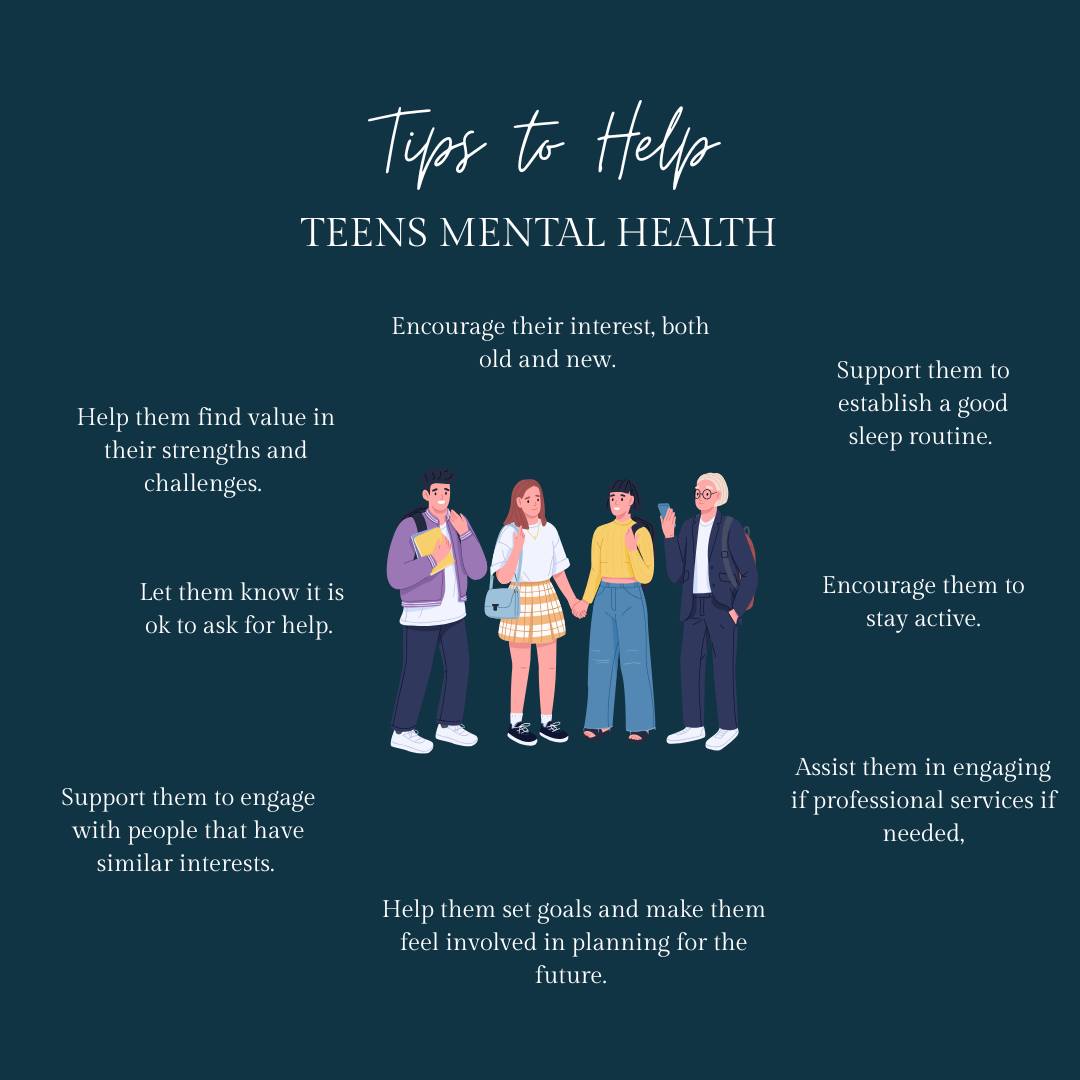
Seeking professional help is a powerful step toward improving your mental health. It shows strength and a willingness to face challenges head-on. Many teens hesitate to reach out because they worry about being judged or misunderstood, but a professional can offer the support and tools you need to feel better.
When To Reach Out
You might wonder, “How do I know if it’s time to get professional help?” If your feelings of sadness, anxiety, or stress last for weeks and start to affect your daily life—like school, friendships, or sleep—it’s a clear sign to talk to someone trained to help.
Think about moments when you feel overwhelmed or stuck. Are you avoiding activities you once enjoyed? Do you find it hard to concentrate or feel hopeless? These are important signals you shouldn’t ignore.
Remember, seeking help early can prevent problems from becoming more difficult. Have you noticed changes in your mood or behavior that worry you or the people close to you?
Types Of Support Available
There are different types of professionals who can guide you through tough times. You can see a counselor at school, a therapist, or a psychologist. Each offers different ways to help, depending on what you need.
- School Counselors:Accessible and familiar with teen issues, they offer support and can connect you to other resources.
- Therapists:Provide talk therapy to help you understand your feelings and develop coping skills.
- Psychologists/Psychiatrists:Can diagnose mental health conditions and may offer medication if needed.
Sometimes, just talking to someone who listens without judgment can make a huge difference. What kind of support do you think would feel most comfortable for you?
Credit: www.childrens.com
Utilizing Technology Wisely
Technology is a huge part of your life, especially as a teen. It can connect you to friends, help with schoolwork, and provide entertainment. But using it wisely means knowing when to unplug and how to interact online without stress or negativity.
Digital Detox Benefits
Taking breaks from screens can clear your mind and improve your mood. Even a short digital detox of an hour or two a day can help you focus better and feel less overwhelmed.
Imagine spending one afternoon without your phone or computer. You might notice you sleep better, your anxiety lowers, and you enjoy real-world moments more. How often do you step away from your devices to recharge?
Try scheduling tech-free times daily, like during meals or before bedtime. This small change can boost your mental clarity and reduce feelings of burnout.
Healthy Online Interactions
Your online world should feel safe and positive. Choose to follow accounts that inspire or teach you something new rather than those that bring you down.
When chatting or posting, think about how your words affect others. Kindness online is just as important as in person. Have you ever noticed how a simple compliment can brighten someone’s day?
- Block or mute accounts that cause stress or negativity.
- Set boundaries on how long you spend scrolling social media.
- Engage with groups or pages that support your interests and values.
Healthy online habits don’t just protect your mental health; they also build your confidence and help you feel connected in meaningful ways.
Engaging In Physical Activity
Physical activity plays a big role in keeping the mind healthy. Moving your body helps reduce stress and lifts your mood. It also improves sleep and boosts energy. Even small amounts of exercise can make a difference. Finding ways to stay active is important for every teen’s mental health.
Exercise And Mental Health
Exercise releases chemicals in the brain that make you feel good. These natural chemicals can lower feelings of anxiety and sadness. Physical activity also helps clear your mind and improve focus. It can increase self-esteem and confidence. Regular exercise creates a routine that supports mental balance.
Finding Enjoyable Activities
Enjoying what you do makes staying active easier. Choose activities that feel fun, not like a chore. Try different options to see what fits your style. This could be walking, dancing, biking, or playing a sport. Doing activities with friends adds social support and motivation.
Credit: www.facebook.com
Frequently Asked Questions
What Are Effective Daily Mental Health Tips For Teens?
Daily tips include regular exercise, balanced sleep, and healthy eating. Teens should practice mindfulness and limit screen time. Talking openly with trusted friends or family also supports mental well-being.
How Can Teens Manage Stress And Anxiety Better?
Teens can manage stress by practicing deep breathing and time management. Engaging in hobbies and seeking support from counselors helps reduce anxiety effectively.
Why Is Sleep Important For Teen Mental Health?
Sleep restores brain function and emotional balance. Teens need 8-10 hours nightly for better concentration, mood, and overall mental health.
How Can Social Connections Improve Teen Mental Health?
Strong social bonds provide emotional support and reduce feelings of loneliness. Positive friendships boost self-esteem and help teens cope with challenges.
Conclusion
Taking care of your mental health is very important. Small steps like talking to friends or resting can help a lot. Practice good habits every day to feel better. Remember, you are not alone in this journey. Asking for help shows strength, not weakness.
Keep trying and stay positive. Your mind needs care just like your body. Healthy thoughts lead to a happier life. Start today and notice the difference.