Your mental health wellness is more important than you might realize. It affects how you think, feel, and handle daily life.
When you take care of your mind, everything else in your life can improve too. Imagine waking up feeling clear-headed, calm, and ready to face any challenge. This article will show you simple, practical ways to boost your mental health and keep your mind strong.
Keep reading to discover easy steps you can start today to feel better and live a happier life.
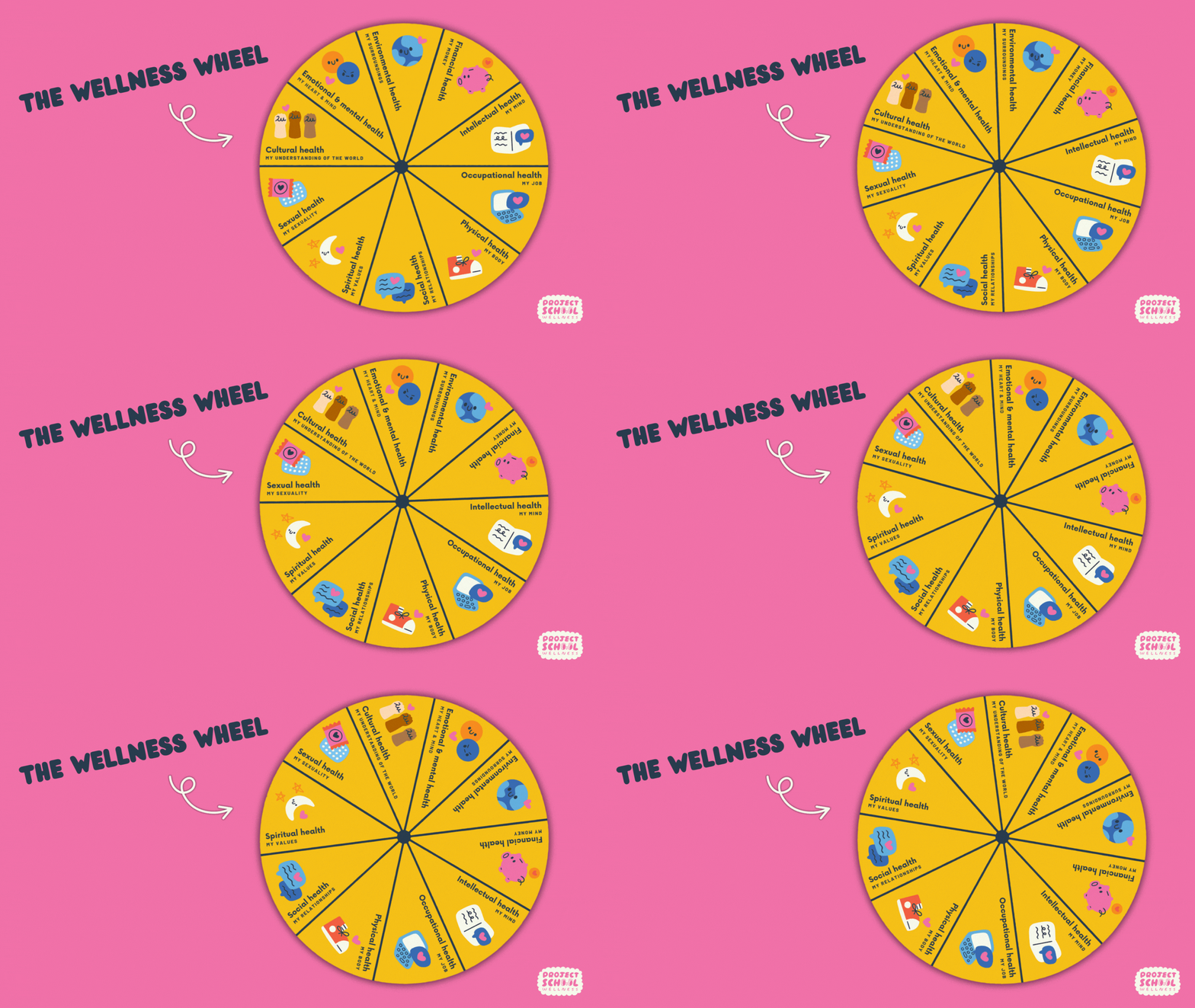
Credit: www.projectschoolwellness.com
Building A Strong Foundation
Strong mental health begins with daily habits that support calm and balance. Simple actions like resting well and talking openly help build lasting wellness.
Building a strong foundation for mental health wellness is like crafting a sturdy base for a home—it’s essential for long-term stability. It involves nurturing habits and practices that support your mental well-being. By investing in these foundational elements, you pave the way for resilience in the face of life’s challenges. Let’s explore some key areas that can significantly contribute to building this foundation.Daily Mindfulness Practices
Mindfulness is more than just a buzzword; it’s a powerful tool for maintaining mental health. Consider dedicating a few minutes each day to simply observe your thoughts without judgment. This practice can help you stay grounded and reduce stress. Incorporate activities like mindful breathing or journaling into your routine. These small, intentional moments can enhance your awareness and bring clarity to your emotions. Have you tried setting aside time each morning to focus on gratitude? It can transform your entire day.Healthy Sleep Habits
Sleep is a cornerstone of mental health, yet it’s often overlooked. Establishing a consistent sleep schedule can improve your mood and cognitive function. Aim for 7-9 hours of quality sleep each night. Create a sleep-friendly environment by minimizing light and noise. Consider using calming rituals before bed, such as reading or gentle stretching. Have you noticed how a good night’s sleep can make you feel unstoppable?Balanced Nutrition For The Mind
What you eat has a profound impact on your mental health. Fueling your body with nutrient-rich foods can boost your mood and energy levels. Incorporate a variety of fruits, vegetables, whole grains, and lean proteins into your diet. Stay hydrated and limit processed foods and sugary snacks. These small changes can lead to noticeable improvements in your mental clarity and emotional stability. Ever noticed how a balanced meal can brighten your outlook on life?Stress Management Techniques
Stress can sneak up on you and drain your energy before you even realize it. Finding effective ways to manage stress helps you stay focused and feel more in control. Here are some practical techniques that you can start using today to calm your mind and body.
Breathing Exercises
Deep breathing is a simple tool you can use anytime, anywhere. Try inhaling slowly through your nose for four seconds, hold your breath for four seconds, then exhale through your mouth for six seconds.
This rhythm helps slow your heart rate and relax your muscles almost immediately. Have you noticed how taking a few deep breaths during a hectic day can shift your mood?
Progressive Muscle Relaxation
This technique asks you to tense and then relax different muscle groups in your body, starting from your feet and moving upward. It helps you recognize where you hold tension and release it consciously.
Next time stress hits, try squeezing your fists tightly for five seconds, then let go and feel the relief. It’s surprising how focusing on physical sensations can quiet a racing mind.
Time Management Tips
Stress often builds when your to-do list feels endless. Break your tasks into smaller, manageable chunks and set clear priorities each day.
- Use a planner or app to block out specific times for work and breaks.
- Learn to say no to extra commitments that don’t align with your goals.
- Set realistic deadlines to avoid last-minute pressure.
Have you tried scheduling ‘buffer time’ between tasks? It can prevent the stress of rushing and help you stay calm throughout your day.
Boosting Emotional Resilience
Building emotional resilience is essential for handling life’s ups and downs without feeling overwhelmed. It means strengthening your ability to bounce back from stress, setbacks, or difficult emotions. You can boost this skill by practicing small, intentional habits that change how you react to challenges.
Positive Self-talk
The way you talk to yourself shapes your emotional strength more than you might realize. Negative self-talk can drain your energy and increase anxiety, while positive self-talk builds confidence and calm.
Try catching yourself when a harsh thought pops up. Instead of thinking, “I can’t handle this,”tell yourself, “I will do my best and learn from this.”This small shift can reduce stress and help you stay focused on solutions.
Setting Boundaries
Knowing when to say no is a powerful way to protect your mental space. Boundaries help you avoid burnout and maintain emotional balance by preventing others’ problems from overwhelming you.
Start by identifying what drains your energy. It could be nonstop work emails or social obligations that leave you exhausted. Communicate your limits clearly and kindly, like saying, “I need some time to recharge, so I won’t be available after 7 PM.”
Cultivating Gratitude
Gratitude changes your focus from what’s missing to what’s already good in your life. This simple practice can improve your mood and build resilience against negative feelings.
Try listing three things you appreciate every day. They don’t have to be big—maybe a warm cup of coffee or a kind word from a friend. Over time, this habit rewires your brain to notice positives even during tough times.

Credit: www.dxbnewsnetwork.com
Building Supportive Relationships
Building supportive relationships is a key pillar of mental health wellness. These connections offer comfort, understanding, and strength during challenging times. Your mental well-being improves when you surround yourself with people who listen, care, and encourage you.
Effective Communication Skills
Clear and honest communication helps you express your feelings and needs without confusion. Practice active listening by focusing fully on the speaker and asking questions to show you care. Sharing your thoughts openly encourages trust and deepens your relationships.
Try to avoid assumptions or jumping to conclusions during conversations. Instead, ask for clarification if something feels unclear or upsetting. This simple habit can prevent misunderstandings and build stronger emotional bonds.
Finding Community Support
Look for groups or organizations that share your interests or experiences. Being part of a community where you feel accepted reduces feelings of isolation. Whether it’s a local club, a support group, or an online forum, these spaces give you a sense of belonging.
Have you ever noticed how meeting others facing similar struggles can lighten your emotional load? Sharing your story and hearing theirs creates a powerful connection that fuels healing and hope.
Nurturing Healthy Connections
Spend time with people who uplift and respect you. Healthy relationships include mutual support, respect, and understanding. They don’t drain your energy but instead inspire growth and resilience.
Set boundaries that protect your emotional space. It’s okay to say no or step back from relationships that cause stress or harm. Remember, the quality of your connections matters more than the quantity.
Incorporating Physical Activity
Physical activity plays a key role in mental health wellness. Moving the body helps release chemicals that boost mood and reduce stress. It supports clearer thinking and better sleep. Regular activity can improve self-esteem and decrease feelings of anxiety and depression.
Incorporating physical activity does not mean intense workouts only. Simple movements and mindful exercises also benefit the mind and body. Finding enjoyable ways to stay active helps maintain a healthy balance.
Exercise Benefits For Mental Health
Exercise triggers the release of endorphins, natural mood lifters. It lowers stress hormones like cortisol. Activity improves brain function and memory by increasing blood flow. Physical movement can reduce symptoms of anxiety and depression. It provides a healthy outlet for frustration and tension.
- Boosts mood and energy levels
- Reduces anxiety and stress
- Improves sleep quality
- Enhances focus and mental clarity
Mind-body Practices
Mind-body exercises connect physical movement with mental focus. They promote relaxation and mindfulness. These practices help calm the mind and reduce negative thoughts. They improve body awareness and emotional regulation.
- Yoga combines stretching with breath control
- Tai Chi uses slow, flowing movements
- Pilates focuses on core strength and balance
- Meditation with movement enhances calmness
Creating A Consistent Routine
Consistency is key for lasting benefits. Setting a regular schedule makes physical activity a habit. Starting with small, manageable goals helps build confidence. Varying activities keeps exercise enjoyable and prevents boredom. Tracking progress motivates continued effort.
- Choose activities you enjoy
- Set specific days and times
- Start with 10-15 minutes daily
- Increase duration gradually
Seeking Professional Help
Seeking professional help is a crucial step toward maintaining your mental health wellness. It’s not a sign of weakness but a proactive choice to support your well-being. Understanding when and how to reach out can make a significant difference in your healing journey.
When To Reach Out
You might wonder, “Is this the right time to ask for help?” If you notice persistent feelings of sadness, anxiety, or overwhelm that affect your daily life, it’s time to consider professional support.
Other signs include difficulty managing stress, withdrawing from loved ones, or having thoughts that worry you. Asking for help early can prevent these issues from escalating.
Remember, seeking help is about taking control of your life, not waiting until things get worse.
Therapy Options
Therapy offers a safe space to explore your thoughts and feelings. You can choose from several types based on what fits your needs and personality.
- Cognitive Behavioral Therapy (CBT)helps change negative thought patterns and behaviors.
- Talk Therapyfocuses on discussing your experiences to gain insight and healing.
- Group Therapyconnects you with others facing similar challenges, creating a sense of community.
Finding the right therapist might take time, but your mental wellness is worth the effort.
Medication And Alternatives
Medication can be a helpful tool for some people managing mental health issues. It’s important to work with a healthcare provider to find the right medication and dosage.
Not everyone needs medication, and alternatives like mindfulness, exercise, and lifestyle changes can also improve your mental health.
Have you considered combining different approaches to find what truly works for you? This personalized plan can make your journey more effective and sustainable.
Sustaining Long-term Wellness
Sustaining long-term mental health wellness takes more than just a one-time effort. It requires consistent care, awareness, and flexibility as life changes around you. Building habits that support your well-being every day can make a real difference in how you feel over months and years.
Tracking Progress
Keeping track of your mental health helps you see what’s working and what needs adjustment. You can use journals, apps, or simple checklists to note your moods, stress levels, and activities.
For example, I started writing down three things I felt grateful for each day. Over time, I noticed my outlook became more positive, and I could pinpoint what triggered anxiety. What simple tool could you start using today to monitor your mental wellness?
Adapting To Life Changes
Life rarely stays the same, and your mental health routine shouldn’t either. Shifts like a new job, moving, or relationship changes demand fresh strategies for coping.
When my workload increased suddenly, I had to swap evening workouts for quick mindfulness breaks during the day. Being flexible with your wellness plan means you stay resilient through ups and downs. How will you adjust your practices when your circumstances shift?
Maintaining Motivation
Staying motivated to care for your mental health can be tough, especially when progress feels slow. Setting small, realistic goals helps maintain momentum and builds confidence.
Celebrate tiny wins, like choosing a healthy snack or taking a five-minute pause to breathe deeply. These moments add up and keep you moving forward. What small step can you commit to right now that will brighten your mental space?
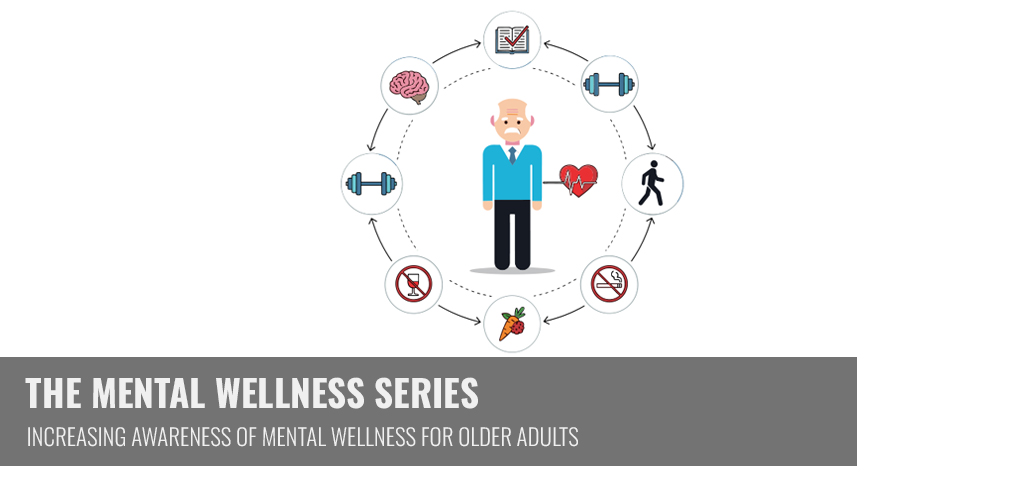
Credit: dmh.lacounty.gov
Frequently Asked Questions
What Is Mental Health Wellness?
Mental health wellness means maintaining a balanced emotional and psychological state. It involves managing stress, coping with challenges, and staying positive. Good mental health supports overall well-being and daily functioning, improving quality of life and relationships.
How Can I Improve My Mental Health Daily?
You can improve mental health by practicing mindfulness, exercising regularly, and maintaining a healthy diet. Getting enough sleep and connecting with loved ones also supports emotional well-being. Avoiding stress triggers and seeking help when needed are important steps.
Why Is Mental Health Important For Overall Wellness?
Mental health affects how we think, feel, and act. It influences stress management, relationships, and decision-making. Strong mental health enhances physical health, productivity, and life satisfaction. Neglecting it can lead to emotional and physical problems.
When Should I Seek Professional Mental Health Help?
Seek professional help if you experience persistent sadness, anxiety, or mood changes. Difficulty coping with daily tasks or thoughts of self-harm also signal the need for support. Early intervention improves recovery and prevents worsening symptoms.
Conclusion
Taking care of your mental health is important every day. Small steps can lead to big changes. Talk to someone you trust when feeling stressed or sad. Practice habits that help you relax and stay calm. Remember, you are not alone in this journey.
Keep learning about ways to support your mind. Your well-being matters, and you deserve to feel better. Stay patient and kind to yourself as you grow. Mental health wellness is a path, not a race. Keep moving forward at your own pace.