Smart gyms deliver personalized, data-backed workouts; traditional gyms offer simplicity, freedom, and lower costs.
If you are weighing a smart gym system vs traditional gym setup, you want clear, real-world answers. I have implemented both in clubs and home studios. I know where tech shines and where it gets in the way. In this guide, I will break down how each model works, what it costs, who it fits, and how to choose with confidence. You will get practical steps, plain language, and balanced advice that makes your decision simple.
Understanding the landscape
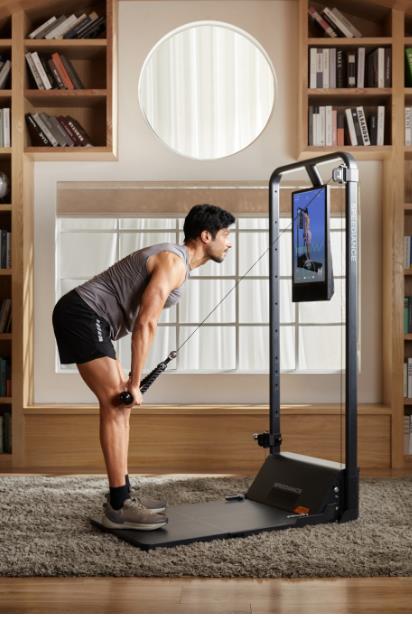
A smart gym system blends connected machines, sensors, and software. It tracks your reps, form, heart rate, and effort. It learns your patterns and gives you goals, auto-progressions, and feedback on the spot.
A traditional gym setup is simple and flexible. It offers racks, plates, dumbbells, and cardio machines. Coaching is in person, and data tracking is up to you.
Both paths can work. The best choice depends on your goals, budget, and space. This is why many people search for smart gym system vs traditional gym setup to find the best fit for their routine and wallet.

Smart gym system vs traditional gym setup: key differences that matter
When we compare a smart gym system vs traditional gym setup, a few themes stand out.
- Coaching and guidance. Smart gyms deliver cues and plans in real time. Traditional gyms rely on human coaches or your own plan.
- Data and tracking. Smart gyms log every set and rep. Traditional setups need apps or a notebook to keep score.
- Space and layout. Smart gear is compact and modular. Traditional setups need more floor space for racks and free weights.
- Cost and upkeep. Smart gyms cost more up front and need updates. Traditional gear is cheaper and lasts longer with simple care.
- Motivation and habit. Smart gyms use nudges, streaks, and leaderboards. Traditional setups lean on community and coach support.
From a member view, a smart gym can feel like a coach in your pocket. From an owner view, it adds data and control. The trade-off is higher cost and more moving parts. This is the heart of smart gym system vs traditional gym setup for most buyers.

Who benefits most from each option
Members new to fitness often do better with clear steps and feedback. A smart system gives them a safe start and wins fast. It reduces guesswork and fear of the weight room.
Powerlifters and seasoned athletes like freedom. They want plates, platforms, chalk, and space. A traditional gym setup offers that edge and room to grow.
Owners need stable cash flow and happy members. Smart gyms boost stickiness with data and plans. Traditional gyms win with low costs and strong culture. Many clubs blend both to cover all needs in the smart gym system vs traditional gym setup debate.

Costs, ROI, and what the numbers say
Upfront cost can be the biggest hurdle. Smart machines, sensors, and screens raise the starting price. There are also software fees, updates, and support plans. Traditional gear is cheaper and has a long life.
Operating costs differ. Smart systems reduce wasted sessions and can raise session value. They also cut staff time on programming and check-ins. Traditional gyms save on tech fees but may spend more on coaching hours.
Think in total cost of ownership. Map five years of costs. Compare churn, session sales, and retention. In many cases, a smart gym system vs traditional gym setup becomes a numbers game. Smart gear can pay off if you grow use and reduce attrition. Traditional setups shine if your base loves free weights and your coaches drive strong results.
A simple method to decide:
- List your top three member segments.
- Estimate how tech will raise their visits per week.
- Price the added value of plans, form help, and reports.
- Compare that to added costs over five years.
Industry reports show that guided workouts raise adherence. Many clubs see lower churn with habit loops and progress charts. That can tip the scale for a smart gym system vs traditional gym setup when retention drives profit.

Data, privacy, and reliability
Smart gyms collect a lot of data. This includes body metrics, usage, and performance trends. Be clear about consent, storage, and who sees what. Members should control their data. Keep it safe with encryption and role-based access.
Reliability matters. Sensors drift. Wi-Fi fails. Screens break. Have offline modes and backups. A simple whiteboard and printed plan can save a day.
With a traditional gym setup, privacy is simple. There is less data to guard. The flip side is less insight. If you adopt tech, set clear rules. Train staff on data care. This builds trust in the smart gym system vs traditional gym setup choice.
:max_bytes(150000):strip_icc()/ninoon-getty-836f7b4cd9e9419388c39a449df34501.jpg)
How to choose and roll out with confidence
Use this step-by-step process. It works for new builds and upgrades.
- Clarify your north star. Strength sports, general fitness, or rehab. Your aim sets the plan.
- Map current and future users. Newcomers, busy parents, lifters, or teams. Rank their needs.
- Score each option. Use a simple matrix for cost, space, staff, member fit, and risk.
- Pilot before you scale. Test a smart rack or a sensor zone for 60 days.
- Train your people. Coaches should know the tech and the basics. Keep it simple and kind.
- Set simple metrics. Visits per week, plan completion, injury reports, and member NPS.
- Review and iterate. Drop what members do not use. Double down on what sticks.
I have rolled out tech in stages. We started with wearables and rep tracking on a few racks. We kept a classic free weight zone. The blend won trust. It turned a smart gym system vs traditional gym setup question into a both-and answer for our club.

Real examples, mistakes to avoid, and lessons learned
What worked in my gyms:
- We used gentle nudges, not loud alerts. This made feedback welcome.
- We set default plans for new members. They could edit with one tap.
- We offered “coach first” hours and “tech first” hours. People chose their lane.
Mistakes to avoid:
- Do not overload the floor with screens. Start small and tidy.
- Do not hide free weights in a corner. Keep them open and safe to reach.
- Do not skip staff training. A confident coach is the bridge.
Key lesson. Tech should remove friction, not add it. When I framed smart gym system vs traditional gym setup as a choice, members split. When I blended both and let them switch, use went up, and stress went down.

Trends shaping the next five years
AI coaching is getting better at cueing form. Motion data and video can spot knee valgus and back rounding. The tips are short and kind. This cuts risk and builds skill.
Strength machines are adding auto-load and rep targets. They adjust to your last set. You get smooth progress. This helps busy people stay on plan.
Community stays key. Even in smart gyms, group energy wins. Tech will power small groups with shared targets. Owners will keep a quiet free weight zone. This balance will settle many smart gym system vs traditional gym setup debates.
Expect more open standards. Your watch, your bike, and your barbell will sync. This gives a full view of your day. Sleep, steps, and lifts will guide plans in one place.

Frequently Asked Questions of Smart gym system vs traditional gym setup
Is a smart gym worth it for beginners?
Yes, because it gives clear steps and fast feedback. You build safe habits and see progress on day one.
Can I get strong without a smart system?
Absolutely. Many people hit big lifts with a traditional gym setup. Good coaching, safe form, and steady work matter most.
How much more does a smart gym cost?
Upfront costs can be two to five times more. Monthly software and support fees also add up over time.
What if the tech fails mid-workout?
Have a backup plan, like printed workouts and whiteboards. Keep a basic kit ready so sessions continue without stress.
Does a smart gym replace human coaches?
No. Tech supports coaches with data and plans. The best results come from human care plus smart tools.
Which is better for small spaces at home?
A smart rack or compact system often fits better. It saves space and offers many exercises in one unit.
How does a smart gym improve motivation?
It uses small goals, streaks, and instant feedback. That keeps you engaged and builds momentum.
Conclusion
Both paths can lead to a strong, healthy life. A smart gym gives guidance, tracking, and quick wins. A traditional gym gives freedom, feel, and iron that never lies. Your best choice comes from your goals, your budget, and your style.
If you still weigh a smart gym system vs traditional gym setup, test both for two weeks. Note how you feel, how you progress, and what you enjoy. Choose the one that you can stick with. Ready to go deeper? Subscribe for more guides, gear reviews, and real programs. Leave a comment with your setup and questions, and I will help you plan your next step.