Are you looking to boost your sperm health and improve your chances of starting a family? Understanding how to take care of your sperm is easier than you might think.
Small changes in your daily habits can make a big difference in your fertility and overall well-being. Keep reading to discover simple, effective tips that can help you take control of your reproductive health right now. Your future self will thank you.
Credit: www.facebook.com
Diet And Nutrition
Diet and nutrition play a crucial role in maintaining and improving sperm health. What you eat directly affects the quality, motility, and count of your sperm. Small changes in your daily diet can make a big difference in your fertility journey.
Foods To Boost Sperm Health
Adding certain foods to your meals can enhance sperm quality noticeably. Fresh fruits and vegetables, especially those rich in antioxidants like berries and spinach, protect sperm from damage.
Seafood, particularly oily fish like salmon and mackerel, provides omega-3 fatty acids that improve sperm movement. Nuts such as walnuts and almonds are also excellent because they supply healthy fats and essential vitamins.
Have you ever considered how a simple handful of walnuts could impact your fertility? Including these foods regularly may improve your sperm’s strength and speed.
Essential Nutrients For Fertility
Specific nutrients are vital for sperm production and function. Zinc stands out as a key mineral that supports sperm count and testosterone levels. You can find zinc in foods like beef, pumpkin seeds, and lentils.
Vitamin C is another powerhouse nutrient that helps prevent sperm clumping and improves motility. Citrus fruits, strawberries, and bell peppers are rich sources to add to your diet.
Don’t overlook folate; it helps reduce sperm abnormalities. Leafy greens and fortified cereals contain this essential vitamin. Are you getting enough of these nutrients daily? Tracking your intake might reveal simple ways to boost your fertility.

Credit: www.instagram.com
Exercise And Physical Activity
Exercise and physical activity play a crucial role in improving sperm health. They help balance hormones, reduce stress, and boost overall well-being. But which types of exercises truly make a difference for fertility?
Benefits Of Regular Exercise
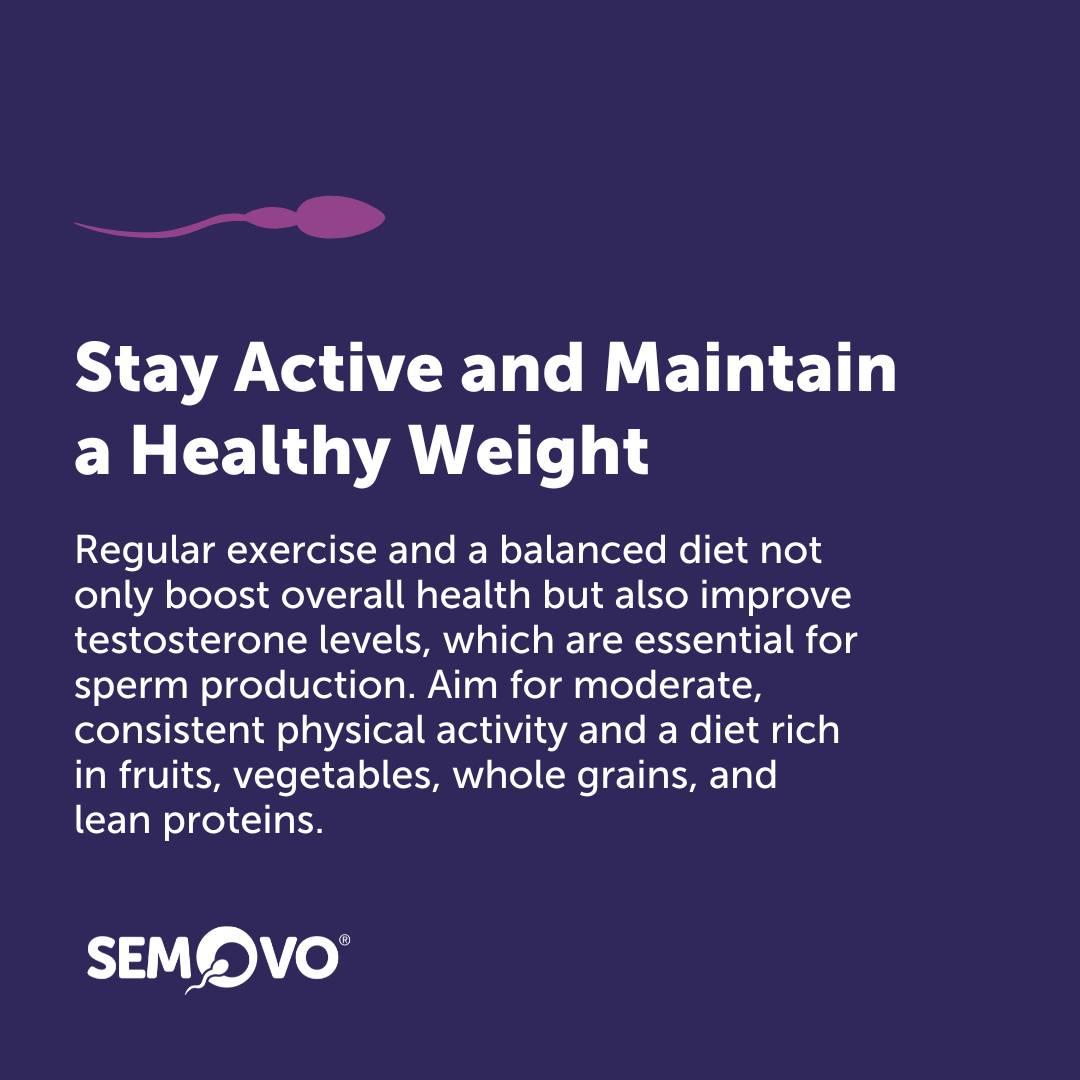
Regular physical activity increases testosterone levels, which is vital for sperm production. It also improves blood flow to the reproductive organs, enhancing sperm quality. Beyond physical benefits, exercise lowers stress hormones that can negatively affect fertility.
Have you noticed how your energy and mood improve after a workout? These small changes can positively impact your reproductive system. Staying active also supports a healthy weight, which is closely linked to sperm count and motility.
Types Of Exercise To Improve Fertility
Not all exercises have the same effect on sperm health. Moderate aerobic activities like brisk walking, swimming, and cycling help maintain optimal body weight and reduce oxidative stress. These are great choices if you want to boost your fertility.
Strength training is also beneficial, but avoid excessive heavy lifting that can increase scrotal temperature and reduce sperm quality. Yoga and stretching exercises can reduce stress and improve hormonal balance. How often do you include these activities in your routine?
- Brisk walking:30 minutes daily to improve circulation
- Swimming:Low-impact, full-body workout that reduces inflammation
- Light strength training:Twice a week to support hormone levels
- Yoga:Helps manage stress and balance hormones
Think about your current exercise habits. Could adding or adjusting your routine help improve your sperm health? Small changes might lead to big improvements.
Managing Stress
Managing stress plays a key role in maintaining good sperm health. Stress affects the body in many ways, including hormone balance and sperm quality. Reducing stress can improve overall reproductive health and increase the chances of conception.
Impact Of Stress On Sperm Health
Stress triggers the release of hormones like cortisol. High cortisol levels can lower testosterone. Low testosterone can reduce sperm production and motility. Stress also increases oxidative stress in the body. Oxidative stress damages sperm DNA and cells. Chronic stress may lead to poor sperm count and abnormal shape. Mental health issues linked to stress can decrease sexual desire. All these factors combined reduce fertility potential.
Stress-reduction Techniques
- Practice deep breathing exercises daily to calm the mind.
- Engage in physical activities like walking or yoga.
- Maintain a consistent sleep schedule to improve rest.
- Spend time on hobbies that bring joy and relaxation.
- Talk with friends or a counselor to share feelings.
- Limit caffeine and alcohol, which can increase stress.
- Try mindfulness or meditation for mental clarity.
Sleep Quality
Sleep quality plays a crucial role in maintaining sperm health. Poor sleep can disrupt hormone levels that regulate sperm production and reduce overall fertility. Paying attention to how well you sleep could be the key to improving your reproductive health.
Importance Of Sleep For Fertility
Sleep helps regulate testosterone, which directly affects sperm count and motility. Studies show men who sleep less than six hours per night have lower sperm concentration compared to those who sleep seven to eight hours.
Quality sleep supports the body’s repair and regeneration processes, including sperm production. Lack of deep, restful sleep may increase oxidative stress, damaging sperm DNA and reducing fertility.
Tips For Better Sleep
- Stick to a schedule:Going to bed and waking up at the same time every day trains your body for consistent rest.
- Create a sleep-friendly environment:Keep your bedroom dark, cool, and quiet to help your body relax faster.
- Limit screen time:Avoid phones or computers at least an hour before bed, as blue light disrupts melatonin production.
- Watch your diet:Avoid caffeine and heavy meals late in the day to prevent sleep disturbances.
- Practice relaxation:Try deep breathing, meditation, or light stretching to calm your mind before sleep.
Have you noticed changes in your sleep affecting your energy or mood? Improving your sleep quality could also boost your fertility, making it worth the effort.
Avoiding Toxins
Protecting your sperm health means paying close attention to the toxins you encounter daily. Many harmful substances can quietly damage sperm quality without obvious signs. Avoiding these toxins can make a significant difference in your fertility and overall well-being.
Common Environmental Toxins
You might be surprised how many everyday items contain toxins that affect sperm health. Pesticides, heavy metals like lead and mercury, and chemicals found in plastics (such as BPA) are common offenders. Even air pollution from traffic or industrial areas can lower sperm count and motility.
Household products like cleaning sprays, paint fumes, and certain cosmetics may also expose you to harmful substances. Have you checked the labels on your personal care items recently? Many contain parabens and phthalates, which disrupt hormone balance and sperm production.
Lifestyle Changes To Reduce Exposure
Reducing toxin exposure starts with small but powerful lifestyle changes. Swap out plastic water bottles and food containers for glass or stainless steel to avoid chemicals seeping into your food and drinks.
Choose organic produce whenever possible to minimize pesticide intake. Washing fruits and vegetables thoroughly also helps remove residues. If you live in a polluted area, consider using an air purifier at home to cut down airborne toxins.
Smoking and excessive alcohol use expose your body to toxins that harm sperm quality. Cutting back or quitting these habits can quickly improve your reproductive health. Are you ready to make these changes for the sake of your future?
Maintaining Healthy Weight
Maintaining a healthy weight plays a crucial role in supporting sperm health. Excess body fat can disrupt hormone levels, which directly impacts sperm production and quality. Keeping your weight in check can improve your chances of conception and boost overall reproductive health.
Impact Of Weight On Sperm Health
Carrying too much weight can lower testosterone and increase estrogen, which harms sperm development. Studies show that men with higher body fat often have lower sperm count and reduced motility. On the other hand, being underweight can also weaken sperm quality due to nutritional deficiencies.
Have you noticed changes in your energy or mood alongside weight fluctuations? These could hint at hormonal imbalances affecting your reproductive system. Your weight doesn’t just affect appearance—it’s deeply connected to your fertility.
Strategies For Weight Management
Small, consistent changes in daily habits make a big difference in managing weight. Focus on eating whole foods like vegetables, fruits, lean proteins, and whole grains. Avoid crash diets that may deprive your body of essential nutrients needed for sperm health.
- Set achievable goals, such as adding a 20-minute walk to your routine.
- Track your meals to stay aware of portion sizes and nutrient balance.
- Stay hydrated—sometimes thirst is confused with hunger.
- Manage stress through meditation or hobbies, as stress can affect both weight and fertility.
What’s one small change you can make today to move toward a healthier weight? Remember, sustainable habits beat quick fixes for your long-term sperm health and well-being.
Hydration
Hydration plays a vital role in maintaining healthy sperm. Water keeps the body functioning well and supports many processes in sperm production. Staying hydrated helps keep sperm fluid balanced, which improves sperm movement and quality.
Without enough water, sperm can become less active and less healthy. It also helps flush out toxins that could harm sperm cells. Drinking enough water daily supports overall reproductive health and boosts fertility.
Role Of Water In Sperm Health
Water makes up a large part of semen, the fluid carrying sperm. Proper hydration ensures semen is not too thick, allowing sperm to swim freely. Well-hydrated semen provides a better environment for sperm survival.
Water helps regulate body temperature, which is important for sperm production. It also aids nutrient delivery to testicles and removes waste products. All these functions support stronger and healthier sperm.
Hydration Tips
- Drink at least 8 cups of water each day.
- Choose water over sugary or caffeinated drinks.
- Carry a water bottle to remind yourself to drink often.
- Eat fruits and vegetables with high water content, like cucumbers and watermelon.
- Avoid alcohol, which can dehydrate the body and harm sperm.
- Notice the color of your urine; light yellow means good hydration.
Alcohol And Smoking
Alcohol and smoking have a strong impact on sperm health. Both habits can reduce sperm count and affect sperm quality. Understanding their effects helps men make better choices for fertility. Cutting down on these substances supports reproductive health and overall wellness.
Effects On Fertility
Alcohol lowers testosterone and sperm production. It changes sperm shape and movement, making fertilization harder. Smoking introduces toxins that damage sperm DNA. This leads to lower sperm count and poor sperm quality. Both habits increase the risk of infertility in men.
Ways To Limit Consumption
- Set clear limits on daily alcohol intake.
- Choose alcohol-free days each week.
- Replace smoking with healthier activities like walking.
- Seek support groups or counseling to quit smoking.
- Avoid social situations that encourage drinking or smoking.
Regular Check-ups
Regular check-ups play a crucial role in maintaining and improving your sperm health. They help catch potential problems early, allowing you to take action before issues worsen. Regular visits to your healthcare provider give you a clearer picture of your reproductive health and help you stay on track with your wellness goals.
Importance Of Medical Screenings
Medical screenings can identify infections, hormonal imbalances, or other conditions affecting sperm quality. These tests often include semen analysis, hormone level checks, and screenings for sexually transmitted infections (STIs). Early detection through screenings can save you time and stress by addressing problems before they impact your fertility.
Think about it this way: If you’ve noticed changes in your energy, mood, or sexual function, a medical screening could explain why. It’s not just about fertility; these check-ups give insight into your overall health, which directly impacts sperm health.
When To See A Specialist
If routine check-ups reveal abnormalities or if you’ve been trying to conceive without success for over a year, it might be time to see a fertility specialist. Specialists can offer targeted treatments and advanced diagnostics that general practitioners may not provide. Don’t wait too long—early intervention often leads to better outcomes.
Ask yourself: Have you experienced pain, swelling, or other unusual symptoms in the testicular area? Are your lifestyle changes not improving your sperm health? These signs suggest a specialist’s evaluation could be beneficial.

Credit: www.facebook.com
Frequently Asked Questions
What Foods Improve Sperm Health Naturally?
Foods rich in antioxidants, zinc, and omega-3s improve sperm health. Include nuts, fruits, leafy greens, and fish in your diet. These nutrients boost sperm count, motility, and morphology effectively.
How Does Exercise Affect Sperm Quality?
Regular moderate exercise enhances sperm quality by increasing testosterone and blood flow. Avoid excessive workouts as they may reduce sperm count. Aim for 30 minutes of activity most days for best results.
Can Stress Impact Sperm Health Negatively?
Yes, chronic stress reduces sperm count and motility by affecting hormone levels. Managing stress through relaxation techniques, sleep, and hobbies supports healthier sperm production.
Do Lifestyle Habits Influence Sperm Health?
Absolutely. Smoking, excessive alcohol, and drug use harm sperm quality. Healthy habits like balanced diet, regular exercise, and avoiding toxins promote better sperm health.
Conclusion
Taking care of sperm health improves overall well-being. Small changes in lifestyle bring big benefits. Eating well, exercising, and reducing stress help a lot. Avoid harmful habits like smoking and excess alcohol. Regular check-ups catch problems early. Staying informed keeps you in control.
Healthy sperm supports fertility and future family plans. Simple steps today lead to better results tomorrow. Keep these tips in mind for lasting health. Your body will thank you.