Are you ready to take control of your health and start your weight loss journey? Imagine fitting into your favorite pair of jeans, feeling energized every morning, and gaining the confidence you’ve always dreamed of.
With the right fitness plan tailored for beginners, you can make this a reality. You might feel overwhelmed by all the options out there, but don’t worry. You’re not alone, and there’s a simple path forward. This guide is designed with you in mind, breaking down the steps into easy, manageable actions that fit into your busy life.
You’ll discover strategies that not only burn calories but also keep you motivated and on track. By the end of this article, you’ll have a clear, actionable plan to kickstart your weight loss journey and transform your life. So, why wait any longer? Dive in and take the first step towards a healthier, happier you.
Setting Goals
Starting a weight loss fitness plan requires setting clear goals. Identify achievable milestones to track progress effectively. Stay motivated with realistic targets tailored to your needs.
Setting goals is a crucial step in any weight loss fitness plan, especially for beginners. It gives you direction and motivation, helping to transform your aspirations into achievable milestones. Whether you’re looking to shed pounds, boost energy, or simply feel better, setting clear and meaningful goals can make all the difference.Identifying Your Why
Understanding the reason behind your weight loss journey is the first step. Why do you want to lose weight? Is it for health, confidence, or something else? Reflect on a moment when you felt motivated to change. Maybe it was a doctor’s advice or wanting to keep up with your kids. This “why” will serve as your anchor, especially when the going gets tough. A personal story: I started my fitness journey because I wanted to improve my health after struggling with low energy levels. Remembering this kept me focused during challenging workouts.Establishing Realistic Targets
Setting achievable targets is essential for maintaining motivation and avoiding frustration. Instead of aiming to lose 20 pounds in a month, consider smaller milestones, like losing 1-2 pounds per week. Realistic targets help you celebrate small victories, which boost your morale. Think about how you will measure your progress. Will it be through the scale, clothing fit, or increased stamina? Ask yourself: Are these goals manageable with my current lifestyle? Adjust them if needed, to ensure they are both challenging and attainable.Understanding Nutrition Basics
Starting a weight loss fitness plan for beginners involves understanding basic nutrition. Balanced meals fuel the body and support exercise routines. Consuming the right nutrients aids in achieving fitness goals efficiently.
Starting a weight loss journey can be both exciting and challenging, especially for beginners. One of the most crucial aspects of this journey is understanding nutrition basics. Proper nutrition fuels your body, supports your workouts, and helps you achieve your weight loss goals. But what does “understanding nutrition” actually mean? Let’s break it down into simple, actionable insights that you can start using today.Macronutrients Explained
Macronutrients are the nutrients your body needs in larger amounts. These include carbohydrates, proteins, and fats. Each plays a unique role in your body. Carbohydrates are your primary energy source; think whole grains, fruits, and vegetables. Proteins are essential for muscle repair and growth. You can find them in meats, beans, and nuts. Fats, often misunderstood, are vital for brain health and hormone production. Opt for healthy fats like avocados, olive oil, and fish. Balance is key. Too much or too little of any macronutrient can hinder your progress. Aim for a plate that includes a mix of all three. Have you ever noticed how energized you feel after a meal with just the right balance? That’s your body thanking you for the fuel.Importance Of Hydration
Water is often the unsung hero of nutrition. Staying hydrated is crucial for every cell in your body to function properly. It aids digestion, helps with nutrient absorption, and can even keep your skin looking its best. Wondering how much water you should drink? A good rule of thumb is to aim for at least eight 8-ounce glasses a day. However, if you’re sweating a lot during workouts, you might need more. Have you ever felt sluggish and realized you haven’t had enough water? Staying hydrated can boost your energy levels and improve your workout performance. Remember, small sips throughout the day are more effective than chugging a lot at once. What’s your hydration strategy? Whether it’s a fancy water bottle or setting reminders on your phone, find what keeps you sipping regularly. Nutrition can seem overwhelming, but by understanding these basics, you’re setting a strong foundation for your weight loss journey. What small changes can you make today to improve your nutrition?Crafting A Balanced Diet Plan
Creating a diet plan that supports weight loss for beginners involves balanced meals and regular exercise. Focus on whole foods, portion control, and consistent activity for gradual, healthy progress. Adjusting meals and exercise routines to personal needs helps in achieving fitness goals effectively.
Crafting a balanced diet plan is a crucial step in any weight loss fitness plan, especially for beginners. It’s not just about cutting calories; it’s about making smart food choices that nourish your body. Eating the right balance of nutrients can fuel your workouts and help you shed pounds effectively.Meal Planning Tips
Start by planning your meals in advance. Dedicate a day each week to outline what you’ll eat for breakfast, lunch, and dinner. This approach reduces impulse eating and keeps you on track. Consider using a simple table to list your meals and snacks for each day. Include a variety of foods to ensure you’re getting all necessary nutrients. Sticking to this plan can lead to better consistency and results. Take small steps to adjust your current diet. Swap white bread for whole grain, and choose lean proteins like chicken or tofu. These minor changes can make a big difference over time.Healthy Snacking Options
Snacking can be a friend or foe in your weight loss journey. Choose snacks that are high in protein and fiber to keep you full longer. Think almonds, Greek yogurt, or an apple with peanut butter. Avoid keeping unhealthy snacks at home. If they’re not easily accessible, you’re less likely to reach for them. Replace chips and cookies with carrot sticks or air-popped popcorn for a satisfying crunch. Do you find yourself snacking out of boredom rather than hunger? Try drinking a glass of water or going for a short walk. Often, we mistake thirst or restlessness for hunger.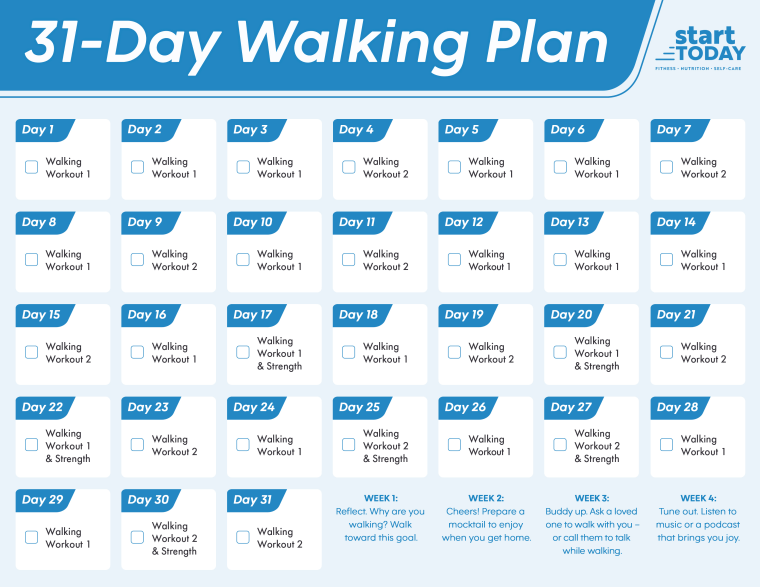
Credit: www.today.com
Designing An Exercise Routine
Embarking on a weight loss journey requires a well-structured fitness plan. Designing an exercise routine is the foundation of your success. A balanced routine includes cardio, strength training, and flexibility exercises. Each component plays a unique role in promoting weight loss and overall health. Let’s explore how to design a routine that suits beginners.
Cardio For Beginners
Cardio exercises boost your heart rate and burn calories. Start with walking or light jogging. Aim for 20 to 30 minutes a day. Gradually increase the intensity as your endurance improves. Cycling and swimming are great alternatives if you prefer low-impact activities. Listen to your body and find a rhythm that feels comfortable.
Strength Training Basics
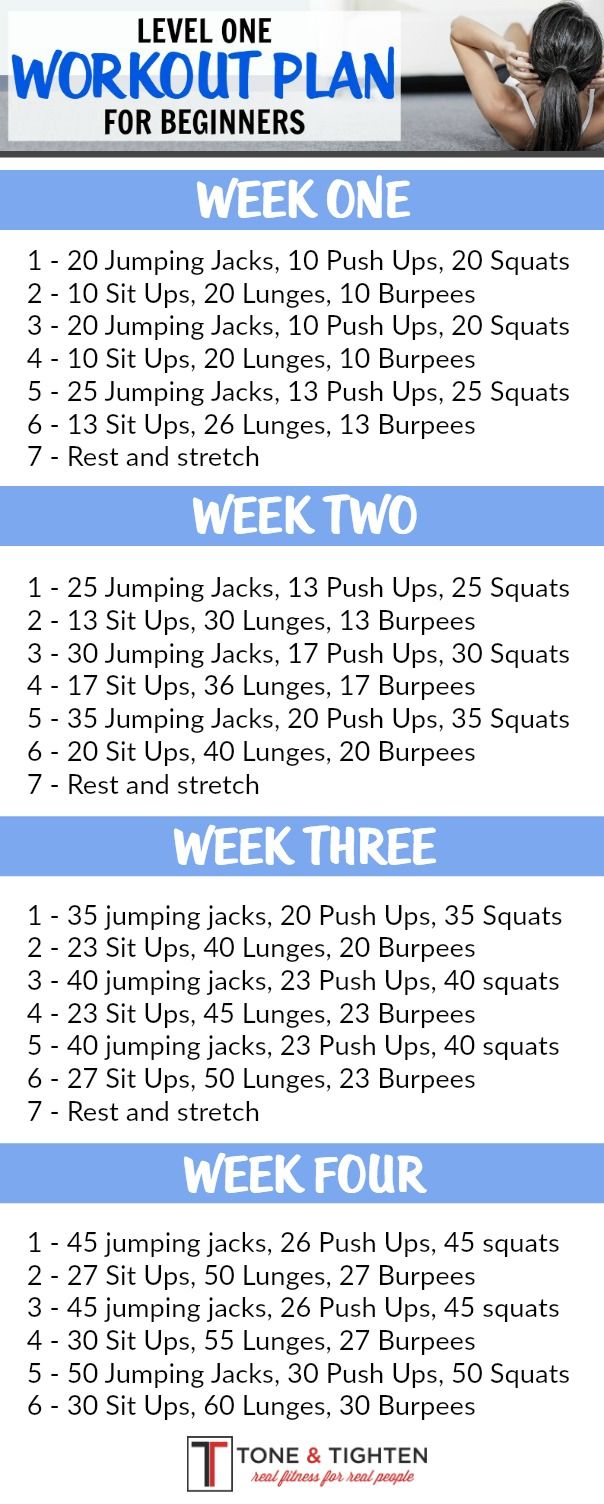
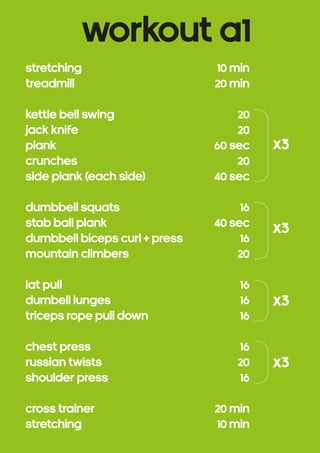
Strength training builds muscle and increases metabolism. Begin with bodyweight exercises like squats and push-ups. These exercises require no equipment and can be done at home. Focus on proper form to avoid injury. Incorporate weights as you grow stronger. Light dumbbells are perfect for beginners. Aim for two to three sessions per week.
Creating A Weekly Schedule
Crafting a weekly schedule boosts success in weight loss and fitness for beginners. Include cardio, strength training, and rest days. Simple routines help maintain motivation and progress.
Creating a weekly schedule is crucial for beginners in weight loss fitness. Planning workouts and rest days helps maintain consistency. It builds a foundation for long-term success. A well-structured schedule keeps you motivated. It helps track progress and prevents burnout. Start by assessing your current lifestyle. Find time slots for exercise in your daily routine. Balance workouts with rest to avoid injury.Balancing Workouts And Rest
Exercise is essential for weight loss. But rest is equally important. Strenuous workouts need recovery time. Schedule at least one rest day per week. This helps muscles repair and grow stronger. Alternate between cardio and strength training. Keep workouts varied to engage different muscle groups. Listen to your body. Feeling tired? Take a break. Overworking leads to fatigue and injuries.Adapting To Your Lifestyle
Your schedule should fit your lifestyle. Consider your job, family, and hobbies. Early riser? Morning workouts might suit you. Night owl? Evening sessions can be ideal. Flexibility is key to long-term adherence. Adjust your schedule as needed. Start with 30-minute workouts. Gradually increase duration and intensity. Consistency is more important than perfection. Stay committed to your routine and see progress.Tracking Progress
Tracking progress is essential in any weight loss fitness plan. It helps beginners understand their journey and make necessary adjustments. Consistent tracking keeps you motivated and focused. It also provides a clear picture of your achievements. Here’s how you can effectively track your progress.
Monitoring Weight Changes
Monitoring your weight regularly gives insight into your progress. Use a reliable scale for accurate measurements. Weigh yourself at the same time each day for consistency. Record these numbers to see patterns over time. Remember, weight can fluctuate due to various factors. Focus on overall trends rather than daily changes. This approach helps you stay positive and patient.
Keeping A Fitness Journal
A fitness journal is a powerful tool in your weight loss journey. Write down your daily workouts and activities. Include details like duration and intensity. Record your feelings and energy levels. This helps identify what works best for you. A journal also highlights any challenges or improvements. Over time, you’ll see your growth and dedication.
Staying Motivated
Starting a weight loss fitness plan can be challenging. Setting small goals keeps motivation high. Tracking progress boosts confidence and determination.
Embarking on a weight loss journey is exciting, but staying motivated can sometimes feel like an uphill battle. It’s easy to start strong, but maintaining that momentum requires a strategic approach. Understanding how to keep your motivation high is crucial for long-term success. Let’s dive into some practical tips that can help you stay on track.Overcoming Plateaus
Hitting a plateau is a common challenge that can test your resolve. Progress seems to stall, and it can be disheartening. However, it’s important to remember that plateaus are a natural part of the process. They often indicate that your body is adapting to your current routine. To overcome this, try switching up your workouts. If you’ve been walking, perhaps add some strength training. If running has been your go-to, consider cycling or swimming. Changing your routine can reignite your interest and help your body break through the plateau. Another tactic is adjusting your diet. Sometimes, small tweaks like increasing protein intake or reducing processed foods can kickstart progress again. Keep a food journal to identify areas for improvement.Finding A Support System
Having a support system can significantly boost your motivation. It’s easier to stay committed when you’re not alone. Sharing your journey with others can provide encouragement and accountability. Consider joining a fitness class or group. Engaging with like-minded individuals can make exercising more enjoyable and less of a chore. You might even make new friends who share similar goals. Family and friends can also be a great source of support. Share your goals with them and ask for their encouragement. Sometimes, having someone to cheer you on or join you for a workout can make all the difference. Online communities can be incredibly helpful too. There are countless forums and social media groups dedicated to weight loss and fitness. These platforms offer a space to share experiences, seek advice, and celebrate victories. Reflect on your progress regularly. How far have you come since you started? Recognizing your achievements, no matter how small, can be a powerful motivator. Remember, every step you take is a step towards a healthier you. How will you keep your motivation alive on your fitness journey?
Credit: www.pinterest.com
Dealing With Challenges
Starting a weight loss fitness plan can be tough. Beginners face challenges like staying motivated and understanding workouts. Success comes with patience and consistency.
Embarking on a weight loss fitness plan can be both exciting and daunting, especially for beginners. As you start your journey, you’ll encounter various challenges that might test your determination and commitment. However, facing these obstacles can ultimately strengthen your resolve and lead to more rewarding results. By recognizing and addressing common challenges, you’ll be better equipped to stay on track and achieve your fitness goals.Managing Time Constraints
Finding time for workouts can be challenging. Life is busy, and fitting in exercise can feel like a puzzle. Consider starting with short, effective workouts. A brisk 20-minute walk or a quick home workout can be surprisingly impactful. Think about your daily schedule. Are there pockets of time you can use more efficiently? Remember, consistency is key. It’s not about long hours at the gym, but about making exercise a regular part of your routine.Handling Setbacks
Setbacks are part of any journey. Missing a workout or indulging in a treat can feel discouraging. Ask yourself: What led to the setback? Understanding the reason can help you avoid it in the future. Use setbacks as learning experiences. Each one is an opportunity to refine your approach. Stay positive. Remind yourself of past successes and the progress you’ve made. Reflecting on your experiences can help maintain motivation. How will you turn setbacks into stepping stones? By addressing these challenges head-on, you’ll build resilience and develop a fitness plan that works for you. Embrace the ups and downs, and keep moving forward. Your commitment will pay off, and you’ll discover strength you never knew you had.Embracing Lifestyle Changes
Embarking on a weight loss journey as a beginner might seem daunting. However, embracing lifestyle changes can turn this challenge into a rewarding adventure. By making small, sustainable adjustments, you pave the way for lasting results. This isn’t just about shedding pounds; it’s about enhancing your overall well-being. Let’s explore how incorporating daily activities and understanding long-term health benefits can make your fitness plan more effective.
Incorporating Daily Activities
Imagine turning everyday tasks into calorie-burning opportunities. Simple actions like taking the stairs instead of the elevator or walking to the store can make a difference. These tweaks boost your activity level without needing a gym membership.
Consider a friend who replaced her coffee break with a brisk walk. She felt more energized and noticed her mood improving. How can you fit small exercises into your daily routine?
Think about the chores you already do. Vacuuming or gardening can be surprisingly effective workouts. Choose tasks that get you moving and watch the changes unfold.
Long-term Health Benefits
Changing your lifestyle isn’t just about immediate results. It’s an investment in your future health. Regular physical activity strengthens your heart, boosts your mood, and enhances mental clarity.
Reflect on how these changes impact your life. Feeling fitter and healthier can improve your relationships and work performance. What long-term benefits motivate you to stick with your plan?
Don’t underestimate the power of consistency. Commit to these small changes, and over time, you’ll notice significant improvements. The key is to enjoy the journey and celebrate every milestone.
Credit: greensafaris.com
Frequently Asked Questions
What Is The Best Beginner Exercise To Lose Weight?
Walking is the best beginner exercise to lose weight. It’s simple and effective. Aim for 30 minutes daily. Gradually increase intensity and duration for better results. Combine with a balanced diet for optimal weight loss. Stay consistent and track your progress for motivation.
How Should I Start Working Out To Lose Weight?
Begin with a mix of cardio and strength training exercises. Aim for at least 150 minutes of moderate cardio weekly. Incorporate strength training twice a week to build muscle. Stay consistent and track your progress. Consult a fitness professional for personalized advice and maintain a balanced diet for best results.
What Should A Beginner Do To Lose Weight?
Start with a balanced diet and regular exercise. Focus on whole foods and portion control. Drink plenty of water and get adequate sleep. Track progress to stay motivated. Consult a healthcare professional before starting any weight loss plan.
What Is The 30 30 30 Rule For Weight Loss?
The 30 30 30 rule involves 30 minutes of exercise, consuming 30 grams of protein, and drinking 30 ounces of water daily. This approach aims to enhance metabolism, support muscle growth, and promote hydration, aiding weight loss effectively. Maintain consistency for optimal results.
Conclusion
Starting a fitness plan helps with weight loss. Beginners often feel unsure. Regular exercise builds confidence. Stick to simple routines. Gradually increase intensity. Stay motivated with small goals. Track progress to see results. Celebrate every achievement. Healthy eating supports fitness efforts.
Choose balanced meals. Drink plenty of water. Rest is also important. Listen to your body’s needs. Consistency brings success. Patience is key. Fitness takes time. Enjoy the journey. Embrace challenges as learning experiences. Keep a positive mindset. You’re not alone.
Many have walked this path. With dedication, achieve your weight loss goals.