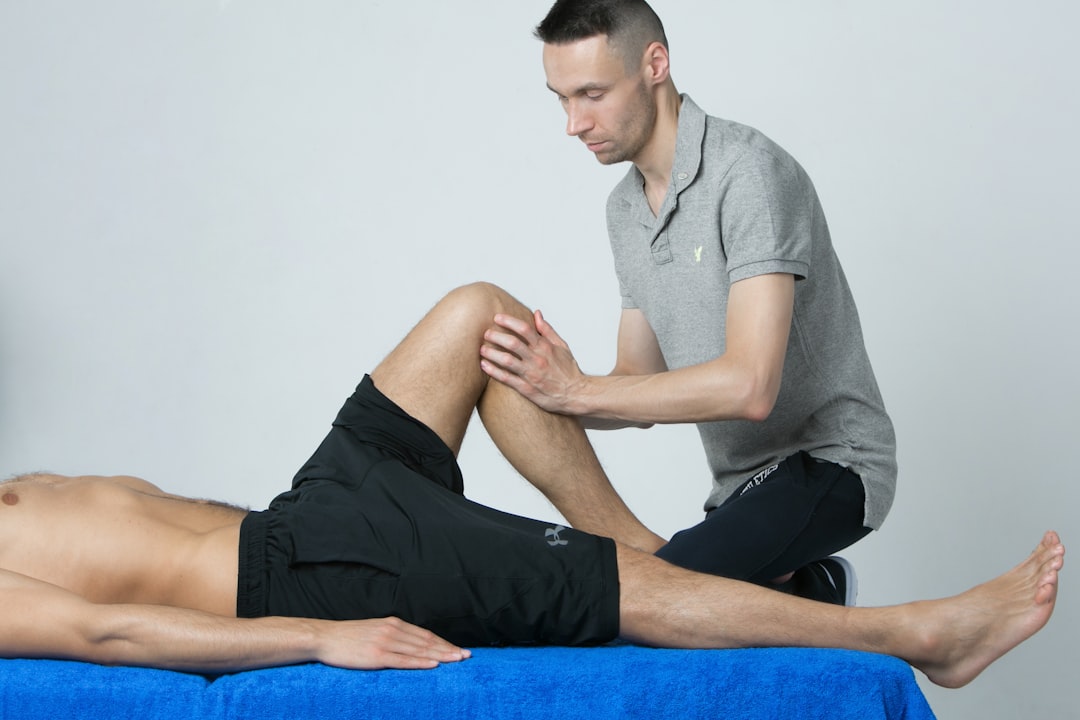
Physical therapy exercises to reduce hip pain focus on stretching, strengthening, and improving hip mobility. Here are some effective exercises commonly recommended:
Stretching Exercises
- Hip Flexor Stretch
- Get into a lunge position with one knee on the ground.
- Push your hips forward slightly until you feel a stretch in your hip flexor.
- Hold for 30 seconds to 2 minutes per side.
- Butterfly Stretch
- Sit on the ground, bring the soles of your feet together.
- Let your knees drop to the sides and lean forward gently.
- Hold the stretch for up to 1 minute.
- Pigeon Pose
- From all fours, bring one knee forward and place it by your wrist.
- Extend the other leg back and fold your upper body over the bent leg.
- Hold the position and breathe into the stretch.
- Figure Four Stretch
- Lie on your back, place one ankle over the opposite knee.
- Pull the bottom leg toward your chest to stretch the hip and glutes.
- Leg Swings
- Stand holding a support, swing one leg side-to-side and then front-to-back.
- Helps open up the hips dynamically.
Strengthening Exercises
- Fire Hydrant
- On all fours, lift one bent leg to the side to hip level.
- Keep core engaged and back flat.
- Repeat on each side.
- Banded Walk
- Place a resistance band around your ankles or knees.
- Slightly squat and step sideways, keeping feet pointed forward.
- Single-Leg Glute Bridge
- Lie on your back, knees bent, feet flat.
- Extend one leg, lift your hips using the grounded leg’s glutes.
- Helps strengthen hip stabilizers.
- Donkey Kick
- On all fours, lift one bent leg towards the ceiling.
- Keep foot flat, engage glutes.
- Side-Lying Leg Raise
- Lie on your side with the affected leg on top.
- Keep the leg straight and lift it upwards slowly.
- Strengthens hip abductor muscles.
Functional Exercises
- Mini Squats
- Feet hip-width apart, bend knees and hips slightly, then rise.
- Helps with controlled strengthening without overloading joints.
- Chair Stand
- From sitting, stand up using your leg muscles.
- Improves functional strength for daily activities.
Additional Notes
- Perform stretches slowly, holding each for about 60 seconds.
- Avoid bouncing or overstretching to prevent injury.
- Strengthen muscles around the hip to support the joint and reduce pain.
- Modify or avoid high-impact exercises like running if they worsen hip pain.
These exercises collectively help reduce hip pain by improving flexibility, strengthening supportive muscles, and enhancing joint mobility. Always consult a physical therapist before starting exercises to ensure they are appropriate for your specific condition.